Comrades: A Local History of the Black Panther Party _eBook and Audiobook, Edited by Judson L. Jeffries, with Rebuild Collective Video Education Player 

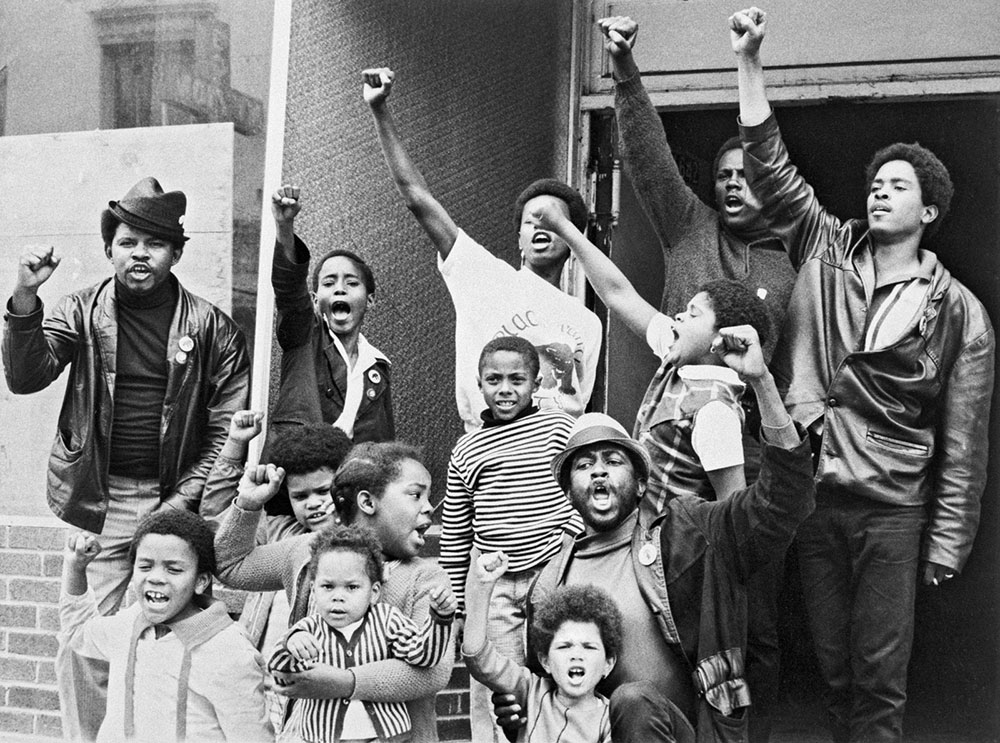
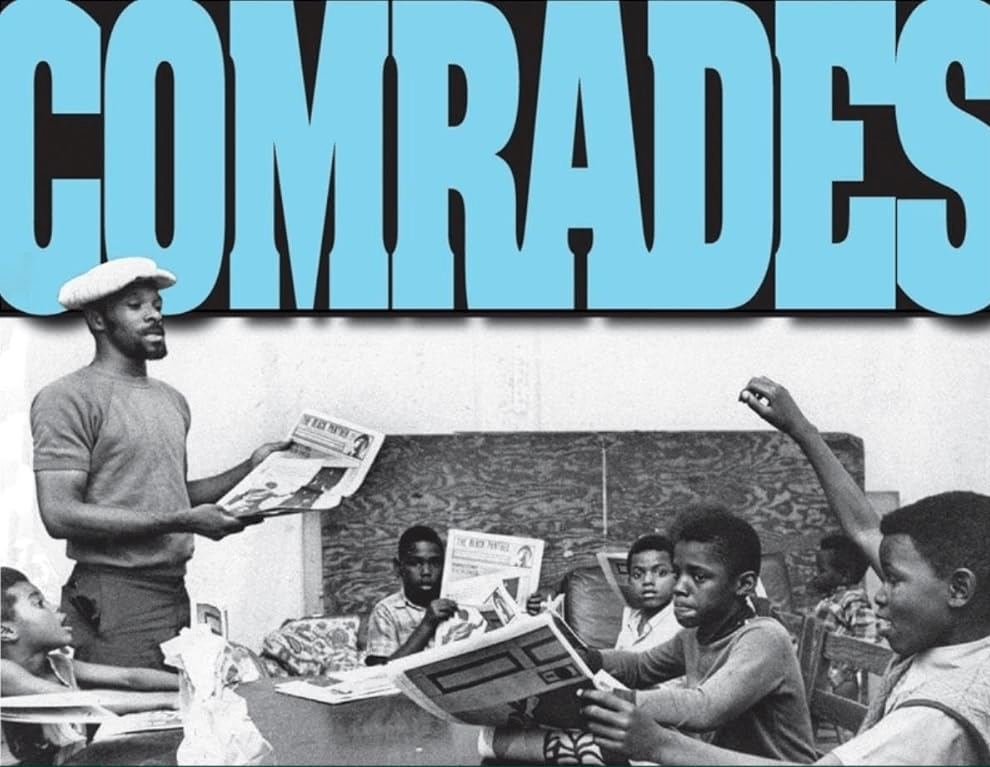
The Black Panther Party for Self-Defense was founded in Oakland, California, in 1966 by Huey P. Newton and Bobby Seale. It was perhaps the most visible of the Black Power groups in the late 60s and early 70s, not least because of its confrontational politics, its rejection of nonviolence, and its headline-catching, gun-toting militancy. Important on the national scene and highly visible on college campuses, the Panthers also worked at building grassroots support for local black political and economic power. Although there have been many books about the Black Panthers, none has looked at the organization and its work at the local level. This book examines the work and actions of seven local initiatives in Baltimore, Winston-Salem, Cleveland, Indianapolis, Milwaukee, Philadelphia, and Los Angeles. These local organizations are revealed as committed to programs of community activism that focused on problems of social, political, and economic justice.

Comrades: A Local History of the BPP_eBook

Pop the document out from the upper right to read / expand / download.

Comrades: A Local History of the BPP_Audiobook

Part 1

Part 2

Rebuild Collective Video Education Player 

11 Video Playlist

Learn more in RBG Communiversity Knowledge Media eLibrary:

War Against the Panthers: A Study of Repression in America_eBook and Audiobook, Huey P. Newton Doctoral Dissertation / UC Santa Cruz 1 Jun 1980, with Huey P. Newton Rare Footage_Clips and Interviews

“Ph.D. dissertation by Huey P Newton, analysing certain features of the Black Panther Party and incidents that are significant in its development. Some central events in the growth of the Party, from adoption of an ideology and platform to implementation of community programs, are first described. This is followed by a presentation of the federal government’s response to the Party.” Source: Libcom.org-huey-p-newton

Book Summary

Huey P. Newton’s “War Against the Panthers: A Study of Repression in America” offers an insightful examination of the Black Panther Party (BPP) and the systemic repression it faced from the U.S. government and law enforcement. Here’s an overview and outline of the book:

  • Historical Context: The book situates the Black Panther Party within the civil rights movement and the broader struggle for racial equality in the United States.
  • Repression and Resistance: Newton explores various forms of repression faced by the Panthers, including surveillance, arrests, and violent confrontations with law enforcement.
  • Philosophy and Ideology: Newton articulates the BPP’s ideology, emphasizing self-defense, community empowerment, and the fight against systemic racism.
  • Personal Account: The narrative includes Newton’s personal experiences and reflections as a leader within the party, providing insight into the challenges and triumphs of the movement.
  • Impact and Legacy: The book addresses the long-term effects of repression on the Black Panther Party and its enduring legacy in contemporary social justice movements.

This outline provides a structured look at the contents of Newton’s work, encapsulating the primary themes and historical significance of the Black Panther Party’s struggle against repression.

  • Introduction
    • Purpose of the study
    • Overview of the Black Panther Party’s formation and goals
  • Chapter 1: Historical Background
    • Context of racial oppression in America
    • The civil rights movement and its influence on the BPP
  • Chapter 2: Ideological Foundations
    • Key principles of the Black Panther Party
    • The philosophy of self-defense and community empowerment
  • Chapter 3: Government Surveillance and Repression
    • Overview of COINTELPRO and its impact on the BPP
    • Tactics used by law enforcement to undermine the party
  • Chapter 4: Confrontations with Law Enforcement
    • Notable incidents of violence and arrests
    • The media portrayal of the Panthers and its effects
  • Chapter 5: Internal Struggles and Challenges
    • Conflicts within the party
    • The impact of repression on leadership and membership
  • Chapter 6: Community Programs and Initiatives
    • Overview of the BPP’s social programs (e.g., free breakfast programs, health clinics)
    • The role of these initiatives in community building
  • Chapter 7: The Legacy of the Black Panther Party
    • Examination of the BPP’s contributions to social justice
    • The enduring influence on contemporary movements
  • Conclusion
    • Summary of key themes and findings
    • Reflection on the importance of understanding the history of repression in America

As co-founder of the Black Panther Party, Huey P. Newton knew repression first hand. Surviving a shooting in which one police officer was killed and another wounded, Newton became the symbol of Black urban resistance in the United States. Obscure until now, Newton’s valuable Ph.D. dissertation War Against the Panthers offers an insightful reconstruction that could have only been written by a key participant in the events.

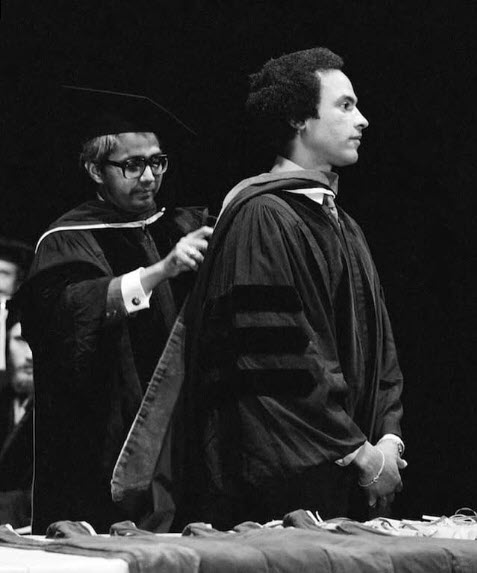
Huey P. Newton Doctoral Dissertation

Newton earned his Ph.D. in History of Consciousness from the University of California, Santa Cruz on June 15, 1980. Credits: viewpointmag.com

War Against the Panthers: A Study of Repression in America_eBook

Pop the document out from the upper right to read / expand / download.

War Against the Panthers: A Study of Repression in America_Audiobook

Huey P. Newton Rare Footage_ Clips and Interviews

Learn more in RBG Communiversity Knowledge Media eLibrary:

Soledad Brother: The Prison Letters of George Jackson_eBook and Audiobook, with George Jackson (A Short Documentary Film) and FULL STORY of BGF

ICE BRAKER VIDEO_FULL STORY OF BGF

Book Summary

“Soledad Brother: The Prison Letters of George Jackson” is a powerful collection of letters written by George Jackson, a prominent African American activist and member of the Black Panther Party, during his time in prison. The book chronicles Jackson’s reflections on race, class, and the American penal system, offering a profound insight into the struggles faced by incarcerated individuals. Jackson’s letters, which were penned while he was imprisoned for armed robbery, articulate his political beliefs, experiences of systemic racism, and critiques of capitalism and imperialism. Through his writings, Jackson not only advocates for the rights of prisoners but also calls for broader social justice and revolutionary change. “Soledad Brother” serves as both a personal narrative and a political manifesto, illustrating the intersections of personal and collective struggles for liberation.

The outline that follows captures the main themes and structure of “Soledad Brother,” highlighting the critical discussions within the collection regarding George Jackson’s life, political beliefs, and the broader implications of his writings for understanding issues of race, justice, and incarceration. The book serves as an important resource for those seeking to engage with the history of the Black liberation movement and the ongoing struggles against systemic oppression.

I. Introduction

  • Overview of the book’s purpose: to present George Jackson’s letters from prison
  • Contextualization of Jackson’s life and political activism
  • The significance of his writings in understanding the prison-industrial complex and racial justice

II. Background on George Jackson

  • Brief biography of George Jackson: early life, criminalization, and incarceration
  • Overview of Jackson’s involvement with the Black Panther Party and his political development
  • Discussion of the events leading to his imprisonment and the context of the Soledad Brothers case

III. Themes of Race and Oppression

  • Exploration of Jackson’s reflections on systemic racism and its impact on Black Americans
  • Analysis of his experiences with racial discrimination within the prison system
  • Discussion of the broader implications of racial injustice in society

IV. Critique of the American Penal System

  • Examination of Jackson’s critiques of the prison-industrial complex
  • Insights into the dehumanizing conditions of prisons and the treatment of inmates
  • Discussion of the role of prisons in perpetuating social and economic inequalities

V. Revolutionary Ideology

  • Overview of Jackson’s political beliefs, including Marxism and Black nationalism
  • Exploration of his vision for revolution and the liberation of oppressed peoples
  • Discussion of the importance of solidarity among marginalized communities

VI. Personal Reflections and Emotional Struggles

  • Intimate insights into Jackson’s personal life, relationships, and emotional struggles while incarcerated
  • Exploration of the psychological impact of imprisonment and the quest for identity
  • Discussion of his hopes, fears, and aspirations for himself and the movement

VII. Call to Action

  • Examination of Jackson’s call for resistance against oppression and exploitation
  • Insights into his vision for a unified struggle for justice and liberation
  • Discussion of the importance of activism and solidarity in challenging systemic injustices

VIII. Legacy and Influence

  • Reflection on the impact of “Soledad Brother” on contemporary discussions of race, justice, and prison reform
  • Analysis of Jackson’s enduring legacy as a revolutionary figure and martyr
  • Exploration of how his writings continue to resonate with current movements for social justice

IX. Conclusion

  • Summary of key themes and insights from George Jackson’s letters
  • Reflection on the importance of bearing witness to the experiences of the incarcerated
  • A call to action for continued advocacy and engagement in the fight for racial and social justice

“Soledad Brother: The Prison Letters of George Jackson” is a profound and influential work that encapsulates the struggles, insights, and revolutionary spirit of George Jackson, who became a pivotal figure in the Black liberation movement during the 1960s and 1970s. His letters, written while he was incarcerated, provide a raw and unfiltered glimpse into the realities of life in prison, as well as a deep exploration of systemic issues affecting African Americans and marginalized communities.

Key Themes and Insights

  1. Personal Journey and Incarceration:
    • Jackson’s letters document his transformation from a young man involved in crime to a politically conscious revolutionary. The correspondence reflects his evolving understanding of the systemic forces at play in society and his commitment to fighting against oppression.
    • His experiences in prison serve as a catalyst for his political awakening, as he begins to articulate the injustices faced by incarcerated individuals and the broader African American community.
  2. Racial Injustice and Systemic Oppression:
    • A central theme throughout Jackson’s letters is the pervasive racism embedded in American society. He addresses the historical context of slavery, segregation, and ongoing discrimination, arguing that these issues are fundamental to understanding the plight of Black Americans.
    • Jackson critiques the criminal justice system as a mechanism of racial control, emphasizing how it disproportionately targets and punishes Black individuals.
  3. Critique of Capitalism and Imperialism:
    • Jackson’s writings reflect his Marxist beliefs and critique of capitalism, which he views as inherently exploitative. He argues that capitalism perpetuates inequality and dehumanizes individuals, particularly those from marginalized backgrounds.
    • He also discusses imperialism’s role in shaping global power dynamics, linking local struggles for liberation to broader anti-imperialist movements.
  4. Prison Conditions and Dehumanization:
    • Jackson provides vivid descriptions of the brutal conditions within prisons, highlighting issues such as overcrowding, violence, and the psychological toll of incarceration. His letters serve as a powerful indictment of the prison system, revealing how it strips individuals of their dignity and humanity.
    • He advocates for the rights of prisoners and emphasizes the need for reform, arguing that the treatment of incarcerated individuals reflects society’s values and priorities.
  5. Revolutionary Ideology and Activism:
    • Throughout the letters, Jackson articulates his vision for revolution and the importance of collective struggle. He calls for solidarity among oppressed communities and emphasizes the need for organized resistance against systemic injustices.
    • His writings serve as a rallying cry for activism, urging individuals to engage in the fight for social justice and liberation.
  6. Emotional Struggles and Personal Reflections:
    • In addition to political discourse, Jackson’s letters offer intimate reflections on his personal life, including his relationships with family and friends, his emotional struggles, and his hopes for the future.
    • These personal insights humanize Jackson, allowing readers to connect with him on a deeper level and understand the toll that imprisonment takes on individuals.
  7. Legacy and Impact:
    • “Soledad Brother” has had a lasting impact on discussions of race, justice, and the prison system in the United States. Jackson’s writings continue to resonate with contemporary movements advocating for prison reform and racial justice.
    • His legacy as a revolutionary thinker and martyr is honored by activists and scholars, who draw inspiration from his commitment to social change and his unyielding critique of oppression.

Conclusion

“Soledad Brother” is not just a collection of letters; it is a powerful testament to the resilience of the human spirit in the face of systemic oppression. George Jackson’s writings challenge readers to confront uncomfortable truths about race, justice, and the prison-industrial complex while inspiring a commitment to activism and change.

The book serves as a crucial resource for understanding the complexities of the Black liberation movement and the ongoing struggles for justice and equality. Jackson’s voice, rooted in personal experience and revolutionary ideology, continues to inspire new generations of activists and thinkers as they navigate the challenges of today’s world. Through his letters, Jackson invites readers to reflect on their own roles in the fight for a more just and equitable society.

Soledad Brother_eBook

Pop the documents out from the upper right to read / expand / download.

Soledad Brother_Audiobook

George Jackson (A Short Documentary Film)

Learn more in RBG Communiversity Knowledge Media eLibrary:
Dr. Gerald Horne_Armed Struggle: Panthers and Communists, Black Nationalists and Liberals in southern California, Through the Sixties and Seventies

Dr. Gerald Horne is an author and historian who currently holds the John J. and Rebecca Moores Chair of History and African American Studies at the University of Houston. He joins us from Houston to discuss his latest book, “Armed Struggle: Panthers and Communists, Black Nationalists and Liberals in southern California, Through the Sixties and Seventies” which is published by International Publishers.

International Publishers Book Description:

Southern California has been a leader nationally in fomenting radicalism. The Communist Party had one of its strongest units there, buoyed by influence in Hollywood. Yet, this region also has been a stalwart of the Black Liberation Movement, as suggested by the importance of the Watts Uprising of 1965 in Los Angeles and the concomitant ascendancy of the Black Panther Party, whose leaders—e.g., Eldridge Cleaver and George Jackson—had roots in Pasadena. Angela Davis, accused in the early 1970s of murder, kidnapping, and conspiracy, was not only a bridge between the CP and BPP, but studied in San Diego before teaching at UCLA.

Black Nationalism flourished in the Southland: “Kwanzaa,,” a popular holiday, was born there. Given the prominence of Black celebrities in the region, the NAACP chapter in the area was a cash cow for the entire organization and shaped policy accordingly, including their disastrous capitulation to the Red Scare.

In this exhaustively researched book, Gerald Horne sketches the apparent paradox of some African Americans turning to armed struggle at a time when it appeared that Jim Crow was retreating. He draws critical distinctions between armed propaganda, armed self-defense—and armed struggle— all of which he places in a global context of anti-war activism, the Cold War, and African liberation.

Activist News Network

Black Liberation Media

The Civil Rights and Black Liberation Movements and COINTELPRO (From Freedom Archives Documents), All Power To The People: The Black Panther Party and Beyond Film and COINTELPRO Exposed Video Edu.

Image credit: https://www.liberationschool.org/the-civil-rights-and-black-power-movements/

Pop the document out from the upper right to read / expand / download

8 Video Playllist

Learn more in RBG Communiversity Knowledge Media eLibrary