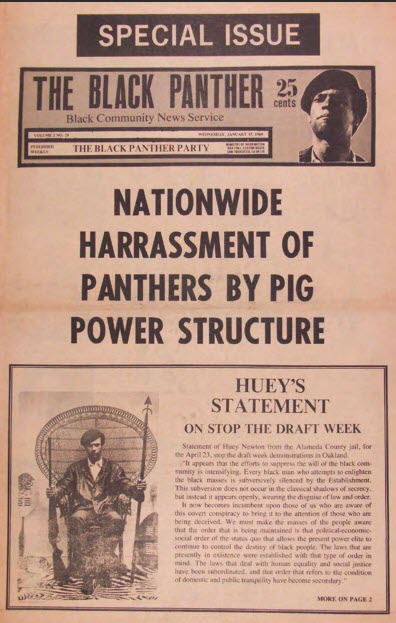
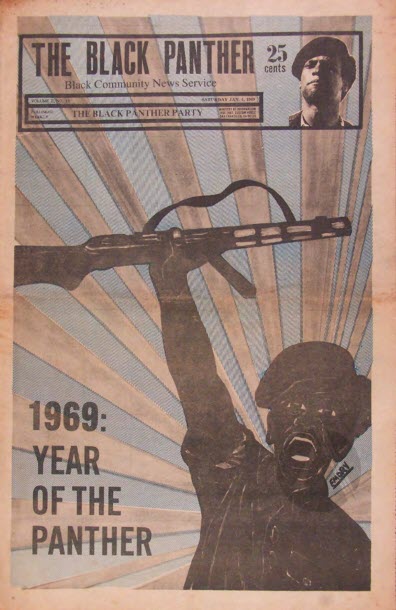
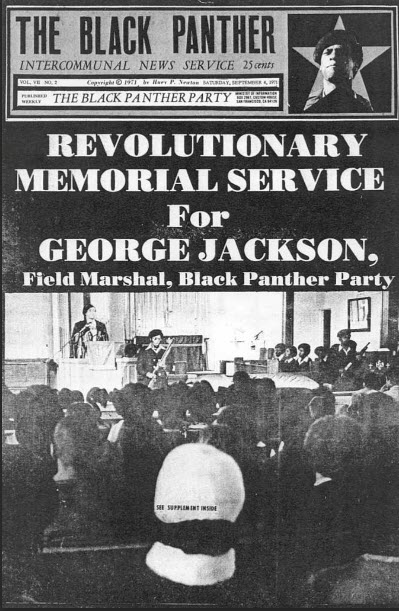
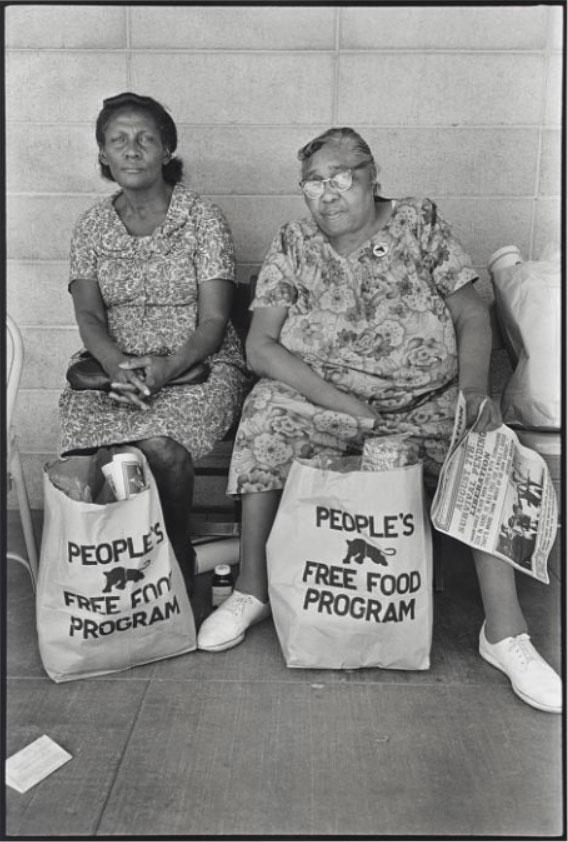
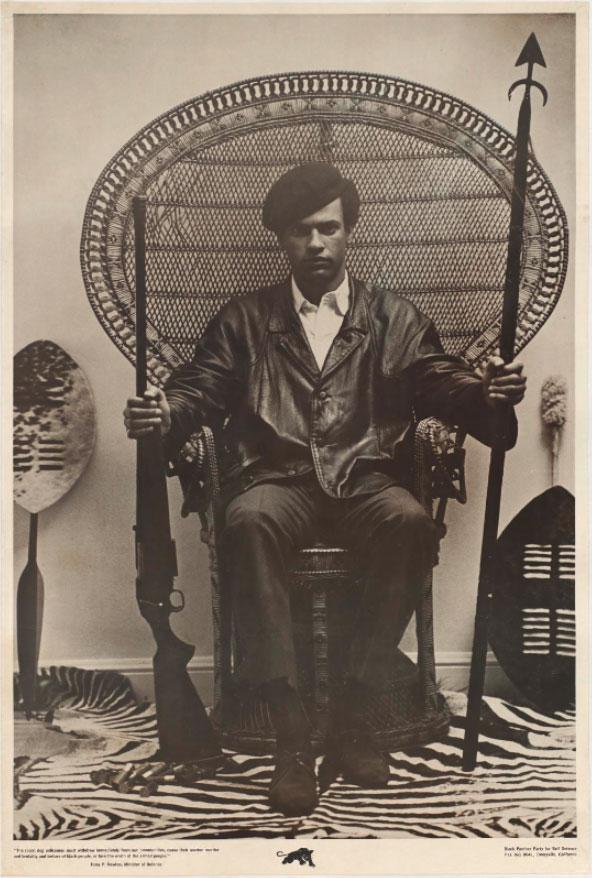
Seize the Time, by Bobby Seale: The Story of the Black Panther Party and Huey P. Newton_eBook and Audiobook mp4 Player

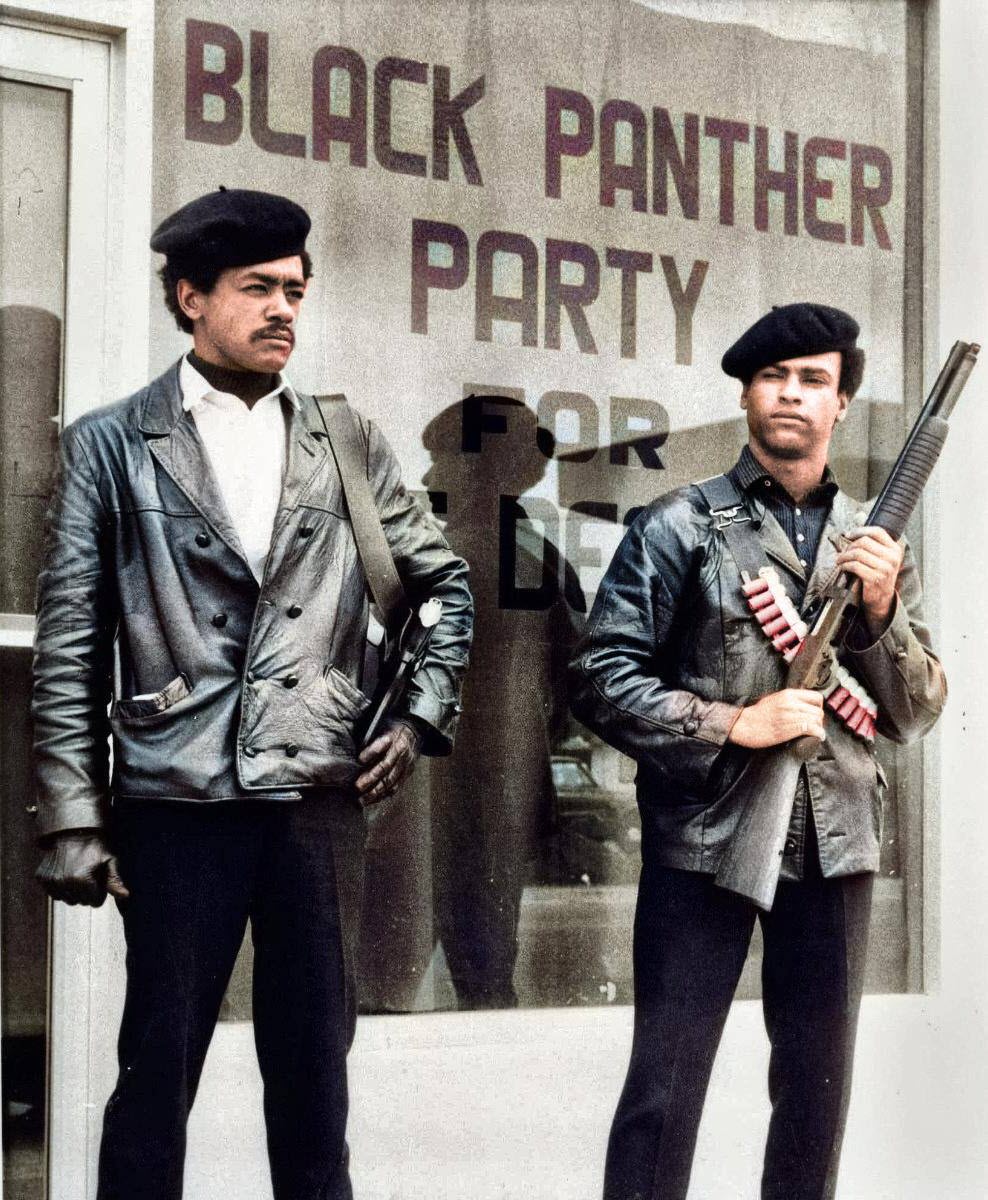
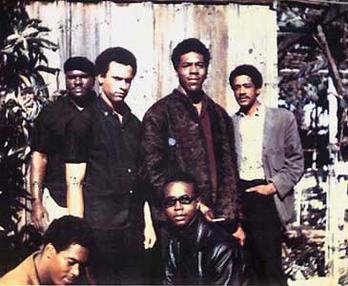
BPP Founders_Bobby Seale and Huey P. Newton

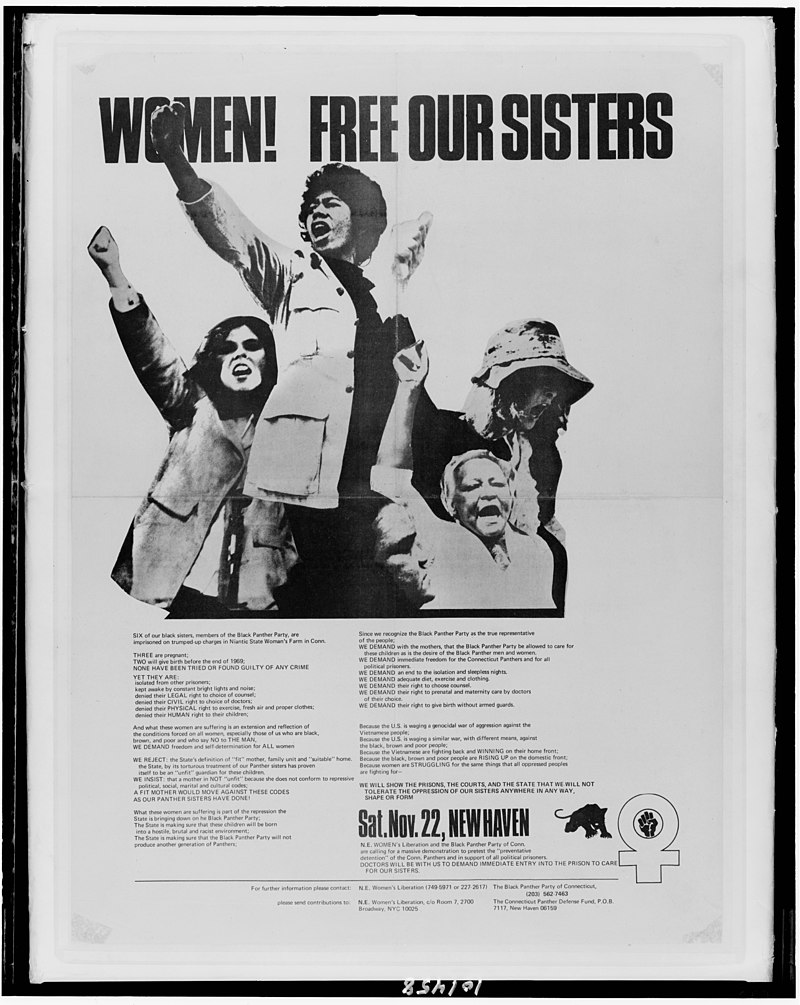
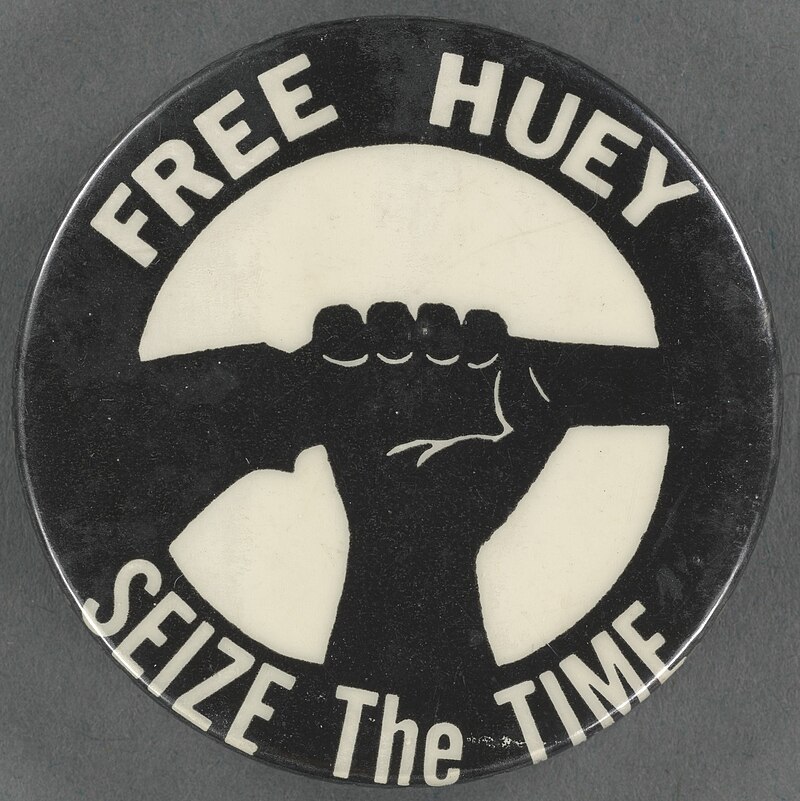
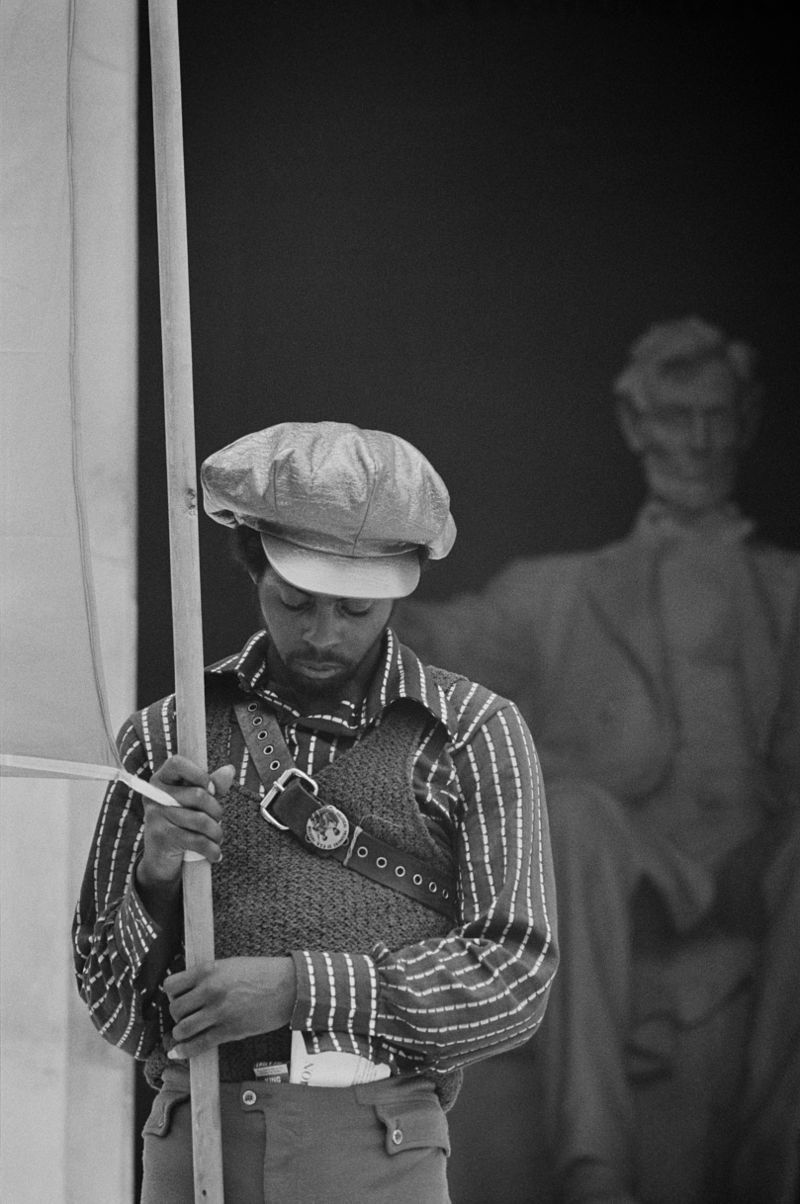
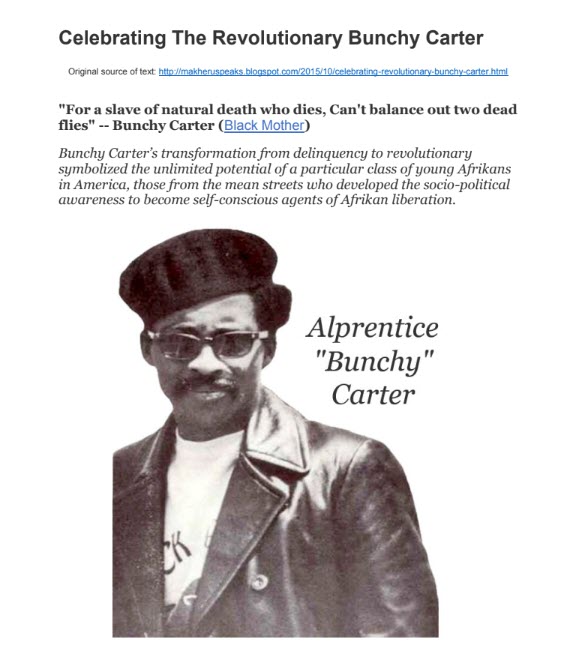
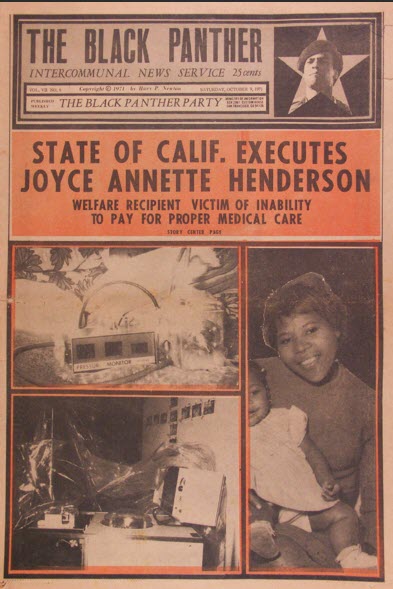
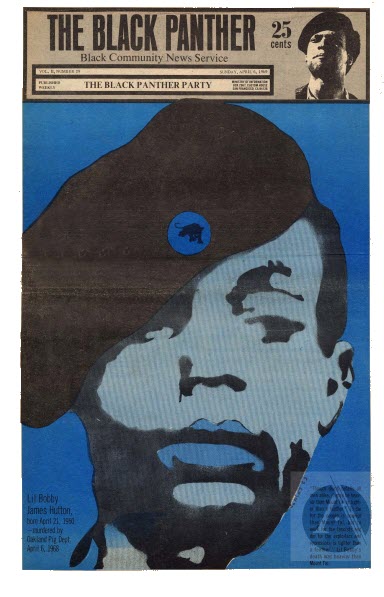
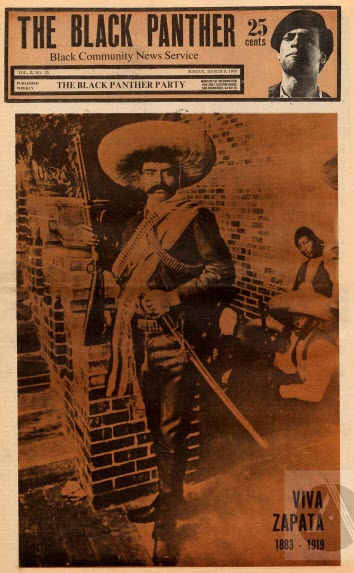
SlideShow Photo Credits: National Museum of African American History and Culture (The Black Panther Party: Challenging Police and Promoting Social Change); Black Panther Party Wiki; BPP Newspaper Covers

Book Summary

“Seize the Time: The Story of the Black Panther Party and Huey P. Newton” by Bobby Seale is an autobiographical account that offers an insider’s perspective on the founding and development of the Black Panther Party (BPP). Written during a tumultuous period in American history, Seale reflects on the political climate of the 1960s, the motivations behind the formation of the BPP, and the organization’s efforts to combat systemic racism and social injustice. The book not only details the struggles and achievements of the BPP but also emphasizes the importance of community activism, self-defense, and the fight for civil rights. Through personal anecdotes and historical context, Seale provides a nuanced understanding of the party’s impact on American society and its legacy.

The outline that follows captures the main themes and structure of “Seize the Time,” highlighting Bobby Seale’s personal narrative and the historical significance of the Black Panther Party. The book serves as an important resource for understanding the complexities of civil rights activism and the lasting impact of the BPP on American society.

I. Introduction

  • Overview of the book’s purpose: to recount the history of the Black Panther Party and its significance
  • Introduction to Bobby Seale and his role as a co-founder of the BPP
  • The socio-political context of the 1960s in America

II. Early Life and Influences

  • Seale’s background and upbringing in a segregated America
  • Key influences that shaped his political consciousness
  • The impact of the civil rights movement on Seale and his peers

III. Formation of the Black Panther Party

  • The founding of the BPP in Oakland, California, in 1966
  • Collaboration with Huey P. Newton and the development of the party’s philosophy
  • The initial goals and objectives of the BPP, including self-defense and community empowerment

IV. Community Programs and Activism

  • Overview of the BPP’s community service programs (e.g., free breakfast for children, health clinics)
  • The emphasis on education and political consciousness-raising in the community
  • Examples of grassroots activism and organizing efforts

V. Confrontation with Law Enforcement

  • Examination of the BPP’s encounters with law enforcement and government agencies
  • The significance of the armed patrols and the right to self-defense
  • Discussion of key events, such as police raids and the party’s response to violence

VI. National Impact and Growth

  • The expansion of the BPP beyond Oakland and its influence on other cities
  • The role of media in shaping public perception of the BPP
  • Notable figures within the party and their contributions to its mission

VII. Internal Challenges and Conflicts

  • Exploration of internal conflicts within the BPP, including leadership struggles and ideological differences
  • The impact of external pressures, including surveillance and repression by the FBI and other agencies
  • The eventual decline of the BPP and the factors contributing to its challenges

VIII. Legacy and Reflection

  • Seale’s reflections on the legacy of the Black Panther Party and its relevance today
  • The ongoing struggle for civil rights and social justice in contemporary America
  • The importance of community activism and grassroots organizing in effecting change

IX. Conclusion

  • Summary of key themes and insights from the book
  • Reflection on the importance of understanding the BPP’s history and its contributions to social justice
  • A call to action for future generations to continue the fight for equality and justice

“Seize the Time: The Story of the Black Panther Party and Huey P. Newton” by Bobby Seale is a crucial work that provides an intimate and detailed account of the Black Panther Party (BPP), its founding, and its mission to address systemic racism and social injustice in America. Seale, as a co-founder of the BPP, offers firsthand insights into the struggles and triumphs of the organization, as well as the broader civil rights movement of the 1960s. Here’s a deeper exploration of the key themes, insights, and narratives presented in the book:

Key Themes and Insights

  1. Historical Context:
    • Seale places the formation of the Black Panther Party within the broader context of the civil rights movement and the societal upheavals of the 1960s. He details the systemic injustices faced by African Americans, including police brutality, economic inequality, and educational disparities, which motivated the creation of the BPP.
    • The historical backdrop helps readers understand the urgency and necessity of the BPP’s mission to advocate for self-defense and community empowerment.
  2. Founding Principles of the BPP:
    • The book outlines the core principles and philosophies that guided the BPP, including the right to self-defense, the importance of community service, and the need for political education. Seale emphasizes that the BPP was not just a reaction to violence but a proactive movement aimed at upliftment and empowerment.
    • The party’s Ten-Point Program, which outlined their demands for justice, equality, and community control, is discussed in detail as a framework for their activism.
  3. Community Engagement and Activism:
    • Seale highlights the various community programs initiated by the BPP, such as free breakfast programs for children, health clinics, and educational initiatives. These programs were designed to address immediate needs within the community and empower individuals through education and resources.
    • The emphasis on community service illustrates the party’s commitment to improving the lives of African Americans and fostering a sense of solidarity and self-determination.
  4. Confrontations with Law Enforcement:
    • The book details the BPP’s confrontations with law enforcement, including armed patrols to monitor police activity and protect community members. Seale describes the legal and political implications of these actions, emphasizing the BPP’s stance on self-defense and civil rights.
    • Key incidents, such as police raids and the assassination of party members, are recounted to illustrate the dangers faced by the BPP and the systemic violence directed at Black activists.
  5. Media Representation:
    • Seale discusses the role of the media in shaping public perceptions of the Black Panther Party. He critiques the sensationalized coverage that often portrayed the BPP as a violent organization, overshadowing its community efforts and political objectives.
    • The impact of media narratives on the party’s reputation and the challenges of combating misinformation are significant themes in the book.
  6. Internal Struggles and Challenges:
    • The biography does not shy away from addressing the internal conflicts within the BPP, including leadership disputes, ideological differences, and the effects of external pressures from government surveillance and infiltration. Seale reflects on how these challenges affected the unity and effectiveness of the organization.
    • The struggles faced by the BPP serve as a reminder of the complexities of grassroots movements and the difficulties inherent in maintaining solidarity among diverse voices.
  7. Legacy and Relevance:
    • In the conclusion, Seale reflects on the enduring legacy of the Black Panther Party and its relevance to contemporary social justice movements. He emphasizes that the fight for equality and justice is ongoing, and the principles established by the BPP continue to inspire activists today.
    • The book encourages readers to engage with the lessons learned from the BPP’s experiences and to recognize the importance of community activism and political engagement in the pursuit of justice.

Conclusion

“Seize the Time” is more than a historical account; it is a powerful testament to the resilience and determination of a movement that sought to address systemic oppression and empower marginalized communities. Bobby Seale’s insights provide a unique perspective on the Black Panther Party’s efforts, challenges, and impact on American society.

Through personal anecdotes and historical analysis, Seale crafts a narrative that invites readers to reflect on the complexities of social justice activism and the importance of grassroots organizing. The book serves as a vital resource for understanding the struggles faced by the Black Panther Party and the ongoing fight for civil rights, urging future generations to continue the work of building a more just and equitable society.

Seize the Time, by Bobby Seale_Audiobook mp4 Player

12 Video Playlist

Seize the Time_eBook

Pop the documents out from the upper right to read / expand / download.
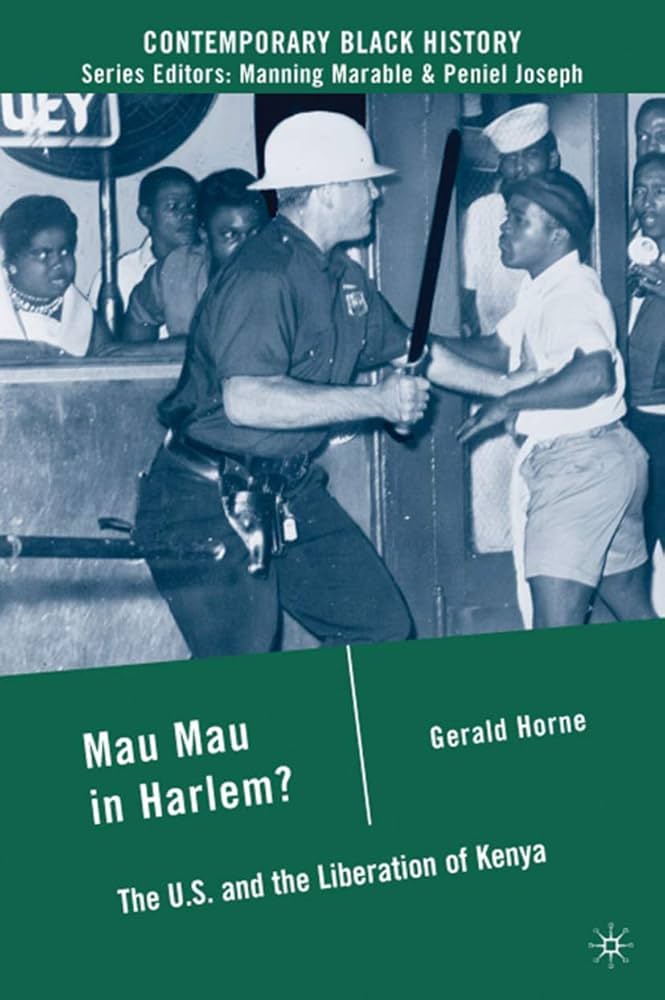
Learn more in RBG Communiversity Knowledge Media eLibrary:

Mau Mau in Harlem?_The U.S. and the Liberation of Kenya, Gerald Horne|eBook and Audiobook| (Contemporary Black History), with Mau Mau Warrior Illustrated eBook, by Abiodun Alao (Author), Christa Hook (Illustrator).

Book Summary:

“Mau Mau in Harlem?: The U.S. and the Liberation of Kenya” is a book by historian Gerald Horne which explores the connections between the African-American Civil Rights movement in the United States and the Mau Mau uprising in Kenya, specifically how the struggle for Kenyan independence resonated with African Americans, leading to a sense of solidarity and even the idea of a “Mau Mau” movement within Harlem and other Black communities in the U.S. 

Key points about the book:

  • Focus on the Mau Mau: The book delves into the Mau Mau Uprising, a violent guerrilla campaign by Kenyan Kikuyu people against British colonial rule in the 1950s, primarily focused on land rights and self-determination. 
  • Harlem connection: It analyzes how the struggles of the Mau Mau movement were closely followed and supported by African Americans in Harlem, New York, who saw parallels with their own fight for civil rights in the United States. 
  • Scholarly research: Horne draws on extensive archival research conducted in the US, UK, and Kenya to provide a nuanced understanding of the interconnectedness between the two movements. 
  • Impact on Black consciousness: The book argues that the Mau Mau rebellion contributed to a growing sense of Black consciousness and solidarity among African Americans, further fueling the civil rights movement. 
  • The Mau Mau Uprising: This was a violent resistance movement against British colonial rule in Kenya, primarily led by the Kikuyu tribe, during the 1950s. 
  • African (American) Solidarity: The book argues that African Americans saw parallels between the Kenyan struggle against British colonialism and their own fight for civil rights in the U.S., leading to significant support for the Mau Mau movement within the Black community. 
  • Malcolm X’s “Mau Mau in Harlem” reference: A prominent example of this connection is Malcolm X’s statement about the potential need for a “Mau Mau” style uprising in Harlem, signifying a willingness to use more militant tactics to achieve racial equality. 
  • Historical Context: The book examines the broader historical context of the Cold War, where the U.S. was keen to demonstrate its anti-colonial stance, leading to some level of support for Kenyan independence. 

Mau Mau in Harlem, Gerald Horne?_eBook

Pop the documents out from the upper right to read / expand / download.
Mau Mau in Harlem, Gerald Horne?_Audiobook

Audio start in earnest (Introduction @ 4 mins. 45 sec.) and corresponds to page 12 of the above Reader.

Part 1

Part 2

Mau Mau Warrior Illustrated eBook, by Abiodun Alao (Author), Christa Hook (Illustrator).

Amazon Books: “Osprey’s study of the Mau Mau Rebellion (1952-1960) in Kenya and its fighters. The Mau Mau Freedom Fighters waged a guerrilla war for eight years against their British colonial rulers, which became known as the Mau Mau Uprising. The Mau Mau sought to win back their land and independence. This underground militia was an extremely powerful force employing tactics, which included the assassination of British settlers and the Africans who collaborated with the British, as well as raiding colonial prisons for weapons and staging daring ambushes in the Kenyan forests and mountains. The conflict saw these untrained warriors, deemed by many to be terrorists employ an innovative mix of traditional African warfare tactics, counterinsurgency methods and European firepower. The uprising ended in failure but set the stage for Kenyan independence in 1963. This title will explore their unique motivations, training and tactics, as well as their battle experience.”

Learn more in RBG Communiversity Knowledge Media eLibrary:

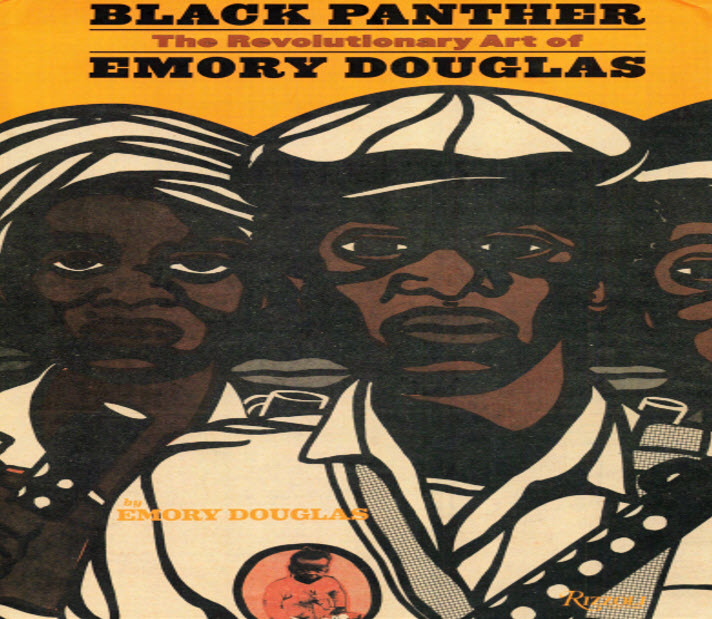
Black Panther_ The Revolutionary Art of Emory Douglas (Book Preview) and Emory Douglas_The Art of The Black Panthers (BPP |BAM Video Player), with BPP Newspapers_1969

Buy the Book here. https://www.rizzoliusa.com/book/9780847841899/ (228 Pages.)

4 Video Playlist

Black Panther_ The Revolutionary Art of Emory Douglas, Publish 2014. (Book Preview)

Description

A reformatted and reduced price edition—including a revised and updated introduction by Sam Durant and new text on the artist today by Colette Gaiterof the first book to show the provocative posters and groundbreaking graphics of the Black Panther Party. The Black Panther Party for Self Defense, formed in the aftermath of the assassination of Malcolm X in 1965, sounded a defiant cry for an end to the institutionalized subjugation of African Americans. The Black Panther newspaper was founded to articulate the party’s message, and artist Emory Douglas became the paper’s art director and later the party’s minister of culture. Douglas’s artistic talents and experience proved a powerful combination: his striking collages of photographs and his own drawings combined to create some of the era’s most iconic images. This landmark book brings together a remarkable lineup of party insiders who detail the crafting of the party’s visual identity.

About The Author

Emory Douglas was the Minister of Culture for the Black Panther Party from 1967 until its discontinuation in the early 1980s. Colette Gaiter is associate professor of visual communications in the art department at the University of Delaware.  Bobby Seale co-founded the Black Panther Party with Huey Newton. Sam Durant is a Los Angeles–based artist. Danny Glover is an actor, producer, and director. Kathleen Cleaver, attorney, author, and senior lecturer at Yale University and Emory Law School, joined the Black Panther Party in 1967. Amiri Baraka is a writer and political activist.

Pop the document out from the upper right to read / expand / download.
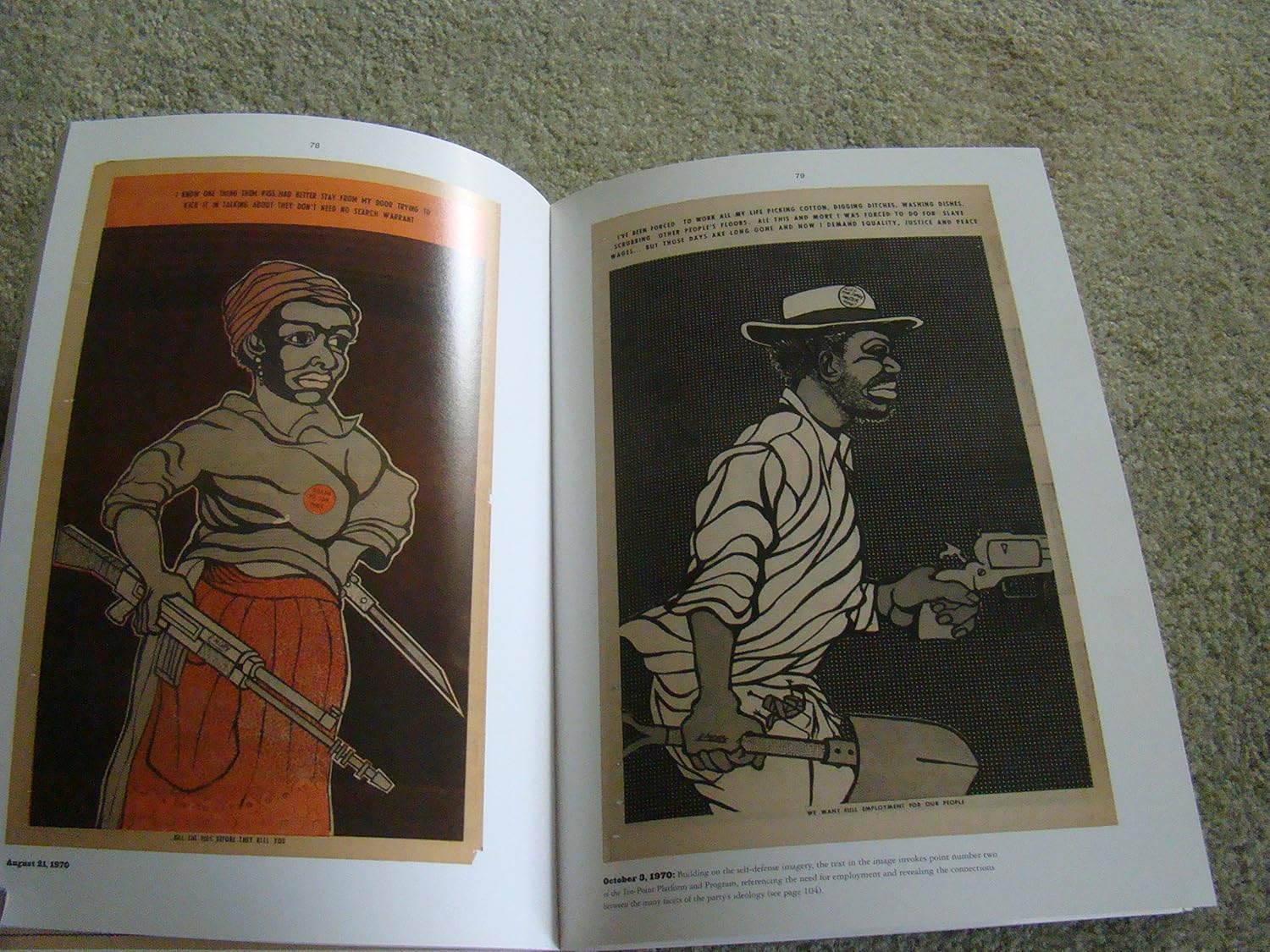
BPP Newspapers_1969

Click to Open

Learn more in RBG Communiversity Knowledge Media eLibrary:

Black Power Afterlives| The Enduring Significance of the Black Panther Party_Audiobook and eBook, Edited by Diane Fujino and Matef Harmachis, with Haymarket Books Webinar: Black Power Afterlives: From The Black Panther Party to Black Lives Matter

Book Summary

Overview of “Black Power Afterlives: The Enduring Significance of the Black Panther Party”

“Black Power Afterlives” explores the legacy and continued relevance of the Black Panther Party (BPP) in contemporary society. Edited by Diane Fujino, the book gathers various essays and perspectives that examine the impact of the BPP on social movements, political thought, and cultural expressions. It addresses how the ideals of the Black Power movement resonate in current struggles for racial justice, equality, and community empowerment.

The outline that follows provides a cogent look at the themes and discussions presented in the book, highlighting the ongoing relevance of the Black Panther Party in today’s sociopolitical landscape.

Outline

  1. Introduction
    • Overview of the Black Panther Party’s foundational principles
    • Importance of examining the BPP’s legacy today
    • Purpose of the book and contributions of various authors
  2. Historical Context
    • Formation of the Black Panther Party in the 1960s
    • Key figures and events in the BPP’s history
    • The socio-political landscape of the era
  3. Core Ideologies of the Black Panthers
    • Ten-Point Program
    • Focus on self-defense and community empowerment
    • Intersectionality and the inclusion of diverse voices
  4. Cultural Impact
    • Representation in media and arts
    • Influence on music, literature, and visual arts
    • The role of propaganda and imagery in promoting BPP ideals
  5. Legacy and Influence on Modern Movements
    • Connections to contemporary civil rights movements (e.g., Black Lives Matter)
    • Examination of grassroots organizing and community programs inspired by the BPP
    • The relevance of BPP strategies in current social justice contexts
  6. Scholarly Perspectives
    • Contributions from various scholars and activists
    • Critical analyses of the BPP’s successes and challenges
    • The significance of oral histories and personal narratives
  7. Global Impact
    • Transnational solidarity and influence on international movements
    • The BPP’s role in global anti-colonial struggles
    • Comparisons with other revolutionary movements worldwide
  8. Conclusion
    • Reflections on the enduring significance of the BPP
    • Calls to action for future generations
    • The continuous evolution of Black Power ideologies

The first book to comprehensively examine how the Black Panther Party has directly shaped the practices and ideas that have animated grassroots activism in the decades since its decline, Black Power Afterlives represents a major scholarly achievement as well as an important resource for today’s activists. Through its focus on the enduring impact of the Black Panther Party, this volume expands the historiography of Black Power studies beyond the 1960s-70s and serves as a bridge between studies of the BPP during its organizational existence and studies of present-day Black activism, allowing today’s readers and organizers to situate themselves in a long lineage of liberation movements.

Black Power Afterlives_eBook

Pop the document out from the upper right to read / expand / download.

Black Power Afterlives_Audiobook

Part 1

Part 2

Haymarket Books Webinar: Black Power Afterlives: From The Black Panther Party to Black Lives Matter

https://www.youtube.com/@HaymarketBooks

Learn more in RBG Communiversity Knowledge Media eLibrary:

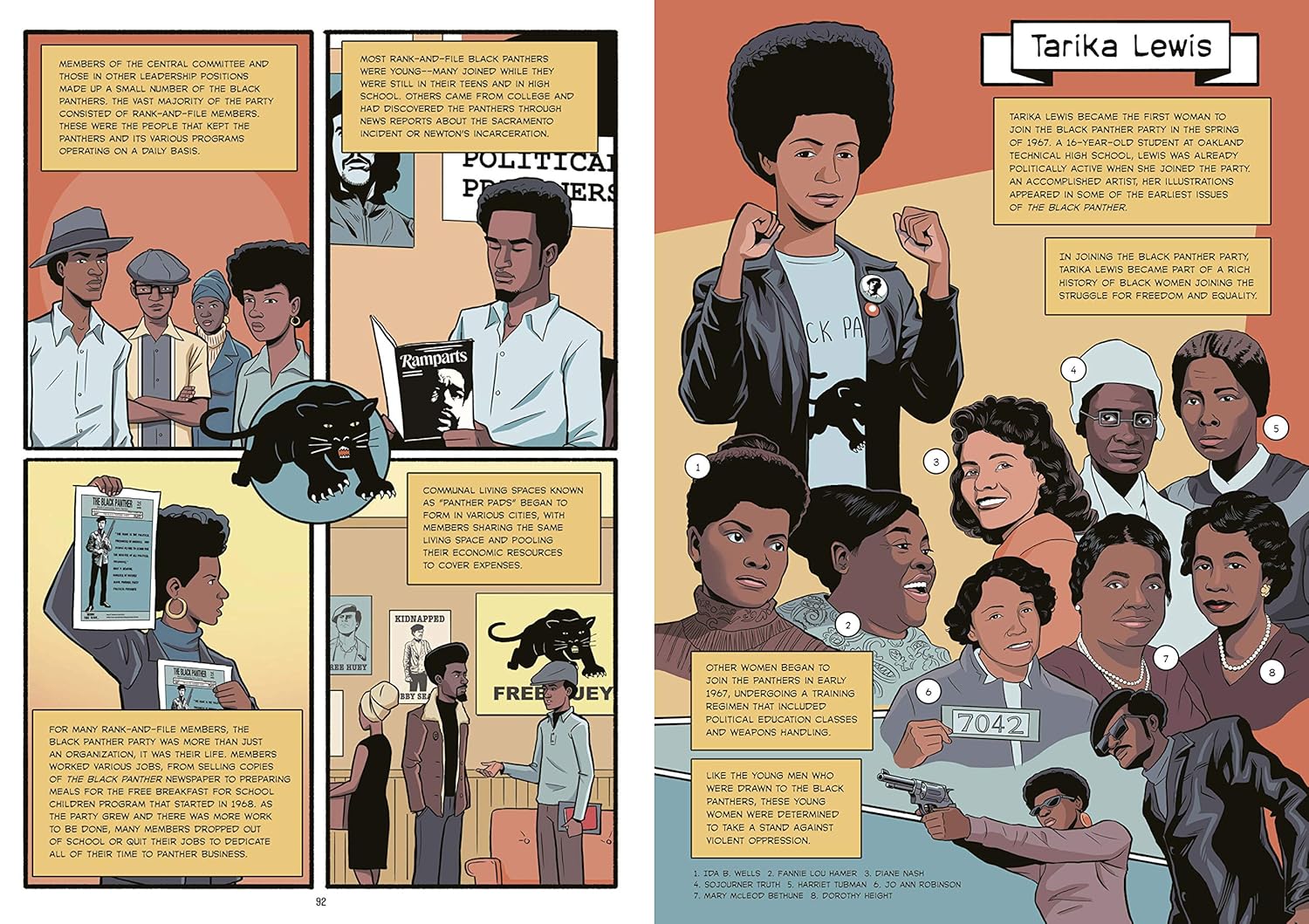
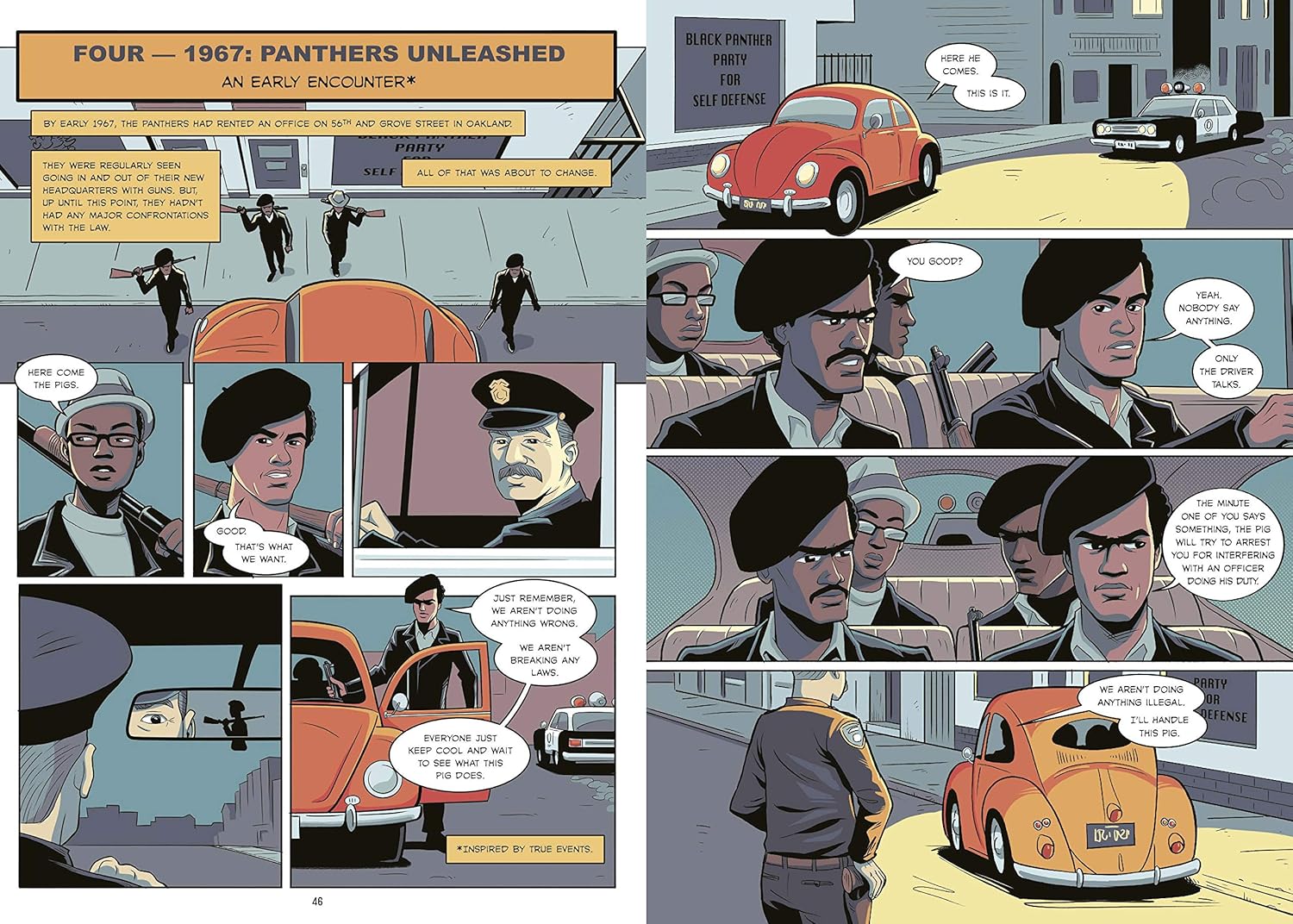
The Black Panther Party: A Graphic Novel History, by David F. Walker (Author), Marcus Kwame Anderson (Illustrator), with RBG| FBI_COINTELPRO Video Education Player

WINNER OF THE EISNER AWARD • “A bold and fascinating graphic novel history of the revolutionary Black Panther Party.”


Founded in Oakland, California, in 1966, the Black Panther Party for Self-Defense was a radical political organization that stood in defiant contrast to the mainstream civil rights movement. This gripping illustrated history explores the impact and significance of the Panthers, from their social, educational, and healthcare programs that were designed to uplift the Black community to their battle against police brutality through citizen patrols and frequent clashes with the FBI, which targeted the Party from its outset.

Using dramatic comic book-style retellings and illustrated profiles of key figures, The Black Panther Party captures the major events, people, and actions of the party, as well as their cultural and political influence and enduring legacy.

The Black Panther Party: A Graphic Novel History, by David F. Walker (Author), Marcus Kwame Anderson (Illustrator)

Pop the document out from the upper right to read / expand / download.

RBG| FBI_COINTELPRO Video Education Player

8 Video Playlist

Learn more in RBG Communiversity Knowledge Media eLibrary: