
Last Updated 03-28-2025
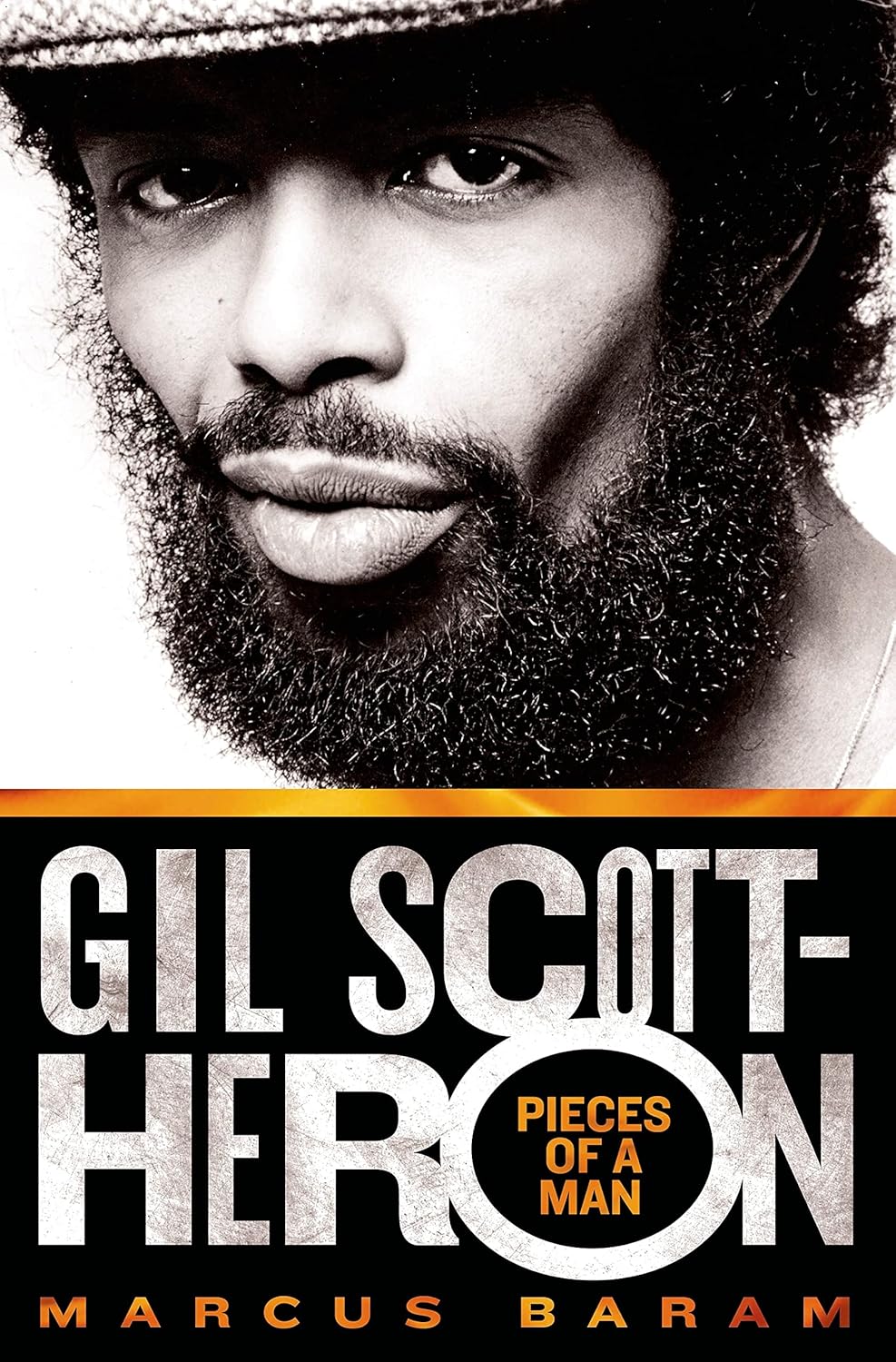
Book Summary
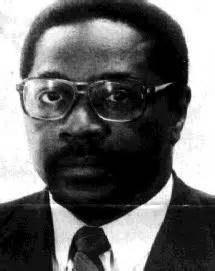
“Gil Scott-Heron: Pieces of a Man” by Marcus Baram is a comprehensive biography that delves into the life and legacy of Gil Scott-Heron, a pioneering musician, poet, and social activist. Known for his influential work in the genres of jazz, soul, and spoken word, Scott-Heron is often celebrated as a key figure in the development of hip-hop and for his incisive commentary on social and political issues. Baram explores Scott-Heron’s tumultuous life, including his struggles with addiction, his artistic evolution, and his impact on music and culture. The biography not only chronicles his achievements but also examines the complexities of his identity and the societal challenges he confronted throughout his life.
The following outline captures the main themes and structure of “Gil Scott-Heron: Pieces of a Man,” highlighting Marcus Baram’s exploration of the life, struggles, and legacy of this influential artist. The biography serves as an important resource for understanding Scott-Heron’s impact on music and culture, as well as the social issues he passionately addressed throughout his career.
I. Introduction
- Overview of the book’s purpose: to explore the life and legacy of Gil Scott-Heron
- Introduction to Scott-Heron’s significance in music and social activism
- Brief explanation of the structure of the biography
II. Early Life and Influences
- Examination of Scott-Heron’s childhood and upbringing in Chicago and New York
- Discussion of his family background, including his relationship with his mother and father
- Exploration of early influences on his music and poetry, including jazz and blues artists
III. Artistic Development
- Analysis of Scott-Heron’s early work, including his first albums and literary contributions
- The emergence of his unique style that blended music and spoken word
- Discussion of key themes in his work, such as race, social justice, and identity
IV. Breakthrough and Impact
- Exploration of Scott-Heron’s rise to fame in the 1970s with the release of “Pieces of a Man” and other significant works
- Analysis of his role in shaping the sound of the era and influencing future generations of artists
- Discussion of notable performances and collaborations with other musicians
V. Struggles and Challenges
- Examination of Scott-Heron’s personal struggles, including battles with addiction and mental health
- The impact of these struggles on his career and relationships
- Reflection on the societal issues he addressed in his work, such as inequality and injustice
VI. Later Career and Legacy
- Overview of Scott-Heron’s later works and how his style evolved over time
- Discussion of his return to music after a hiatus and the relevance of his themes in contemporary society
- Analysis of his lasting influence on music, hip-hop, and social activism
VII. Personal Life and Relationships
- Exploration of Scott-Heron’s relationships, including family, friends, and romantic partners
- The role of these relationships in shaping his personal and artistic identity
- Insight into his life beyond music, including activism and advocacy
VIII. Conclusion
- Summary of key themes and insights from Scott-Heron’s life and work
- Reflection on the importance of understanding his contributions to music and social change
- Call to action for readers to engage with his legacy and the issues he championed
“Gil Scott-Heron: Pieces of a Man” by Marcus Baram is an in-depth exploration of the life of Gil Scott-Heron, who is often referred to as the “Godfather of Rap.” Scott-Heron’s work transcended music, encompassing poetry, activism, and social commentary, which made him a pivotal figure in the cultural landscape of the 20th century. Here’s a deeper examination of the key themes, insights, and narratives woven throughout the biography:
Key Themes and Insights
- Cultural and Historical Context:
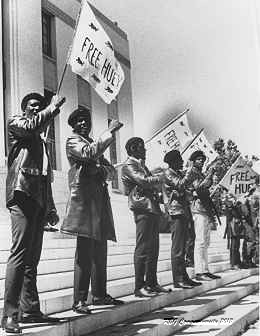
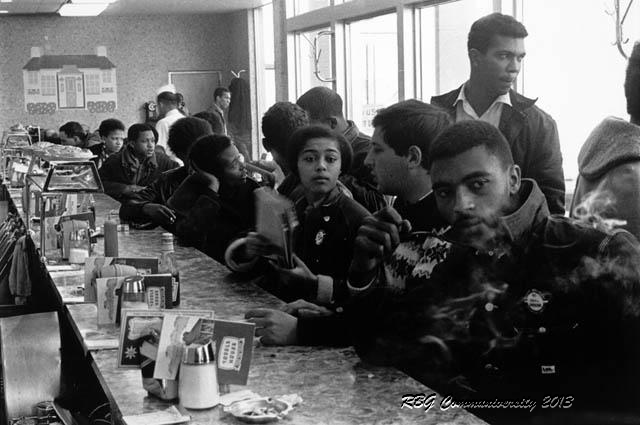
- The book situates Scott-Heron’s life within the broader context of the civil rights movement, the Black Arts Movement, and the socio-political upheaval of the 1960s and 1970s. Baram highlights how these movements influenced Scott-Heron’s work and the themes he explored in his music and poetry.
- The biography emphasizes the significance of Scott-Heron’s voice during a time of social change, reflecting the struggles and aspirations of the Black community.
- Musical Innovation:
- Scott-Heron is recognized for blending various musical genres, including jazz, soul, and blues, with spoken word, creating a unique sound that laid the groundwork for hip-hop. Baram discusses key works like “Pieces of a Man” and “The Revolution Will Not Be Televised,” which showcase his innovative approach to music and his ability to address pressing social issues.
- The book explores how Scott-Heron’s poetic lyrics and rhythmic cadences resonate with the struggles of marginalized communities, making his music both impactful and enduring.
- Personal Struggles:
- A significant focus of the biography is on Scott-Heron’s personal battles with addiction and mental health. Baram provides a candid portrayal of how these struggles affected both his personal life and career, leading to periods of decline and resurgence.
- The author reflects on the stigma surrounding addiction and mental illness, contextualizing Scott-Heron’s experiences within a larger societal framework that often fails to support those in need.
- Activism and Social Commentary:
- Scott-Heron used his platform to address issues such as racism, poverty, and inequality. Baram highlights how his work served as a form of activism, using art as a means to provoke thought and inspire change.
- The biography discusses specific songs and performances that exemplify Scott-Heron’s commitment to social justice, illustrating how he challenged audiences to confront uncomfortable truths about society.
- Legacy and Influence:
- The impact of Scott-Heron’s work extends beyond his lifetime, influencing a generation of artists in hip-hop and beyond. Baram examines how contemporary musicians cite Scott-Heron as an inspiration, underscoring his role in shaping the narrative of socially conscious music.
- The book also explores Scott-Heron’s posthumous recognition and the resurgence of interest in his work, particularly in light of today’s social justice movements.
- Complex Personal Relationships:
- Baram delves into Scott-Heron’s relationships with family, friends, and collaborators, providing insight into how these connections shaped his identity and artistry. The personal dynamics of his life often intersected with his creative output, reflecting the complexities of his character.
- The biography highlights the challenges he faced in maintaining relationships, particularly as his struggles with addiction intensified.
- The Evolution of Identity:
- Throughout the biography, there is a focus on Scott-Heron’s evolving identity as an artist and activist. Baram traces the changes in his work over the decades, illustrating how his experiences and societal changes influenced his voice and message.
- The exploration of identity also touches on themes of masculinity, vulnerability, and the artist’s role in society, providing a nuanced understanding of Scott-Heron as both a public figure and a private individual.
Conclusion
“Gil Scott-Heron: Pieces of a Man” is a compelling and multifaceted biography that honors the life and legacy of Gil Scott-Heron. Marcus Baram’s thorough research and engaging narrative illuminate Scott-Heron’s contributions to music and culture, as well as the personal challenges he faced throughout his life. By weaving together themes of activism, musical innovation, and personal struggle, the book offers a rich portrait of an artist whose work continues to resonate in contemporary discussions of race, justice, and the power of art.
Baram’s biography serves as both an homage to Scott-Heron’s enduring influence and a reminder of the complexities inherent in the lives of artists who seek to effect change through their work. It invites readers to engage with Scott-Heron’s legacy and consider the ongoing relevance of his messages in today’s world, emphasizing the importance of art as a vehicle for social commentary and transformation.

“Gil Scott-Heron: Pieces of a Man” by Marcus Baram_eBook
Pop the documents out from the upper right to read / expand / download.


































 RBG Communiversity: Message 2 Da Grassroots
You must be logged in to post a comment.