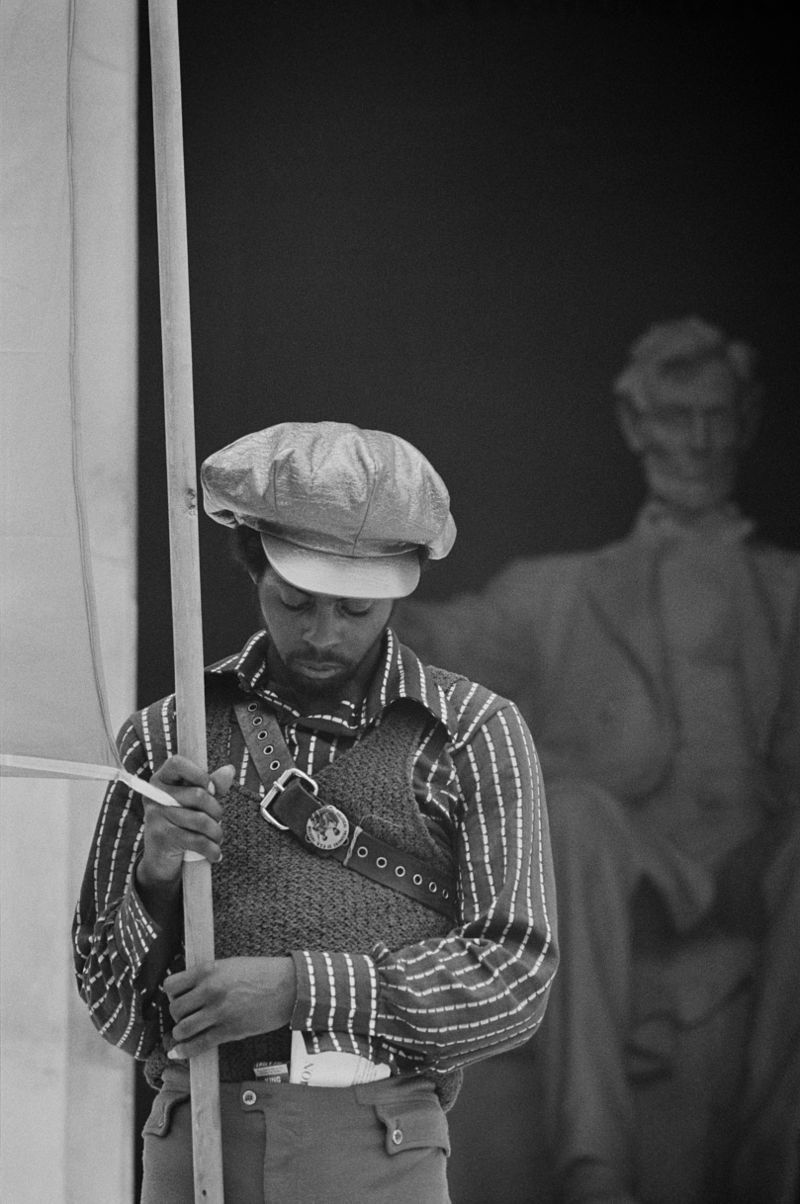
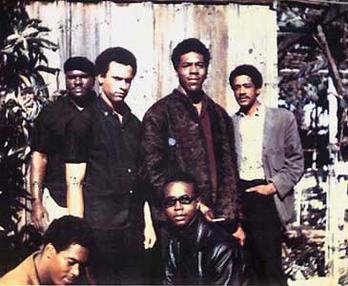
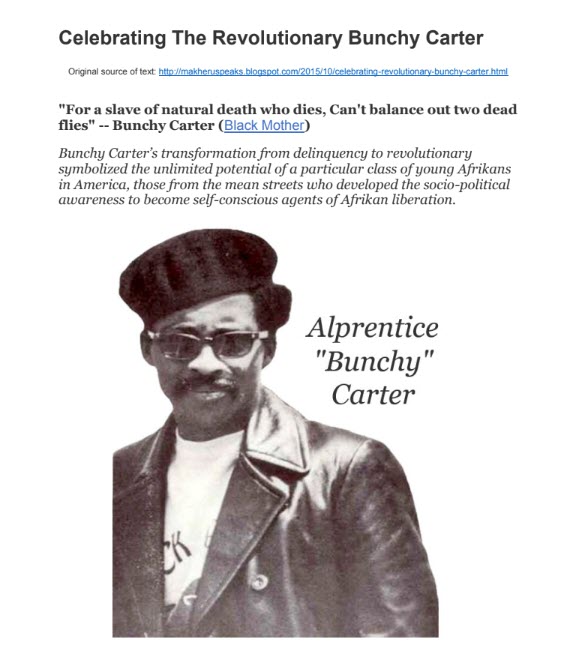
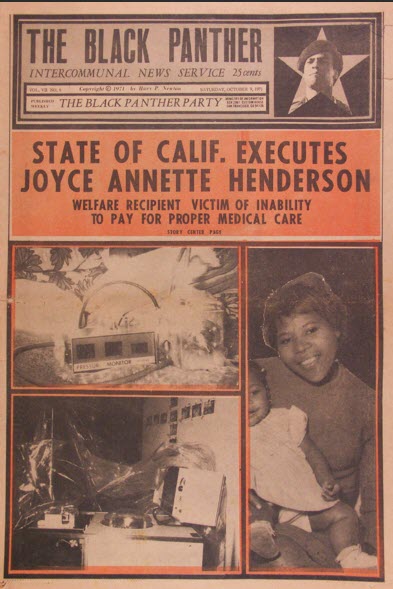
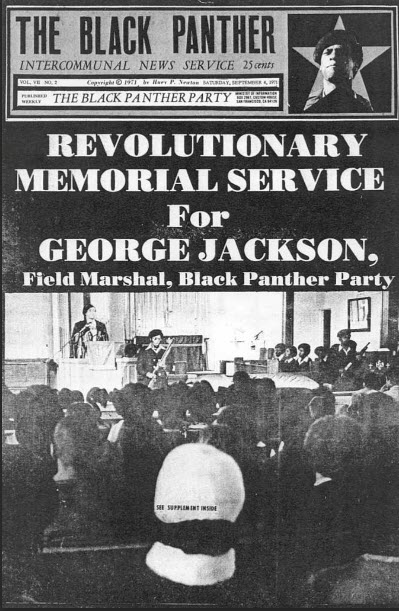
The Black Panthers: Portraits from an Unfinished Revolution by Bryan Shih ad Yohuru Williams Introduction by Peniel E. Joseph_eBook and Audiobook with BPP Newspapers (1969)

Book Summary

“The Black Panthers: Portraits from an Unfinished Revolution” by Bryan Shih and Yohuru Williams, with an introduction by Peniel E. Joseph, offers a comprehensive exploration of the Black Panther Party (BPP) through a unique blend of visual art and historical narrative. The book features a rich collection of photographs, personal stories, and essays that highlight the experiences and contributions of the Panthers, while also examining their legacy and impact on civil rights and social justice movements.

The outline that follows provides a structured approach to understanding the various facets of the Black Panther Party as presented in the book, emphasizing both historical context and contemporary relevance.

  • Introduction by Peniel E. Joseph
    • Contextual background of the Black Panther Party
    • Significance of the BPP in the civil rights movement
    • Overview of the book’s themes and objectives
  • Chapter 1: Formation of the Black Panther Party
    • Origins and founding members
    • Key ideologies and principles
    • Initial goals and objectives
  • Chapter 2: Community Programs and Activism
    • Overview of community outreach initiatives
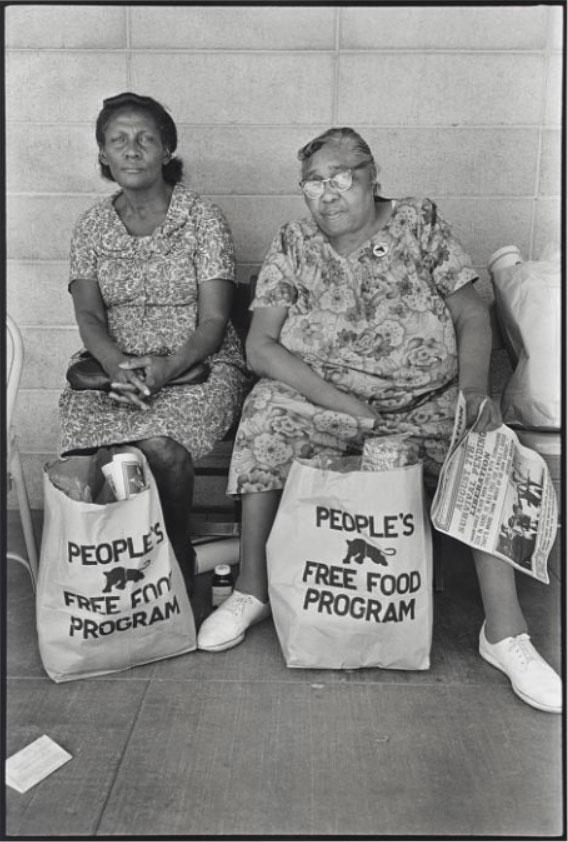
    • Health clinics, food programs, and education
    • Impact on local communities
  • Chapter 3: Cultural and Artistic Expression
    • Role of art and culture in the BPP
    • Contributions of artists and musicians
    • Influence of Black culture on the movement
  • Chapter 4: Media Representation and Misrepresentation
    • Coverage of the BPP in mainstream media
    • Challenges faced by the party in the media landscape
    • Strategies used by the Panthers to control their narrative
  • Chapter 5: Internal Conflicts and Challenges
    • Leadership struggles and factionalism
    • Impact of government surveillance and infiltration
    • Evolving strategies and responses to external pressures
  • Chapter 6: Legacy and Influence on Modern Movements
    • Lasting impact of the BPP on contemporary activism
    • Connections to current social justice movements
    • Reflection on the ongoing struggle for racial equality
  • Conclusion
    • Recap of the BPP’s historical significance
    • The importance of remembering and understanding the BPP’s legacy
    • Call to action for future generations

 The Black Panthers: Portraits from an Unfinished Revolution_eBook

Pop the documents out from the upper right to read / expand / download.

 The Black Panthers: Portraits from an Unfinished Revolution_Audiobook

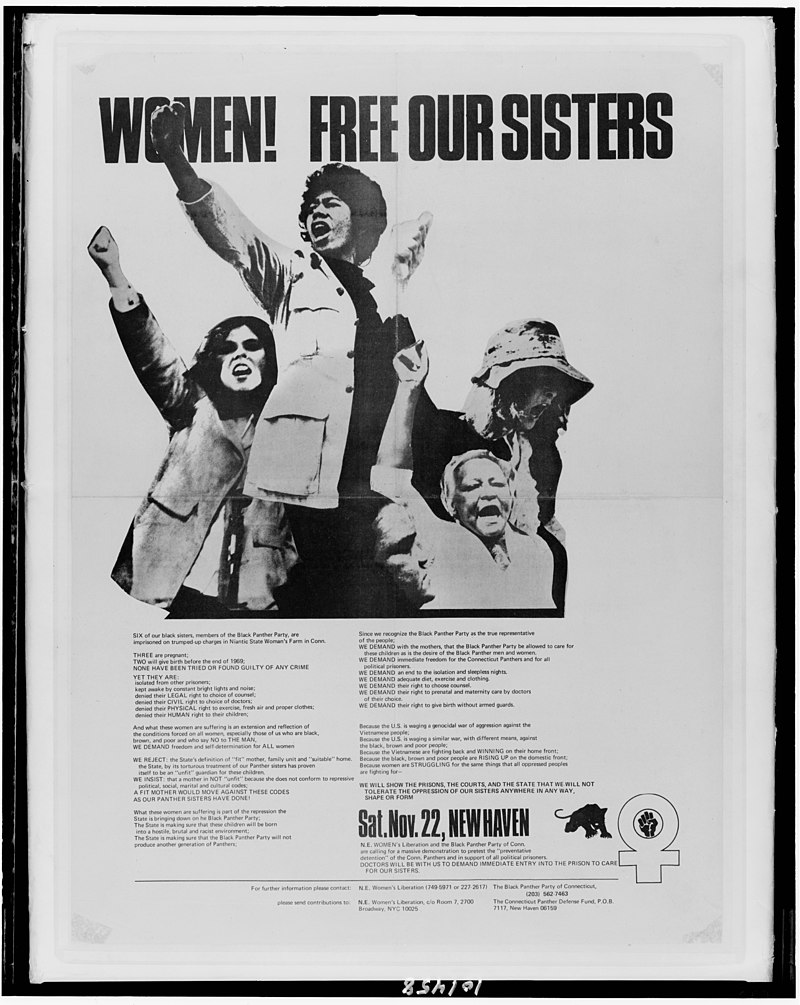
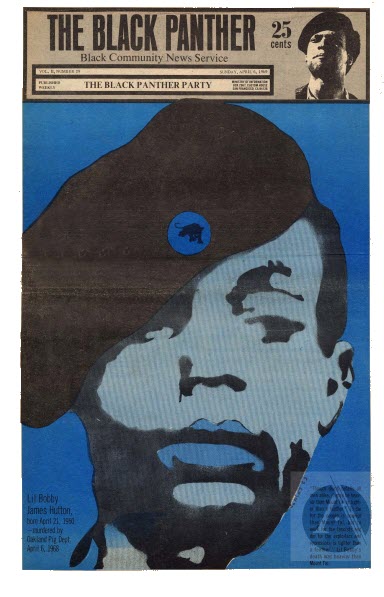
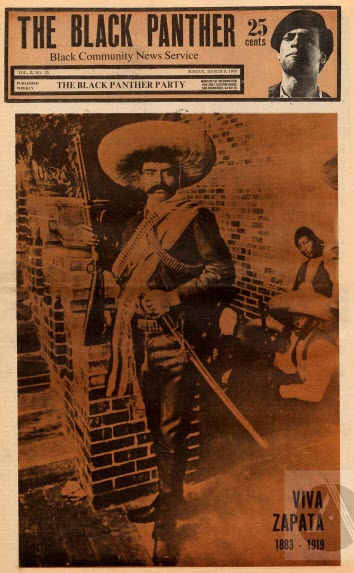
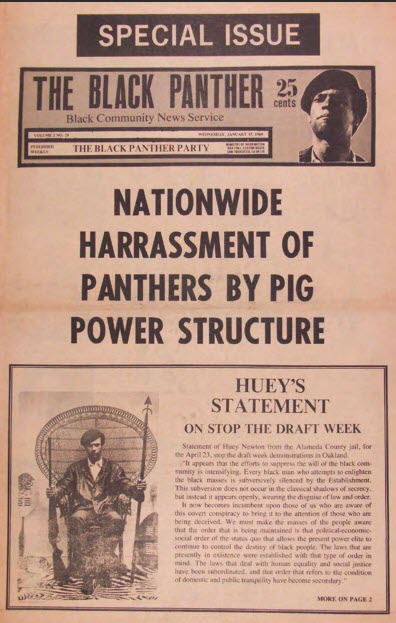
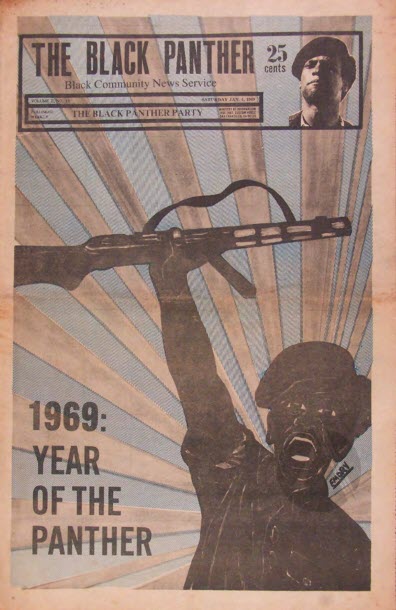
BPP Newspapers (1969)

Click to Open

Learn more in RBG Communiversity Knowledge Media eLibrary:

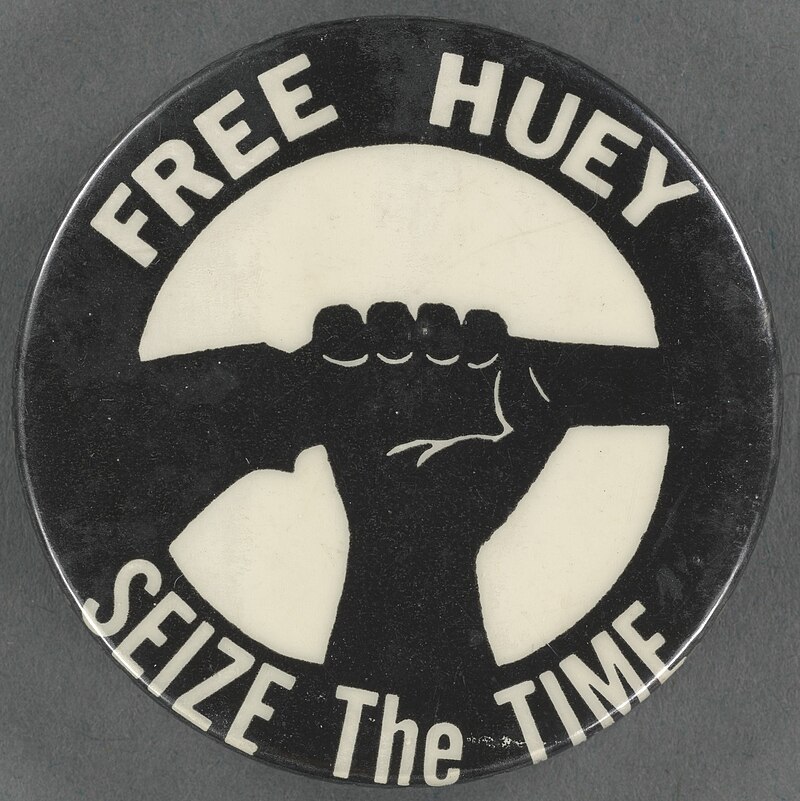
Seize the Time, by Bobby Seale: The Story of the Black Panther Party and Huey P. Newton_eBook and Audiobook mp4 Player

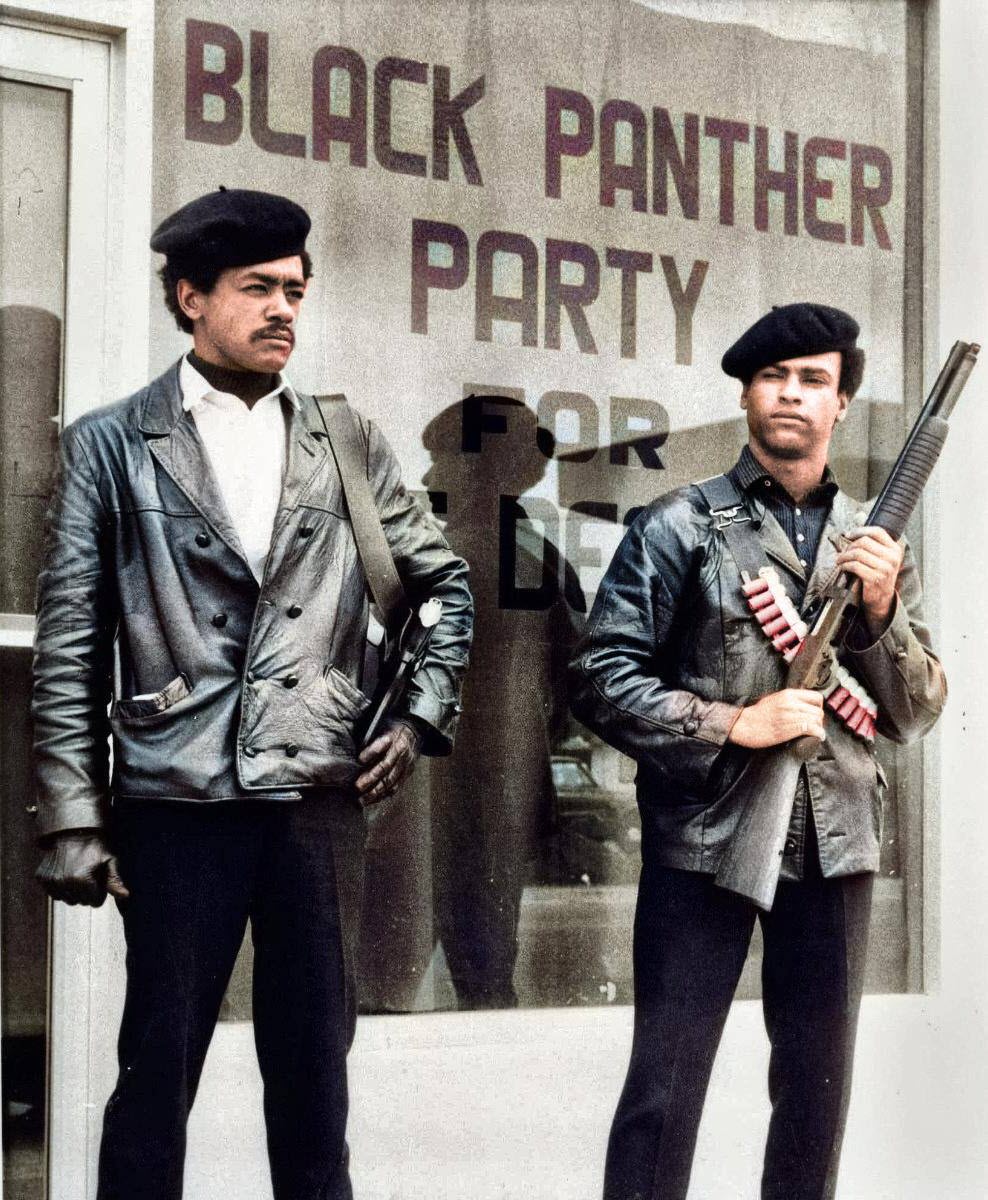
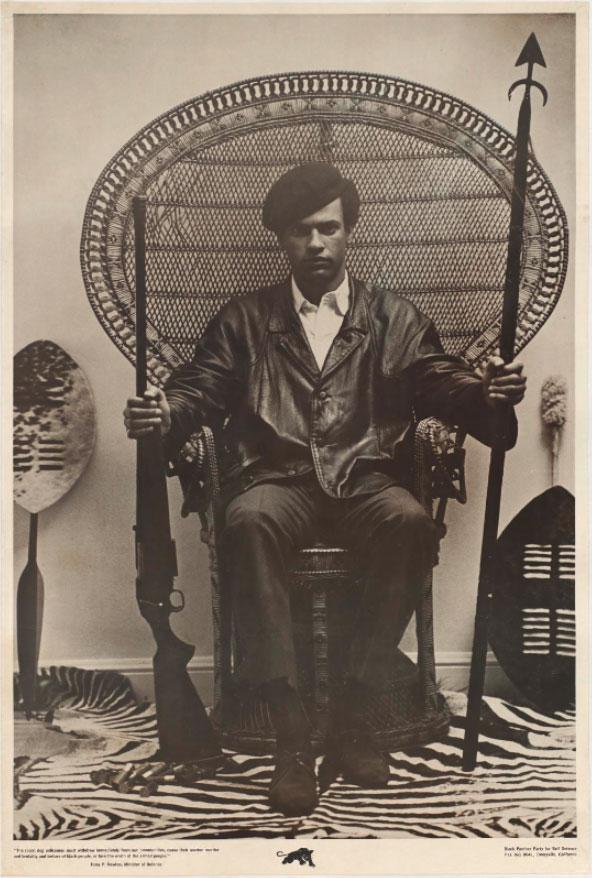
BPP Founders_Bobby Seale and Huey P. Newton

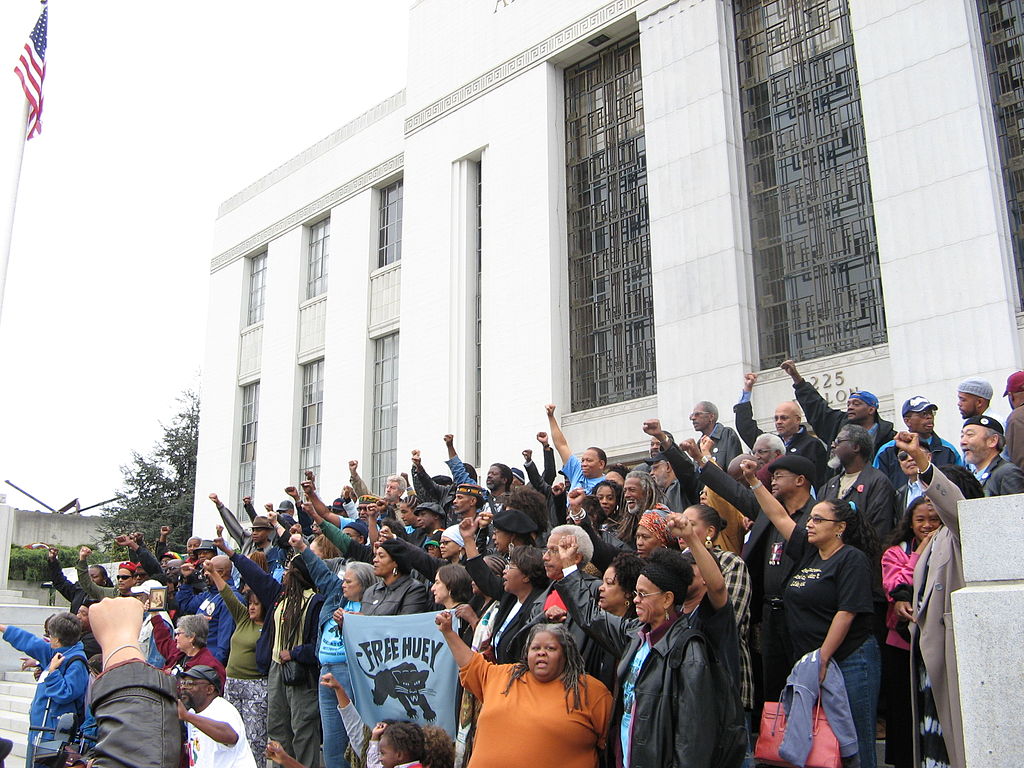
SlideShow Photo Credits: National Museum of African American History and Culture (The Black Panther Party: Challenging Police and Promoting Social Change); Black Panther Party Wiki; BPP Newspaper Covers

Book Summary

“Seize the Time: The Story of the Black Panther Party and Huey P. Newton” by Bobby Seale is an autobiographical account that offers an insider’s perspective on the founding and development of the Black Panther Party (BPP). Written during a tumultuous period in American history, Seale reflects on the political climate of the 1960s, the motivations behind the formation of the BPP, and the organization’s efforts to combat systemic racism and social injustice. The book not only details the struggles and achievements of the BPP but also emphasizes the importance of community activism, self-defense, and the fight for civil rights. Through personal anecdotes and historical context, Seale provides a nuanced understanding of the party’s impact on American society and its legacy.

The outline that follows captures the main themes and structure of “Seize the Time,” highlighting Bobby Seale’s personal narrative and the historical significance of the Black Panther Party. The book serves as an important resource for understanding the complexities of civil rights activism and the lasting impact of the BPP on American society.

I. Introduction

  • Overview of the book’s purpose: to recount the history of the Black Panther Party and its significance
  • Introduction to Bobby Seale and his role as a co-founder of the BPP
  • The socio-political context of the 1960s in America

II. Early Life and Influences

  • Seale’s background and upbringing in a segregated America
  • Key influences that shaped his political consciousness
  • The impact of the civil rights movement on Seale and his peers

III. Formation of the Black Panther Party

  • The founding of the BPP in Oakland, California, in 1966
  • Collaboration with Huey P. Newton and the development of the party’s philosophy
  • The initial goals and objectives of the BPP, including self-defense and community empowerment

IV. Community Programs and Activism

  • Overview of the BPP’s community service programs (e.g., free breakfast for children, health clinics)
  • The emphasis on education and political consciousness-raising in the community
  • Examples of grassroots activism and organizing efforts

V. Confrontation with Law Enforcement

  • Examination of the BPP’s encounters with law enforcement and government agencies
  • The significance of the armed patrols and the right to self-defense
  • Discussion of key events, such as police raids and the party’s response to violence

VI. National Impact and Growth

  • The expansion of the BPP beyond Oakland and its influence on other cities
  • The role of media in shaping public perception of the BPP
  • Notable figures within the party and their contributions to its mission

VII. Internal Challenges and Conflicts

  • Exploration of internal conflicts within the BPP, including leadership struggles and ideological differences
  • The impact of external pressures, including surveillance and repression by the FBI and other agencies
  • The eventual decline of the BPP and the factors contributing to its challenges

VIII. Legacy and Reflection

  • Seale’s reflections on the legacy of the Black Panther Party and its relevance today
  • The ongoing struggle for civil rights and social justice in contemporary America
  • The importance of community activism and grassroots organizing in effecting change

IX. Conclusion

  • Summary of key themes and insights from the book
  • Reflection on the importance of understanding the BPP’s history and its contributions to social justice
  • A call to action for future generations to continue the fight for equality and justice

“Seize the Time: The Story of the Black Panther Party and Huey P. Newton” by Bobby Seale is a crucial work that provides an intimate and detailed account of the Black Panther Party (BPP), its founding, and its mission to address systemic racism and social injustice in America. Seale, as a co-founder of the BPP, offers firsthand insights into the struggles and triumphs of the organization, as well as the broader civil rights movement of the 1960s. Here’s a deeper exploration of the key themes, insights, and narratives presented in the book:

Key Themes and Insights

  1. Historical Context:
    • Seale places the formation of the Black Panther Party within the broader context of the civil rights movement and the societal upheavals of the 1960s. He details the systemic injustices faced by African Americans, including police brutality, economic inequality, and educational disparities, which motivated the creation of the BPP.
    • The historical backdrop helps readers understand the urgency and necessity of the BPP’s mission to advocate for self-defense and community empowerment.
  2. Founding Principles of the BPP:
    • The book outlines the core principles and philosophies that guided the BPP, including the right to self-defense, the importance of community service, and the need for political education. Seale emphasizes that the BPP was not just a reaction to violence but a proactive movement aimed at upliftment and empowerment.
    • The party’s Ten-Point Program, which outlined their demands for justice, equality, and community control, is discussed in detail as a framework for their activism.
  3. Community Engagement and Activism:
    • Seale highlights the various community programs initiated by the BPP, such as free breakfast programs for children, health clinics, and educational initiatives. These programs were designed to address immediate needs within the community and empower individuals through education and resources.
    • The emphasis on community service illustrates the party’s commitment to improving the lives of African Americans and fostering a sense of solidarity and self-determination.
  4. Confrontations with Law Enforcement:
    • The book details the BPP’s confrontations with law enforcement, including armed patrols to monitor police activity and protect community members. Seale describes the legal and political implications of these actions, emphasizing the BPP’s stance on self-defense and civil rights.
    • Key incidents, such as police raids and the assassination of party members, are recounted to illustrate the dangers faced by the BPP and the systemic violence directed at Black activists.
  5. Media Representation:
    • Seale discusses the role of the media in shaping public perceptions of the Black Panther Party. He critiques the sensationalized coverage that often portrayed the BPP as a violent organization, overshadowing its community efforts and political objectives.
    • The impact of media narratives on the party’s reputation and the challenges of combating misinformation are significant themes in the book.
  6. Internal Struggles and Challenges:
    • The biography does not shy away from addressing the internal conflicts within the BPP, including leadership disputes, ideological differences, and the effects of external pressures from government surveillance and infiltration. Seale reflects on how these challenges affected the unity and effectiveness of the organization.
    • The struggles faced by the BPP serve as a reminder of the complexities of grassroots movements and the difficulties inherent in maintaining solidarity among diverse voices.
  7. Legacy and Relevance:
    • In the conclusion, Seale reflects on the enduring legacy of the Black Panther Party and its relevance to contemporary social justice movements. He emphasizes that the fight for equality and justice is ongoing, and the principles established by the BPP continue to inspire activists today.
    • The book encourages readers to engage with the lessons learned from the BPP’s experiences and to recognize the importance of community activism and political engagement in the pursuit of justice.

Conclusion

“Seize the Time” is more than a historical account; it is a powerful testament to the resilience and determination of a movement that sought to address systemic oppression and empower marginalized communities. Bobby Seale’s insights provide a unique perspective on the Black Panther Party’s efforts, challenges, and impact on American society.

Through personal anecdotes and historical analysis, Seale crafts a narrative that invites readers to reflect on the complexities of social justice activism and the importance of grassroots organizing. The book serves as a vital resource for understanding the struggles faced by the Black Panther Party and the ongoing fight for civil rights, urging future generations to continue the work of building a more just and equitable society.

Seize the Time, by Bobby Seale_Audiobook mp4 Player

12 Video Playlist

Seize the Time_eBook

Pop the documents out from the upper right to read / expand / download.

Learn more in RBG Communiversity Knowledge Media eLibrary:

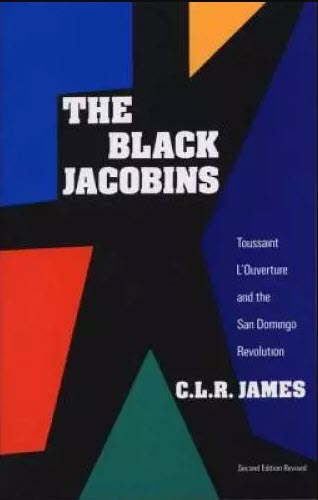
The Black Jacobins: Toussaint L’Ouverture and the San Domingo Revolution_eBook and Audiobook with Confronting Black Jacobins, Dr. Gerald Horne (eBook and Auiobook) and The Black Jacobins Reader

Last Updated 12-15-2024

Book Summary

“The Black Jacobins” is a historical account by C.L.R. James that explores the Haitian Revolution (1791-1804) and the role of its leader, Toussaint L’Ouverture. The book examines the interplay of class, race, and power in the struggle for Haitian independence from French colonial rule. James presents a detailed narrative of the events leading to the revolution, the complexity of the social dynamics involved, and the impact of the revolution on the wider world. Through the lens of L’Ouverture’s life and leadership, the book highlights the struggle for freedom and equality, making it a significant work in the study of history, race, and revolution.

The following outline encapsulates the major themes and structure of C.L.R. James’s seminal work, emphasizing the significance of the Haitian Revolution and its leader in the context of world history.

Outline of “The Black Jacobins”

  • Introduction
    • Context of the Haitian Revolution
    • Importance of Toussaint L’Ouverture
    • Themes of race, class, and revolution
  • Part I: The Setting
    • Colonialism in Saint-Domingue
      • Overview of the plantation economy
      • Social hierarchy: whites, free people of color, and enslaved people
    • Influence of the French Revolution
      • Impact of Enlightenment ideas
      • The rise of revolutionary sentiments
  • Part II: The Revolution Begins
    • Initial uprisings of enslaved people
    • Toussaint L’Ouverture’s early involvement
    • Key figures in the revolution
    • The role of external forces (France, Britain, Spain)
  • Part III: Toussaint L’Ouverture’s Leadership
    • Rise to power and political strategies
    • Military campaigns and tactics
    • Balancing alliances with France and other powers
    • Vision for Haiti and abolition of slavery
  • Part IV: Internal Conflicts
    • Tensions among revolutionary leaders
    • Class divisions within the revolutionary movement
    • The challenge of governance and social order
  • Part V: The Fall of Toussaint
    • Betrayal and capture by the French
    • Impact of his leadership on the revolution’s course
    • The rise of Jean-Jacques Dessalines and others
  • Conclusion: The Legacy of the Revolution
    • Outcomes of the Haitian Revolution
    • Influence on global movements for freedom and equality
    • Reflections on race and colonialism

The Black Jacobins_eBook

A classic and impassioned account of the first revolution in the Third World.This powerful, intensely dramatic book is the definitive account of the Haitian Revolution of 1794-1803, a revolution that began in the wake of the Bastille but became the model for the Third World liberation movements from Africa to Cuba. It is the story of the French colony of San Domingo, a place where the brutality of master toward slave was commonplace and ingeniously refined. And it is the story of a barely literate slave named Toussaint L’Ouverture, who led the black people of San Domingo in a successful struggle against successive invasions by overwhelming French, Spanish, and English forces and in the process helped form the first independent nation in the Caribbean.

Pop the documents out from the upper right to read / expand / download.

The Black Jacobins_Audiobook

Confronting Black Jacobins, Dr. Gerald Horne_eBook

Book Summary

“Confronting Black Jacobins” by Dr. Gerald Horne is an exploration of the historical context and implications of the Haitian Revolution, focusing on the revolutionary figures, particularly Toussaint L’Ouverture, and the broader impact on the Atlantic world.

The following overview and outline provides a structured capsule of the major themes and topics discussed in “Confronting Black Jacobins,” highlighting Dr. Horne’s analysis of the Haitian Revolution and its lasting significance.

Overview

  • Historical Context: The book situates the Haitian Revolution within the larger scope of the Atlantic slave trade and the French Revolution.
  • Key Figures: It examines the lives and contributions of important figures, especially Toussaint L’Ouverture, and their roles in challenging colonial power.
  • Impact of the Revolution: Horne discusses the implications of Haiti’s independence for slavery, colonialism, and race relations in the Americas and Europe.
  • Racial Dynamics: The narrative addresses the intersection of race, class, and revolution, highlighting how these elements influenced the struggle for freedom.
  • Legacy and Memory: The book reflects on how the Haitian Revolution has been remembered and misremembered in historical narratives.

Outline

  1. Introduction
    • Overview of the Haitian Revolution
    • Significance in world history
  2. Historical Background
    • The Atlantic slave trade and its impact
    • The role of colonial powers, especially France
  3. Key Figures
    • Toussaint L’Ouverture
      • Early life and rise to power
      • Military strategies and leadership
    • Other notable leaders
      • Jean-Jacques Dessalines
      • Henri Christophe
  4. The Revolution Begins
    • Factors leading to the uprising
    • Initial revolts and their suppression
  5. French Revolution Influence
    • Connection to the French Revolution
    • Ideological underpinnings and inspirations
  6. International Reactions
    • Responses from colonial powers
    • The impact on slave societies in the Americas
  7. Struggles for Control
    • Internal conflicts among revolutionary leaders
    • The role of external forces, including the U.S. and Britain
  8. Haiti’s Independence
    • Declaration of independence and its significance
    • Immediate consequences for Haiti and the region
  9. Legacy of the Haitian Revolution
    • Influence on abolitionist movements
    • Ongoing struggles for racial equality and social justice
  10. Conclusion
    • Reflection on the memory of the Haitian Revolution
    • Its relevance to contemporary issues of race and freedom

Confronting Black Jacobins, Dr. Gerald Horne_Audiobook

Audio start in earnest (Introduction) and corresponds to page 8 of the above Reader.

Part 1

Part 2

The Black Jacobins Reader

Containing a wealth of new scholarship and rare primary documents, The Black Jacobins Reader provides a comprehensive analysis of C. L. R. James’s classic history of the Haitian Revolution. In addition to considering the book’s literary qualities and its role in James’s emergence as a writer and thinker, the contributors discuss its production, context, and enduring importance in relation to debates about decolonization, globalization, postcolonialism, and the emergence of neocolonial modernity. The Reader also includes the reflections of activists and novelists on the book’s influence and a transcript of James’s 1970 interview with Studs Terkel.

Learn more in RBG Communiversity Knowledge Media eLibrary:

SUPPLEMENTAL: CLR JAMES VS MARCUS GARVEY

Remember: Pop the documents out from the upper right to read / expand / download.

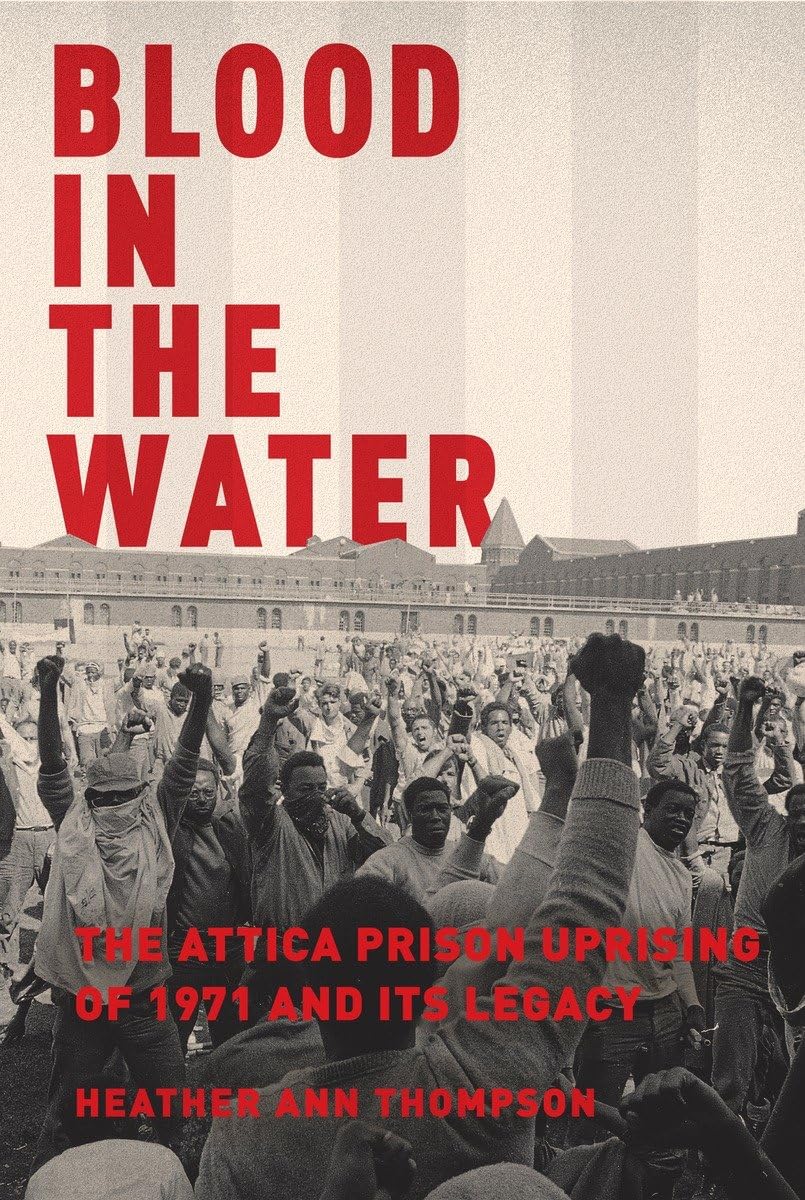
Blood in the Water: The Attica Prison Uprising of 1971 and Its Legacy, by  Heather Ann Thompson_eBook and Audiobook, with RBG Attica is All of Us Viedo Player

Book Summary

“Blood in the Water” offers a detailed account of the Attica prison uprising, which occurred in September 1971, and its aftermath. The book explores the conditions that led to the rebellion, the events during the uprising, the violent retaking of the prison, and the long-lasting implications for the American prison system and civil rights. Thompson combines extensive research, including firsthand accounts, legal documents, and archival materials, to present a comprehensive narrative that highlights the struggles for justice and the fight against systemic racism within the prison system.

This outline provides a structured view of the book’s contents, highlighting the key themes and events that Thompson addresses in her exploration of the Attica prison uprising and its lasting effects on amerikkkan society.

  1. Introduction
    • Historical context of Attica prison
    • Overview of the prison conditions in the 1970s
    • Significance of the uprising in American history
  2. Chapter 1: Background of the Prison System
    • Description of Attica’s conditions
    • Overview of inmates’ grievances
    • Racial dynamics within the prison
  3. Chapter 2: The Uprising Begins
    • Timeline of events leading to the rebellion
    • Key figures involved in the uprising
    • Initial demands of the inmates
  4. Chapter 3: The Hostage Crisis
    • Hostage situations and negotiations
    • Media coverage and public perception
    • The role of prison officials and state authorities
  5. Chapter 4: The Retaking of Attica
    • Government response and planning
    • The violent retaking of the prison
    • Casualties and injuries during the retaking
  6. Chapter 5: Aftermath of the Uprising
    • Legal repercussions for inmates and officials
    • Impact on the families of hostages and inmates
    • Public and political response to the violence
  7. Chapter 6: The Legacy of Attica
    • Changes in prison policies and practices
    • Ongoing issues of prison reform and justice
    • Influence on future movements for inmates’ rights
  8. Chapter 7: Reflections on Justice and Accountability
    • Analysis of systemic racism in the prison system
    • The importance of remembering Attica’s legacy
    • Calls for continued activism and reform
  9. Conclusion
    • Summary of key themes and insights
    • Relevance of the Attica uprising in contemporary society
    • Final thoughts on justice and human rights

Blood in the Water: The Attica Prison Uprising of 1971 and Its Legacy_eBook

On September 9, 1971, nearly 1,300 prisoners took over the Attica Correctional Facility in upstate New York to protest years of mistreatment. Holding guards and civilian employees hostage, the prisoners negotiated with officials for improved conditions during the four long days and nights that followed.
On September 13, the state abruptly sent hundreds of heavily armed troopers and correction officers to retake the prison by force. Their gunfire killed thirty-nine men—hostages as well as prisoners—and severely wounded more than one hundred others. In the ensuing hours, weeks, and months, troopers and officers brutally retaliated against the prisoners. And, ultimately, New York State authorities prosecuted only the prisoners, never once bringing charges against the officials involved in the retaking and its aftermath and neglecting to provide support to the survivors and the families of the men who had been killed.
Drawing from more than a decade of extensive research, historian Heather Ann Thompson sheds new light on every aspect of the uprising and its legacy, giving voice to all those who took part in this forty-five-year fight for justice: prisoners, former hostages, families of the victims, lawyers and judges, and state officials and members of law enforcement. Blood in the Water is the searing and indelible account of one of the most important civil rights stories of the last century.

Pop the documents out from the upper right to read / expand / download.

Blood in the Water: The Attica Prison Uprising of 1971 and Its Legacy_Audiobook

Part 1

Audio start in earnest (Introduction @ 5 mins. 20 sec.) and corresponds to page 11 of the above Reader.

Part 2

RBG Attica is All of Us Viedo Player

Learn more in RBG Communiversity Knowledge Media eLibrary:

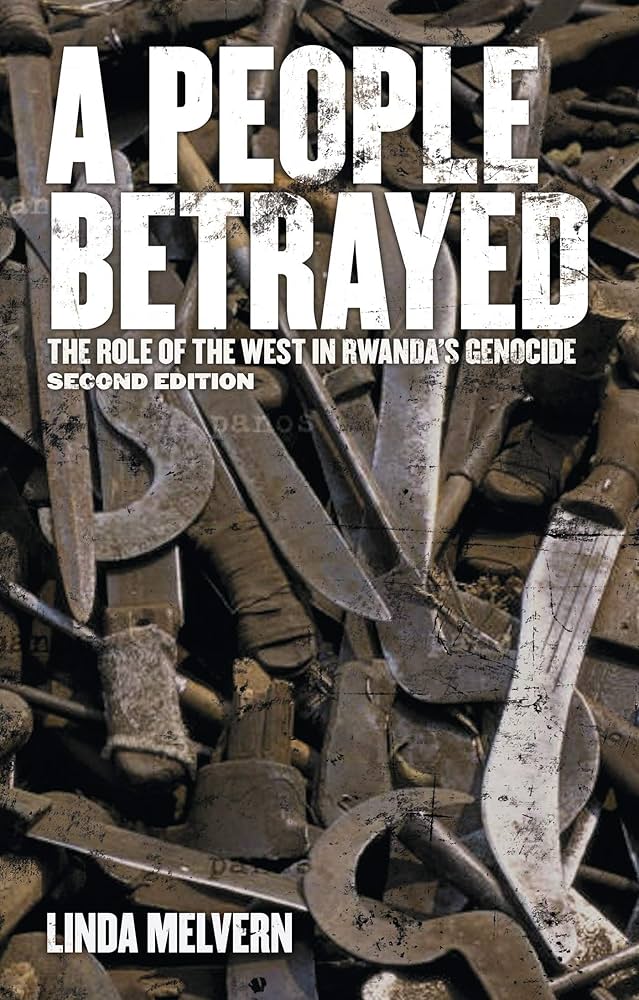
A People Betrayed: The Role of the West in Rwanda’s Genocide by Linda Melvern_eBook and Audiobook, with Supplemental_Rwanda: A Nation Resilient in the Aftermath of Genocide, by Samuel Totten

Book Summary

“A People Betrayed: The Role of the West in Rwanda’s Genocide” by Linda Melvern offers a critical analysis of the international community’s failure to prevent and respond to the Rwandan genocide that occurred in 1994. The book examines the political, social, and historical contexts that led to the genocide, focusing on the complicity and inaction of Western governments and organizations. Melvern argues that the West’s neglect and misguided policies significantly contributed to the scale of the tragedy, highlighting the moral responsibilities of the international community in the face of human rights atrocities.

Essential Themes and Historical Context:

  1. Introduction to the Rwandan Genocide
    • Overview of the genocide and its historical significance
    • Introduction to the themes of betrayal and complicity
  2. Historical Background
    • Exploration of Rwanda’s colonial history and ethnic tensions
    • The impact of Belgian colonialism on Hutu-Tutsi relations
    • Key events leading up to the genocide, including the civil war
  3. The Build-Up to Genocide
    • Analysis of the political climate in Rwanda in the early 1990s
    • The role of propaganda and hate speech in inciting violence
    • Examination of the Rwandan Patriotic Front (RPF) and its goals
  4. International Response and Inaction
    • Evaluation of the United Nations’ involvement prior to and during the genocide
    • Critique of Western governments’ policies and actions (or lack thereof)
    • Discussion on the role of NGOs and humanitarian organizations
  5. The Genocide Unfolds
    • Detailed account of the events during the genocide from April to July 1994
    • Personal testimonies and narratives of survivors
    • Examination of the tactics used by perpetrators and the scale of violence
  6. Consequences of Inaction
    • Analysis of the aftermath of the genocide and its global implications
    • The long-term effects on Rwandan society and regional stability
    • Discussion of accountability and justice for the perpetrators
  7. Lessons Learned and Unlearned
    • Reflection on the lessons from the Rwandan genocide for international relations
    • Examination of how the genocide has influenced humanitarian intervention policies
    • Critique of the ongoing failures to address similar crises worldwide
  8. Conclusion
    • Summary of key arguments and insights from Melvern’s analysis
    • Call for recognition of moral responsibility in preventing future genocides

A People Betrayed: The Role of the West in Rwanda’s Genocide_eBook

In Rwanda in 1994 one million people were killed in a planned, public and political campaign. For six years Linda Melvern has worked on the story of this horrendous crime, and this book, a classic piece of investigative journalism, is the result. Its new and startling information has the making of an international scandal. The book contains a full narrative account of how the genocide unfolded and describes its scale, speed and intensity. And the book provides a terrible indictment, not just of the UN Security Council, but even more so of governments and individuals who could have prevented what was happening but chose not to do so. Drawing on a series of in-depth interviews, the author also tells the story of the unrecognized heroism of those who stayed on during the genocide – volunteer UN peacekeepers, their Force Commander the Canadian Lt.-General Romeo A. Dallaire, and Philippe Gaillard, the head of a delegation of the International Committee of the Red Cross, helped by medical teams from Medecins Sans Frontieres. The international community, which fifty years ago resolved that genocide never happened again, not only failed to prevent it happening in Rwanda, but, as this book shows, international funds intended to help the Rwandan economy actually helped to create the conditions that made the genocide possible. Documents held in Kigali, the Rwandan capital, as well as hitherto unpublished evidence of secret UN Security Council deliberations in New York, reveal a shocking sequence of events.
What happened in Rwanda shows that despite the creation of an organization set up to prevent a repetition of genocide – for the UN is central to this task – it failed to do so, even when the evidence was indisputable. At a time when increasing attention is being given to the need for UN reform, this book provides evidence to urgently accelerate and focus that process. Only by understanding how and why the genocide happened can there be any hope that this new century will break with the dismal record of the last.

Pop the documents out from the upper right to read / expand / download.

A People Betrayed: The Role of the West in Rwanda’s Genocide_Audiobook

Audio start in earnest (Rwanda Genocide April 1994 @ 4 mins. 55 sec.) and corresponds to page 14 of the above Reader.

Part 1

Part 2

Supplemental_Rwanda: A Nation Resilient in the Aftermath of Genocide, by Samuel Totten

Learn more in RBG Communiversity Knowledge Media eLibrary: