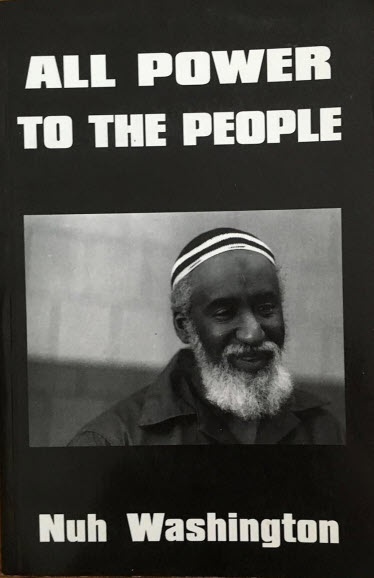
All Power to the People by Albert Nuh Washington, eBook and Audiobook, with Video Education Player

ICEBREAKER VIDEO

Pop the document out from the upper right to read / expand / download.

See NY3. The Case of the New York Three.pdf

Book Summary

Overview

“All Power to the People” by Albert Nuh Washington is a significant work that explores the history and impact of the Black Panther Party (BPP) and the broader Black radical movement in the United States. Published in 2002, the book provides an in-depth analysis of the social, political, and economic conditions that gave rise to the BPP, as well as the party’s contributions to the struggle for civil rights and social justice. Washington draws on personal experiences, interviews, and historical narratives to highlight the achievements and challenges faced by the Black Panther Party, offering a critical perspective on its legacy and the continuing relevance of its ideals in contemporary society. The outline and overview that follows provides a structured look at the contents of “All Power to the People” by Albert Nuh Washington.

Outline

I. Introduction

  • A. Overview of the Black Panther Party’s significance
  • B. Purpose of the book and its relevance to contemporary social justice movements
  • C. Author’s background and perspective

II. Historical Context

  • A. The civil rights movement and its limitations
    • Key figures and events leading to the rise of the BPP
    • Challenges faced by African Americans in the 1960s
  • B. The influence of Black nationalism and radical thought
    • Connection to earlier movements (e.g., Marcus Garvey, the Nation of Islam)
  • Emergence of the Black Power movement

III. Formation of the Black Panther Party

  • A. Founding members and their motivations
    • Huey P. Newton and Bobby Seale
    • Key ideological influences
  • B. Development of the party’s platform and goals
    • The Ten-Point Program
  • Focus on community empowerment and social justice

IV. Key Activities and Programs

  • A. Community initiatives
    • Free breakfast programs for children
    • Health clinics and education programs
  • B. Armed self-defense and its implications
    • The philosophy of self-defense against police brutality
  • Impact on public perception and law enforcement responses

V. Internal Challenges and Conflicts

  • A. Struggles within the organization
    • Leadership disputes and factionalism
    • The influence of COINTELPRO and government repression
  • B. The impact of external pressures
    • Surveillance and infiltration by law enforcement
  • Media portrayal and public perception of the BPP

VI. Legacy of the Black Panther Party

  • A. Contributions to civil rights and social justice
    • Influence on later movements (e.g., Black Lives Matter)
    • Cultural impact through art, music, and literature
  • B. Ongoing relevance of BPP ideals
    • Discussion of systemic racism and inequality today
  • Calls for community empowerment and social change

VII. Conclusion

  • A. Summary of key themes and insights from the book
  • B. Reflection on the importance of understanding the BPP’s history
  • C. Call to action for continued activism and social justice

“All Power to the People” serves as a vital resource for understanding the history and legacy of the Black Panther Party and the broader struggle for racial and social justice in America. By examining the party’s origins, key initiatives, and challenges, Washington provides valuable insights into the ongoing fight against systemic oppression and the importance of community empowerment. The book encourages readers to reflect on the lessons of the past while inspiring continued activism in the pursuit of equality and justice.

“All Power to the People” is an essential examination of the Black Panther Party (BPP) and its pivotal role in the fight for civil rights and social justice in the United States. Here’s a more detailed exploration of the book’s themes, key figures, historical context, and its significance:

Detailed Exploration of Key Themes

1. Historical Context

  • Civil Rights Movement Limitations: Washington discusses the civil rights movement’s achievements, such as the Civil Rights Act and the Voting Rights Act, while highlighting its limitations in addressing systemic issues like poverty, police brutality, and economic inequality. The urgency for a more radical approach was felt by many African Americans, leading to the rise of the Black Panther Party.
  • Influence of Black Nationalism: The book places the BPP within the wider context of Black Nationalism and the Black Power movement, which emerged in the 1960s as a response to the perceived inadequacies of mainstream civil rights strategies. Washington emphasizes the influence of figures like Marcus Garvey and Malcolm X, who advocated for self-determination and empowerment for Black communities.

2. Formation and Ideology of the Black Panther Party

  • Founding Members: The BPP was founded in 1966 by Huey P. Newton and Bobby Seale in Oakland, California. Washington explores how their backgrounds and experiences shaped their vision for the party, particularly their commitment to armed self-defense against police violence.
  • The Ten-Point Program: A central feature of the BPP’s ideology was its Ten-Point Program, which outlined the party’s demands for justice, equality, and economic empowerment. Washington details each point, which included calls for decent housing, education, and employment, as well as an end to police brutality.

3. Community Programs and Activism

  • Social Initiatives: Washington highlights the BPP’s commitment to community service through programs like free breakfast for children, health clinics, and educational programs. These initiatives were designed to address the immediate needs of African American communities and demonstrate that the BPP was more than just a militant organization.
  • Armed Self-Defense: The book discusses the philosophy of armed self-defense that the BPP adopted in response to police brutality. Washington analyzes how the party’s public displays of armed self-defense were both a statement of empowerment and a catalyst for increased tensions with law enforcement.

4. Internal Struggles and External Pressures

  • Factionalism and Leadership Conflicts: Washington examines internal conflicts within the BPP, particularly the power struggles between different factions. These conflicts were exacerbated by the pressure from law enforcement and the FBI’s Counterintelligence Program (COINTELPRO), which sought to undermine the party through infiltration, disinformation, and surveillance.
  • Government Repression: The book details the various tactics used by law enforcement to suppress the BPP, including arrests, harassment, and violent confrontations. Washington underscores the impact of COINTELPRO in destabilizing the organization and contributing to its decline in the early 1970s.

5. Legacy and Ongoing Relevance

  • Cultural Impact: Washington discusses how the BPP’s ideals and aesthetics influenced music, art, and literature, leaving a lasting mark on African American culture. The party’s imagery and messages of empowerment continue to resonate in contemporary artistic expressions.
  • Influence on Modern Movements: The book draws connections between the BPP and contemporary movements such as Black Lives Matter, highlighting how the party’s focus on systemic injustice and community empowerment laid the groundwork for ongoing activism. Washington calls attention to the continuing struggle against racism, police violence, and inequality.

Significance of the Work

  • Educational Resource: “All Power to the People” serves as an important educational tool for understanding the complexities of the Black Panther Party and the broader Black radical movement. It provides a nuanced perspective that challenges mainstream narratives about the BPP as solely a militant organization.
  • Inspiration for Activism: Washington’s work encourages readers to reflect on the lessons of the past and recognize the importance of grassroots activism in effecting social change. The book emphasizes the need for community engagement and the importance of addressing systemic issues through collective action.
  • Reexamination of History: By providing a detailed account of the BPP’s history and its various programs, Washington invites readers to reconsider the legacy of the Black Panther Party and its contributions to the struggle for civil rights and social justice in America. It challenges readers to acknowledge the complexities of the BPP’s mission and its relevance in contemporary discussions about race and inequality.

Conclusion

“All Power to the People” by Nuh Washington is a vital contribution to the understanding of the Black Panther Party and the Black radical movement in the United States. Through its exploration of historical context, ideology, activism, and legacy, the book highlights the significance of the BPP in shaping the discourse around civil rights and social justice. Washington’s work serves as both a historical account and a call to action, inspiring readers to engage with the ongoing fight for equality and justice in today’s society.

All Power to the People by Albert Nuh Washington, eBook

Pop the document out from the upper right to read / expand / download.

All Power to the People by Albert Nuh Washington, Audiobook

Video Education_All Power To The People The Black Panther Party & Beyond

Learn more in RBG Knowledge Media eLibrary

RBG4Lif Teaching /Learning Tools & Resources

BPM|BLM eBooks 

BPM|BLM Audiobooks

The Crimes of Empire: The History and Politics of an Outlaw Nation by Carl Boggs_eBook and Audiobook

Book Summary

“The Crimes of Empire: The History and Politics of an Outlaw Nation” critically analyzes the foreign policy of the United States, asserting that the U.S. operates as an “outlaw nation” that frequently disregards international laws and norms. Boggs examines the historical roots of American imperialism, the influences of corporate interests, and the patterns of militarism and violence that characterize U.S. actions on the global stage. Through a comprehensive exploration of these themes, the book aims to shed light on the motivations behind U.S. foreign policy decisions and their implications for global peace and justice.

“The outline that follows captures the key themes and structure of ‘The Crimes of Empire: The History and Politics of an Outlaw Nation’ , highlighting the critical examination of U.S. foreign policy as an expression of imperialism, the influence of corporate interests, the patterns of militarism and violence, and the ideological narratives that justify America’s actions on the global stage.”

I. Introduction

  • A. Concept of the “Outlaw Nation”
  • B. Objectives and scope of the book
  • C. Significance of critiquing U.S. foreign policy

II. Historical Context of U.S. Imperialism

  • A. Foundations of American Imperialism
    • Manifest Destiny and territorial expansion
    • The impact of the Spanish-American War
  • B. Cold War Interventions
    • Strategies of containment and military interventions
  • Proxy wars and regime change initiatives

III. Corporate Influence on Foreign Policy

  • A. Interplay between Corporations and State Power
    • The role of multinational corporations in shaping policy
    • Economic motivations behind interventions
  • B. Case Studies
    • Oil interests in the Middle East
  • Mining and resource extraction in Latin America

IV. Patterns of Militarism and Violence

  • A. Military Interventions
    • Justifications for military actions
    • Effects on civilian populations and stability
  • B. Human Rights Violations
    • Examination of war crimes and accountability
  • Torture and abuses in conflict zones

V. Ideological Underpinnings of U.S. Actions

  • A. Rhetoric of Democracy and Freedom
    • Humanitarian intervention as a pretext
    • Critique of liberal imperialism
  • B. American Exceptionalism
    • Historical context and implications for foreign policy
  • Challenges to the exceptionalism narrative

VI. Contemporary Challenges in U.S. Foreign Policy

  • A. The War on Terror
    • Military actions and justifications since 9/11
    • Global security implications and consequences
  • B. Diplomatic Relations
    • Tensions with Russia and China
  • Effects of sanctions and isolationist policies

VII. Alternatives and Paths Forward

  • A. Vision for a New Global Order
    • Building international solidarity and grassroots movements
    • Emphasizing diplomacy over militarism
  • B. Advocating for Just Foreign Policy
    • Principles of accountability and transparency
  • Role of civil society in influencing policy

VIII. Conclusion

  • A. Recap of key insights and arguments
  • B. Urgency of re-evaluating U.S. foreign policy
  • C. Call to action for a more equitable global framework

“The Crimes of Empire: The History and Politics of an Outlaw Nation” provides an in-depth critique of U.S. foreign policy, examining the historical patterns, ideological motivations, and consequences of American actions on the global stage. Here’s a more detailed exploration of the key themes and insights presented in the book:

Key Themes and Insights

1. Concept of the “Outlaw Nation”

  • Definition: Boggs posits that the United States operates as an “outlaw nation,” meaning it frequently engages in actions that violate international law, norms, and principles of sovereignty. This characterization challenges the conventional view of the U.S. as a promoter of democracy and human rights.
  • Implications: The label suggests a need to critically assess U.S. foreign policy actions and their impact on global stability, justice, and human rights.

2. Historical Context of U.S. Imperialism

  • Manifest Destiny: Boggs traces the roots of American imperialism back to the 19th century, where the ideology of Manifest Destiny justified territorial expansion across North America. This expansion often involved the displacement and subjugation of Indigenous populations.
  • Spanish-American War: The 1898 conflict marked a significant turning point, as the U.S. began to assert its influence beyond its borders, acquiring territories such as Puerto Rico and the Philippines. Boggs argues that this was an early manifestation of imperial ambitions.

3. Cold War Dynamics

  • Containment Strategy: During the Cold War, the U.S. adopted a strategy of containment against communism, leading to military interventions and support for authoritarian regimes that aligned with American interests. Boggs examines the ideological justification for these actions, often framed as necessary for global security.
  • Proxy Conflicts: The U.S. engaged in numerous proxy wars, supporting regimes and insurgencies in various regions to counter Soviet influence. This often resulted in human rights abuses and long-term destabilization in affected countries.

4. Corporate Influence on Foreign Policy

  • Economic Motives: Boggs highlights the significant role of multinational corporations in shaping U.S. foreign policy, arguing that economic interests often drive military interventions. He explores how corporate lobbying and investments influence decision-making at the highest levels of government.
  • Resource Exploitation: Case studies, particularly in the oil and mining sectors, illustrate how U.S. actions are frequently motivated by the desire to secure access to valuable resources, often at the expense of local populations and environments.

5. Militarism and Violence

  • Military Interventions: The book critiques the frequent use of military force by the U.S. as a tool of foreign policy, questioning the justifications provided for these interventions. Boggs highlights the devastating consequences for civilian populations and the long-term impacts on global peace.
  • Human Rights Violations: Boggs addresses the issue of accountability for war crimes and human rights violations committed during U.S.-led conflicts. He emphasizes the need for recognition and redress for affected communities.

6. Ideological Frameworks

  • Rhetoric of Freedom: The author critiques the use of humanitarian intervention and the promotion of democracy as justifications for military action. He argues that these narratives often mask the underlying imperial motives and lead to further conflict.
  • American Exceptionalism: Boggs examines the concept of American exceptionalism, which posits that the U.S. has a unique role in promoting democracy and freedom. He argues that this narrative can hinder critical reflection on the harmful impacts of U.S. policies abroad.

7. Contemporary Challenges

  • Post-9/11 Foreign Policy: The book analyzes the ramifications of the War on Terror, initiated after the September 11 attacks. Boggs discusses how this has led to prolonged military engagements and a shift in U.S. foreign policy toward more aggressive postures.
  • Geopolitical Tensions: Boggs explores current tensions with nations like Russia and China, emphasizing how U.S. policies can provoke conflict and undermine international stability.

8. Alternatives and Solutions

  • New Global Order: Boggs advocates for a reimagining of international relations that prioritizes diplomacy, cooperation, and grassroots movements over militarism and imperialism. He calls for a shift towards policies that respect sovereignty and promote social justice.
  • Role of Civil Society: The book emphasizes the importance of civil society in holding governments accountable and advocating for a just foreign policy. Boggs encourages collective action and solidarity among nations to challenge imperial practices.

Conclusion

Carl Boggs’ “The Crimes of Empire” provides a thorough and critical examination of U.S. foreign policy, exposing the complexities and contradictions inherent in America’s role on the world stage. By analyzing historical patterns, corporate influences, and ideological motivations, the book challenges readers to reconsider the narratives surrounding U.S. actions and their implications for global peace and justice. Boggs’ work serves as a call to action for a more equitable and responsible approach to international relations, emphasizing the need for accountability and a commitment to the principles of sovereignty and human rights.

The Crimes of Empire: The History and Politics of an Outlaw Nation _eBook

Pop the documents out from the upper right to read / expand / download.
The Crimes of Empire: The History and Politics of an Outlaw Nation _Audiobook

Part 1

Book starts in ernest with the Foreward (@ 3:00 mins. and corresponds to page 8 of the above reader. )

Part 2

Learn more in RBG Communiversity Knowledge Media eLibrary

A Different Hunger: Writings on Black Resistance by A. Sivanandan_eBook and Audiobook,with IRR50: The influence of A. Sivanandan’s ideas

A collection of Sivanandan’s work charting the history of post war black struggles against British racism

Book Summary

“A Different Hunger: Writings on Black Resistance” by A. Sivanandan is a collection of essays and writings that explore the complexities of Black resistance movements and the broader struggles against racism, colonialism, and oppression. Sivanandan, a prominent Sri Lankan-born activist, writer, and thinker, draws on his experiences and observations to examine the intersections of race, identity, and resistance. The book reflects on the historical context of Black struggles in the diaspora, the impact of systemic racism, and the ongoing fight for justice and equality. Through his thought-provoking analysis, Sivanandan calls for solidarity among marginalized communities and emphasizes the importance of understanding the roots of resistance in the fight against oppression.

The outline that follows captures the key themes and structure of A. Sivanandan’s “A Different Hunger: Writings on Black Resistance.” The book serves as a significant contribution to the discourse on race, resistance, and social justice, highlighting the importance of understanding the historical and contemporary struggles faced by Black communities around the world. Through his writings, Sivanandan emphasizes the need for solidarity and collective action in the fight against oppression and inequality.

I. Introduction

  • A. Purpose of the book
  • B. Overview of A. Sivanandan’s background and activism
  • C. Importance of understanding Black resistance in contemporary society

II. Historical Context of Black Resistance

  • A. The legacy of colonialism and its impact on Black communities
  • B. Historical examples of Black resistance movements
    • The civil rights movement in the United States
    • Anti-colonial struggles in Africa and the Caribbean
  • C. The evolution of Black identity and consciousness

III. Theoretical Framework

  • A. Concepts of race and racism
    • Definitions and distinctions between systemic and individual racism
    • The role of intersectionality in understanding oppression
  • B. The significance of diasporic identities
    • Connections between global Black struggles
  • The impact of migration on identity formation

IV. Contemporary Issues in Black Resistance

  • A. The role of grassroots movements
    • Case studies of contemporary Black activism
    • The influence of social media on mobilization
  • B. The intersection of race and class
    • Economic inequalities faced by Black communities
  • The importance of addressing class struggles alongside racial justice
  • C. Global dimensions of Black resistance
    • Solidarity with other marginalized groups
  • International perspectives on race and resistance

V. Reflections on Solidarity and Collective Action

  • A. The importance of building coalitions
    • Historical examples of effective solidarity among marginalized communities
    • Strategies for fostering collaboration across movements
  • B. The role of education and political consciousness
    • The necessity of historical awareness in activism
  • Approaches to fostering political engagement among youth

VI. Conclusion

  • A. Summary of key themes and insights
  • B. Call to action for continued resistance and solidarity
  • C. Vision for a more equitable and just society

A. Sivanandan’s “A Different Hunger: Writings on Black Resistance” is a compelling collection that delves deeply into the complexities of Black resistance movements throughout history and in contemporary society. Here’s a more detailed exploration of the key themes, insights, and implications presented in the book:

Detailed Exploration of Key Themes

1. Historical Context of Black Resistance

  • Colonial Legacy: Sivanandan examines the enduring impact of colonialism on Black communities, both in Africa and within the diaspora. He discusses how colonial histories have shaped racial identities and fueled resistance movements. By tracing the roots of systemic racism, he provides a foundational understanding of the challenges faced by Black individuals and communities.
  • Resistance Movements: The book highlights significant historical resistance movements, such as the civil rights movement in the United States and anti-colonial struggles across Africa and the Caribbean. Sivanandan emphasizes that these movements were not isolated events but part of a broader struggle against oppression and injustice, showcasing the interconnectedness of Black resistance globally.

2. Theoretical Framework

  • Understanding Race and Racism: Sivanandan offers a nuanced analysis of race and racism, distinguishing between systemic and individual forms of racism. He explores how systemic racism is embedded in societal structures, institutions, and policies, perpetuating inequalities and injustices.
  • Intersectionality: The book discusses the importance of intersectionality in understanding the experiences of Black individuals, emphasizing that race intersects with other identities, such as class, gender, and sexuality. This framework allows for a more comprehensive understanding of the complexities of oppression and resistance.
  • Diasporic Identities: Sivanandan explores the significance of diasporic identities in shaping Black resistance. He highlights how migration and the experiences of living in different contexts contribute to the formation of unique identities and solidarity among Black communities worldwide.

3. Contemporary Issues in Black Resistance

  • Grassroots Movements: The book showcases contemporary grassroots movements that have emerged in response to systemic racism and social injustice. Sivanandan highlights the role of organizations and activists in mobilizing communities and raising awareness on issues such as police brutality, economic inequality, and environmental justice.
  • Social Media and Mobilization: Sivanandan addresses the transformative impact of social media on activism, particularly how it has facilitated the organization, communication, and mobilization of protests. He discusses how platforms like Twitter and Instagram have become vital tools for raising awareness and fostering solidarity.
  • Intersection of Race and Class: The author stresses the need to address the intersection of race and class in the fight for justice. He argues that economic disparities faced by Black communities must be recognized and tackled alongside racial issues to create a more equitable society.

4. Reflections on Solidarity and Collective Action

  • Building Coalitions: Sivanandan emphasizes the importance of solidarity among marginalized groups. He provides historical examples of successful coalitions that have effectively challenged oppression, illustrating how collective action can amplify voices and drive change.
  • Political Consciousness: The book underscores the role of education in fostering political consciousness among individuals, particularly youth. Sivanandan advocates for a historical understanding of struggles for justice, arguing that awareness of past movements can inspire and inform current activism.

5. Vision for the Future

  • Call to Action: Sivanandan concludes with a powerful call to action, urging readers to remain engaged in the fight against oppression and to support movements for social justice. He emphasizes that the struggle for Black resistance is ongoing and requires continued commitment and solidarity.
  • Hope for Change: Despite the challenges outlined throughout the book, Sivanandan maintains an optimistic vision for the future, advocating for a more inclusive and just society. He envisions a world where marginalized voices are heard, and systemic inequalities are dismantled.

Implications and Legacy

  • Contribution to Race Discourse: “A Different Hunger” adds significant depth to the discourse on race and resistance, providing valuable insights into the historical and contemporary struggles faced by Black communities. Sivanandan’s work encourages critical reflection on the ongoing impacts of colonialism and systemic racism.
  • Influence on Activism: The book serves as a resource for activists and scholars alike, offering frameworks and strategies for understanding and addressing racial injustices. It highlights the importance of intersectionality and solidarity in contemporary resistance movements.
  • Encouragement for Future Generations: Sivanandan’s writings inspire future generations to engage in activism and advocacy for social justice. His emphasis on education and political consciousness serves as a reminder of the power of informed and organized action in challenging oppression.

Conclusion

In summary, A. Sivanandan’s “A Different Hunger: Writings on Black Resistance” is a vital contribution to the understanding of Black resistance movements, their historical context, and contemporary implications. Through his insightful analysis, Sivanandan highlights the complexities of race, identity, and systemic oppression while calling for solidarity and collective action in the ongoing fight for justice. The book not only illuminates the struggles faced by Black communities but also serves as a rallying cry for continued resistance and hope for a more equitable future.

A Different Hunger: Writings on Black Resistance_eBook

Pop the documents out from the upper right to read / expand / download.

A Different Hunger: Writings on Black Resistance_Audiobook

IRR50: The influence of A. Sivanandan’s ideas (Institute of Race Relations)

5 Video Playlist

Learn more in RBG Communiversity Knowledge Media eLibrary:

No Surrender: Writings From An Anti-Imperialist Political Prisoner by David Gilbert_eBook and Audiobook, with Supplemental_David Gilbert’s Message to the 2021 Columbia University Reunion

Last Updated 04-27-2024

Book Summary

“No Surrender: Writings From An Anti-Imperialist Political Prisoner” by David Gilbert is a collection of essays, letters, and reflections from the author, who is a former member of the Weather Underground Organization. The book captures Gilbert’s thoughts and experiences during his imprisonment, highlighting his commitment to anti-imperialism, social justice, and revolutionary politics. Through his writings, Gilbert examines the nature of state power, the struggles for liberation, and the importance of solidarity among oppressed peoples. His reflections provide insight into the broader context of political activism, the prison industrial complex, and the fight against imperialism, making it a significant contribution to contemporary political discourse.

The outline that follows captures the key themes and structure of David Gilbert’s “No Surrender: Writings From An Anti-Imperialist Political Prisoner.” The book serves as a powerful testament to the resilience of political prisoners and the ongoing struggles for justice and liberation. Gilbert’s writings reflect a deep commitment to anti-imperialism, solidarity, and revolutionary change, making it an important contribution to contemporary political thought and activism.

I. Introduction

  • A. Purpose of the book
  • B. Overview of David Gilbert’s background and activism
  • C. Importance of anti-imperialist struggle in contemporary politics

II. Personal Reflections

  • A. Experiences as a political prisoner
    • Life in prison and its challenges
    • The impact of incarceration on personal beliefs and activism
  • B. The role of writing in maintaining political consciousness
    • Reflection as a tool for resistance
  • The importance of intellectual engagement while incarcerated

III. Anti-Imperialism and Revolutionary Politics

  • A. Definition and principles of anti-imperialism
    • Historical context of imperialism
    • Links between imperialism and capitalism
  • B. The significance of revolutionary movements
    • Case studies of global liberation struggles
  • Lessons learned from past revolutionary efforts

IV. The Prison Industrial Complex

  • A. Examination of the U.S. prison system
    • Historical development of mass incarceration
    • Racial and economic disparities in imprisonment
  • B. The role of prisons in maintaining state power
    • Analysis of how prisons serve the interests of capitalism
  • The impact of incarceration on communities and social movements

V. Solidarity and Collective Action

  • A. The importance of solidarity among oppressed groups
    • Building coalitions across movements
    • Historical examples of successful solidarity efforts
  • B. Strategies for effective collective action
    • Organizing tactics and community engagement
  • The role of education and awareness in fostering solidarity

VI. Political Analysis and Critique

  • A. Critique of U.S. foreign policy and imperialism
    • Analysis of specific policies and their impacts
    • The consequences of imperialist actions on global populations
  • B. Reflection on the revolutionary potential of marginalized communities
    • The role of grassroots movements in driving change
  • Vision for a more equitable and just society

VII. Conclusion

  • A. Summary of key themes and insights
  • B. Call to action for readers and activists
  • C. Vision for continuing the struggle against imperialism and for social justice

“No Surrender: Writings From An Anti-Imperialist Political Prisoner” is a profound exploration of political activism, anti-imperialism, and the experiences of being incarcerated as a political prisoner. Here’s a deeper look at the key themes, insights, and implications presented in the book:

Detailed Exploration of Key Themes

1. Personal Reflections

  • Experiences of Incarceration: Gilbert shares his firsthand experiences as a political prisoner, providing readers with an intimate look at life behind bars. He discusses the psychological and emotional challenges of imprisonment, including isolation and the struggle to maintain a sense of purpose and identity while incarcerated.
  • Writing as Resistance: Throughout the book, Gilbert emphasizes the importance of writing as a means of maintaining political consciousness and resilience. His reflections illustrate how writing serves not only as a personal outlet but also as a tool for engaging with broader political struggles and sharing knowledge with others.

2. Anti-Imperialism and Revolutionary Politics

  • Understanding Anti-Imperialism: Gilbert defines anti-imperialism as a critical response to the oppressive practices of powerful nations that exploit and dominate less powerful countries. He contextualizes this within the historical framework of colonialism and contemporary global politics, arguing that imperialism is deeply intertwined with capitalism.
  • Lessons from Revolutionary Movements: The book includes analyses of various revolutionary movements around the world, examining their strategies, successes, and failures. Gilbert draws lessons from these movements, emphasizing the need for solidarity and cooperation among oppressed peoples to achieve liberation.

3. The Prison Industrial Complex

  • Mass Incarceration: Gilbert critiques the U.S. prison system, detailing how mass incarceration disproportionately affects marginalized communities, particularly people of color. He explores the historical roots of this phenomenon and its ongoing consequences for society.
  • Prisons as Tools of Control: The book discusses how the prison industrial complex serves to uphold state power and reinforce societal inequalities. Gilbert argues that prisons are not just sites of punishment but also mechanisms for maintaining social order and capitalist interests.

4. Solidarity and Collective Action

  • Building Solidarity Among Movements: Gilbert stresses the importance of solidarity among various social justice movements, advocating for coalitions across racial, economic, and ideological lines. He highlights historical examples where solidarity has led to significant progress and change.
  • Strategies for Activism: The book provides insights into effective organizing strategies, emphasizing the need for grassroots engagement, education, and community-building. Gilbert encourages readers to become active participants in the struggle for justice and to seek out opportunities for collective action.

5. Political Analysis and Critique

  • Critique of U.S. Imperialism: Gilbert offers a critical analysis of U.S. foreign policy and its imperialist undertones. He discusses specific instances of military intervention and exploitation, highlighting the human costs of these actions on affected populations.
  • Revolutionary Potential of Marginalized Communities: The book underscores the importance of recognizing the agency of marginalized communities in driving change. Gilbert argues that these communities possess the potential to lead revolutionary movements and challenge oppressive systems.

Implications and Legacy

  • Continuity of Struggles: Gilbert’s writings illustrate the ongoing nature of struggles against imperialism and oppression. He connects historical movements with contemporary issues, urging readers to recognize the continuity of these struggles.
  • Call for Awareness and Action: The book serves as a rallying cry for activists and individuals to engage critically with their surroundings and take action against injustice. Gilbert emphasizes the need for awareness of systemic inequalities and the importance of collective mobilization.
  • Educational Resource: “No Surrender” functions as an important resource for those seeking to understand the intersections of incarceration, imperialism, and activism. It provides valuable insights and historical context for contemporary social justice movements.

Conclusion

In conclusion, David Gilbert’s “No Surrender: Writings From An Anti-Imperialist Political Prisoner” is a powerful and thought-provoking work that challenges readers to confront issues of imperialism, incarceration, and social justice. Through his reflections and analyses, Gilbert highlights the importance of resilience, solidarity, and collective action in the fight against oppression. His experiences as a political prisoner enrich the narrative, offering a unique perspective on the struggles for liberation and justice. The book is a compelling call to action, urging individuals and communities to engage in the ongoing fight for a more equitable and just world.

No Surrender: Writings From An Anti-Imperialist Political Prisoner by David Gilbert_eBook

Pop the documents out from the upper right to read / expand / download.

No Surrender: Writings From An Anti-Imperialist Political Prisoner by David Gilbert_Audiobook

Reading starts in eearnest @ 7 min, 30 sec (Foward) and corresponds with page 10 of the above reader.

Part 1

Part 2

David Gilbert’s Message to the 2021 Columbia University Reunion

A co-founder of the Columbia University chapter of Students for a Democratic Society in 1966, and a leading antiwar and anti-imperialist activist since before that, David Gilbert is one of the few remaining US political prisoners from that period still incarcerated after almost 40 years. This, despite no direct ties to the harming of any person, a completely clean and nonviolent prison record, and support for his immediate, unconditional release from prominent Nobel Peace laureates including Archbishop Desmond Tutu, from M.K. Gandhi’s grand-daughter and Rev. Dr. Martin Luther King Jr.’s daughter, and from the heads of the Episcopal Church, USA, the Presbyterian Church, Pax Christi International Catholic peace movement, and many others. This presentation by David to the 2021 Columbia University reunion was facilitated by IPRA Secretary General Matt Meyer, a long-standing friend of Gilbert’s who also works with friendsofdavidgilbert.org

Learn more in RBG Communiversity Knowledge Media eLibrary:

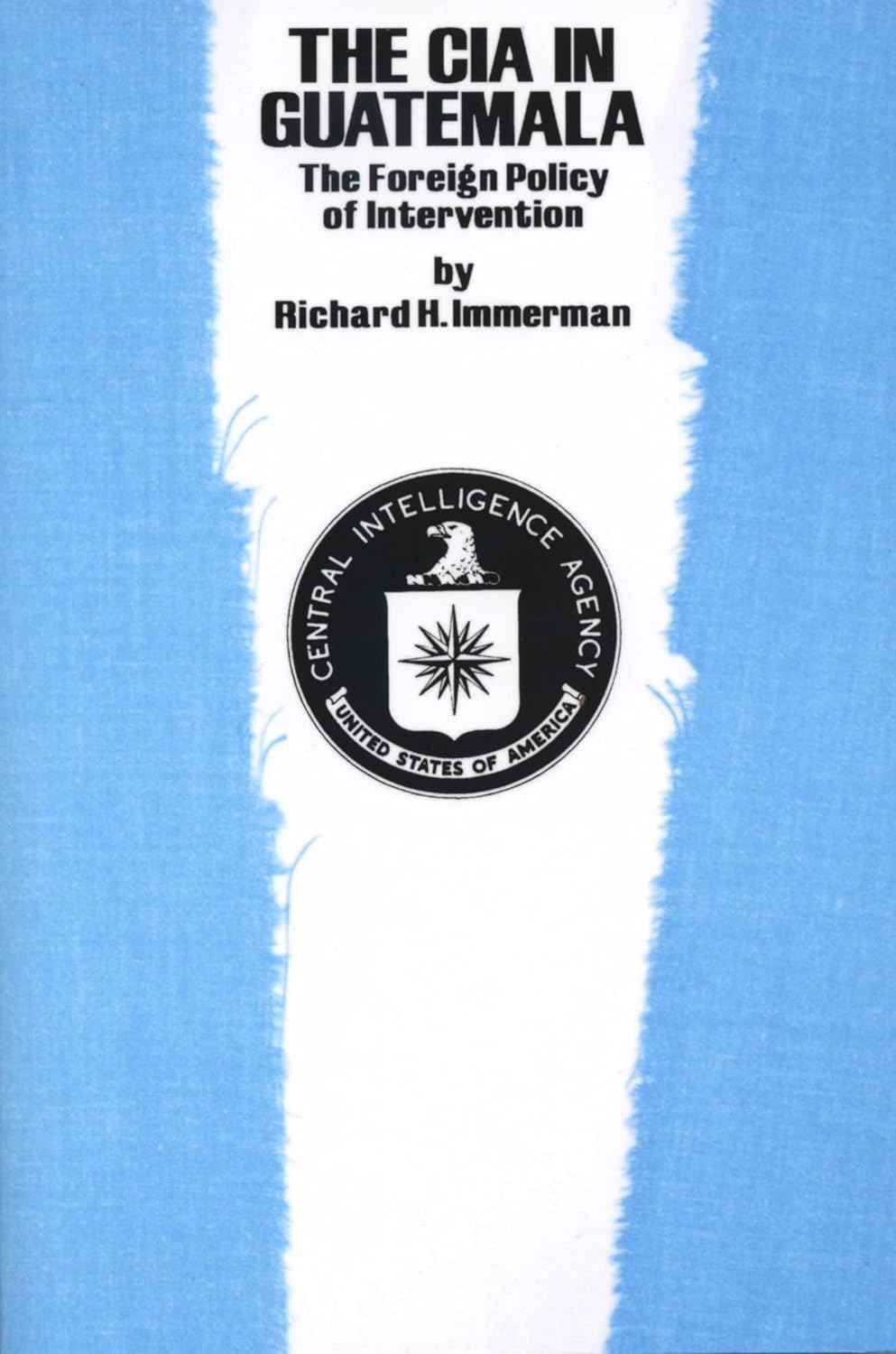
The CIA in Guatemala: The Foreign Policy of Intervention by Richard H. Immerman_eBook and Audiobook, with The CIA in Guatemala Video Education Player

Using documents obtained through the Freedom of Information Act, recently opened archival collections, and interviews with the actual participants, Immerman provides us with a definitive, powerfully written, and tension-packed account of the United States’ clandestine operations in Guatemala and their consequences in Latin America today.

Book Summary

“The CIA in Guatemala: The Foreign Policy of Intervention” by Richard H. Immerman provides a comprehensive analysis of the United States’ covert operations in Guatemala during the early Cold War period, particularly the CIA’s involvement in the overthrow of the democratically elected President Jacobo Árbenz in 1954. Immerman explores the political, economic, and ideological motivations behind U.S. intervention, the impact of the coup on Guatemala’s political landscape, and the broader implications for U.S. foreign policy in Latin America. The book combines historical narrative with critical analysis, shedding light on the complexities of American interventionism.

The outline that follows captures the essential themes and structure of Richard H. Immerman’s “The CIA in Guatemala: The Foreign Policy of Intervention.” The book serves as an important historical document that not only recounts the events surrounding the 1954 coup but also critically examines the motivations and consequences of U.S. intervention in Guatemala, providing valuable insights into the complexities of Cold War foreign policy.

I. Introduction

  • A. Overview of U.S. involvement in Guatemala
  • B. Importance of the 1954 coup in the context of Cold War foreign policy
  • C. Objectives of the book

II. Historical Context

  • A. Political landscape of Guatemala before the coup
    • Overview of colonial history and socio-economic conditions
    • Rise of Jacobo Árbenz and his reform agenda
  • B. U.S. interests in Guatemala
    • Economic interests, particularly regarding the United Fruit Company
  • Strategic concerns during the Cold War

III. The Rise of Jacobo Árbenz

  • A. Political reforms and land redistribution policies
    • Agrarian reform and its implications
    • Opposition from conservative elites and foreign interests
  • B. The perception of Árbenz as a communist threat
    • Cold War ideology and fears of communism in Latin America
  • U.S. intelligence assessments and misinterpretations

IV. Planning the Coup

  • A. CIA’s role in orchestrating the coup
    • Formation of Operation PBSUCCESS
    • Key players involved in the planning and execution
  • B. Psychological warfare and propaganda
    • Use of media and misinformation to undermine Árbenz
  • Mobilizing support from local elites and military

V. The 1954 Coup

  • A. Execution of the coup on June 27, 1954
    • Overview of military actions and key events
    • Impact on Árbenz and his government
  • B. Immediate aftermath and reactions
    • Responses from the Guatemalan populace
  • International reaction and implications for U.S. foreign policy

VI. Consequences of the Intervention

  • A. Political instability in Guatemala
    • Rise of military regimes and authoritarianism
    • Long-term effects on democracy and governance
  • B. Human rights violations and civil conflict
    • Escalation of violence and repression against dissent
  • Legacy of the Guatemalan civil war
  • C. Broader implications for U.S. foreign policy in Latin America
    • Shifts in interventionist strategies
  • Influence on future U.S. actions in the region

VII. Conclusion

  • A. Summary of key findings and arguments
  • B. Reflection on the impact of U.S. intervention in Guatemala
  • C. Lessons learned for contemporary foreign policy

Richard H. Immerman’s “The CIA in Guatemala: The Foreign Policy of Intervention” is a critical examination of one of the most significant covert operations in U.S. history. Here’s a more detailed exploration of the book’s key themes, context, and implications:

Detailed Exploration of Key Themes

1. Historical Context

  • Colonial Legacy and Socio-Economic Conditions: Immerman sets the stage by detailing Guatemala’s colonial history, which laid the groundwork for deep social and economic inequalities. The country was dominated by a small elite, primarily landowners and foreign corporations, particularly the United Fruit Company (UFCO), which held significant economic power.
  • Jacobo Árbenz’s Rise: After World War II, Guatemala experienced a wave of reform movements. Jacobo Árbenz became president in 1951 and sought to implement progressive policies, including land reforms aimed at redistributing land from large estates to landless peasants. These reforms were seen as a direct threat to the interests of UFCO and traditional elites.

2. U.S. Interests and Cold War Context

  • Economic and Strategic Interests: The U.S. was deeply concerned about the influence of communism in Latin America during the Cold War. The nationalization of UFCO land by Árbenz was perceived as a communist threat, prompting U.S. intervention to protect American economic interests.
  • Cold War Ideology: The book discusses the broader ideological battle of the Cold War, where the U.S. sought to prevent the spread of communism. This led to a willingness to intervene in the affairs of sovereign nations, especially in regions perceived as vulnerable to Soviet influence.

3. The Coup Planning

  • Operation PBSUCCESS: Immerman details how the CIA devised Operation PBSUCCESS, a covert plan to overthrow Árbenz. The operation involved assembling a paramilitary force, psychological warfare, and propaganda campaigns to discredit the Árbenz government.
  • Use of Propaganda: The CIA employed tactics to create a climate of fear and uncertainty in Guatemala, portraying Árbenz as a communist puppet. This included the dissemination of false information and leveraging local elites to undermine his authority.

4. The 1954 Coup

  • Execution and Immediate Outcomes: The coup was executed on June 27, 1954, with a combination of military action and psychological operations. The CIA-backed forces, led by Carlos Castillo Armas, quickly gained ground, leading to Árbenz’s resignation.
  • Reactions and Aftermath: The coup resulted in immediate political upheaval. While some segments of the population initially welcomed the change, many others were left disillusioned and fearful of the ensuing military rule.

5. Consequences of the Intervention

  • Political Instability: The overthrow of Árbenz led to decades of political instability in Guatemala, marked by a series of military dictatorships. This instability created conditions for a protracted civil war that lasted from the 1960s to the 1990s.
  • Human Rights Violations: The military regimes that followed the coup engaged in widespread human rights abuses, including extrajudicial killings, forced disappearances, and repression of dissent. The civil war resulted in the deaths of over 200,000 people, with indigenous populations disproportionately affected.
  • Impact on U.S. Foreign Policy: Immerman argues that the events in Guatemala exemplified a shift in U.S. foreign policy toward more aggressive interventions in Latin America. The coup set a precedent for future U.S. actions, contributing to a legacy of distrust and resentment towards U.S. involvement in the region.

Conclusion

Immerman’s book is a significant scholarly work that provides a nuanced understanding of the U.S. intervention in Guatemala. By exploring the motivations, planning, and consequences of the coup, Immerman highlights the complex interplay between economic interests, Cold War ideology, and the principle of national sovereignty.

Broader Implications

  • Lessons on Intervention: The book serves as a cautionary tale about the consequences of foreign intervention, emphasizing the potential for long-term instability and human suffering that can result from such actions.
  • Understanding Modern Contexts: The themes explored in the book prompt reflection on contemporary issues related to U.S. foreign policy, especially in Latin America. The legacy of interventions like that in Guatemala continues to shape diplomatic relations and public perceptions of the U.S. in the region.

Immerman’s analysis is an important contribution to the historiography of U.S. foreign policy, shedding light on the complexities of intervention and the lasting impacts of Cold War dynamics on Latin America. The book encourages readers to critically assess the motivations behind foreign interventions and their far-reaching effects on the nations involved.

The CIA in Guatemala: The Foreign Policy of Intervention_eBook

Pop the documents out from the upper right to read / expand / download.

The CIA in Guatemala: The Foreign Policy of Intervention_Audiobook

The CIA in Guatemala Video Education Player

10 Video Playlist

Learn more in RBG Communiversity Knowledge Media eLibrary