Capitalism Plus Dope Equals Genocide (Michael Cetewayo Tabor| Audio and Text) and Dope is Death (A Vice Film), with Supplemental: How the Young Lords Took Lincoln Hospital, “Left a Health Activism Legacy”

Last Updated 09-20-25
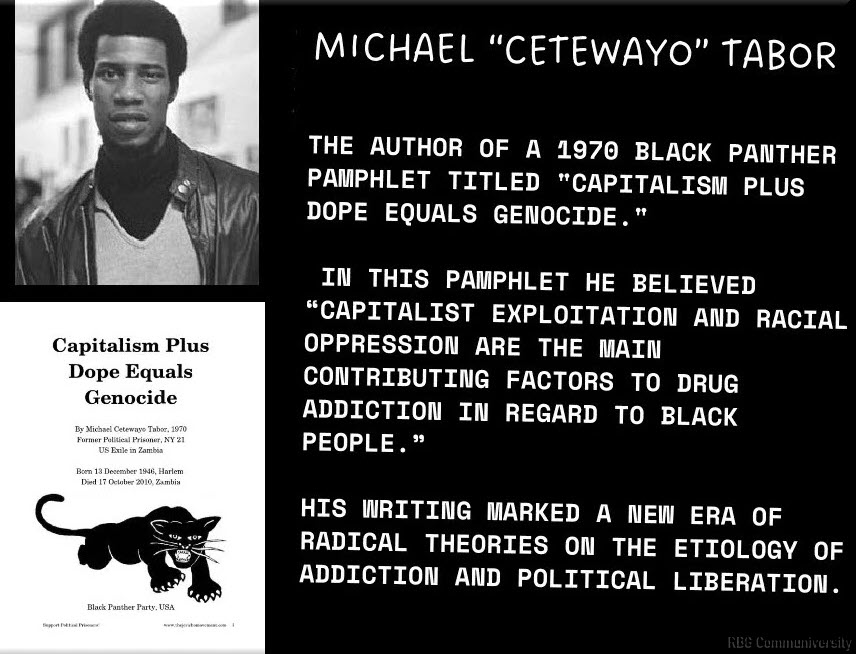
Click for standalone poster.

Source of audio: https://www.pacificaradioarchives.org/recording/bb2588

 Pop the document out from the upper right to read / expand / download (Feel free to click the audio above and then pop the pamphlet out to read along.)

Dangers of substiuting Heroin with Fentanyl

Both Heroin with Fentanyl are in the Opoid Drug Class. Substituting heroin with fentanyl poses significant dangers and risks. Both are opioid drugs, but fentanyl is much more potent than heroin, leading to various health and safety concerns. Here are some critical points outlining the dangers associated with this substitution:

1. Increased Risk of Overdose

  • Potency: Fentanyl is estimated to be 50 to 100 times more potent than heroin. This increased potency means that even a small amount can lead to a fatal overdose.
  • Unpredictability: Users may not be able to accurately gauge the strength of fentanyl, especially if it is mixed with other substances, leading to accidental overdoses.

2. Respiratory Depression

  • Life-Threatening Effects: Like other opioids, fentanyl can cause respiratory depression, where breathing slows down or stops entirely. This is the primary cause of death in opioid overdoses.
  • Rapid Onset: Fentanyl acts quickly, which can lead to sudden respiratory failure, leaving little time for intervention.

3. Withdrawal Symptoms

  • Severe Withdrawal: Transitioning from heroin to fentanyl may lead to intense withdrawal symptoms if the body is not accustomed to fentanyl. This can include pain, nausea, anxiety, and other distressing symptoms.
  • Potential for Increased Use: To avoid withdrawal symptoms, users may increase their fentanyl usage, leading to a higher risk of overdose.

4. Variability in Drug Supply

  • Illicit Manufacturing: Fentanyl is often produced illegally and may be mixed with other street drugs, including heroin, cocaine, or counterfeit pills. The variability in purity and composition increases the risk of overdose and other harmful effects.
  • Lack of Quality Control: Unlike pharmaceutical-grade fentanyl, illicitly manufactured fentanyl can contain unknown additives or impurities, heightening the risk of adverse reactions.

5. Mental Health Risks

  • Psychological Effects: Fentanyl use can lead to severe mood swings, depression, anxiety, and other mental health issues. Users may find it challenging to manage these effects, leading to further substance misuse.
  • Addiction Potential: Both heroin and fentanyl have high potential for addiction, but the potency of fentanyl can result in a quicker development of dependence.

6. Public Health Concerns

  • Epidemic Status: The rise of fentanyl has contributed significantly to the opioid epidemic in many regions, leading to increased rates of overdose deaths.
  • Emergency Response Challenges: First responders may face difficulties in treating fentanyl overdoses, as the drug may require higher doses of naloxone (Narcan) to reverse its effects compared to heroin.

7. Stigma and Social Consequences

  • Criminalization: The illegal nature of both heroin and fentanyl can lead to criminal charges, social stigma, and barriers to treatment and recovery.
  • Access to Care: Individuals using these substances may be reluctant to seek help due to fear of judgment or legal repercussions, exacerbating the cycle of addiction.

Conclusion

Substituting heroin with fentanyl carries significant risks, including a heightened potential for overdose, respiratory failure, severe withdrawal symptoms, and mental health issues. The unpredictability of illicit fentanyl and its increasing presence in the drug supply contribute to the ongoing opioid crisis.

If you or someone you know is struggling with substance use, it’s crucial to seek help from a healthcare professional or a support group. Treatment options and resources are available to support recovery and address the challenges of addiction.

If you have any further questions or need more information on this topic, feel free to ask!

Supplemental: How the Young Lords Took Lincoln Hospital, Left a Health Activism Legacy

(Link to read the article & see Trk #2 video in playlist that follows.)
How the Young Lords Took Lincoln Hospital, Left a Health Activism Legacy

8 Video Playlist.
Trk#1, Dope is Death, is the trailer of a film by mia donovan. The story of how Dr. Mutulu Shakur, stepfather of Tupac Shakur, along with fellow Black Panthers and the Young Lords, combined community health with radical politics to create the first acupuncture detoxification program in America in 1973 – a visionary project eventually deemed too dangerous to exist. (https://dopeisdeath.com/)
In Re of Trk # 3 Dope Is Death | The Short List, “The producers of Dope is Death would like to acknowledge an error in the documentary: Gloria Fontanez has been misidentified as Iris Morales, both were members of the Central Committee of the Young Lords. We apologize for this error and we would like to honor both women for their work.”


Learn more in RBG Communiversity eLibrary|

Illegal Drugs Reading and Video Education
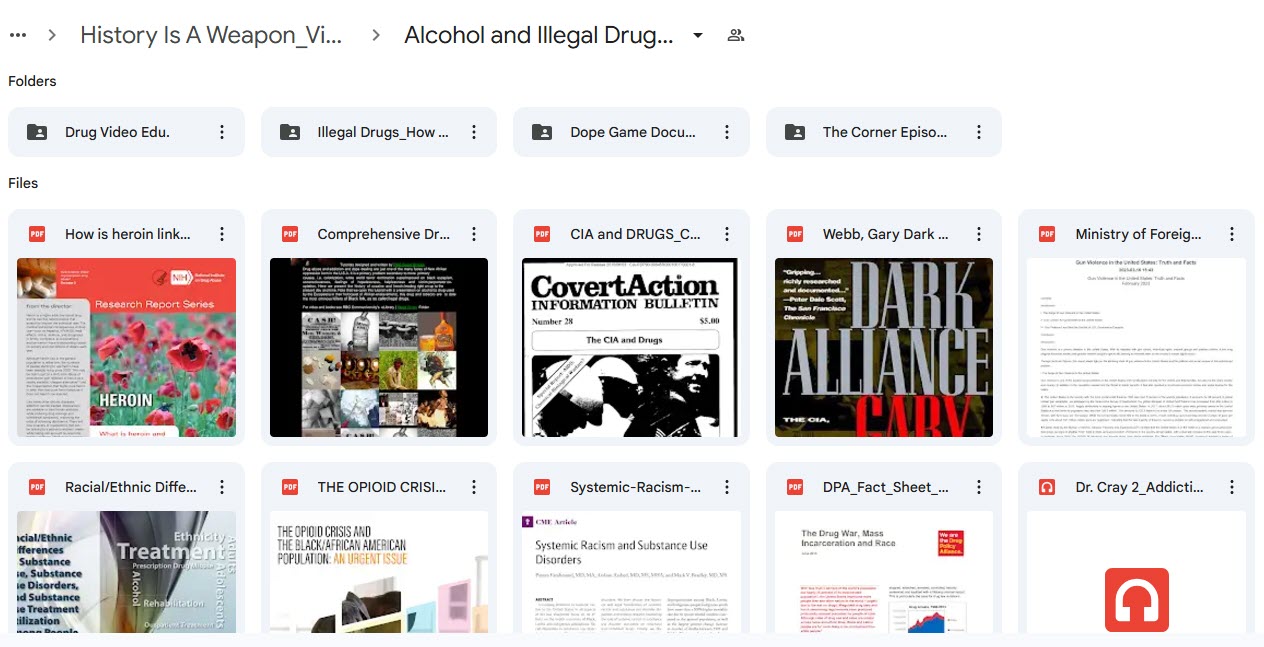
Illegal Drugs Reading and Video Education Folder

Black Panther Party History_eBooks, Articles, Videos, Newsapers and Documents

Black Panther Party History_eBooks, Videos and Documents Folder

Dr. Mutulu Shakur Studies Collection

Dr. Mutulu Shakur Studies Collection Folder

APSP Documentary_ ANRO First World Tribunal on Reparations for African People in the U.S. (1982)

Pop the document out from the upper right to read / expand / download.

40th anniversary edition of the Report from the 1982 World Tribunal on Reparations to African People, including a foreword by Luwezi Kinshasa, additional testimonies and an epilogue by Chairman Omali Yeshitela.

Pop the document out from the upper right to read / expand / download.

Learn more in RBG Communiversity eLibrary| Chm. Omali and Uhuru Movement Folder

ANRO Tribunal Coverage_Burning Spear Folder

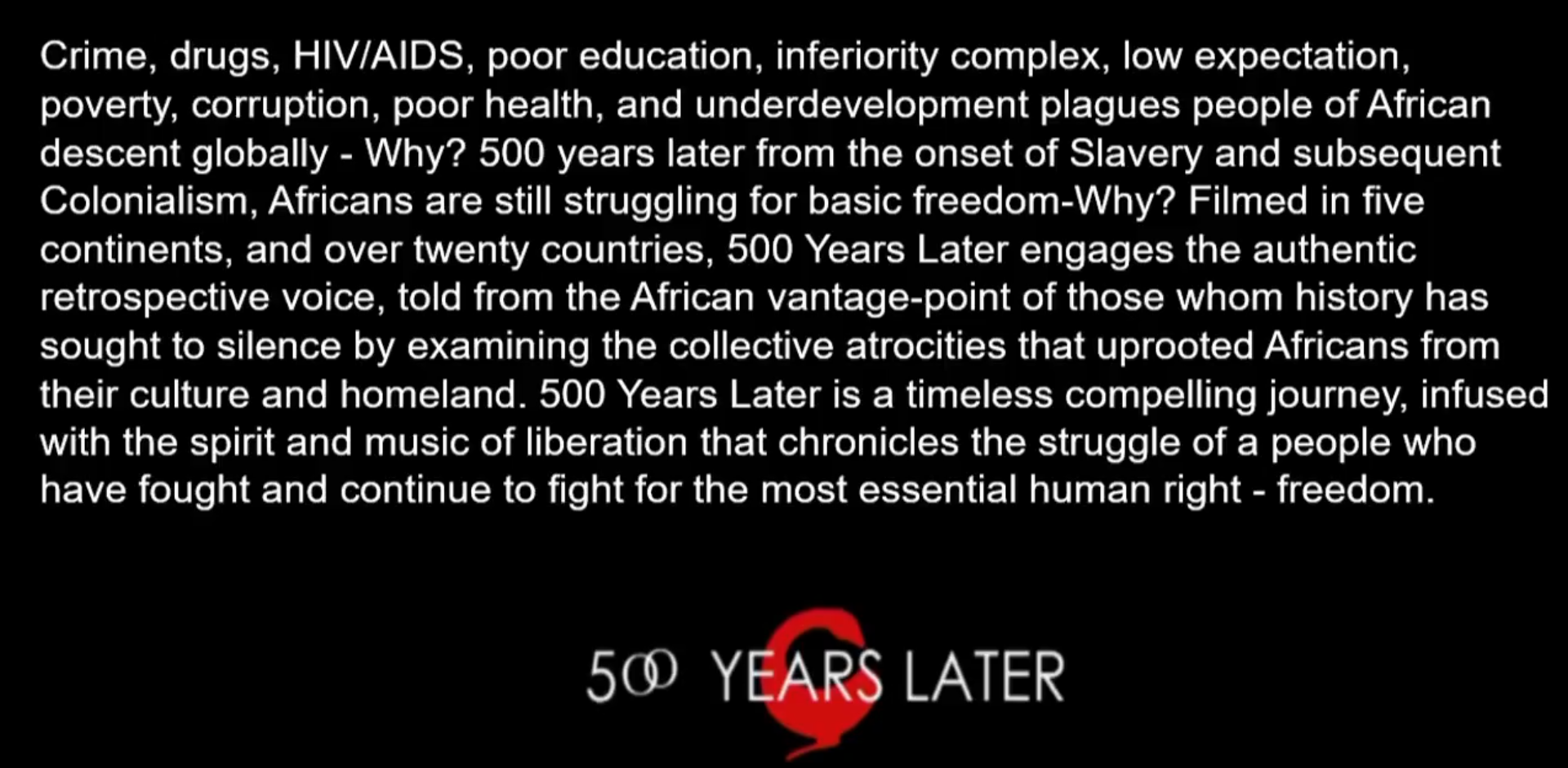
500 YEARS LATER, A documentary Film | Clips (20 mins.), with The Story of the Atlantic Slave Trade 1440-1870, By Hugh Thomas (6 Books in 1)

Click for enlarge read

500 Years Later, 2005 Documentary Film: Director, Owen Alik Shahadah Writers M.K. Asante & Owen Alik Shahadah https://www.imdb.com/title/tt0444593/


The textbook that follows is compromised of six separate books. Pop out the book from the upper right and open in a pdf reader to access TOC/ select a book to read. You can quickly browse the various book’s focus and content by scrolling below. (BTW if you are new to RBG please see our navigation training video here ).

Pop the document out from the upper right to read / expand / download.

Learn more in RBG Communiversity Knowledge Media eLibrary: Maafa_African Holocaust, Chattel Slavery, Jim Crow, Influencers and more_Books, Videos & Audio Folder

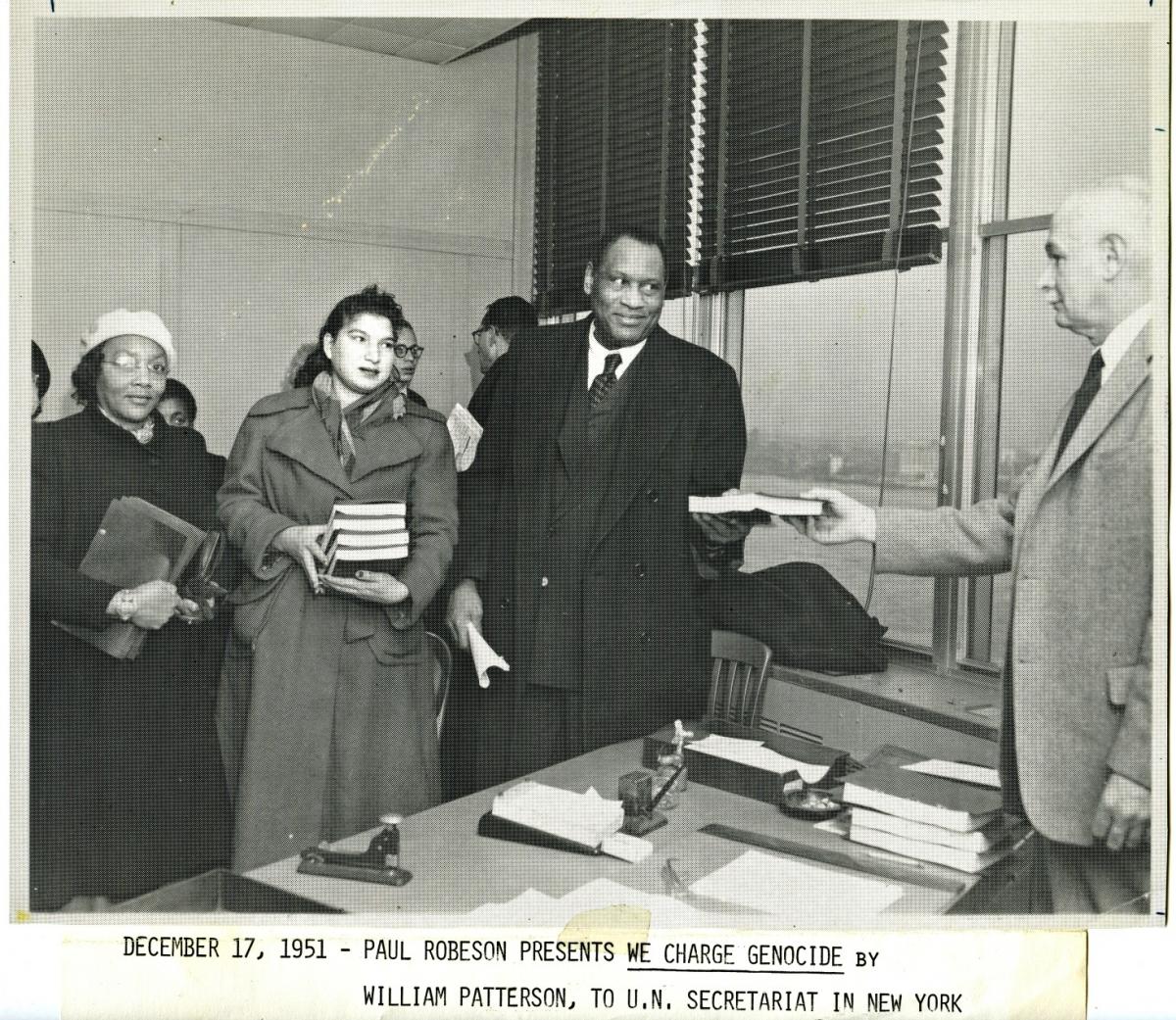
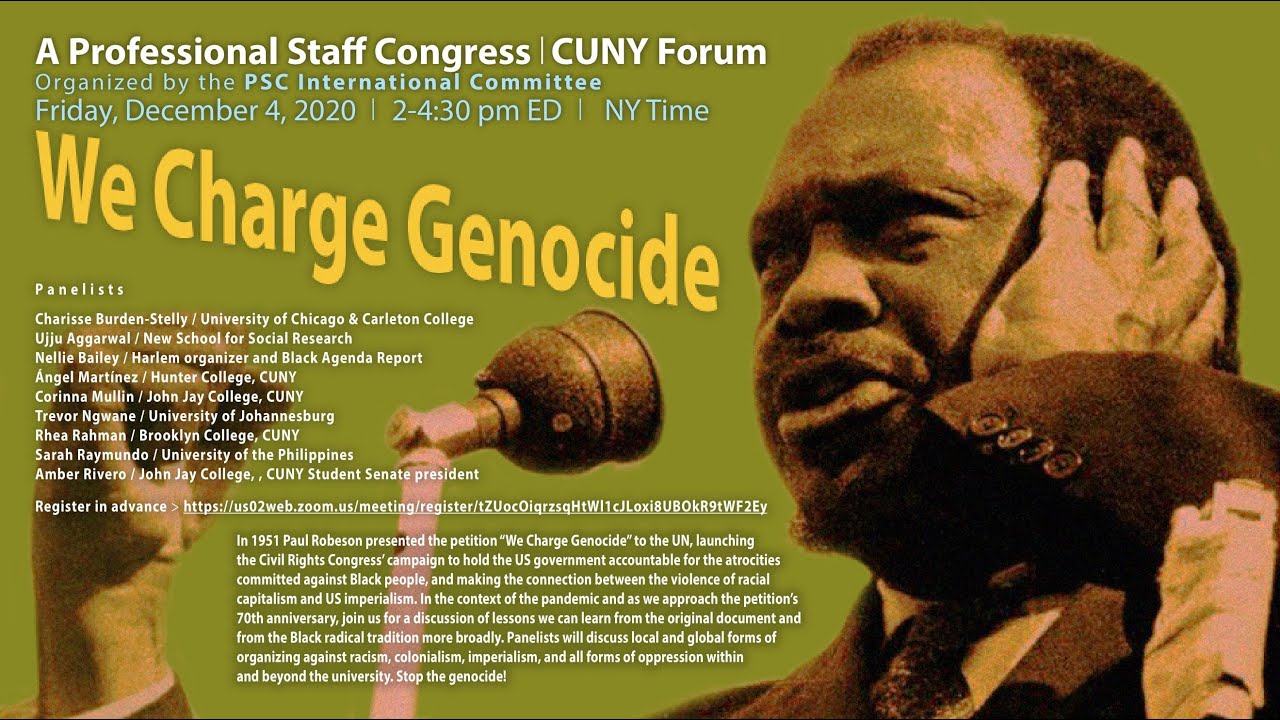
We Charge Genocide_William L Patterson (1970) with PSC-International Committee Discussion Forum and The Chris Hedges Report: Gerald Horne on the unrelentingly radical life of Paul Robeson with Supplemental_The Man Who Cried Genocide-An Autobiography by William L. Patterson

Updated May, 20-2024

Quoting from Patterson’s autobiography (posted below), The Man Who Cried Genocide:

“We in the CRC decided that the presentation of a petition charging the crime of genocide and thoroughly documenting what we regarded as the genocidal attitude of the U.S. Government toward its Negro citizens was timely. It would be helpful, we thought, to all peoples fighting for freedom, and would be particularly helpful here at home among both Black and white citizens where the potentialities of the UN were not too well understood or appreciated. It would point out to Black men and women the broadening avenues through which their struggle might move forward…. The petition, I thought, should expose the reactionary role that the racists of the United States were preparing to play in world affairs, especially its dangers to world peace. No government bound up with racism could want or seek world peace.” Source: peoplesworld.org

Video description: In 1951 Paul Robeson and William Patterson presented the petition “We Charge Genocide” to the UN, launching the Communist Party aligned Civil Rights Congress’ campaign to hold the US government accountable for the atrocities committed against Black people, and making the connection between the violence of racial capitalism and US imperialism. In the context of the pandemic and as we approach the petition’s 70th anniversary, the PSC-International Committee organized a discussion on lessons we can learn from the original document and from the Black radical tradition more broadly for our various local and global forms of organizing against racism, colonialism, imperialism, and all forms of oppression within and beyond the university. The event included an amazing line-up of speakers and panelists: Charisse Burden-Stelly, Ujju Aggarwal, Nellie Bailey, Sarah Raymundo, Angel Martinez, Trevor Ngwane, Rhea B Rahman, and Amber Rivero, introductions by Dr. Marie Louise Patterson and Dr. Alia Tyner-Mullings, and was co-moderated by Blanca Vazquez and Corinna Mullin.

Pop the documents out from the upper right to read / expand / download.

Paul Robeson Speaks

2 Video Playlist | RBG Communiversity eLibrary Paul Robeson Folder

Supplemental_The Man Who Cried Genocide-An Autobiography by William L. Patterson

Learn more in RBG Communiversity eLibrary: Genocides_Past and Present Folder

Manifest Destiny and American Holocaust_Dr. Ward Churchill Lecture, History of COINTELPRO and COINTELPRO and Terrorism, The COINTELPRO Papers – Ward Churchill & Jim Vander Wall (eBook and Audiobook)

Last updated 11-23-24

Pop the documents out from the upper right to read / expand / download.

The History of Cointelpro Ward Churchill

The COINTELPRO Papers – Ward Churchill & Jim Vander Wall_eBook

The COINTELPRO Papers – Ward Churchill & Jim Vander Wall_Audiobook

Part 1

Part 2

Companion Post/Lessons

Hands Off Uhuru presents: “Unthanksgiving” Victory to African and Indigenous people!­_The Burning Spear TV, with Uhuru 3 Trial Re-enactment – Episode One

Learn more in RBG Communiversity Knowledge Media eLibrary

Native Americans & American Indian Movement (AIM)  Folder

Native Americans & American Indian Movement (AIM)  Folder