Tip of the Spear: Black Radicalism, Prison Repression, and the Long Attica Revolt by Orisanmi Burton, with Orisanmi Burton Disscussion and Attica Massacre Video Education

Book Summary

“Tip of the Spear: Black Radicalism, Prison Repression, and the Long Attica Revolt” by Orisanmi Burton offers a critical examination of the Attica Prison uprising in 1971 and its significance within the broader context of Black radicalism and resistance to state repression. Burton explores the historical factors leading to the revolt, the demands of the prisoners, and the subsequent violent response from authorities. The book highlights the connections between the struggles of incarcerated individuals and larger social movements advocating for racial and economic justice. By analyzing the Attica uprising and its aftermath, Burton sheds light on the enduring legacy of prison resistance and the ongoing fight against systemic oppression.

The outline that follows captures the main themes and structure of “Tip of the Spear,” highlighting Orisanmi Burton’s critical examination of the Attica Prison uprising and its broader implications for understanding Black radicalism and resistance to state repression. The book serves as a significant contribution to the discourse on prison reform and social justice, emphasizing the enduring relevance of the Attica revolt in contemporary struggles against systemic oppression.

I. Introduction

  • Overview of the book’s purpose: to explore the Attica Prison uprising within the context of Black radicalism and prison repression
  • Introduction to the significance of the Attica revolt in the history of prison resistance
  • The importance of understanding the uprising as part of a broader struggle for justice

II. Historical Context of Black Radicalism

  • Examination of the origins and development of Black radicalism in the 20th century
  • Overview of key movements and figures that influenced the radicalization of Black activism
  • Discussion of the socio-political conditions leading to heightened tensions within prisons

III. The Attica Prison Uprising

  • Detailed account of the events leading up to the Attica revolt in September 1971
  • Exploration of the prisoners’ demands and grievances, including issues of racial discrimination, overcrowding, and lack of basic rights
  • Analysis of the dynamics within the prison during the uprising, including the role of leadership among the inmates

IV. State Repression and the Response to the Uprising

  • Examination of the state’s response to the Attica revolt, including the violent retaking of the prison
  • Analysis of the consequences of the uprising for the prisoners, families, and the broader community
  • Discussion of the media portrayal of the revolt and its impact on public perception of prison resistance

V. The Legacy of the Attica Revolt

  • Exploration of the long-term effects of the Attica uprising on prison reform and Black radicalism
  • Discussion of subsequent prison uprisings and their connections to the Attica legacy
  • Examination of how the revolt continues to influence contemporary movements for racial and social justice

VI. Theoretical Framework and Analysis

  • Introduction to the theoretical frameworks used in the book, including concepts of resistance, state violence, and systemic oppression
  • Discussion of how the Attica revolt exemplifies the intersection of race, class, and incarceration
  • Analysis of the implications of the uprising for understanding modern prison systems and resistance movements

VII. Conclusion

  • Summary of key themes and insights from the book
  • Reflection on the importance of the Attica revolt in the ongoing struggle against prison repression and racial injustice
  • Call to action for continued engagement with the legacy of prison resistance and the fight for equity and justice

“Tip of the Spear” is a profound exploration of the Attica Prison uprising, contextualized within the broader landscape of Black radicalism and systemic oppression. The book critically examines how the revolt at Attica not only represented a pivotal moment in the fight against prison repression but also served as a reflection of the larger struggles for racial and economic justice in the United States. Here’s a deeper exploration of the key themes, insights, and arguments presented in the book:

Key Themes and Insights

  1. Historical Context of Black Radicalism:
    • Burton traces the roots of Black radicalism, highlighting how the socio-political climate of the 1960s and 1970s influenced the rise of militant resistance among Black communities. The book discusses key figures and movements, such as the Black Panther Party, that galvanized activism and shaped the consciousness of prisoners.
    • This historical backdrop is essential for understanding the motivations behind the Attica revolt and the demands made by inmates.
  2. The Attica Prison Uprising:
    • The book provides a detailed narrative of the events leading up to the Attica uprising, which erupted in September 1971. Burton examines the grievances of the prisoners, including issues like overcrowding, poor living conditions, racial discrimination, and denial of basic rights.
    • The author emphasizes that the uprising was not merely a spontaneous event but rather the culmination of years of frustration and activism within the prison system.
  3. Prisoners’ Demands and Leadership:
    • Burton highlights the articulate and well-organized demands of the Attica prisoners, which included calls for better living conditions, educational opportunities, and an end to racial discrimination. The leadership among the inmates played a crucial role in articulating these demands and maintaining order during the revolt.
    • The book emphasizes the importance of recognizing the agency of prisoners and their capacity for organized resistance.
  4. State Repression and Violence:
    • A significant focus of the book is on the state’s violent response to the Attica uprising, particularly the brutal retaking of the prison by law enforcement. Burton analyzes how this response reflected the broader patterns of state repression faced by marginalized communities.
    • The aftermath of the revolt involved not only the immediate consequences for the prisoners but also the long-lasting impact on their families and communities, highlighting the pervasive nature of state violence.
  5. Media Representation and Public Perception:
    • Burton discusses how the media portrayed the Attica uprising, often framing it in sensationalized terms that contributed to public fear and misunderstanding of the prisoners’ motives. This media framing affected the narrative around prison resistance and shaped societal attitudes toward incarcerated individuals.
    • The book critiques the ways in which narratives of violence are often used to justify further repression and neglect of the underlying issues that lead to uprisings.
  6. Legacy and Ongoing Struggles:
    • The legacy of the Attica revolt extends beyond the immediate aftermath, influencing subsequent prison uprisings and the broader movement for prison reform. Burton explores how the lessons learned from Attica continue to resonate in contemporary struggles against mass incarceration and racial injustice.
    • The book draws connections between the Attica uprising and modern movements, such as Black Lives Matter, emphasizing the continuity of resistance against systemic oppression.
  7. Theoretical Framework:
    • Burton employs various theoretical frameworks to analyze the events at Attica, including concepts of resistance, state violence, and the intersections of race, class, and incarceration. This theoretical lens helps to contextualize the uprising within broader socio-political dynamics.
    • The analysis encourages readers to critically engage with the implications of the Attica revolt for understanding modern prison systems and the ongoing fight for justice.
  8. Call to Action:
    • In the conclusion, Burton reflects on the importance of engaging with the legacy of the Attica revolt and the continued relevance of prison resistance in the current socio-political landscape. The author calls for solidarity and activism in addressing the systemic injustices that persist today.
    • The book serves as a rallying cry for individuals and movements to remain vigilant against state repression and to advocate for a more just and equitable society.

Conclusion

“Tip of the Spear” is a significant contribution to the discourse on Black radicalism, prison resistance, and social justice. Orisanmi Burton’s analysis of the Attica Prison uprising provides valuable insights into the complexities of state repression and the resilience of those who resist it. By situating the revolt within the historical context of Black radicalism and examining its lasting legacy, the book encourages readers to reflect on the ongoing struggle for justice and the importance of solidarity with those who continue to fight against systemic oppression. It serves as a crucial reminder of the power of collective action and the necessity of addressing the root causes of inequality and injustice in society.

“Tip of the Spear: Black Radicalism, Prison Repression, and the Long Attica Revolt” by Orisanmi Burton_eBook

Pop the documents out from the upper right to read / expand / download.

Orisanmi Burton Disscussion of the Book

Attica Massacre Video Education

10 Video Player

Learn more in RBG Communiversity Knowledge Media eLibrary:

Drugs as Weapons Against Us by John Potash (eBook) and Video Education

Book Summary

Overview

“Drugs as Weapons Against Us” by John Potash explores the controversial and often hidden relationship between drug trafficking and U.S. government policies. The book posits that drugs have been used as tools of social control and manipulation, particularly against marginalized communities and political movements. Potash examines the historical context of drug proliferation, particularly during the Vietnam War and the rise of countercultural movements in the United States. He argues that the U.S. government, in collaboration with certain intelligence agencies, has utilized drugs to undermine dissent, disrupt social movements, and maintain the status quo. The book draws on various historical examples, case studies, and testimonies to support its claims, raising questions about the intersection of drugs, politics, and social justice.

Outline

I. Introduction

  • A. Overview of the book’s purpose and themes
  • B. Definition of the relationship between drugs and government policies
  • C. Importance of understanding the historical context

II. Historical Context

  • A. Overview of drug use in America
    • Pre-20th-century drug use and regulation
    • The rise of drug prohibition in the early 20th century
  • B. The impact of the Vietnam War on drug proliferation
    • The role of drugs in military and civilian contexts
  • The emergence of the counterculture and its connection to drug use

III. Government Involvement in Drug Trafficking

  • A. Allegations of U.S. government complicity
    • Historical examples of CIA involvement with drug cartels
    • Case studies of specific programs (e.g., Operation CHAOS)
  • B. The impact of government policies on drug distribution
    • The War on Drugs and its implications for communities
  • Racial disparities in drug enforcement and sentencing

IV. Drugs as Tools for Social Control

  • A. Disruption of social movements
    • Targeting of political activists and dissenters
    • The use of drugs to undermine the Black Panther Party and other groups
  • B. The role of media and propaganda
    • Portrayal of drug users and dealers in popular culture
  • Influence of media narratives on public perception and policy

V. Case Studies

  • A. Examination of specific historical incidents
    • The crack epidemic and its socio-political implications
    • The role of heroin in urban communities
  • B. Personal testimonies and accounts from affected communities
    • Impact on families and social structures
  • Responses from community activists and leaders

VI. Contemporary Implications

  • A. The ongoing War on Drugs
    • Current policies and their effects on marginalized communities
    • Calls for reform and alternatives to punitive approaches
  • B. Connections to modern social justice movements
    • The intersection of drug policy and racial justice
  • Advocacy for harm reduction and treatment over incarceration

VII. Conclusion

  • A. Summary of key arguments and findings
  • B. The need for further investigation into government complicity
  • C. Vision for a future free from drug-related social control mechanisms

Significance

“Drugs as Weapons Against Us” offers a provocative examination of the complex interplay between drug policies and U.S. government actions. By framing drugs as tools of social control, Potash challenges readers to reconsider commonly held beliefs about drug use, crime, and policy. The book calls for greater awareness of the historical and contemporary impacts of drug-related policies, particularly on marginalized communities, and advocates for a rethinking of approaches to drug use and addiction.

“Drugs as Weapons Against Us” delves deeply into the intricate relationship between drug trafficking, government policies, and social control in the United States. Here’s a more detailed exploration of the book’s key themes, arguments, and its broader implications.

Detailed Exploration of Key Themes and Arguments

1. Historical Context of Drug Use in America

  • Early Drug Regulation: The book outlines the history of drug use in America, discussing how various substances were used for both medicinal and recreational purposes before the 20th century. Potash highlights the transition from a largely unregulated market to the introduction of prohibitionist policies, particularly with the Harrison Narcotics Tax Act of 1914, which began to criminalize substances like opiates and cocaine.
  • Vietnam War Era: Potash argues that the Vietnam War exacerbated drug trafficking, as U.S. soldiers and civilians became involved in the drug trade. He discusses how this period saw an increase in both drug use and the counterculture movement, which challenged the status quo.

2. Government Involvement in Drug Trafficking

  • CIA and Drug Cartels: Potash presents compelling allegations that the U.S. government, particularly the CIA, has been involved in drug trafficking and has collaborated with drug cartels. He cites historical examples, including the Iran-Contra Affair, where funds from drug sales were allegedly funneled to support anti-communist efforts in Central America.
  • Operation CHAOS: This covert operation aimed to monitor and disrupt anti-war activists and other dissenting groups. Potash uses this example to illustrate how the government has employed drugs as a means of social control, targeting individuals and movements that threaten the established order.

3. Drugs as Tools for Social Control

  • Undermining Dissent: One of the central arguments of the book is that drugs have been strategically used to undermine social movements, particularly those advocating for civil rights, anti-war sentiments, and other forms of dissent. Potash discusses how certain communities, particularly African Americans and marginalized groups, have been disproportionately affected by drug policies and law enforcement practices.
  • Impact on Activist Groups: The book details how groups like the Black Panther Party were targeted through drug-related allegations and arrests, undermining their efforts to promote social justice and equality. Potash argues that by associating these groups with drugs, the government sought to delegitimize their movements.

4. Media and Propaganda

  • Framing of Drug Users: Potash examines how media narratives have portrayed drug users and dealers, often using sensationalism to create fear and justify aggressive law enforcement measures. This portrayal has shaped public perception and supported policies that disproportionately affect marginalized communities.
  • Influence of Popular Culture: The book discusses the role of films, television shows, and news coverage in perpetuating stereotypes about drug users, particularly African Americans, which has influenced public opinion and policy decisions.

5. Case Studies

  • Crack Epidemic: Potash analyzes the crack cocaine epidemic of the 1980s, discussing how it was framed in the media and how government responses, including the War on Drugs, disproportionately targeted Black communities. He argues that this response was less about public health and more about maintaining control over these populations.
  • Heroin and Urban Communities: The book also addresses the impact of heroin on urban communities, particularly in the context of the opioid crisis. Potash suggests that the U.S. government has historically responded to drug crises with punitive measures rather than addressing underlying social issues.

6. Contemporary Implications

  • Ongoing War on Drugs: Potash critiques the continuing War on Drugs, arguing that it perpetuates cycles of incarceration and poverty within marginalized communities. He highlights the need for a shift in policy from punitive approaches to harm reduction and treatment.
  • Social Justice Movements: The book connects drug policy to broader social justice movements, emphasizing the intersection of drug law enforcement with issues of race, class, and inequality. Potash advocates for a re-examination of drug laws and calls for policies that prioritize public health and community well-being.

Broader Implications

  • Critical Examination of Government Policies: Potash’s work encourages readers to critically examine the role of the government in drug policy and its implications for civil liberties and social justice.
  • Call for Reform: The book serves as a call to action for reforming drug policies, advocating for a more equitable approach that addresses the root causes of drug use and addiction rather than solely criminalizing those affected.

Conclusion

“Drugs as Weapons Against Us” provides a provocative and in-depth look at the intersection of drug policies and social control in the United States. Potash’s arguments challenge conventional narratives about drugs, crime, and public policy, urging readers to reconsider the motivations behind the War on Drugs and its lasting impact on society. By connecting historical events to contemporary issues, the book underscores the need for a more compassionate and informed approach to drug use and addiction.

5 Video Playlist

Pop the document out from the upper right to read / expand / download. (Once you land open in a reader for bookmark access.)

How The British Used Opium To Cripple An Ancient Superpower | Empires Of Silver Documentary (Full Series) and The Opium Wars In China_Asia Pacific Curriculum and SUPPLEMEMTAL_Essays By Dr. Peter C. Perdue on “The First Opium War”

Credit: From document below
5 Video Playlist

Pop the document out from the upper right to read / expand / download.
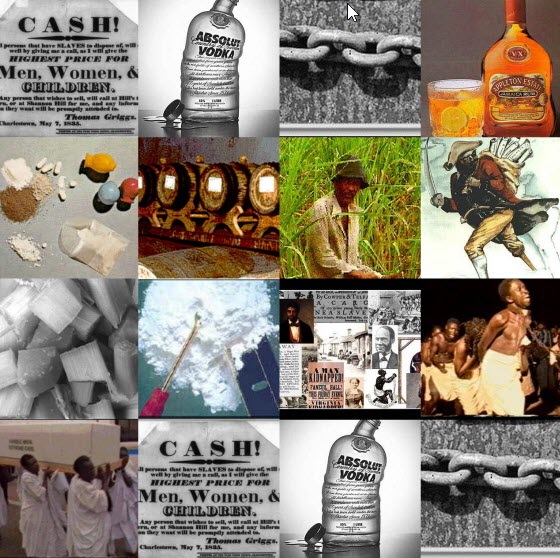
Source link: https://asiapacificcurriculum.ca/learning-module/opium-wars-china

SUPPLEMENTAL: The Opium Wars of 1839 to 1842 and 1856, Essays by Dr. Peter C. Perdue_MIT Visualizing Cultures.pdf

Learn more in RBG Communiversity eLibrary: The Opium Wars In China_Asia Pacific Curriculum Packet for download

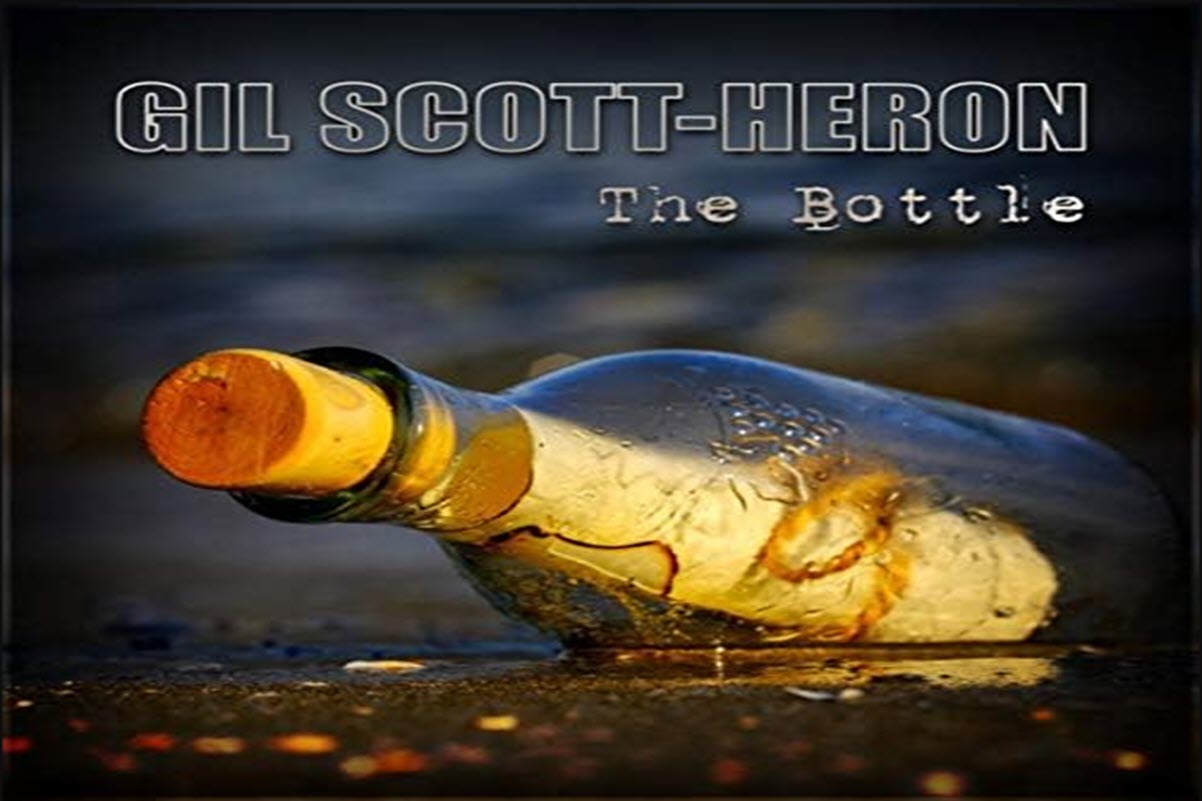
Puff, Puff, Drink: The Association Between Blunt and Alcohol Use Among African American Adolescents and Young Adults, HHS Public Access Author Manuscript (Abstract), Feat. GSH_THE BOTTLE

Montgomery, L., Zapolski, T., Banks, D. E., & Floyd, A. (2019). Puff, puff, drink: The association between blunt and alcohol use among African American adolescents and young adults. American Journal of Orthopsychiatry, 89(5), 609–615. 

Abstract
Although African Americans report lower levels of alcohol use relative to their White counterparts, they experience higher rates of alcohol-related problems (e.g., alcohol dependence). One understudied connection between alcohol use and dependence is the dual use of illicit drugs,
especially marijuana use. It is speculated that blunt use in combination with alcohol will have
more adverse alcohol-related consequences among African Americans than alcohol use alone or alcohol and nonblunt marijuana use. The current study uses pooled data from the 2011–2014 National Survey on Drug Use and Health to examine the odds of alcohol dependence based on
alcohol and marijuana typology in comparison to alcohol only users. Among 11,124 African
American adolescents (12–17) and young adults (18–25) who consumed alcohol in the past year,
57.5%, 36.8%, and 5.7% reported alcohol use alone and in combination with blunt use and
nonblunt marijuana use, respectively. Relative to alcohol users only, youth who used alcohol and
blunts had increased odds of having alcohol dependence. This association was not found among youth who reported alcohol and nonblunt marijuana use. The increased rates of alcohol
dependence highlight the public health concern of dual alcohol and a specific type of marijuana
use (i.e., blunts) among African American youth. (Read full manuscript here.)

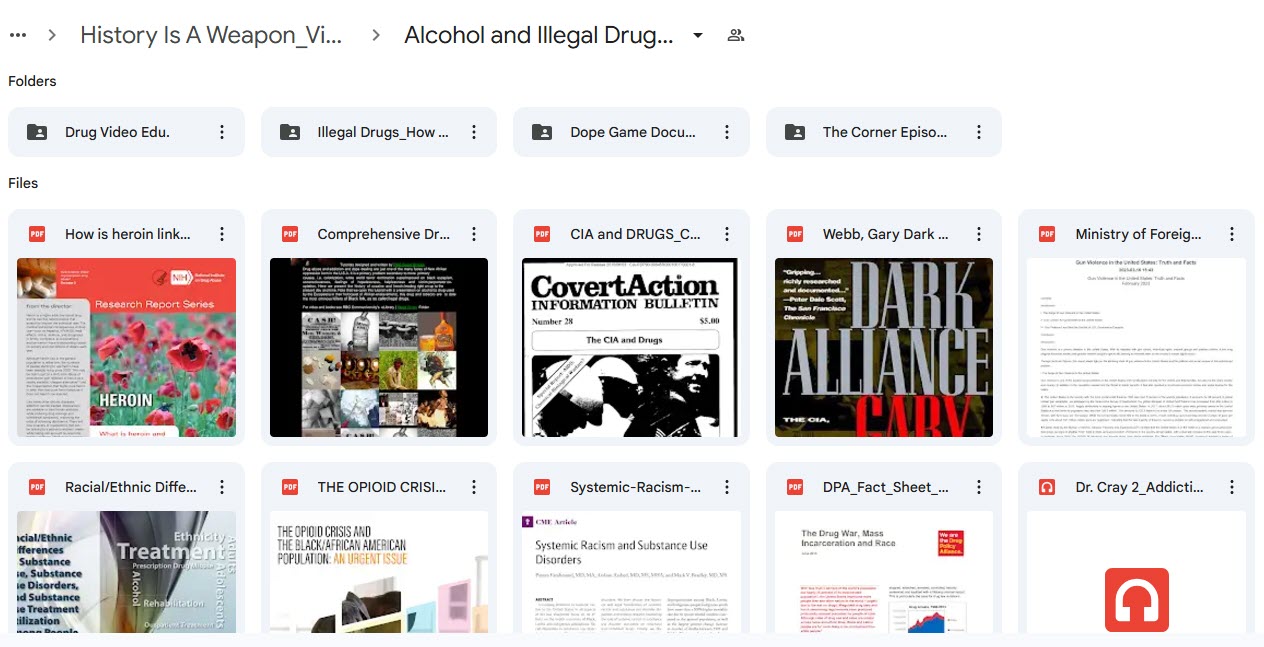
Learn more in RBG Communiversity eLibrary| Alcohol and Illegal Drugs_Reading and Video Edu. Folder

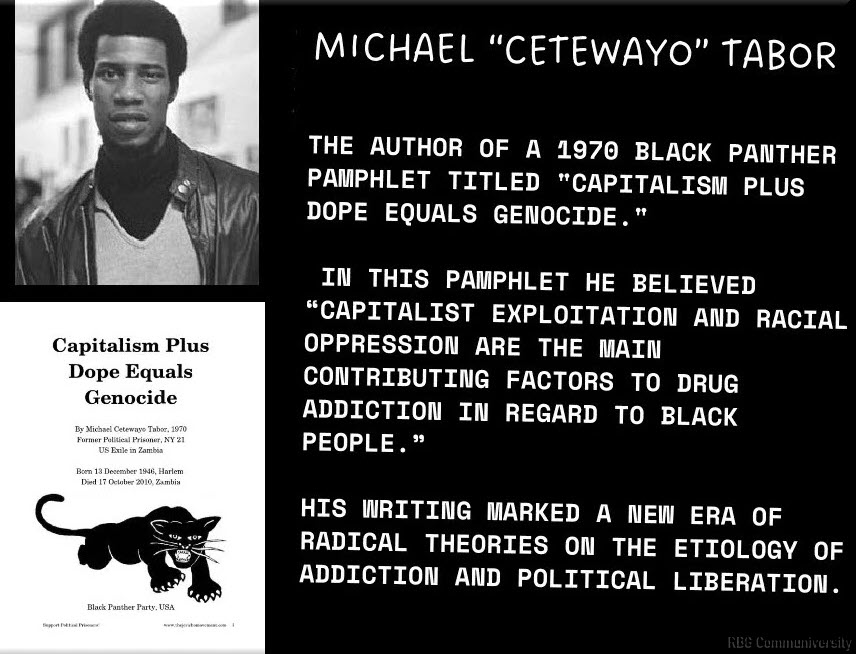
Capitalism Plus Dope Equals Genocide (Michael Cetewayo Tabor| Audio and Text) and Dope is Death (A Vice Film), with Supplemental: How the Young Lords Took Lincoln Hospital, “Left a Health Activism Legacy”

Last Updated 09-20-25

Click for standalone poster.

Source of audio: https://www.pacificaradioarchives.org/recording/bb2588

 Pop the document out from the upper right to read / expand / download (Feel free to click the audio above and then pop the pamphlet out to read along.)

Dangers of substiuting Heroin with Fentanyl

Both Heroin with Fentanyl are in the Opoid Drug Class. Substituting heroin with fentanyl poses significant dangers and risks. Both are opioid drugs, but fentanyl is much more potent than heroin, leading to various health and safety concerns. Here are some critical points outlining the dangers associated with this substitution:

1. Increased Risk of Overdose

  • Potency: Fentanyl is estimated to be 50 to 100 times more potent than heroin. This increased potency means that even a small amount can lead to a fatal overdose.
  • Unpredictability: Users may not be able to accurately gauge the strength of fentanyl, especially if it is mixed with other substances, leading to accidental overdoses.

2. Respiratory Depression

  • Life-Threatening Effects: Like other opioids, fentanyl can cause respiratory depression, where breathing slows down or stops entirely. This is the primary cause of death in opioid overdoses.
  • Rapid Onset: Fentanyl acts quickly, which can lead to sudden respiratory failure, leaving little time for intervention.

3. Withdrawal Symptoms

  • Severe Withdrawal: Transitioning from heroin to fentanyl may lead to intense withdrawal symptoms if the body is not accustomed to fentanyl. This can include pain, nausea, anxiety, and other distressing symptoms.
  • Potential for Increased Use: To avoid withdrawal symptoms, users may increase their fentanyl usage, leading to a higher risk of overdose.

4. Variability in Drug Supply

  • Illicit Manufacturing: Fentanyl is often produced illegally and may be mixed with other street drugs, including heroin, cocaine, or counterfeit pills. The variability in purity and composition increases the risk of overdose and other harmful effects.
  • Lack of Quality Control: Unlike pharmaceutical-grade fentanyl, illicitly manufactured fentanyl can contain unknown additives or impurities, heightening the risk of adverse reactions.

5. Mental Health Risks

  • Psychological Effects: Fentanyl use can lead to severe mood swings, depression, anxiety, and other mental health issues. Users may find it challenging to manage these effects, leading to further substance misuse.
  • Addiction Potential: Both heroin and fentanyl have high potential for addiction, but the potency of fentanyl can result in a quicker development of dependence.

6. Public Health Concerns

  • Epidemic Status: The rise of fentanyl has contributed significantly to the opioid epidemic in many regions, leading to increased rates of overdose deaths.
  • Emergency Response Challenges: First responders may face difficulties in treating fentanyl overdoses, as the drug may require higher doses of naloxone (Narcan) to reverse its effects compared to heroin.

7. Stigma and Social Consequences

  • Criminalization: The illegal nature of both heroin and fentanyl can lead to criminal charges, social stigma, and barriers to treatment and recovery.
  • Access to Care: Individuals using these substances may be reluctant to seek help due to fear of judgment or legal repercussions, exacerbating the cycle of addiction.

Conclusion

Substituting heroin with fentanyl carries significant risks, including a heightened potential for overdose, respiratory failure, severe withdrawal symptoms, and mental health issues. The unpredictability of illicit fentanyl and its increasing presence in the drug supply contribute to the ongoing opioid crisis.

If you or someone you know is struggling with substance use, it’s crucial to seek help from a healthcare professional or a support group. Treatment options and resources are available to support recovery and address the challenges of addiction.

If you have any further questions or need more information on this topic, feel free to ask!

Supplemental: How the Young Lords Took Lincoln Hospital, Left a Health Activism Legacy

(Link to read the article & see Trk #2 video in playlist that follows.)
How the Young Lords Took Lincoln Hospital, Left a Health Activism Legacy

7 Video Playlist.
Trk#1, Dope is Death, is the trailer of a film by mia donovan. The story of how Dr. Mutulu Shakur, stepfather of Tupac Shakur, along with fellow Black Panthers and the Young Lords, combined community health with radical politics to create the first acupuncture detoxification program in America in 1973 – a visionary project eventually deemed too dangerous to exist. (https://dopeisdeath.com/)
In Re of Trk # 3 Dope Is Death | The Short List, “The producers of Dope is Death would like to acknowledge an error in the documentary: Gloria Fontanez has been misidentified as Iris Morales, both were members of the Central Committee of the Young Lords. We apologize for this error and we would like to honor both women for their work.”


Learn more in RBG Communiversity eLibrary|

Illegal Drugs Reading and Video Education

Illegal Drugs Reading and Video Education Folder

Black Panther Party History_eBooks, Articles, Videos, Newsapers and Documents

Black Panther Party History_eBooks, Videos and Documents Folder

Dr. Mutulu Shakur Studies Collection

Dr. Mutulu Shakur Studies Collection Folder