

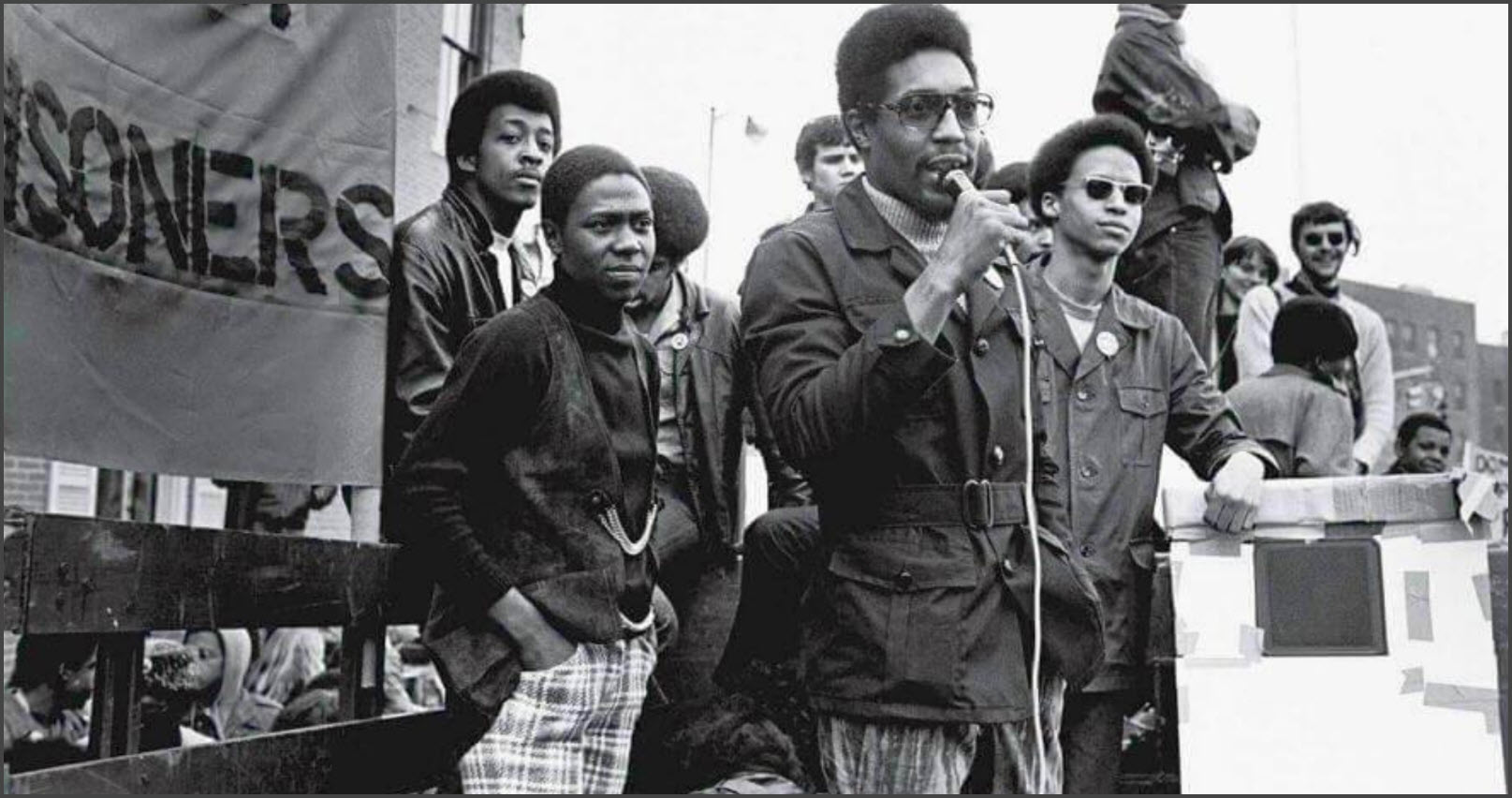
For new comers, pop the document out from the upper right to read / expand / download
Learn more in RBG Communiversity eLibrary|
Black Panther Party History_eBooks, Videos and Documents Folder
For new comers, pop the document out from the upper right to read / expand / download
Learn more in RBG Communiversity eLibrary|
Black Panther Party History_eBooks, Videos and Documents Folder
Last Updated 09-20-25
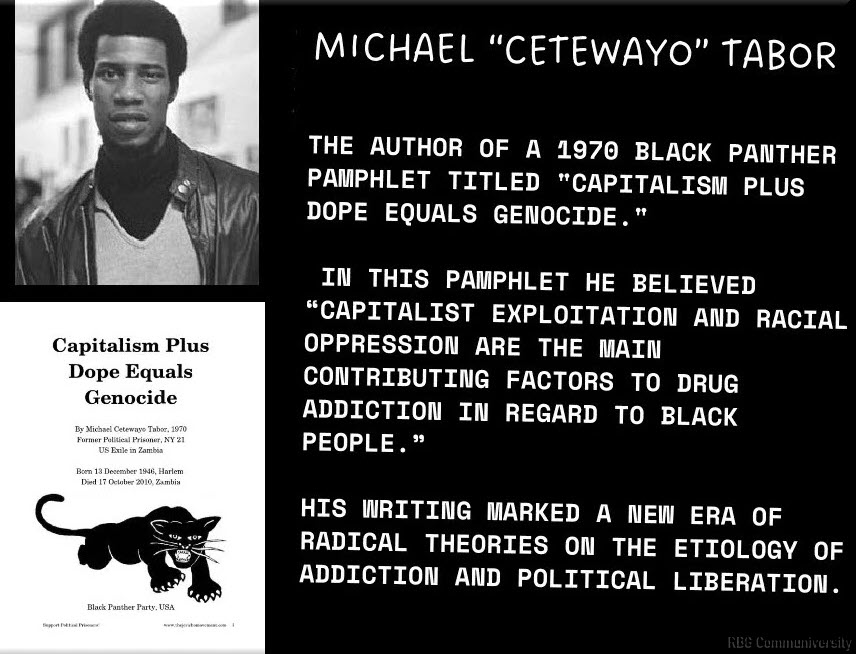
Source of audio: https://www.pacificaradioarchives.org/recording/bb2588
Pop the document out from the upper right to read / expand / download (Feel free to click the audio above and then pop the pamphlet out to read along.)
Substituting heroin with fentanyl carries significant risks, including a heightened potential for overdose, respiratory failure, severe withdrawal symptoms, and mental health issues. The unpredictability of illicit fentanyl and its increasing presence in the drug supply contribute to the ongoing opioid crisis.
If you or someone you know is struggling with substance use, it’s crucial to seek help from a healthcare professional or a support group. Treatment options and resources are available to support recovery and address the challenges of addiction.
If you have any further questions or need more information on this topic, feel free to ask!




Gil Noble became the host and producer of “Like It Is” at New York’s ABC affiliate in 1975 (Gil’s Story in his own words). Over a period of 36 years he interviewed hundreds of guests. Every Sunday his shows focused primarily on the struggle and movement of Afrikan peoples for national liberation and self-determination throughout the diaspora. He won seven Emmy awards for the following documentaries: “El Hajj Malik El Shabazz (Malcolm X)” (featured herein) ,”Paul Robeson,” “Dr. Martin Luther King Jr.,” “Adam Clayton Powell Jr.,” “Decade of Struggle,” “Essay on Drugs” Learn more in RBG Communiversity eLibrary | Like It Is with Gil Noble Folder

The FBI has made possible a reassembling of the history of Malcolm X that goes beyond any previous research. From the opening of his file in March of 1953 to his assassination in 1965, the story of Malcolm X’s political life is a gripping one.
Shortly after he was released from a Boston prison in 1953, the FBI watched every move Malcolm X made. Their files on him totaled more than 3,600 pages, covering every facet of his life. Viewing the file as a source of information about the ideological development and political significance of Malcolm X, historian Clayborne Carson examines Malcolm’s relationship to other African-American leaders and institutions in order to define more clearly Malcolm’s place in modern history.
With its sobering scrutiny of the FBI and the national policing strategies of the 1950s and 1960s, Malcolm X: The FBI File is one of a kind: never before has there been so much material on the assassination of Malcolm X in one conclusive volume.
Pop the document out from the upper right to read / expand / download.

Pop the documents out from the upper right to read / expand / download.

https://www.johnpotash.com/about/







Pop the document out from the upper right to read / expand / download
 RBG Communiversity: Message 2 Da Grassroots
You must be logged in to post a comment.