
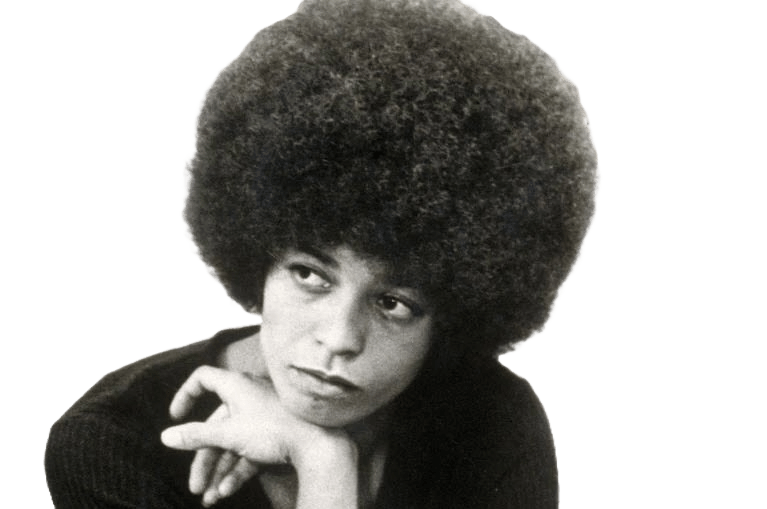
Freedom Is a Constant Struggle: Ferguson, Palestine, and the Foundations of a Movement by Angela Y. Davis_eBook and Audiobook, with ORIGINAL_Gil Scott-Heron – “The Revolution Will Not Be Televised” – w-Lyrics

“Freedom Is a Constant Struggle”_Book Summary

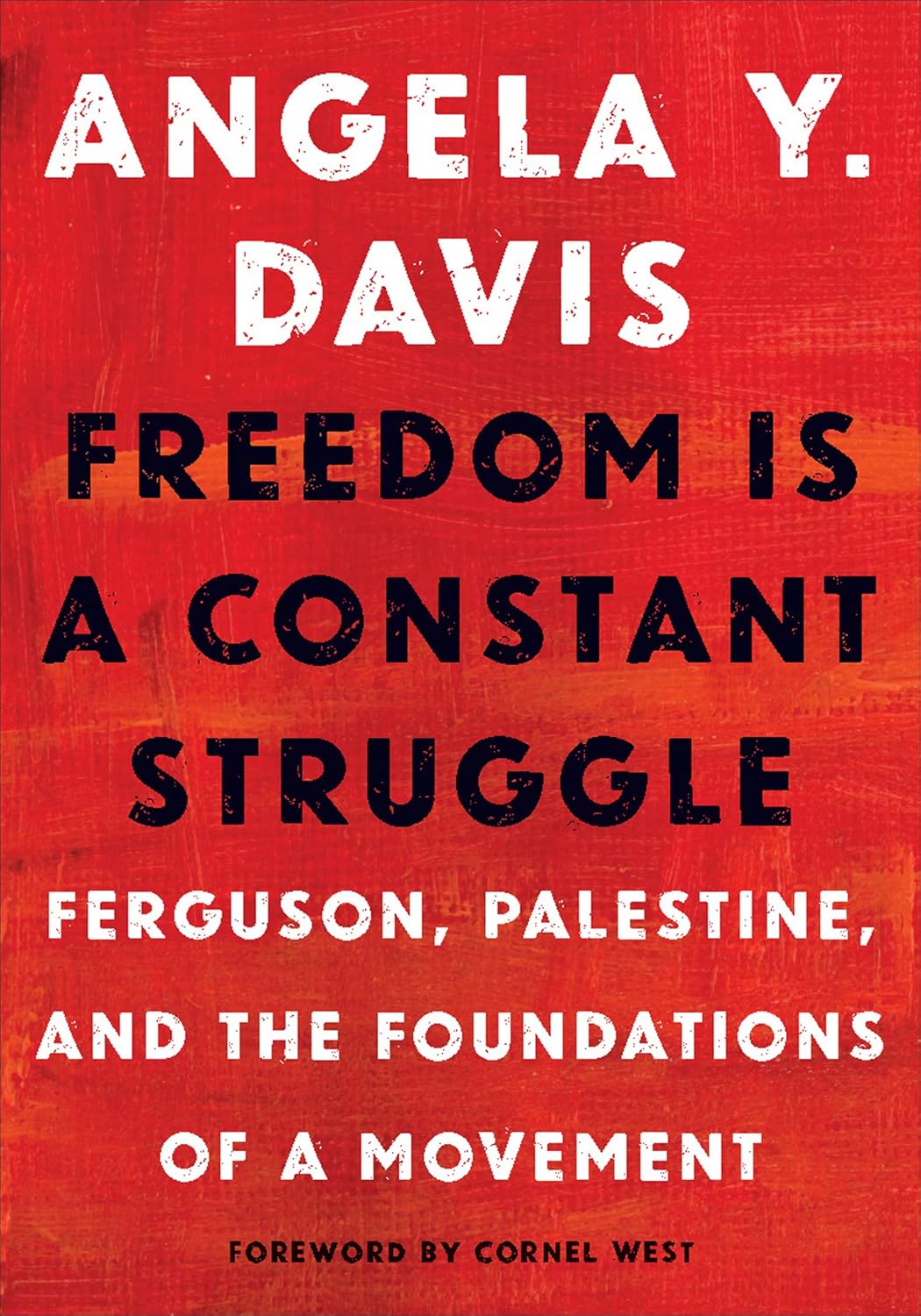
“Freedom Is a Constant Struggle: Ferguson, Palestine, and the Foundations of a Movement” by Angela Y. Davis is a powerful collection of essays and speeches that explores the intersections of social justice movements, particularly focusing on the struggles against racial oppression in the United States and the Palestinian struggle for liberation. Davis draws connections between the experiences of marginalized communities, emphasizing the global nature of resistance against systemic injustice. Through her analysis, she highlights the importance of solidarity, intersectionality, and the need for a comprehensive understanding of freedom that transcends borders. The book serves as a call to action for activists and allies to unite in the fight for justice and equality.

The outline that follows captures the main themes and structure of “Freedom Is a Constant Struggle,” highlighting Angela Y. Davis’s critical analysis of contemporary social justice movements and her call for solidarity in the fight against oppression. The book serves as an important resource for understanding the interconnectedness of struggles for liberation and the necessity of collective action in achieving social justice.

I. Introduction

  • Overview of the book’s purpose: to connect struggles for liberation across different contexts
  • Introduction to Angela Y. Davis and her role as a prominent activist and scholar
  • The significance of examining the intersections of race, class, and gender in social movements

II. Historical Context of Struggles

  • Examination of the historical roots of racial oppression in the United States
  • Overview of the Palestinian struggle for self-determination and liberation
  • Discussion of the global context of colonialism and its impact on marginalized communities

III. The Ferguson Uprising

  • Analysis of the events surrounding the Ferguson protests following the shooting of Michael Brown
  • Exploration of the role of grassroots organizing and community response to police violence
  • Connection between the Ferguson movement and broader Black Lives Matter activism

IV. Solidarity with Palestine

  • Examination of the parallels between the struggles of Black Americans and Palestinians
  • Discussion of the Boycott, Divestment, Sanctions (BDS) movement and its significance
  • The importance of international solidarity in the fight against oppression

V. Intersectionality in Activism

  • Analysis of the importance of intersectionality in understanding social justice movements
  • Exploration of how race, gender, class, and sexuality intersect in the struggle for liberation
  • The role of women and LGBTQ+ individuals in movements for social change

VI. The Role of Education and Consciousness

  • Discussion of the importance of political education and consciousness-raising in activism
  • The need for critical engagement with history and current events to inform movement-building
  • The role of art, culture, and literature in inspiring and mobilizing communities

VII. Reflections on the Future of Movement-Building

  • Insights into the potential for transformative change through collective action
  • The importance of maintaining momentum and solidarity among diverse movements
  • A vision for a more just and equitable future, grounded in the principles of freedom and liberation

VIII. Conclusion

  • Summary of key themes and insights from the book
  • Reflection on the ongoing struggles for justice and the interconnectedness of movements
  • A call to action for readers to engage in the fight for freedom and equality across borders

“Freedom Is a Constant Struggle: Ferguson, Palestine, and the Foundations of a Movement” by Angela Y. Davis is a profound exploration of the connections between various social justice movements, particularly the struggles against systemic racism in the United States and the fight for Palestinian liberation. Through a series of essays and speeches, Davis articulates her vision of a world where freedom and justice are accessible to all, emphasizing the importance of solidarity and collective action.

Key Themes and Insights

  1. Interconnected Struggles:
    • Davis draws parallels between the struggles of Black Americans and Palestinians, highlighting how both groups face systemic oppression and violence rooted in colonialism and racism. She argues that understanding these connections is crucial for building a robust movement for justice.
    • The book emphasizes that the fight for freedom is not confined by national borders; rather, it is a global struggle against various forms of oppression.
  2. Ferguson and the Black Lives Matter Movement:
    • In her analysis of the Ferguson uprising, which followed the police shooting of Michael Brown, Davis discusses the grassroots organizing that emerged in response to state violence. She highlights the significance of the Black Lives Matter movement as a contemporary expression of the ongoing fight against racial injustice.
    • Davis emphasizes the need for sustained activism and community engagement to combat police brutality and systemic racism.
  3. Solidarity with Palestine:
    • Davis advocates for solidarity with the Palestinian struggle, articulating the importance of the Boycott, Divestment, Sanctions (BDS) movement as a means of resisting Israeli occupation and advocating for Palestinian rights.
    • She argues that recognizing the parallels between the experiences of Black Americans and Palestinians can strengthen solidarity efforts and amplify voices fighting for liberation.
  4. Intersectionality:
    • A significant theme in Davis’s work is the concept of intersectionality, which examines how various social identities (race, gender, class, and sexuality) intersect and impact individuals’ experiences of oppression.
    • Davis highlights the vital contributions of women and LGBTQ+ individuals to social justice movements, advocating for an inclusive approach that recognizes the diverse experiences within marginalized communities.
  5. Political Education and Consciousness:
    • Davis underscores the importance of political education in fostering a critical consciousness among activists. She believes that understanding history, systemic oppression, and current events is essential for effective movement-building.
    • The role of art, culture, and literature in inspiring and mobilizing communities is also emphasized, as these mediums can be powerful tools for raising awareness and fostering solidarity.
  6. Vision for the Future:
    • In her reflections on the future of social justice movements, Davis expresses hope for transformative change through collective action and solidarity. She envisions a world where liberation is not just a dream but a reality for all oppressed people.
    • The book concludes with a call to action, urging readers to engage in the ongoing fight for justice and to recognize their roles as allies in various struggles for liberation.

Conclusion

“Freedom Is a Constant Struggle” is a vital contribution to contemporary discussions about social justice, activism, and solidarity. Angela Y. Davis’s eloquent and insightful analysis encourages readers to recognize the interconnectedness of struggles for liberation and to engage actively in the fight against oppression. By drawing on her extensive experience as an activist, scholar, and thinker, Davis provides a framework for understanding the complexities of social justice movements and the importance of collective action.

The book serves as both an educational resource and a rallying cry for those committed to social change, emphasizing that the pursuit of freedom is a continuous journey that requires dedication, solidarity, and a deep understanding of the struggles faced by marginalized communities worldwide.

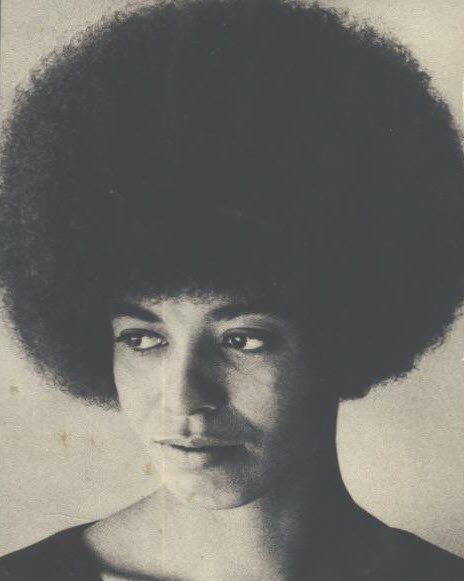
Click to view full size.

Freedom Is a Constant Struggle_eBook

Angela Y. Davis’s “Freedom Is a Constant Struggle” serves as both a historical account and a manifesto for contemporary resistance, urging readers to recognize the interconnections between various social justice movements and to work collectively towards a more just world

Pop the documents out from the upper right to read / expand / download.

Freedom Is a Constant Struggle_Audiobook

Audio start with Forward and corresponds to page 8 of the above Reader.

ORIGINAL_Gil Scott-Heron – “The Revolution Will Not Be Televised” – w-Lyrics
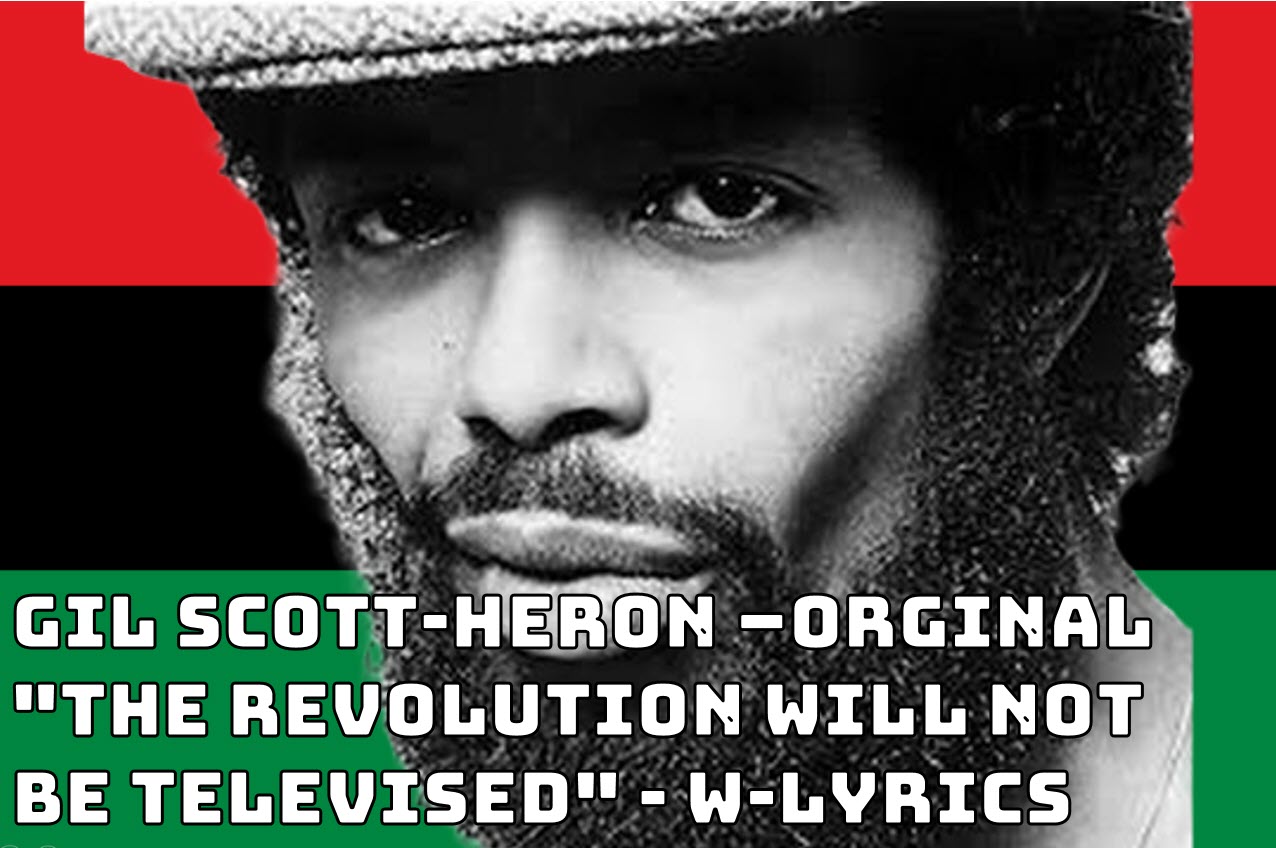
Gil Scott-Heron – The Revolution Will Not Be Televised – w-Lyrics

“The Revolution Will Not Be Televised” is a poem and song by Gilbert “Gil” Scott-Heron (April 1, 1949 – May 27, 2011). Song was originally a poem, inspired by the death of Gil’s College Classmate and friend Ron Colbert in November 1969. Colbert died after suffering from a brain Aneurysm, and going untreated while on Campus. The tragedy could have been avoided if the campus infirmary had been staffed and open around the clock. This led to boycotts, protests and demand for change.

Learn more in RBG Communiversity Knowledge Media eLibrary:

Gil Scott Heron Video Anthology

A People Betrayed: The Role of the West in Rwanda’s Genocide by Linda Melvern_eBook and Audiobook, with Supplemental_Rwanda: A Nation Resilient in the Aftermath of Genocide, by Samuel Totten

Book Summary

“A People Betrayed: The Role of the West in Rwanda’s Genocide” by Linda Melvern offers a critical analysis of the international community’s failure to prevent and respond to the Rwandan genocide that occurred in 1994. The book examines the political, social, and historical contexts that led to the genocide, focusing on the complicity and inaction of Western governments and organizations. Melvern argues that the West’s neglect and misguided policies significantly contributed to the scale of the tragedy, highlighting the moral responsibilities of the international community in the face of human rights atrocities.

Essential Themes and Historical Context:

  1. Introduction to the Rwandan Genocide
    • Overview of the genocide and its historical significance
    • Introduction to the themes of betrayal and complicity
  2. Historical Background
    • Exploration of Rwanda’s colonial history and ethnic tensions
    • The impact of Belgian colonialism on Hutu-Tutsi relations
    • Key events leading up to the genocide, including the civil war
  3. The Build-Up to Genocide
    • Analysis of the political climate in Rwanda in the early 1990s
    • The role of propaganda and hate speech in inciting violence
    • Examination of the Rwandan Patriotic Front (RPF) and its goals
  4. International Response and Inaction
    • Evaluation of the United Nations’ involvement prior to and during the genocide
    • Critique of Western governments’ policies and actions (or lack thereof)
    • Discussion on the role of NGOs and humanitarian organizations
  5. The Genocide Unfolds
    • Detailed account of the events during the genocide from April to July 1994
    • Personal testimonies and narratives of survivors
    • Examination of the tactics used by perpetrators and the scale of violence
  6. Consequences of Inaction
    • Analysis of the aftermath of the genocide and its global implications
    • The long-term effects on Rwandan society and regional stability
    • Discussion of accountability and justice for the perpetrators
  7. Lessons Learned and Unlearned
    • Reflection on the lessons from the Rwandan genocide for international relations
    • Examination of how the genocide has influenced humanitarian intervention policies
    • Critique of the ongoing failures to address similar crises worldwide
  8. Conclusion
    • Summary of key arguments and insights from Melvern’s analysis
    • Call for recognition of moral responsibility in preventing future genocides

A People Betrayed: The Role of the West in Rwanda’s Genocide_eBook

In Rwanda in 1994 one million people were killed in a planned, public and political campaign. For six years Linda Melvern has worked on the story of this horrendous crime, and this book, a classic piece of investigative journalism, is the result. Its new and startling information has the making of an international scandal. The book contains a full narrative account of how the genocide unfolded and describes its scale, speed and intensity. And the book provides a terrible indictment, not just of the UN Security Council, but even more so of governments and individuals who could have prevented what was happening but chose not to do so. Drawing on a series of in-depth interviews, the author also tells the story of the unrecognized heroism of those who stayed on during the genocide – volunteer UN peacekeepers, their Force Commander the Canadian Lt.-General Romeo A. Dallaire, and Philippe Gaillard, the head of a delegation of the International Committee of the Red Cross, helped by medical teams from Medecins Sans Frontieres. The international community, which fifty years ago resolved that genocide never happened again, not only failed to prevent it happening in Rwanda, but, as this book shows, international funds intended to help the Rwandan economy actually helped to create the conditions that made the genocide possible. Documents held in Kigali, the Rwandan capital, as well as hitherto unpublished evidence of secret UN Security Council deliberations in New York, reveal a shocking sequence of events.
What happened in Rwanda shows that despite the creation of an organization set up to prevent a repetition of genocide – for the UN is central to this task – it failed to do so, even when the evidence was indisputable. At a time when increasing attention is being given to the need for UN reform, this book provides evidence to urgently accelerate and focus that process. Only by understanding how and why the genocide happened can there be any hope that this new century will break with the dismal record of the last.

Pop the documents out from the upper right to read / expand / download.

A People Betrayed: The Role of the West in Rwanda’s Genocide_Audiobook

Audio start in earnest (Rwanda Genocide April 1994 @ 4 mins. 55 sec.) and corresponds to page 14 of the above Reader.

Part 1

Part 2

Supplemental_Rwanda: A Nation Resilient in the Aftermath of Genocide, by Samuel Totten

Learn more in RBG Communiversity Knowledge Media eLibrary:

Black Panther_ The Revolutionary Art of Emory Douglas (Book Preview) and Emory Douglas_The Art of The Black Panthers (BPP |BAM Video Player), with BPP Newspapers_1969

Buy the Book here. https://www.rizzoliusa.com/book/9780847841899/ (228 Pages.)

4 Video Playlist

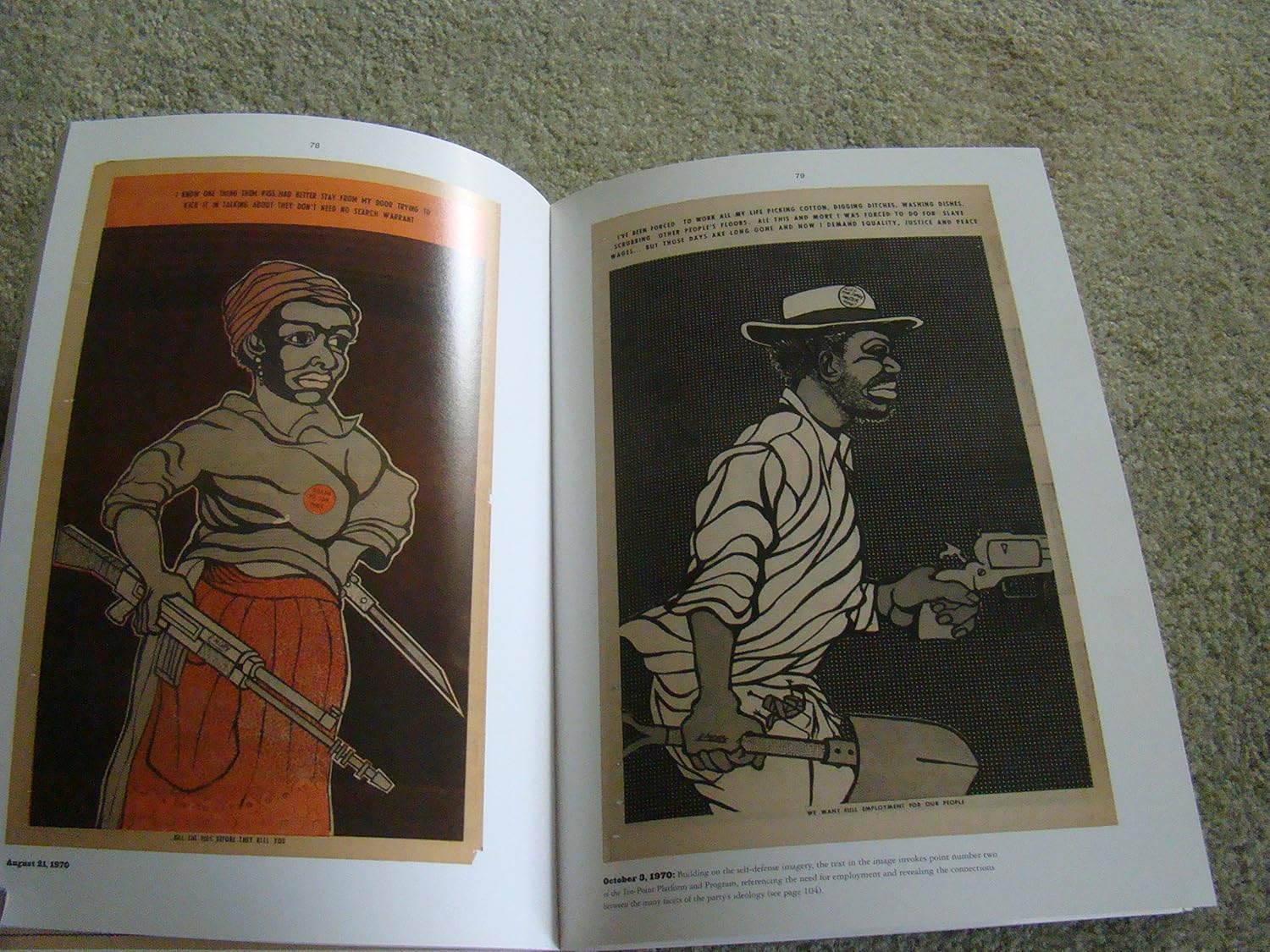
Black Panther_ The Revolutionary Art of Emory Douglas, Publish 2014. (Book Preview)

Description

A reformatted and reduced price edition—including a revised and updated introduction by Sam Durant and new text on the artist today by Colette Gaiterof the first book to show the provocative posters and groundbreaking graphics of the Black Panther Party. The Black Panther Party for Self Defense, formed in the aftermath of the assassination of Malcolm X in 1965, sounded a defiant cry for an end to the institutionalized subjugation of African Americans. The Black Panther newspaper was founded to articulate the party’s message, and artist Emory Douglas became the paper’s art director and later the party’s minister of culture. Douglas’s artistic talents and experience proved a powerful combination: his striking collages of photographs and his own drawings combined to create some of the era’s most iconic images. This landmark book brings together a remarkable lineup of party insiders who detail the crafting of the party’s visual identity.

About The Author

Emory Douglas was the Minister of Culture for the Black Panther Party from 1967 until its discontinuation in the early 1980s. Colette Gaiter is associate professor of visual communications in the art department at the University of Delaware.  Bobby Seale co-founded the Black Panther Party with Huey Newton. Sam Durant is a Los Angeles–based artist. Danny Glover is an actor, producer, and director. Kathleen Cleaver, attorney, author, and senior lecturer at Yale University and Emory Law School, joined the Black Panther Party in 1967. Amiri Baraka is a writer and political activist.

Pop the document out from the upper right to read / expand / download.

BPP Newspapers_1969

Click to Open

Learn more in RBG Communiversity Knowledge Media eLibrary:

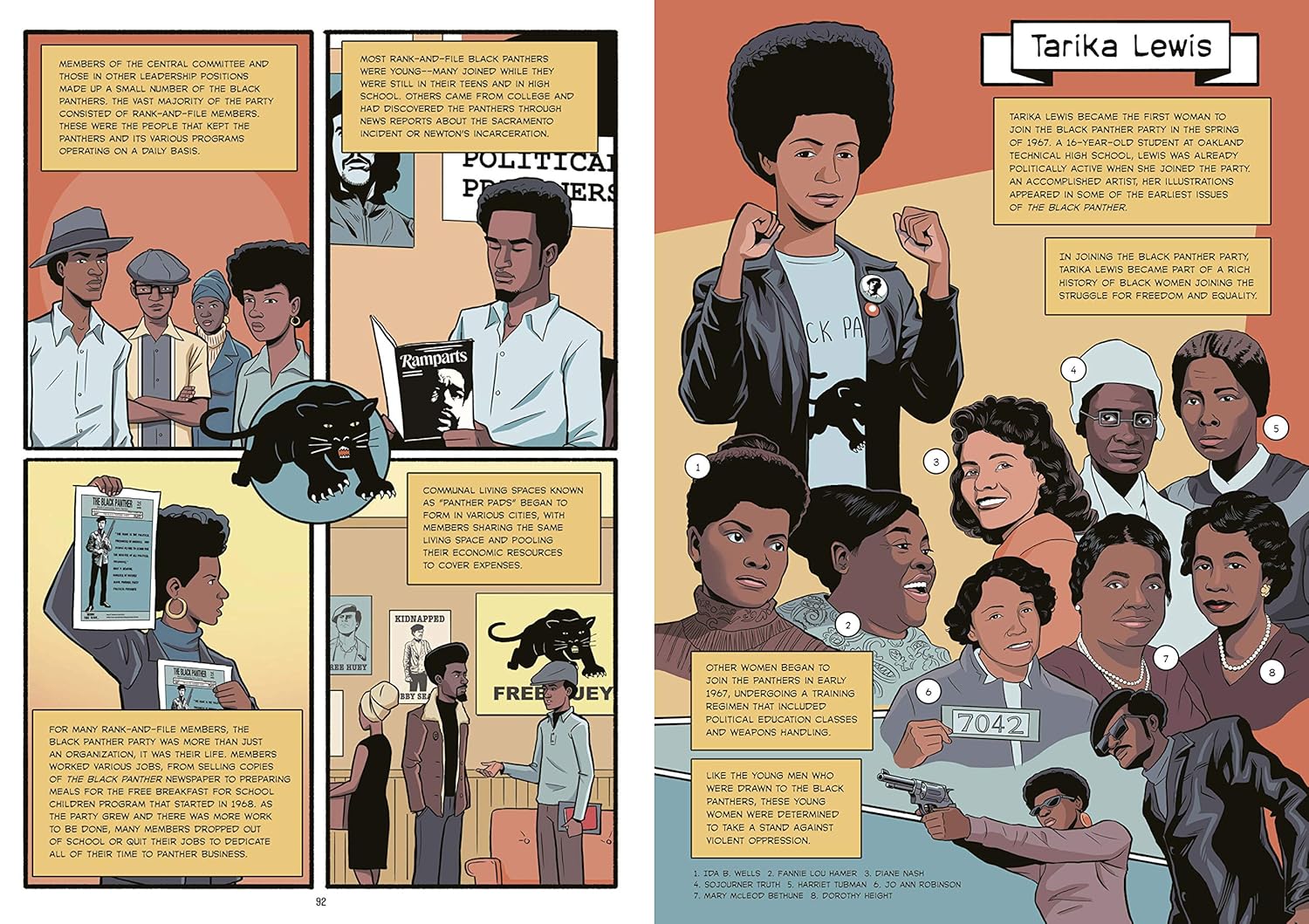
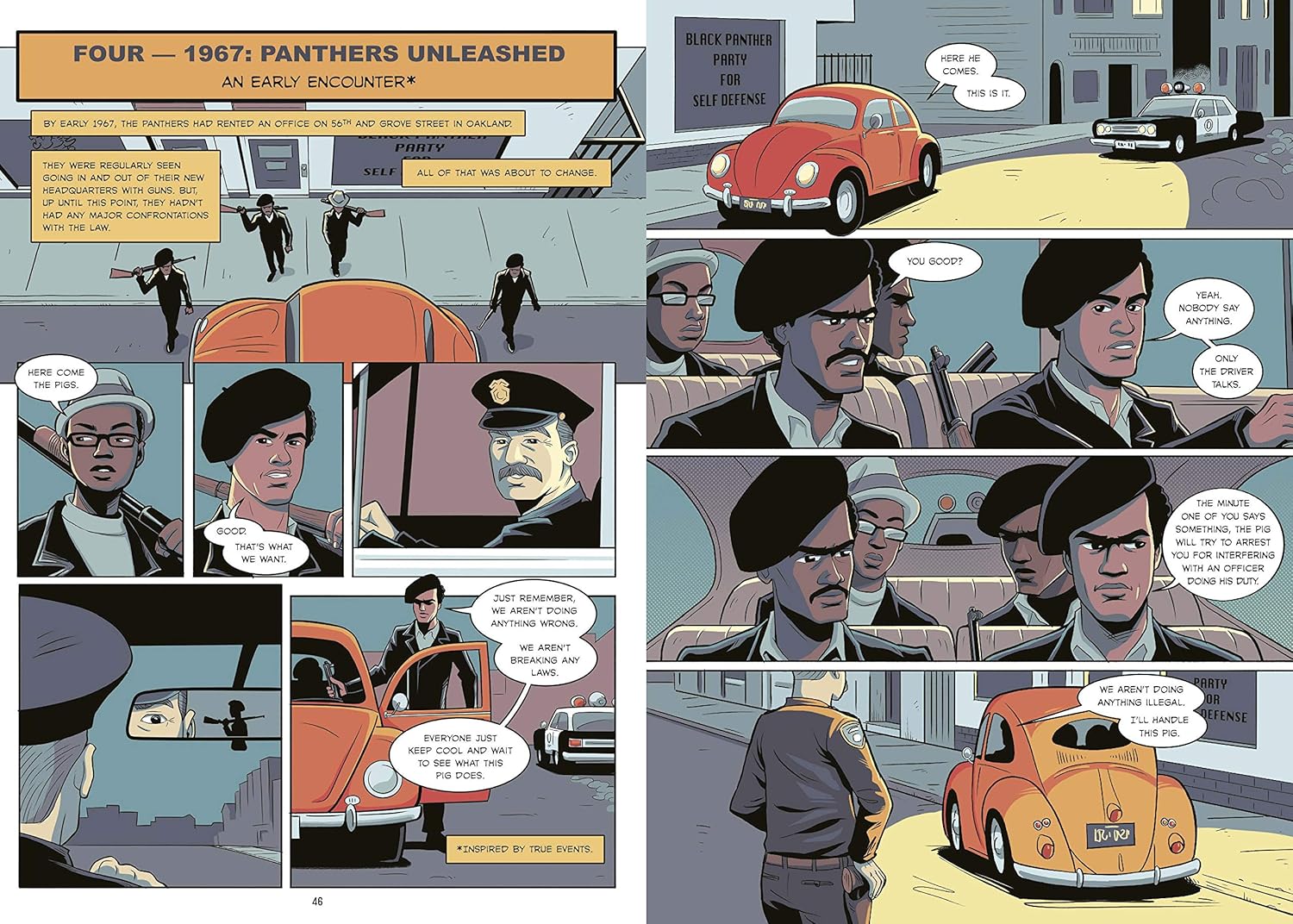
The Black Panther Party: A Graphic Novel History, by David F. Walker (Author), Marcus Kwame Anderson (Illustrator), with RBG| FBI_COINTELPRO Video Education Player

WINNER OF THE EISNER AWARD • “A bold and fascinating graphic novel history of the revolutionary Black Panther Party.”


Founded in Oakland, California, in 1966, the Black Panther Party for Self-Defense was a radical political organization that stood in defiant contrast to the mainstream civil rights movement. This gripping illustrated history explores the impact and significance of the Panthers, from their social, educational, and healthcare programs that were designed to uplift the Black community to their battle against police brutality through citizen patrols and frequent clashes with the FBI, which targeted the Party from its outset.

Using dramatic comic book-style retellings and illustrated profiles of key figures, The Black Panther Party captures the major events, people, and actions of the party, as well as their cultural and political influence and enduring legacy.

The Black Panther Party: A Graphic Novel History, by David F. Walker (Author), Marcus Kwame Anderson (Illustrator)

Pop the document out from the upper right to read / expand / download.

RBG| FBI_COINTELPRO Video Education Player

8 Video Playlist

Learn more in RBG Communiversity Knowledge Media eLibrary:
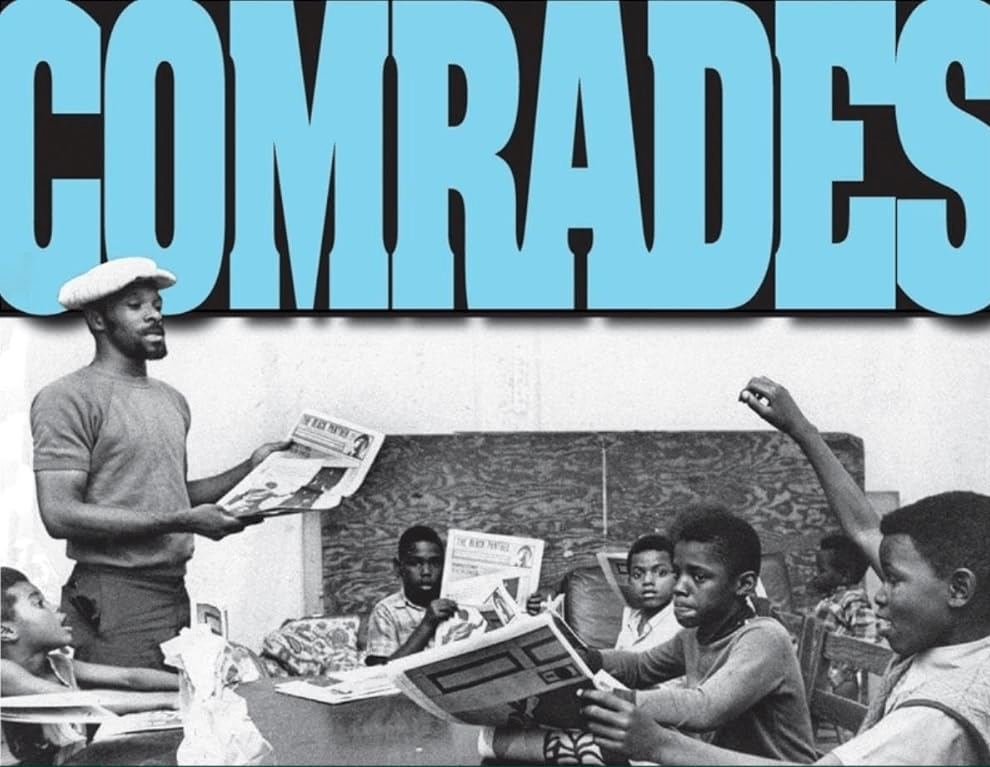
Comrades: A Local History of the Black Panther Party _eBook and Audiobook, Edited by Judson L. Jeffries, with Rebuild Collective Video Education Player 

The Black Panther Party for Self-Defense was founded in Oakland, California, in 1966 by Huey P. Newton and Bobby Seale. It was perhaps the most visible of the Black Power groups in the late 60s and early 70s, not least because of its confrontational politics, its rejection of nonviolence, and its headline-catching, gun-toting militancy. Important on the national scene and highly visible on college campuses, the Panthers also worked at building grassroots support for local black political and economic power. Although there have been many books about the Black Panthers, none has looked at the organization and its work at the local level. This book examines the work and actions of seven local initiatives in Baltimore, Winston-Salem, Cleveland, Indianapolis, Milwaukee, Philadelphia, and Los Angeles. These local organizations are revealed as committed to programs of community activism that focused on problems of social, political, and economic justice.

Comrades: A Local History of the BPP_eBook

Pop the document out from the upper right to read / expand / download.

Comrades: A Local History of the BPP_Audiobook

Part 1

Part 2

Rebuild Collective Video Education Player 

11 Video Playlist

Learn more in RBG Communiversity Knowledge Media eLibrary: