The Crimes of Empire: The History and Politics of an Outlaw Nation by Carl Boggs_eBook and Audiobook

Book Summary

“The Crimes of Empire: The History and Politics of an Outlaw Nation” critically analyzes the foreign policy of the United States, asserting that the U.S. operates as an “outlaw nation” that frequently disregards international laws and norms. Boggs examines the historical roots of American imperialism, the influences of corporate interests, and the patterns of militarism and violence that characterize U.S. actions on the global stage. Through a comprehensive exploration of these themes, the book aims to shed light on the motivations behind U.S. foreign policy decisions and their implications for global peace and justice.

“The outline that follows captures the key themes and structure of ‘The Crimes of Empire: The History and Politics of an Outlaw Nation’ , highlighting the critical examination of U.S. foreign policy as an expression of imperialism, the influence of corporate interests, the patterns of militarism and violence, and the ideological narratives that justify America’s actions on the global stage.”

I. Introduction

  • A. Concept of the “Outlaw Nation”
  • B. Objectives and scope of the book
  • C. Significance of critiquing U.S. foreign policy

II. Historical Context of U.S. Imperialism

  • A. Foundations of American Imperialism
    • Manifest Destiny and territorial expansion
    • The impact of the Spanish-American War
  • B. Cold War Interventions
    • Strategies of containment and military interventions
  • Proxy wars and regime change initiatives

III. Corporate Influence on Foreign Policy

  • A. Interplay between Corporations and State Power
    • The role of multinational corporations in shaping policy
    • Economic motivations behind interventions
  • B. Case Studies
    • Oil interests in the Middle East
  • Mining and resource extraction in Latin America

IV. Patterns of Militarism and Violence

  • A. Military Interventions
    • Justifications for military actions
    • Effects on civilian populations and stability
  • B. Human Rights Violations
    • Examination of war crimes and accountability
  • Torture and abuses in conflict zones

V. Ideological Underpinnings of U.S. Actions

  • A. Rhetoric of Democracy and Freedom
    • Humanitarian intervention as a pretext
    • Critique of liberal imperialism
  • B. American Exceptionalism
    • Historical context and implications for foreign policy
  • Challenges to the exceptionalism narrative

VI. Contemporary Challenges in U.S. Foreign Policy

  • A. The War on Terror
    • Military actions and justifications since 9/11
    • Global security implications and consequences
  • B. Diplomatic Relations
    • Tensions with Russia and China
  • Effects of sanctions and isolationist policies

VII. Alternatives and Paths Forward

  • A. Vision for a New Global Order
    • Building international solidarity and grassroots movements
    • Emphasizing diplomacy over militarism
  • B. Advocating for Just Foreign Policy
    • Principles of accountability and transparency
  • Role of civil society in influencing policy

VIII. Conclusion

  • A. Recap of key insights and arguments
  • B. Urgency of re-evaluating U.S. foreign policy
  • C. Call to action for a more equitable global framework

“The Crimes of Empire: The History and Politics of an Outlaw Nation” provides an in-depth critique of U.S. foreign policy, examining the historical patterns, ideological motivations, and consequences of American actions on the global stage. Here’s a more detailed exploration of the key themes and insights presented in the book:

Key Themes and Insights

1. Concept of the “Outlaw Nation”

  • Definition: Boggs posits that the United States operates as an “outlaw nation,” meaning it frequently engages in actions that violate international law, norms, and principles of sovereignty. This characterization challenges the conventional view of the U.S. as a promoter of democracy and human rights.
  • Implications: The label suggests a need to critically assess U.S. foreign policy actions and their impact on global stability, justice, and human rights.

2. Historical Context of U.S. Imperialism

  • Manifest Destiny: Boggs traces the roots of American imperialism back to the 19th century, where the ideology of Manifest Destiny justified territorial expansion across North America. This expansion often involved the displacement and subjugation of Indigenous populations.
  • Spanish-American War: The 1898 conflict marked a significant turning point, as the U.S. began to assert its influence beyond its borders, acquiring territories such as Puerto Rico and the Philippines. Boggs argues that this was an early manifestation of imperial ambitions.

3. Cold War Dynamics

  • Containment Strategy: During the Cold War, the U.S. adopted a strategy of containment against communism, leading to military interventions and support for authoritarian regimes that aligned with American interests. Boggs examines the ideological justification for these actions, often framed as necessary for global security.
  • Proxy Conflicts: The U.S. engaged in numerous proxy wars, supporting regimes and insurgencies in various regions to counter Soviet influence. This often resulted in human rights abuses and long-term destabilization in affected countries.

4. Corporate Influence on Foreign Policy

  • Economic Motives: Boggs highlights the significant role of multinational corporations in shaping U.S. foreign policy, arguing that economic interests often drive military interventions. He explores how corporate lobbying and investments influence decision-making at the highest levels of government.
  • Resource Exploitation: Case studies, particularly in the oil and mining sectors, illustrate how U.S. actions are frequently motivated by the desire to secure access to valuable resources, often at the expense of local populations and environments.

5. Militarism and Violence

  • Military Interventions: The book critiques the frequent use of military force by the U.S. as a tool of foreign policy, questioning the justifications provided for these interventions. Boggs highlights the devastating consequences for civilian populations and the long-term impacts on global peace.
  • Human Rights Violations: Boggs addresses the issue of accountability for war crimes and human rights violations committed during U.S.-led conflicts. He emphasizes the need for recognition and redress for affected communities.

6. Ideological Frameworks

  • Rhetoric of Freedom: The author critiques the use of humanitarian intervention and the promotion of democracy as justifications for military action. He argues that these narratives often mask the underlying imperial motives and lead to further conflict.
  • American Exceptionalism: Boggs examines the concept of American exceptionalism, which posits that the U.S. has a unique role in promoting democracy and freedom. He argues that this narrative can hinder critical reflection on the harmful impacts of U.S. policies abroad.

7. Contemporary Challenges

  • Post-9/11 Foreign Policy: The book analyzes the ramifications of the War on Terror, initiated after the September 11 attacks. Boggs discusses how this has led to prolonged military engagements and a shift in U.S. foreign policy toward more aggressive postures.
  • Geopolitical Tensions: Boggs explores current tensions with nations like Russia and China, emphasizing how U.S. policies can provoke conflict and undermine international stability.

8. Alternatives and Solutions

  • New Global Order: Boggs advocates for a reimagining of international relations that prioritizes diplomacy, cooperation, and grassroots movements over militarism and imperialism. He calls for a shift towards policies that respect sovereignty and promote social justice.
  • Role of Civil Society: The book emphasizes the importance of civil society in holding governments accountable and advocating for a just foreign policy. Boggs encourages collective action and solidarity among nations to challenge imperial practices.

Conclusion

Carl Boggs’ “The Crimes of Empire” provides a thorough and critical examination of U.S. foreign policy, exposing the complexities and contradictions inherent in America’s role on the world stage. By analyzing historical patterns, corporate influences, and ideological motivations, the book challenges readers to reconsider the narratives surrounding U.S. actions and their implications for global peace and justice. Boggs’ work serves as a call to action for a more equitable and responsible approach to international relations, emphasizing the need for accountability and a commitment to the principles of sovereignty and human rights.

The Crimes of Empire: The History and Politics of an Outlaw Nation _eBook

Pop the documents out from the upper right to read / expand / download.

The Crimes of Empire: The History and Politics of an Outlaw Nation _Audiobook

Part 1

Book starts in ernest with the Foreward (@ 3:00 mins. and corresponds to page 8 of the above reader. )


Part 2

Learn more in RBG Communiversity Knowledge Media eLibrary

The CIA as Organized Crime: How Illegal Operations Corrupt America and the World by Douglas Valentine_eBook and Audiobook

Book Summary

“The CIA as Organized Crime: How Illegal Operations Corrupt America and the World” by Douglas Valentine offers a critical examination of the Central Intelligence Agency (CIA) and its activities, portraying the agency as a corrupt organization that operates outside the law, akin to organized crime syndicates. Valentine argues that the CIA has engaged in numerous illegal operations that not only undermine American democracy but also have devastating impacts on countries around the world. The book delves into the historical context of the CIA’s formation, its evolution over decades, and the implications of its covert actions on global politics and domestic governance. Through extensive research, interviews, and analysis, Valentine seeks to expose the agency’s complicity in drug trafficking, political manipulation, and other criminal activities.

The outline that follows captures the key themes and structure of Douglas Valentine’s “The CIA as Organized Crime: How Illegal Operations Corrupt America and the World.” The book serves as a provocative critique of the CIA, urging readers to reconsider the implications of its operations on both domestic policy and international affairs. Through detailed research and analysis, Valentine highlights the need for greater oversight and transparency in intelligence operations to protect democratic values and global stability.

I. Introduction

  • A. Purpose of the book
  • B. Overview of the CIA’s role in American history
  • C. Thesis: The CIA operates as an organized crime syndicate

II. Historical Context

  • A. Formation of the CIA
    • Origins in World War II and the Cold War
    • The shift from intelligence gathering to covert operations
  • B. Key events shaping the CIA’s identity
    • The Korean War and the CIA’s involvement
  • The Bay of Pigs invasion and its implications

III. The CIA’s Operations and Tactics

  • A. Covert actions and regime change
    • Examples of interventions in foreign governments
    • The impact of these actions on global stability
  • B. Involvement in drug trafficking
    • Historical connections to drug trade in Southeast Asia and Latin America
  • The role of the CIA in facilitating and profiting from narcotics
  • C. Psychological operations and propaganda
    • Use of disinformation and media manipulation
  • The impact on public perception and political discourse

IV. Corruption and Accountability

  • A. The culture of secrecy within the CIA
    • Lack of oversight and accountability
    • Consequences of a secretive approach to governance
  • B. Relationships with organized crime
    • Collaborations with criminal organizations
  • The blurring of lines between state and criminal activities
  • C. Legal and ethical implications
    • Violations of domestic and international laws
  • Challenges in prosecuting CIA operatives for illegal actions

V. The Impact on America

  • A. Erosion of democratic principles
    • How CIA operations undermine civil liberties
    • The influence on American foreign policy and public trust
  • B. The consequences of CIA actions abroad
    • Destabilization of nations and regions
  • Long-term effects on international relations

VI. Case Studies

  • A. Detailed analyses of specific CIA operations
    • Iran (1953) and Chile (1973) coups
    • The Iran-Contra affair and its ramifications
  • B. Examination of the CIA’s role in contemporary conflicts
    • Involvement in Afghanistan and the War on Drugs
  • Current implications of CIA practices in global politics

VII. Conclusion

  • A. Summary of key arguments and findings
  • B. Call for transparency and accountability in intelligence operations
  • C. Vision for a more ethical foreign policy and governance

Douglas Valentine’s “The CIA as Organized Crime: How Illegal Operations Corrupt America and the World” is a provocative and comprehensive critique of the Central Intelligence Agency (CIA), focusing on its historical and ongoing activities that, in Valentine’s view, align more closely with organized crime than with the legitimate functions of a government agency. Here’s a deeper exploration of the key themes, insights, and implications presented in the book:

Detailed Exploration of Key Themes

1. Historical Context

  • Formation and Evolution of the CIA: Valentine traces the origins of the CIA back to World War II and its transformation during the Cold War. He discusses how the agency was initially created to gather intelligence but quickly shifted towards covert operations, including regime changes and interventions in foreign countries. This evolution set the stage for a culture of secrecy and a lack of accountability.
  • Critical Events: Key historical events, such as the Korean War and the Bay of Pigs invasion, are examined to illustrate how the CIA’s actions have shaped its identity and operational methods. These events highlight the agency’s willingness to engage in risky and illegal activities to achieve political goals.

2. Covert Operations and Tactics

  • Interventions and Regime Change: The book details numerous instances where the CIA intervened in foreign governments, often resulting in significant political upheaval. Valentine argues that these actions have had devastating consequences for the nations involved, creating long-term instability and suffering.
  • Drug Trafficking: One of the most controversial claims in the book is the assertion that the CIA has been complicit in drug trafficking operations. Valentine explores historical connections between the agency and the drug trade, particularly in Southeast Asia and Latin America. He presents evidence suggesting that the CIA not only turned a blind eye to drug trafficking but actively facilitated it to fund covert operations.
  • Psychological Operations: Valentine discusses the CIA’s use of psychological operations, including disinformation campaigns and media manipulation. He illustrates how these tactics have been employed to influence public perception and political discourse, often undermining democratic processes.

3. Corruption and Accountability

  • Culture of Secrecy: The book emphasizes the detrimental effects of the CIA’s secretive operations on American democracy. With little oversight, the agency operates in a manner that evades accountability, raising ethical and legal concerns about its actions both domestically and internationally.
  • Collaboration with Organized Crime: Valentine argues that the CIA has developed relationships with organized crime figures and groups, blurring the lines between state actions and criminal activities. This collaboration often serves the agency’s interests but raises serious moral questions about the implications of such alliances.
  • Legal and Ethical Violations: The book highlights numerous instances of illegal actions taken by the CIA, including violations of both U.S. laws and international treaties. Valentine calls for greater scrutiny and accountability for CIA operatives and their actions.

4. Impact on America and the World

  • Erosion of Democratic Principles: Valentine contends that the CIA’s operations have contributed to the erosion of civil liberties and democratic values in the United States. The normalization of covert actions and the justification of illegal operations have created a dangerous precedent for government overreach.
  • Global Consequences: The repercussions of the CIA’s actions extend far beyond U.S. borders. Valentine discusses the destabilization of regions and nations as a direct result of CIA interventions, which often lead to violence, chaos, and humanitarian crises.

5. Case Studies

  • Detailed Analyses: The book provides in-depth case studies of specific CIA operations, such as the coups in Iran (1953) and Chile (1973), and the Iran-Contra affair. These examples illustrate the agency’s willingness to engage in illegal and unethical practices to achieve its objectives.
  • Contemporary Conflicts: Valentine also examines the CIA’s involvement in modern conflicts, such as its role in Afghanistan and the War on Drugs. He raises questions about the continued relevance of the agency’s methods in today’s geopolitical landscape.

Implications and Legacy

  • Call for Reform: Valentine advocates for transparency and accountability in intelligence operations. He argues that a comprehensive reassessment of the CIA’s role and practices is necessary to restore public trust and uphold democratic values.
  • “Reevaluation of Intelligence Practices: The book challenges readers to critically evaluate the actions of intelligence agencies and to consider the broader implications of state-sponsored covert operations. It encourages a dialogue about the ethical responsibilities of government entities in conducting covert activities, the necessity for transparency and accountability, and the impact of these operations on democratic values and civil liberties.
  • Douglas Valentine’s “The CIA as Organized Crime: How Illegal Operations Corrupt America and the World” offers a detailed and often unsettling examination of the Central Intelligence Agency (CIA) and its practices.

1. The CIA as a Criminal Organization

  • Organized Crime Analogy: Valentine draws parallels between the CIA and organized crime syndicates, arguing that both operate outside the law for their own interests. He suggests that the CIA’s secretive operations and disregard for legal constraints resemble the tactics of criminal organizations, prioritizing power and profit over ethical considerations.
  • Corruption of Democratic Institutions: The book posits that the CIA’s actions undermine democratic governance in the U.S. and abroad. Valentine argues that the agency’s covert operations often subvert the will of the people and bypass democratic processes, leading to a culture of impunity.

2. Historical Context and Evolution

  • Foundational Events: Valentine traces the CIA’s origins back to World War II and the Cold War, highlighting how the agency was initially established to gather intelligence but quickly transitioned to executing covert operations. Key events, such as the Korean War and the Bay of Pigs invasion, illustrate the CIA’s aggressive posture in international politics.
  • Shift to Covert Operations: The evolution of the CIA from intelligence gathering to active intervention and regime change is a central theme. Valentine discusses how this shift has shaped U.S. foreign policy and the agency’s identity over the decades.

3. Covert Operations and Regime Change

  • Historical Examples: Valentine details numerous CIA operations aimed at overthrowing foreign governments, including the coups in Iran (1953) and Chile (1973). These case studies highlight the agency’s willingness to use extreme measures to achieve political goals, often resulting in significant human suffering and long-term instability in the affected regions.
  • Consequences of Interventions: The book examines the repercussions of these interventions, emphasizing that they often lead to backlash, resentment, and further conflict. Valentine argues that such actions create a cycle of violence that destabilizes nations and regions.

4. Drug Trafficking and Criminal Collaborations

  • Involvement in Drug Trade: One of the most controversial claims in the book is the CIA’s alleged involvement in drug trafficking. Valentine explores the historical connections between the agency and narcotics trade, particularly in Southeast Asia during the Vietnam War and in Latin America.
  • Collaboration with Criminal Organizations: The text discusses the CIA’s relationships with organized crime groups, suggesting that these collaborations blur the lines between state-sanctioned operations and criminal activities. This complicity raises serious ethical questions about the agency’s operations.

5. Accountability and Oversight

  • Culture of Secrecy: The book critiques the CIA’s culture of secrecy, arguing that it leads to a lack of accountability for illegal actions. Valentine contends that the absence of transparent oversight mechanisms allows the agency to operate with impunity, undermining public trust in government institutions.
  • Legal and Ethical Violations: Valentine highlights the numerous legal and ethical violations committed by the CIA, discussing the challenges of holding operatives accountable for their actions. He calls for greater scrutiny and reform to ensure that intelligence operations adhere to the rule of law.

6. Impact on American Society and Foreign Relations

  • Erosion of Democratic Principles: Valentine argues that the CIA’s operations have contributed to the erosion of civil liberties in the U.S., as government surveillance and covert actions often infringe on individual rights. He explores the implications of this erosion for American democracy and public trust.
  • Global Consequences: The book examines how the CIA’s actions have destabilized foreign nations and impacted international relations. Valentine posits that the agency’s interventions often lead to long-term negative consequences, including the rise of anti-American sentiment and increased conflict.

Implications and Legacy

  • Reassessment of Intelligence Practices: Valentine’s work calls for a critical reassessment of intelligence practices and the ethical implications of covert operations. He urges readers to consider the long-term consequences of the CIA’s actions on both domestic and global scales.
  • Advocacy for Reform: The book advocates for reforms aimed at increasing transparency and accountability in intelligence agencies. Valentine argues that a more ethical approach to intelligence operations is necessary to restore public trust and protect democratic values.
  • Influence on Contemporary Discussions: “The CIA as Organized Crime” contributes to ongoing discussions about national security, civil liberties, and the role of intelligence in modern governance. It serves as a valuable resource for understanding the complexities of U.S. foreign policy and the challenges posed by secretive operations.

Conclusion

In conclusion, Douglas Valentine’s “The CIA as Organized Crime: How Illegal Operations Corrupt America and the World” provides a provocative critique of the CIA and its practices. By drawing parallels between the agency and organized crime, Valentine challenges readers to reconsider the implications of covert operations on democracy, accountability, and global stability. Through detailed historical analysis and case studies, the book underscores the need for transparency and reform in intelligence practices, highlighting the urgent importance of ethical governance in a complex world.

The CIA as Organized Crime: How Illegal Operations Corrupt America and the World_eBook

Pop the documents out from the upper right to read / expand / download.

The CIA as Organized Crime: How Illegal Operations Corrupt America and the World_Audiobook

Part 1

Part 2

Learn more in RBG Communiversity Knowledge Media eLibrary

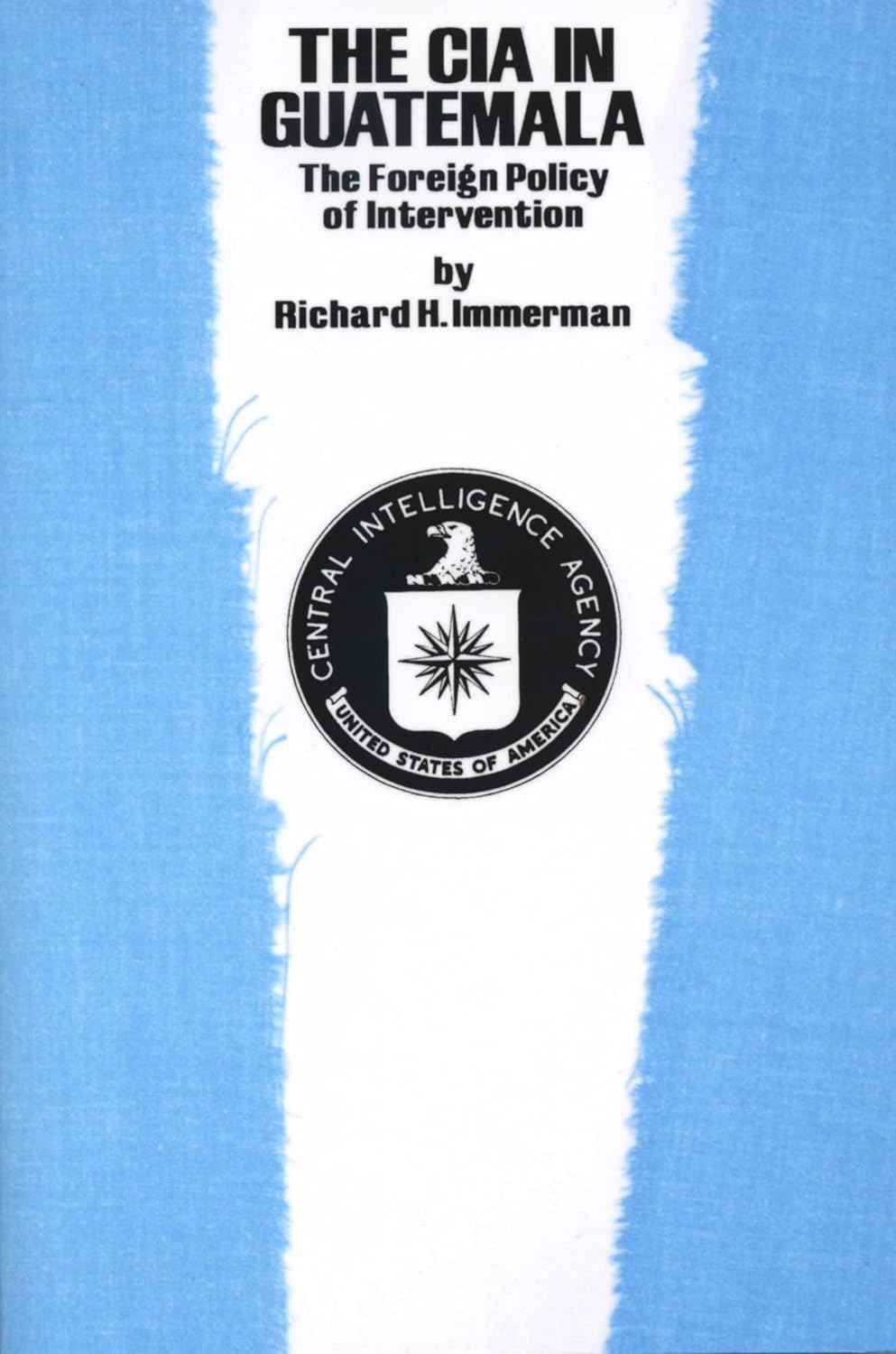
The CIA in Guatemala: The Foreign Policy of Intervention by Richard H. Immerman_eBook and Audiobook, with The CIA in Guatemala Video Education Player

Using documents obtained through the Freedom of Information Act, recently opened archival collections, and interviews with the actual participants, Immerman provides us with a definitive, powerfully written, and tension-packed account of the United States’ clandestine operations in Guatemala and their consequences in Latin America today.

Book Summary

“The CIA in Guatemala: The Foreign Policy of Intervention” by Richard H. Immerman provides a comprehensive analysis of the United States’ covert operations in Guatemala during the early Cold War period, particularly the CIA’s involvement in the overthrow of the democratically elected President Jacobo Árbenz in 1954. Immerman explores the political, economic, and ideological motivations behind U.S. intervention, the impact of the coup on Guatemala’s political landscape, and the broader implications for U.S. foreign policy in Latin America. The book combines historical narrative with critical analysis, shedding light on the complexities of American interventionism.

The outline that follows captures the essential themes and structure of Richard H. Immerman’s “The CIA in Guatemala: The Foreign Policy of Intervention.” The book serves as an important historical document that not only recounts the events surrounding the 1954 coup but also critically examines the motivations and consequences of U.S. intervention in Guatemala, providing valuable insights into the complexities of Cold War foreign policy.

I. Introduction

  • A. Overview of U.S. involvement in Guatemala
  • B. Importance of the 1954 coup in the context of Cold War foreign policy
  • C. Objectives of the book

II. Historical Context

  • A. Political landscape of Guatemala before the coup
    • Overview of colonial history and socio-economic conditions
    • Rise of Jacobo Árbenz and his reform agenda
  • B. U.S. interests in Guatemala
    • Economic interests, particularly regarding the United Fruit Company
  • Strategic concerns during the Cold War

III. The Rise of Jacobo Árbenz

  • A. Political reforms and land redistribution policies
    • Agrarian reform and its implications
    • Opposition from conservative elites and foreign interests
  • B. The perception of Árbenz as a communist threat
    • Cold War ideology and fears of communism in Latin America
  • U.S. intelligence assessments and misinterpretations

IV. Planning the Coup

  • A. CIA’s role in orchestrating the coup
    • Formation of Operation PBSUCCESS
    • Key players involved in the planning and execution
  • B. Psychological warfare and propaganda
    • Use of media and misinformation to undermine Árbenz
  • Mobilizing support from local elites and military

V. The 1954 Coup

  • A. Execution of the coup on June 27, 1954
    • Overview of military actions and key events
    • Impact on Árbenz and his government
  • B. Immediate aftermath and reactions
    • Responses from the Guatemalan populace
  • International reaction and implications for U.S. foreign policy

VI. Consequences of the Intervention

  • A. Political instability in Guatemala
    • Rise of military regimes and authoritarianism
    • Long-term effects on democracy and governance
  • B. Human rights violations and civil conflict
    • Escalation of violence and repression against dissent
  • Legacy of the Guatemalan civil war
  • C. Broader implications for U.S. foreign policy in Latin America
    • Shifts in interventionist strategies
  • Influence on future U.S. actions in the region

VII. Conclusion

  • A. Summary of key findings and arguments
  • B. Reflection on the impact of U.S. intervention in Guatemala
  • C. Lessons learned for contemporary foreign policy

Richard H. Immerman’s “The CIA in Guatemala: The Foreign Policy of Intervention” is a critical examination of one of the most significant covert operations in U.S. history. Here’s a more detailed exploration of the book’s key themes, context, and implications:

Detailed Exploration of Key Themes

1. Historical Context

  • Colonial Legacy and Socio-Economic Conditions: Immerman sets the stage by detailing Guatemala’s colonial history, which laid the groundwork for deep social and economic inequalities. The country was dominated by a small elite, primarily landowners and foreign corporations, particularly the United Fruit Company (UFCO), which held significant economic power.
  • Jacobo Árbenz’s Rise: After World War II, Guatemala experienced a wave of reform movements. Jacobo Árbenz became president in 1951 and sought to implement progressive policies, including land reforms aimed at redistributing land from large estates to landless peasants. These reforms were seen as a direct threat to the interests of UFCO and traditional elites.

2. U.S. Interests and Cold War Context

  • Economic and Strategic Interests: The U.S. was deeply concerned about the influence of communism in Latin America during the Cold War. The nationalization of UFCO land by Árbenz was perceived as a communist threat, prompting U.S. intervention to protect American economic interests.
  • Cold War Ideology: The book discusses the broader ideological battle of the Cold War, where the U.S. sought to prevent the spread of communism. This led to a willingness to intervene in the affairs of sovereign nations, especially in regions perceived as vulnerable to Soviet influence.

3. The Coup Planning

  • Operation PBSUCCESS: Immerman details how the CIA devised Operation PBSUCCESS, a covert plan to overthrow Árbenz. The operation involved assembling a paramilitary force, psychological warfare, and propaganda campaigns to discredit the Árbenz government.
  • Use of Propaganda: The CIA employed tactics to create a climate of fear and uncertainty in Guatemala, portraying Árbenz as a communist puppet. This included the dissemination of false information and leveraging local elites to undermine his authority.

4. The 1954 Coup

  • Execution and Immediate Outcomes: The coup was executed on June 27, 1954, with a combination of military action and psychological operations. The CIA-backed forces, led by Carlos Castillo Armas, quickly gained ground, leading to Árbenz’s resignation.
  • Reactions and Aftermath: The coup resulted in immediate political upheaval. While some segments of the population initially welcomed the change, many others were left disillusioned and fearful of the ensuing military rule.

5. Consequences of the Intervention

  • Political Instability: The overthrow of Árbenz led to decades of political instability in Guatemala, marked by a series of military dictatorships. This instability created conditions for a protracted civil war that lasted from the 1960s to the 1990s.
  • Human Rights Violations: The military regimes that followed the coup engaged in widespread human rights abuses, including extrajudicial killings, forced disappearances, and repression of dissent. The civil war resulted in the deaths of over 200,000 people, with indigenous populations disproportionately affected.
  • Impact on U.S. Foreign Policy: Immerman argues that the events in Guatemala exemplified a shift in U.S. foreign policy toward more aggressive interventions in Latin America. The coup set a precedent for future U.S. actions, contributing to a legacy of distrust and resentment towards U.S. involvement in the region.

Conclusion

Immerman’s book is a significant scholarly work that provides a nuanced understanding of the U.S. intervention in Guatemala. By exploring the motivations, planning, and consequences of the coup, Immerman highlights the complex interplay between economic interests, Cold War ideology, and the principle of national sovereignty.

Broader Implications

  • Lessons on Intervention: The book serves as a cautionary tale about the consequences of foreign intervention, emphasizing the potential for long-term instability and human suffering that can result from such actions.
  • Understanding Modern Contexts: The themes explored in the book prompt reflection on contemporary issues related to U.S. foreign policy, especially in Latin America. The legacy of interventions like that in Guatemala continues to shape diplomatic relations and public perceptions of the U.S. in the region.

Immerman’s analysis is an important contribution to the historiography of U.S. foreign policy, shedding light on the complexities of intervention and the lasting impacts of Cold War dynamics on Latin America. The book encourages readers to critically assess the motivations behind foreign interventions and their far-reaching effects on the nations involved.

The CIA in Guatemala: The Foreign Policy of Intervention_eBook

Pop the documents out from the upper right to read / expand / download.

The CIA in Guatemala: The Foreign Policy of Intervention_Audiobook

The CIA in Guatemala Video Education Player

10 Video Playlist

Learn more in RBG Communiversity Knowledge Media eLibrary

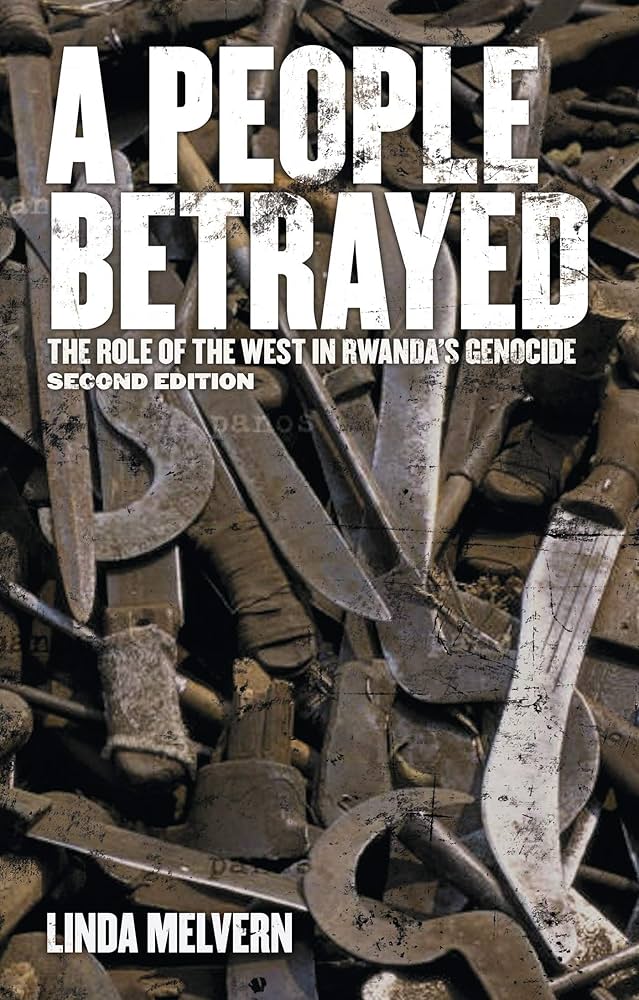
A People Betrayed: The Role of the West in Rwanda’s Genocide by Linda Melvern_eBook and Audiobook, with Supplemental_Rwanda: A Nation Resilient in the Aftermath of Genocide, by Samuel Totten

Book Summary

“A People Betrayed: The Role of the West in Rwanda’s Genocide” by Linda Melvern offers a critical analysis of the international community’s failure to prevent and respond to the Rwandan genocide that occurred in 1994. The book examines the political, social, and historical contexts that led to the genocide, focusing on the complicity and inaction of Western governments and organizations. Melvern argues that the West’s neglect and misguided policies significantly contributed to the scale of the tragedy, highlighting the moral responsibilities of the international community in the face of human rights atrocities.

Essential Themes and Historical Context:

  1. Introduction to the Rwandan Genocide
    • Overview of the genocide and its historical significance
    • Introduction to the themes of betrayal and complicity
  2. Historical Background
    • Exploration of Rwanda’s colonial history and ethnic tensions
    • The impact of Belgian colonialism on Hutu-Tutsi relations
    • Key events leading up to the genocide, including the civil war
  3. The Build-Up to Genocide
    • Analysis of the political climate in Rwanda in the early 1990s
    • The role of propaganda and hate speech in inciting violence
    • Examination of the Rwandan Patriotic Front (RPF) and its goals
  4. International Response and Inaction
    • Evaluation of the United Nations’ involvement prior to and during the genocide
    • Critique of Western governments’ policies and actions (or lack thereof)
    • Discussion on the role of NGOs and humanitarian organizations
  5. The Genocide Unfolds
    • Detailed account of the events during the genocide from April to July 1994
    • Personal testimonies and narratives of survivors
    • Examination of the tactics used by perpetrators and the scale of violence
  6. Consequences of Inaction
    • Analysis of the aftermath of the genocide and its global implications
    • The long-term effects on Rwandan society and regional stability
    • Discussion of accountability and justice for the perpetrators
  7. Lessons Learned and Unlearned
    • Reflection on the lessons from the Rwandan genocide for international relations
    • Examination of how the genocide has influenced humanitarian intervention policies
    • Critique of the ongoing failures to address similar crises worldwide
  8. Conclusion
    • Summary of key arguments and insights from Melvern’s analysis
    • Call for recognition of moral responsibility in preventing future genocides

A People Betrayed: The Role of the West in Rwanda’s Genocide_eBook

In Rwanda in 1994 one million people were killed in a planned, public and political campaign. For six years Linda Melvern has worked on the story of this horrendous crime, and this book, a classic piece of investigative journalism, is the result. Its new and startling information has the making of an international scandal. The book contains a full narrative account of how the genocide unfolded and describes its scale, speed and intensity. And the book provides a terrible indictment, not just of the UN Security Council, but even more so of governments and individuals who could have prevented what was happening but chose not to do so. Drawing on a series of in-depth interviews, the author also tells the story of the unrecognized heroism of those who stayed on during the genocide – volunteer UN peacekeepers, their Force Commander the Canadian Lt.-General Romeo A. Dallaire, and Philippe Gaillard, the head of a delegation of the International Committee of the Red Cross, helped by medical teams from Medecins Sans Frontieres. The international community, which fifty years ago resolved that genocide never happened again, not only failed to prevent it happening in Rwanda, but, as this book shows, international funds intended to help the Rwandan economy actually helped to create the conditions that made the genocide possible. Documents held in Kigali, the Rwandan capital, as well as hitherto unpublished evidence of secret UN Security Council deliberations in New York, reveal a shocking sequence of events.
What happened in Rwanda shows that despite the creation of an organization set up to prevent a repetition of genocide – for the UN is central to this task – it failed to do so, even when the evidence was indisputable. At a time when increasing attention is being given to the need for UN reform, this book provides evidence to urgently accelerate and focus that process. Only by understanding how and why the genocide happened can there be any hope that this new century will break with the dismal record of the last.

Pop the documents out from the upper right to read / expand / download.

A People Betrayed: The Role of the West in Rwanda’s Genocide_Audiobook

Audio start in earnest (Rwanda Genocide April 1994 @ 4 mins. 55 sec.) and corresponds to page 14 of the above Reader.

Part 1

Part 2

Supplemental_Rwanda: A Nation Resilient in the Aftermath of Genocide, by Samuel Totten

Learn more in RBG Communiversity Knowledge Media eLibrary:

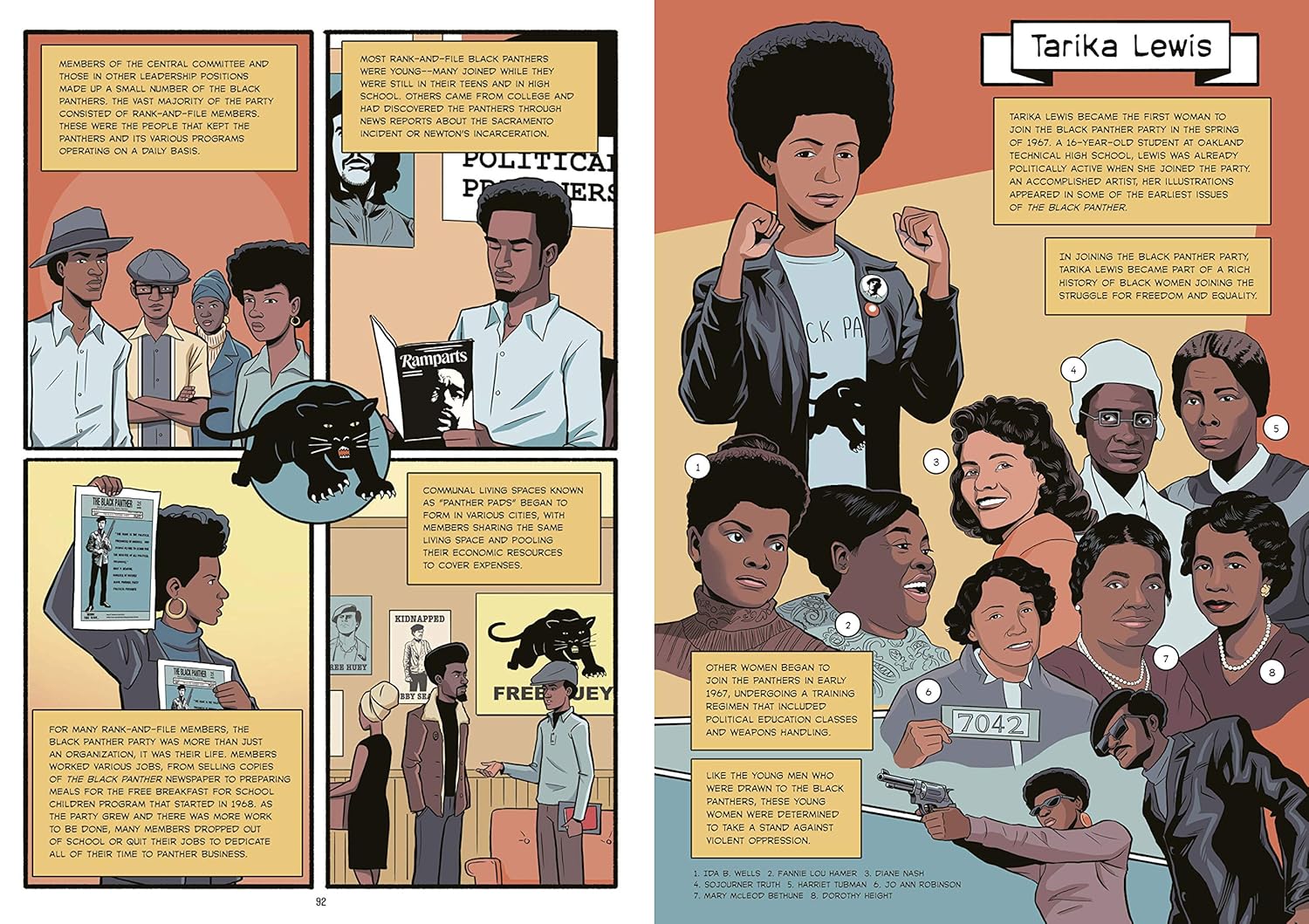
The Black Panther Party: A Graphic Novel History, by David F. Walker (Author), Marcus Kwame Anderson (Illustrator), with RBG| FBI_COINTELPRO Video Education Player

WINNER OF THE EISNER AWARD • “A bold and fascinating graphic novel history of the revolutionary Black Panther Party.”


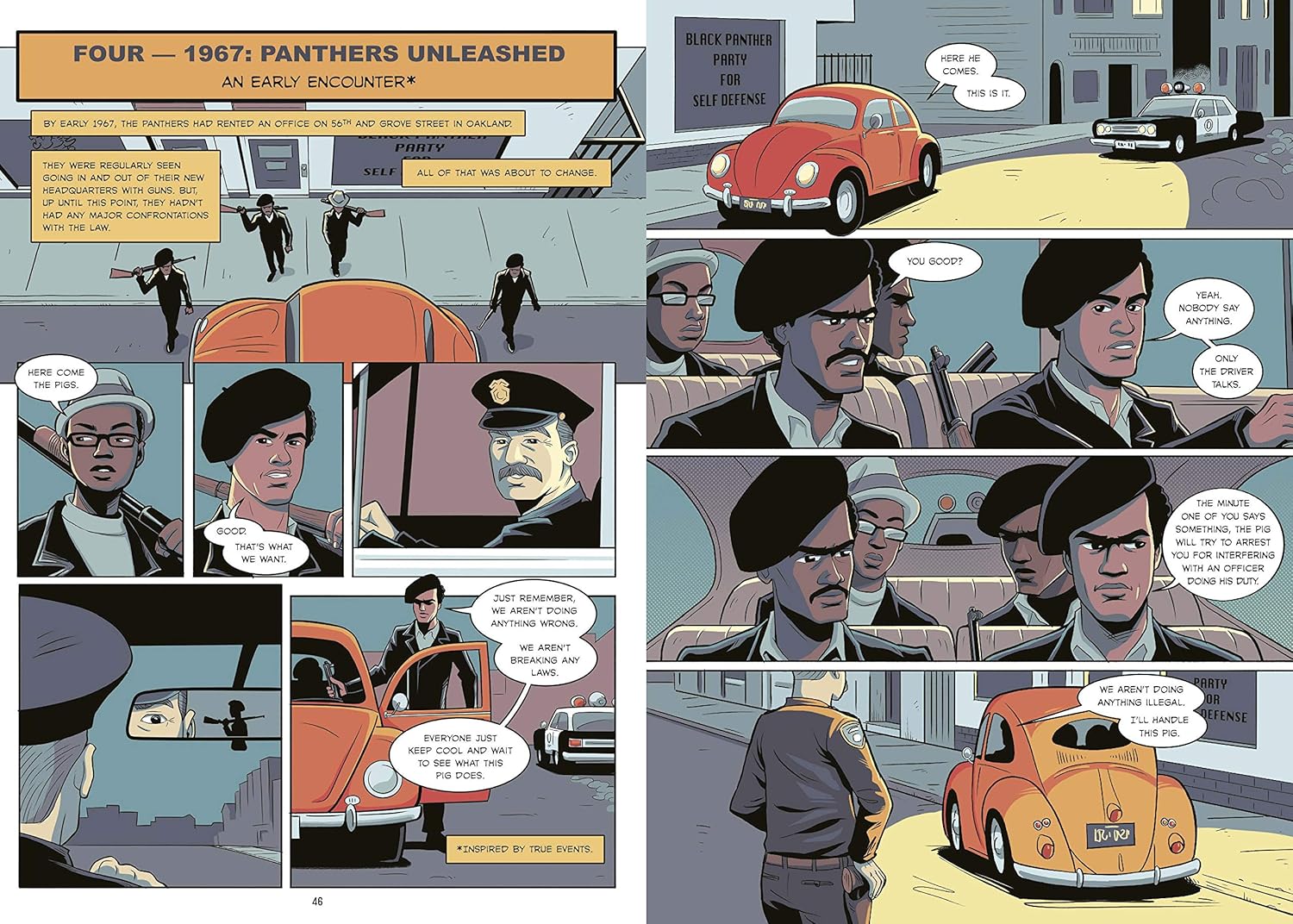
Founded in Oakland, California, in 1966, the Black Panther Party for Self-Defense was a radical political organization that stood in defiant contrast to the mainstream civil rights movement. This gripping illustrated history explores the impact and significance of the Panthers, from their social, educational, and healthcare programs that were designed to uplift the Black community to their battle against police brutality through citizen patrols and frequent clashes with the FBI, which targeted the Party from its outset.

Using dramatic comic book-style retellings and illustrated profiles of key figures, The Black Panther Party captures the major events, people, and actions of the party, as well as their cultural and political influence and enduring legacy.

The Black Panther Party: A Graphic Novel History, by David F. Walker (Author), Marcus Kwame Anderson (Illustrator)

Pop the document out from the upper right to read / expand / download.

RBG| FBI_COINTELPRO Video Education Player

8 Video Playlist

Learn more in RBG Communiversity Knowledge Media eLibrary: