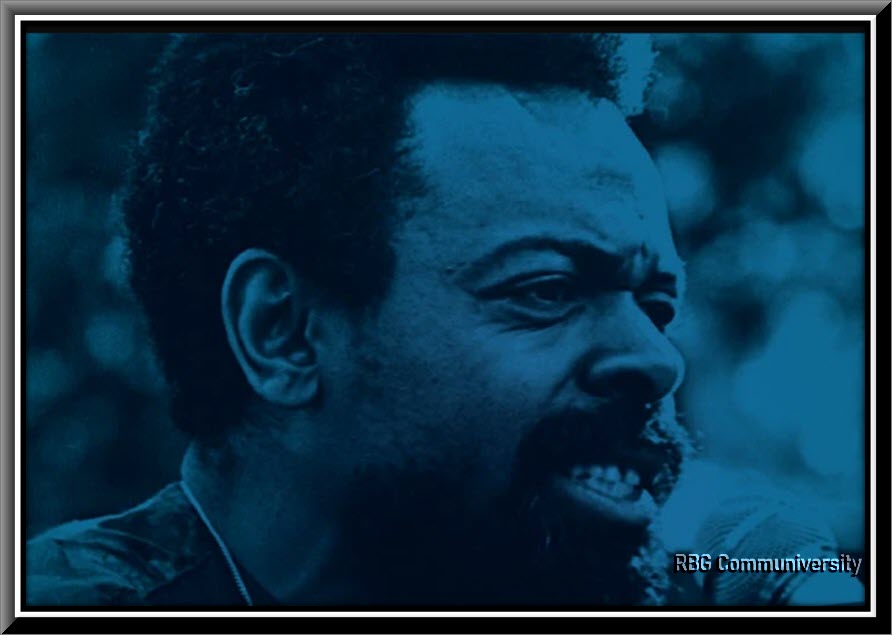
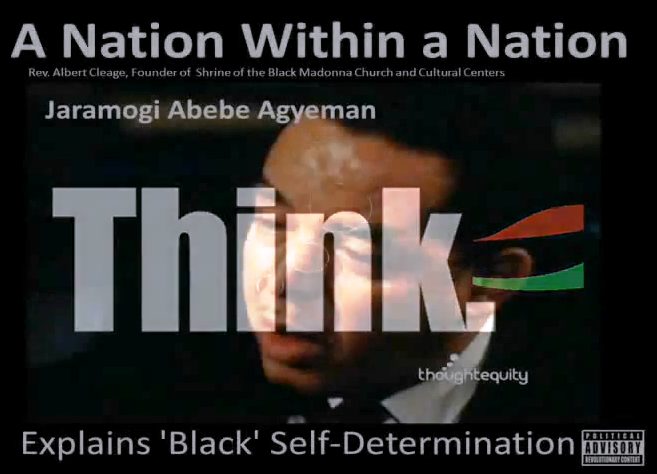
A Nation Within a Nation, Myths About Malcolm X, A Speech by Rev. Albert Cleage (Jaramogi Abebe Agyeman) Detroit, February 24, 1967, with Black Christian Nationalism: New Directions for the Black Church eBook

Last Updated 01-05-25
https://rbgcommuniversity.blog/wp-content/uploads/2014/05/malcolm-x-the-black-truth-myths-about-malcolm-x-a-speech-by-rev-albert-cleage-jaramogi-abebe-agyeman-detroit-february-24-1967-and-more3.png

https://rbgcommuniversity.blog/wp-content/uploads/2014/05/malcolm-x-the-black-truth-myths-about-malcolm-x-a-speech-by-rev-albert-cleage-jaramogi-abebe-agyeman-detroit-february-24-1967-and-more.png

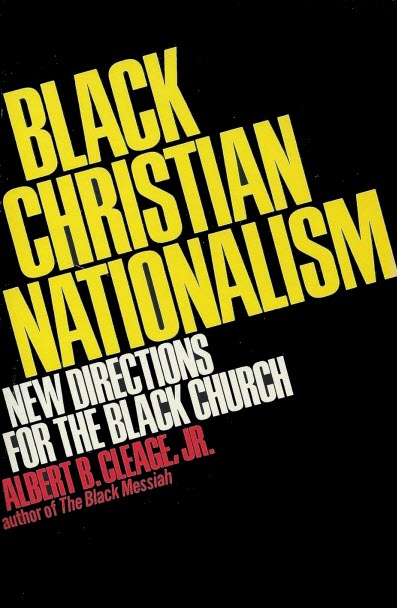
Black Christian Nationalism, By Jaramogi Abebe Agyeman_eBook
Book Summary

“Black Christian Nationalism” by Reverend Albert Cleage, also known as Jaramogi Abebe Agyeman, presents a compelling argument for the integration of Black nationalism and Christianity.

The following overview and outline encapsulates the core themes and arguments presented in Cleage’s work, illustrating his vision for a transformative approach to Christianity that empowers the Black community.

Overview

In “Black Christian Nationalism,” Cleage argues that Christianity can and should be reinterpreted to serve the needs of the Black community. He critiques traditional Christian doctrines that have often marginalized Black experiences and emphasizes the importance of a Black identity within the Christian faith. Cleage advocates for a theology that empowers Black people and addresses social justice, cultural pride, and economic independence.

Introduction

  • Definition of Black Christian Nationalism
  • Importance of the intersection between faith and identity

Chapter 1: Historical Context

  • Overview of Black Christianity in America
  • Influence of slavery and segregation on Black religious practices
  • The role of the church in the civil rights movement

Chapter 2: Critique of Mainstream Christianity

  • Examination of traditional Christian teachings
  • Discussion of Eurocentrism in theology
  • Impact of mainstream Christianity on Black identity

Chapter 3: Theological Foundations

  • Introduction to Black liberation theology
  • Reinterpretation of Biblical figures as symbols of Black resilience
  • Emphasis on the African heritage in Christianity

Chapter 4: Political Implications

  • The relationship between faith and activism
  • Advocacy for social justice and civil rights
  • The church as a base for political organization

Chapter 5: Economic Empowerment

  • Importance of self-sufficiency within the Black community
  • Strategies for economic independence
  • Role of the church in promoting economic initiatives

Chapter 6: Cultural Identity

  • Embracing African cultural heritage
  • Importance of cultural pride in the Black community
  • The church as a center for cultural education and celebration

Chapter 7: Vision for the Future

  • Call for a new understanding of Christianity
  • Vision for a united Black community grounded in faith
  • Encouragement for future generations to embrace Black Christian Nationalism

Conclusion

  • Summary of key arguments
  • The ongoing relevance of Black Christian Nationalism in contemporary society

Here is a deeper exploration of the themes and concepts presented in “Black Christian Nationalism”

Detailed Themes

1. Historical Context

  • Evolution of Black Christianity: Cleage discusses how the experiences of African Americans shaped their religious practices, emphasizing the resilience and adaptability of Black Christians throughout history.
  • Role of the Church: The church served not only as a spiritual refuge but also as a community center, a platform for activism, and a source of leadership during critical movements like the civil rights struggle.

2. Critique of Mainstream Christianity

  • Eurocentrism: Cleage critiques the predominance of European interpretations of Christianity that often neglect or misrepresent the experiences of Black individuals.
  • Identity and Faith: He argues that traditional Christian teachings can alienate Black believers, leading to a disconnection from their cultural identity. Cleage calls for a theology that resonates with the Black experience.

3. Theological Foundations

  • Liberation Theology: Cleage aligns himself with liberation theology, which emphasizes the importance of addressing social and economic injustices as part of the Christian mission.
  • Biblical Reinterpretation: He encourages readers to find empowerment in the stories of Biblical figures who faced oppression, framing them as relatable heroes for the Black community.

4. Political Implications

  • Faith and Activism: Cleage emphasizes that faith should lead to action. He believes that churches should engage in political activism to fight for civil rights and justice.
  • Community Organization: The church can be a powerful organizing force, helping to mobilize individuals towards collective action against systemic oppression.

5. Economic Empowerment

  • Self-Sufficiency: Cleage advocates for economic independence as a crucial component of liberation. He discusses the importance of creating and supporting Black-owned businesses.
  • Church Initiatives: The church should lead initiatives that focus on economic education and support for community development, fostering a sense of agency within the Black population.

6. Cultural Identity

  • Embracing Heritage: Cleage stresses the importance of recognizing and celebrating African roots and cultural practices as integral to the Black Christian experience.
  • Cultural Education: The church is positioned as a place for cultural education, helping community members learn about their history and identity.

7. Vision for the Future

  • Transformative Christianity: Cleage envisions a future where Black Christian Nationalism redefines Christianity in a way that uplifts and empowers Black individuals.
  • Legacy and Leadership: He calls upon the younger generation to carry forward the ideals of Black Christian Nationalism, ensuring that the struggle for justice and equality continues.

Conclusion

“Black Christian Nationalism” is not just a theological treatise; it is also a rallying cry for social justice, cultural pride, and economic independence. Cleage’s work challenges the status quo of both religious and societal norms, advocating for a faith that is deeply rooted in the experiences and struggles of Black people. His vision is one of empowerment, community, and a reimagined relationship with spirituality that honors both identity and faith.

Black Christian Nationalism: New Directions for the Black Church_eBook

Pop the documents out from the upper right to read / expand / download.
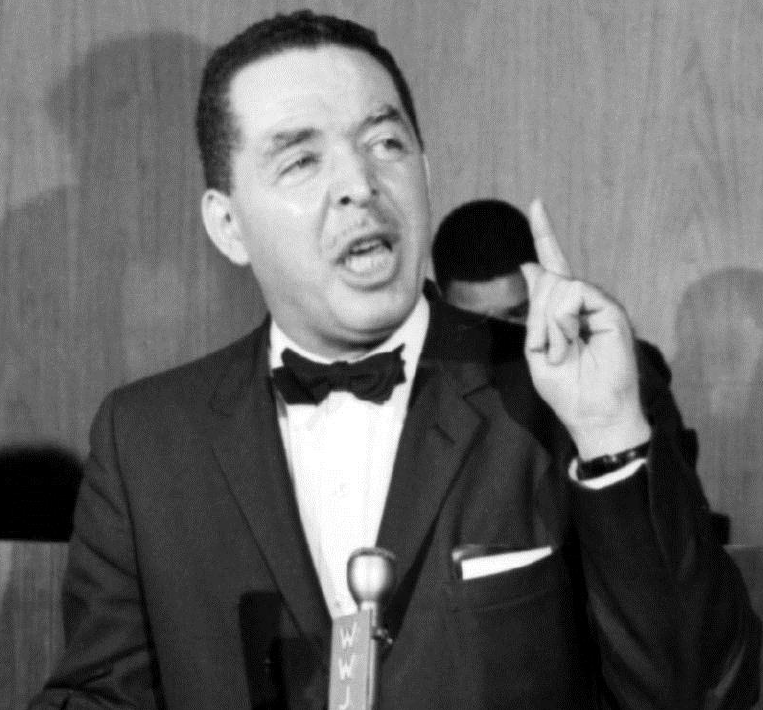
Rev. Albert Cleage, chairman of the Detroit Inner City Organizing Committee, gave this speech at a memorial meeting for Malcolm X at the Friday Night Socialist Forum in Detroit, February 24, 1967.

Learn more in RBG Communiversity Knowledge Media eLibrary:

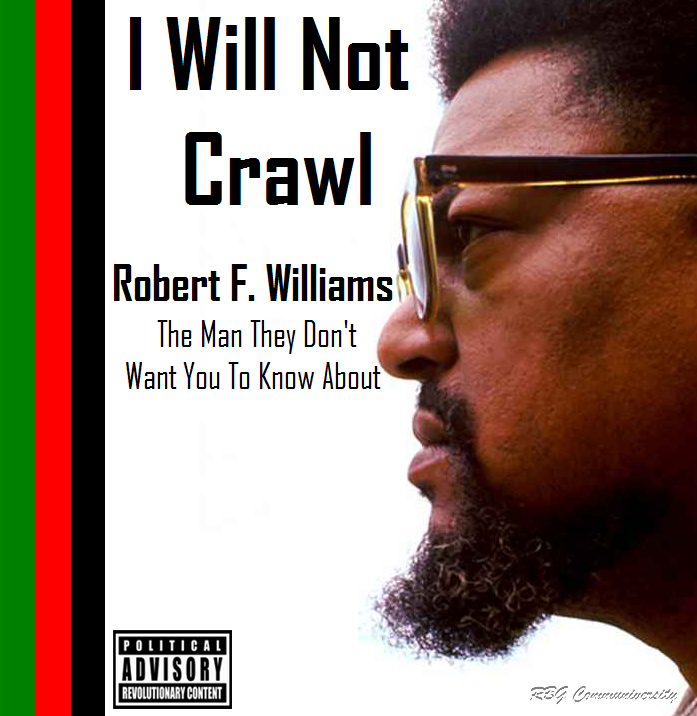
The Honorable Robert F. Williams| “The Man They Don’t Want You to Know About”

https://rbgcommuniversity.blog/wp-content/uploads/2007/01/rna-rfw.png

The Philosophy Of Robert F. Williams Provided The Intellectual Foundation For America’s Most Militant Advocates Of Racial And Social Justice. From His Actions, Speeches, And Writings Emerged The Foundation For The Black Power Movement. Studying With Robert F. Williams Is Essential For All RBG Learners Who Intends To Draw Lessons From The 1960’s Liberation Struggle. His Works Will Inform You On The Civil Rights And Black Power Movements, And American Radicalism, And On One Of The Most Extraordinary Political Careers In American History. If One Could Ask The Leaders Commonly Associated With The Black Power And Black Nationalist Movements Of The 1960s-malcolm X, Kwame Torue (Stokely Carmichael), Jamial Al-amin (rap Brown), Amiri Baraka (LeRoi Jones), And Black Panthers Huey Newton, Bobby Seale And Eldridge Cleaver–what Individual Had The Greatest Influence On Their Political Development, Surely One Of The First To Be Named Would Be Robert Franklin Williams.

One Of The Most Underestimated Forces In American Political History:
Robert F. Williams, Born In Union County, North Carolina, Is One Of The Most Underestimated Forces In American Political History. To An Extent This Is Understandable Because His Most Influential Years Were Lived In Exile In Cuba And China. His Public Communications Were Suppressed By The CIA And The U.s. Postal Service, And His Ideas Of Armed Struggle Too Militant For The U.s. News Media To Treat Objectively. Williams Lifelong Partner In Politics Was His Wife Mabel, Who Joined Him In Armed Defiance Of Racist Assaults, Co-hosted His Radio Program, And Networked For His Social Causes. Robert And Mabel Williams Provide An Extraordinary Record Of A Husband Wife Partnership In The Cause Of Social Transformation.

A Daring Strategy Of Lethal Force Against Vigilante Violence:
Williams Philosophy Was Initially Forged By The Labor Militants He Had Met As A Migrant Industrial Worker In Northern Cities, By His Experience In The US. Military, And By The Rural Southern Tradition Of Armed Self-reliance. After Living Outside The South For Several Years, Williams Returned Home To North Carolina Monroe Union County. His Talents As An Organizer Led To A Surge In Membership. When His Militancy Provoked A Massive Backlash By The Ku Klux Klan, Williams Led Armed And Disciplined NAACP Branch Members Against The Klan Assaults.

At Odds With The Mainstream Civil Rights Movement:
Williams Advocacy Of The Use Of Force Resulted In Serious Differences With Both The Long Standing Leadership Of The American Civil Rights Movement And With The Newly Emerging Nonviolent Direct Action Movement Of Martin Luther King Jr. Having Unnerved The NAACP National Office By His Willingness To Work With Communists And Marxists To Dramatize Cases The NAACP Deemed Too Hot To Handle, Williams Was Removed From The Leadership Of The NAACP Branch By Anxious National Leaders.

Counterpoint To The Nonviolent Strategies Of King:
By 1961, Williams Seemed Destined To Stand As A National Leader Who Advocated An Alternative To The Nonviolent Direct Action Supported By Martin Luther King. But Williams Was Detoured From National Leadership Because Of An Episode Involving The Freedom Riders In Which He Was Accused Of Kidnapping A Klansman And His Wife. In One Of The Great Escapes In American History, The Williams Family, Including Two Small Children, Eluded The FBI, Klan Vigilantes, State Police From North Carolina To New York, And The Royal Canadian Mounted Police. To The Chagrin Of North Carolina Officials, They Re-emerged In Cuba In The Fall Of 1961.

“The Crusader”:
The Prototype Of The Black Power Agenda Evolved In Williams Newsletter, The Crusader, First Published In 1959. Engagingly Written And Including A Column By Mabel, The Crusader Disseminated The Williams Homespun Radicalism And Chronicled The Racial Struggle In North Carolina And Throughout The South. The Crusader’s Daring Content Bedeviled Monroe’s Industrial Development Program, Espoused Militant Armed Resistance, And Chastised Martin Luther King Jr. And The Proponents Of Passive Resistance.

“Radio Free Dixie”:
In Cuba, Robert Became A Celebrity And Friend Of Cuban Leader Fidel Castro. The Cuban Government Provided Him With A Transformer Capable Of Broadcasting To The Entire Continental United States. Seizing The Opportunity, Robert And Mabel Created The Weekly Program, “radio Free Dixie.” Their Broadcasts Included An Influential Mix Of Progressive Black Jazz (much Of It Shipped To Cuba By Leroi Jones In New York); Commentary On Global Liberation Movements, And Robert Williams Scathing Commentary On American Political Hypocrisy. He Continued To Publish The Crusader, Whose Circulation Grew To 15,000 In Spite Of Obstruction By The U.s. Postal Service.

Negros With Guns:
In 1962, Williams Published The Manifesto, Negroes With Guns. This Tract Recounted The History Of His Armed Struggles Against The Klan And Articulated His Philosophy Of The Place Of Armed Self-defense In The Freedom Struggle. Negroes With Guns Is An American Political Classic, On Par With Thomas Paine’s Common Sense, Or Martin Luther King’s “letter From Birmingham Jail.” It Engaged Many Of The Best Minds In The Civil Rights Movement, Such As Bayard Rustin And Martin Luther King, Who Assailed It At Length. Huey P. Newton Drew Heavily On Negroes With Guns In Drafting The Original Constitution Of The Black Panther Party. It Was Extremely Influential In Turning Student Non-violent Coordinating Committee Leaders From Pacifists To Black Power Militants. Williams Was One Of The Very Few Civil Rights Leaders Whom Malcolm X Openly Praised.
Antiwar Activity In Vietnam:
Williams’ Jeremiads Against American Society Intensified With The Escalation Of The Vietnam War. He Visited With Ho Chi Minh In North Vietnam And Joined In Various Anti-war Activities To Discourage African Americans From Fighting.
Years In China:
Williams Relocated To China In 1966 During The Height Of The Cultural Revolution. There As In Cuba Williams Enjoyed A Celebrity Status And Fraternized With Mao Zedong And Chou En Lai. His Interest In Maoist Revolutionary Thought Found Its Way Into The Crusader, Which Continued To Reach An Influential Underground Audience Among Black Power Militants In The United States.
Profound Influence On The Black Power Movement:
In Spite Of His Exile, Robert Williams Influence Was Profound. His Emphasis On Situating The American Civil Rights Struggle In The Context Of International Liberation Movements Gained Wide Acceptance, As Did His Philosophy Of Armed Resistance. His Militant Rhetorical Style-vigorous, Colorful, And Vitriolic-was Emulated Throughout The Movement. A Dedicated Network Of Williams Followers In America And Africa Worked To Promote His Militant Philosophy Among Intellectuals And Activists. The Black Panther Party’s Public Posture Of The Armed Militant Was Consciously Influenced By Williams Vision.

Withdrawal From Leadership After Returning To The United States:
In 1969, Robert Williams Returned To The United States With The Quiet Acquiescence Of None Other Than President Richard Nixon. This Was Done As A Gesture Of Goodwill In The President’s Efforts To Cultivate The Chinese Leadership For His Historic Visit To China, Even Though The FBI Had Warned Nixon That Williams Could Likely Fill The Role Of Assassinated Civil Rights Leaders, Malcolm X And Martin Luther King. But After Assessing The State Of The Movement In 1970, Rife With Maddening Internecine Ideological Divisions, And Murders And Incarceration Of Numerous Black Militants, Williams, Now Disillusioned, Withdrew From All But Nominal Leadership In The Militant Groups That Were Founded In His Name. The Material On His Disillusionment With The Movement Is A Subject Of Vast Research Significance In And Of Itself.

Williams Became A Research Associate At The Institute For Chinese Studies At University Of Michigan. He And Mabel Moved To The Remote, Historically Integrated, Michigan Township Of Baldwin, Where They Remained For The Rest Of His Life. In Baldwin, The Williams Continued Their Dedication To Social Transformation, Focusing On The Local Level. His Role As A National Leader Subsided, But His Image Among The Succeeding Generation Of Black Power Advocates Remains Profound. Like The Black Folk Hero “john Henry,” Robert F. Williams Outwitted And Tormented The Oppressors Of African Americans.

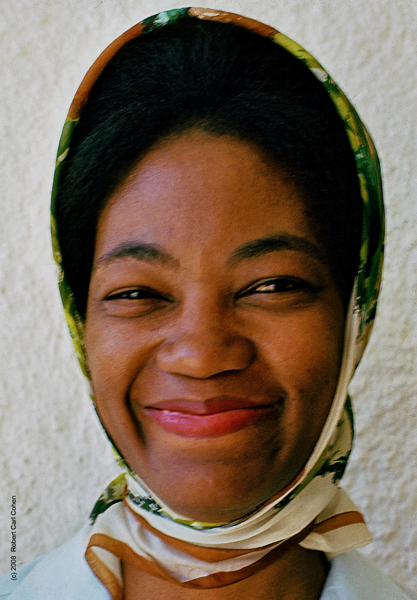
Mabel Williams Presente! w Letter from The Freedom Archive |RBG RIU TRIBUTE

In Honor of Mabel Williams

…”We are very saddened to learn of the passing of Mabel Williams, the legendary African-American activist, who, with her husband Robert F. Williams, fought for and carried out the right of armed self-defense against the vicious attacks of the Ku Klux Klan, militantly represented the liberation struggle of her people during exile in Cuba, China, and Africa, and continued her active lifelong engagement in social justice struggles upon their return to the US. Mabel Williams was born June 1, 1931 and transitioned Saturday, April 19th at her family’s home in Detroit…” cont. below

https://rbgcommuniversity.blog/wp-content/uploads/2014/04/freedom-archive.jpg

Pop the document out from the upper right to read / expand / download.

RBG Communiversity: Message 2 Da Grassroots| BREAK THE CHAINS

Click for enlarged standalone

Please keep in mind that RBG is a Think Tank. A center of higher learning organized for intensive study, research, critical thinking and problem solving; focused in the areas of the use of technology in Afrikan-centered cultural development and education for the purpose of individually and collectively learning the social, political, economic and moral strategies to secure Black Power in the 21st century. More frequently than not, we initiate our teaching /learning process by presenting audio and visual Icebreakers that pose similes, parables, metaphors, analogies and oxymorons—that’s what makes you think (we hope). Then we have lively and well informed group discussions revolving around the various messages put forth in the learning objects and media assets. Next we research the facts overlaying our discussions using the voluminous number of resources available in the communiversity’s web portals and learning environments (550 and growung Lessons/Post). Finally, each learner has the opportunity access her/his learning with Q&As, fill evaluation instruments on most of the 5,000+ downloadable RLOs (Reusable Learning Objects) and media assets that comprise Comminiversity’s core teaching/learning content. It is out of following this methodology that we devise position papers and community policy recommendations and initiatives.

GOALS & OBJECTIVES OF RBG COMMUNIVERSITY:


1. To familiarize and expose slearnrs to a wide variety of 20th century African-American leaders and our rich history of struggles for human and civil right.

2. To expose students to a Concentrically Integrated African-Centered Liberal Arts Curriculum–including, mini-lectures, commentaries and interviews with our authors, playwrights, poets, activist and scholars–that will allow large amounts of information to be comprehended in a relatively short period of time.

3. To begin to develop an appreciation of Afrikan-Centered Education propagated through the oral tradition; including Afrikan Music/Drums, Spoken Word /Rap, R & B, Blues, Jazz and Reggae.

4. To draw lessons from the rich legacy of struggle and resistance to oppression within the African American community through critical analysis of videos, photo-stories, multimedia essays and PowerPoint shows and scholarly charts, tables, graphs and PDF documents; thus fostering sociopolitical activism in the learners own lives.

5. To develop, encourage and diversify strategies for learning about and responding to social, political, cultural and moral issues impacting Afrikans in America, thus increasing comprehension and interpretation skills.

6. To synthesize serious community issues using multifaceted content and learning objects which represent the perspective of those who are in an American minority group; and apply the principles and generalizations in investigation of societal issues and problems from an Afrikan-Centered perspective.

7. To develop oral speaking, reading skills, and presentation skills in both whole-group and small-group settings.

rbg pill solo

RBG PILL PORTAL“ALL WE’RE OFFERING IS THE TRUTH”