
Juneteenth 2023 dives into education before, during and after slavery; the creation of HBCUs, its significance, and how Juneteenth is being taught today.

https://www.khou.com/juneteenth
Juneteenth Capsule
The holiday’s origin story begins in Galveston, Texas, which was the western-most area of the Union in 1865. When enslaved people there were told of their emancipation on June 19, 1865, they had technically already been freed two-and-a-half years prior, when President Abraham Lincoln issued the Emancipation Proclamation on January 1, 1863. Slaveholders in Texas had kept the information to themselves, extending the period of violent exploitation of enslaved Afrikans. The following year, in 1866, a celebration was had in Texas, the first Juneteenth observance to recognize freedom from slavery in the U.S.
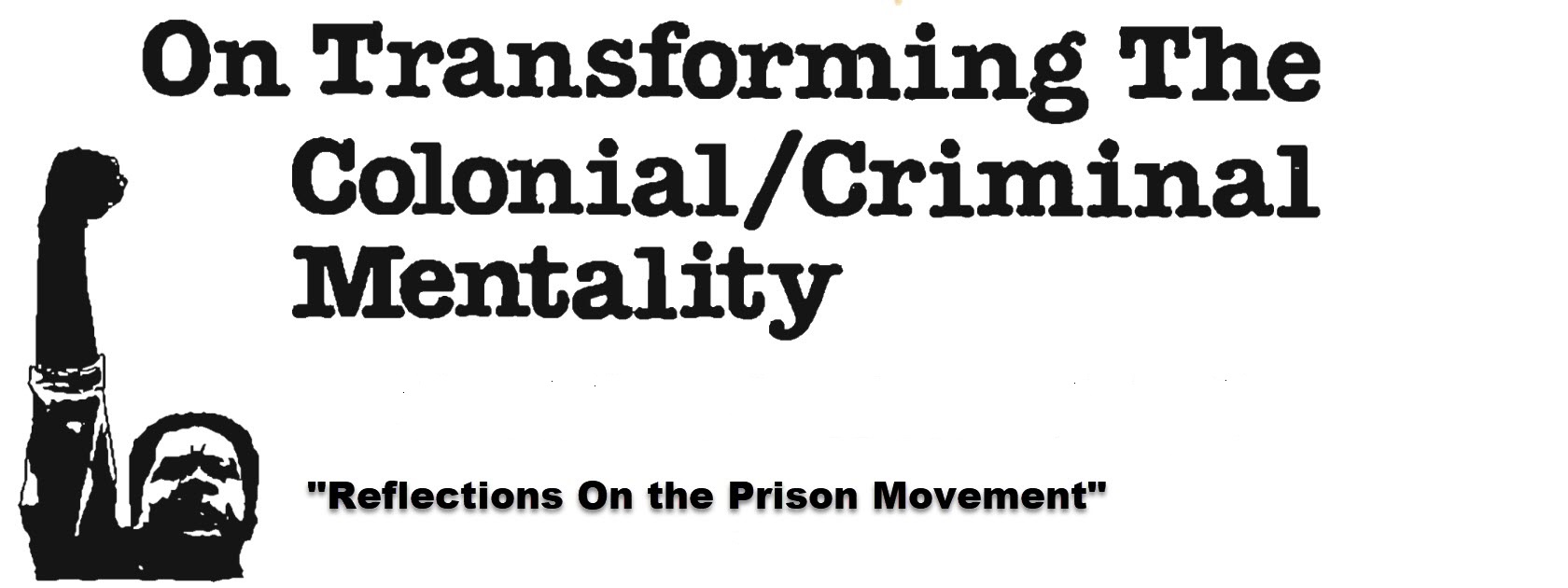
For a more detailed discussion related to the Chairman’s points regarding the 13th Amendment placing us back in slavery using the “except if convicted of a crime” clause, and then making more things (eg. reckless eyeballing) a crime. Our enslavement by Europeans did not end with the 13th amendment, “it just changed hands” from private owners to State owners. See the article “The Thirteenth Amendment: Instrument of Legalized Slavery and the Re-Subjugation of New Afrika”. Here
Pop the document out from the upper right to read / expand / download.






 RBG Communiversity: Message 2 Da Grassroots
You must be logged in to post a comment.