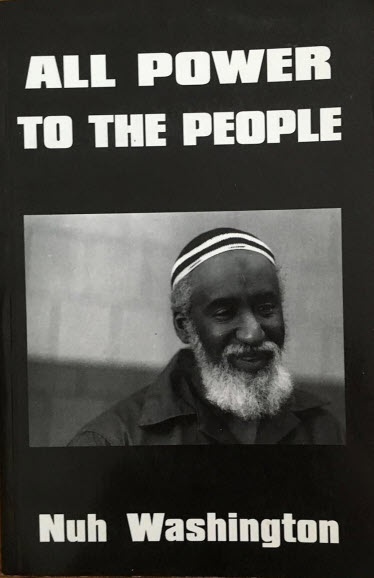
All Power to the People by Albert Nuh Washington, eBook and Audiobook, with Video Education Player

ICEBREAKER VIDEO

Pop the document out from the upper right to read / expand / download.

See NY3. The Case of the New York Three.pdf

Book Summary

Overview

“All Power to the People” by Albert Nuh Washington is a significant work that explores the history and impact of the Black Panther Party (BPP) and the broader Black radical movement in the United States. Published in 2002, the book provides an in-depth analysis of the social, political, and economic conditions that gave rise to the BPP, as well as the party’s contributions to the struggle for civil rights and social justice. Washington draws on personal experiences, interviews, and historical narratives to highlight the achievements and challenges faced by the Black Panther Party, offering a critical perspective on its legacy and the continuing relevance of its ideals in contemporary society. The outline and overview that follows provides a structured look at the contents of “All Power to the People” by Albert Nuh Washington.

Outline

I. Introduction

  • A. Overview of the Black Panther Party’s significance
  • B. Purpose of the book and its relevance to contemporary social justice movements
  • C. Author’s background and perspective

II. Historical Context

  • A. The civil rights movement and its limitations
    • Key figures and events leading to the rise of the BPP
    • Challenges faced by African Americans in the 1960s
  • B. The influence of Black nationalism and radical thought
    • Connection to earlier movements (e.g., Marcus Garvey, the Nation of Islam)
  • Emergence of the Black Power movement

III. Formation of the Black Panther Party

  • A. Founding members and their motivations
    • Huey P. Newton and Bobby Seale
    • Key ideological influences
  • B. Development of the party’s platform and goals
    • The Ten-Point Program
  • Focus on community empowerment and social justice

IV. Key Activities and Programs

  • A. Community initiatives
    • Free breakfast programs for children
    • Health clinics and education programs
  • B. Armed self-defense and its implications
    • The philosophy of self-defense against police brutality
  • Impact on public perception and law enforcement responses

V. Internal Challenges and Conflicts

  • A. Struggles within the organization
    • Leadership disputes and factionalism
    • The influence of COINTELPRO and government repression
  • B. The impact of external pressures
    • Surveillance and infiltration by law enforcement
  • Media portrayal and public perception of the BPP

VI. Legacy of the Black Panther Party

  • A. Contributions to civil rights and social justice
    • Influence on later movements (e.g., Black Lives Matter)
    • Cultural impact through art, music, and literature
  • B. Ongoing relevance of BPP ideals
    • Discussion of systemic racism and inequality today
  • Calls for community empowerment and social change

VII. Conclusion

  • A. Summary of key themes and insights from the book
  • B. Reflection on the importance of understanding the BPP’s history
  • C. Call to action for continued activism and social justice

“All Power to the People” serves as a vital resource for understanding the history and legacy of the Black Panther Party and the broader struggle for racial and social justice in America. By examining the party’s origins, key initiatives, and challenges, Washington provides valuable insights into the ongoing fight against systemic oppression and the importance of community empowerment. The book encourages readers to reflect on the lessons of the past while inspiring continued activism in the pursuit of equality and justice.

“All Power to the People” is an essential examination of the Black Panther Party (BPP) and its pivotal role in the fight for civil rights and social justice in the United States. Here’s a more detailed exploration of the book’s themes, key figures, historical context, and its significance:

Detailed Exploration of Key Themes

1. Historical Context

  • Civil Rights Movement Limitations: Washington discusses the civil rights movement’s achievements, such as the Civil Rights Act and the Voting Rights Act, while highlighting its limitations in addressing systemic issues like poverty, police brutality, and economic inequality. The urgency for a more radical approach was felt by many African Americans, leading to the rise of the Black Panther Party.
  • Influence of Black Nationalism: The book places the BPP within the wider context of Black Nationalism and the Black Power movement, which emerged in the 1960s as a response to the perceived inadequacies of mainstream civil rights strategies. Washington emphasizes the influence of figures like Marcus Garvey and Malcolm X, who advocated for self-determination and empowerment for Black communities.

2. Formation and Ideology of the Black Panther Party

  • Founding Members: The BPP was founded in 1966 by Huey P. Newton and Bobby Seale in Oakland, California. Washington explores how their backgrounds and experiences shaped their vision for the party, particularly their commitment to armed self-defense against police violence.
  • The Ten-Point Program: A central feature of the BPP’s ideology was its Ten-Point Program, which outlined the party’s demands for justice, equality, and economic empowerment. Washington details each point, which included calls for decent housing, education, and employment, as well as an end to police brutality.

3. Community Programs and Activism

  • Social Initiatives: Washington highlights the BPP’s commitment to community service through programs like free breakfast for children, health clinics, and educational programs. These initiatives were designed to address the immediate needs of African American communities and demonstrate that the BPP was more than just a militant organization.
  • Armed Self-Defense: The book discusses the philosophy of armed self-defense that the BPP adopted in response to police brutality. Washington analyzes how the party’s public displays of armed self-defense were both a statement of empowerment and a catalyst for increased tensions with law enforcement.

4. Internal Struggles and External Pressures

  • Factionalism and Leadership Conflicts: Washington examines internal conflicts within the BPP, particularly the power struggles between different factions. These conflicts were exacerbated by the pressure from law enforcement and the FBI’s Counterintelligence Program (COINTELPRO), which sought to undermine the party through infiltration, disinformation, and surveillance.
  • Government Repression: The book details the various tactics used by law enforcement to suppress the BPP, including arrests, harassment, and violent confrontations. Washington underscores the impact of COINTELPRO in destabilizing the organization and contributing to its decline in the early 1970s.

5. Legacy and Ongoing Relevance

  • Cultural Impact: Washington discusses how the BPP’s ideals and aesthetics influenced music, art, and literature, leaving a lasting mark on African American culture. The party’s imagery and messages of empowerment continue to resonate in contemporary artistic expressions.
  • Influence on Modern Movements: The book draws connections between the BPP and contemporary movements such as Black Lives Matter, highlighting how the party’s focus on systemic injustice and community empowerment laid the groundwork for ongoing activism. Washington calls attention to the continuing struggle against racism, police violence, and inequality.

Significance of the Work

  • Educational Resource: “All Power to the People” serves as an important educational tool for understanding the complexities of the Black Panther Party and the broader Black radical movement. It provides a nuanced perspective that challenges mainstream narratives about the BPP as solely a militant organization.
  • Inspiration for Activism: Washington’s work encourages readers to reflect on the lessons of the past and recognize the importance of grassroots activism in effecting social change. The book emphasizes the need for community engagement and the importance of addressing systemic issues through collective action.
  • Reexamination of History: By providing a detailed account of the BPP’s history and its various programs, Washington invites readers to reconsider the legacy of the Black Panther Party and its contributions to the struggle for civil rights and social justice in America. It challenges readers to acknowledge the complexities of the BPP’s mission and its relevance in contemporary discussions about race and inequality.

Conclusion

“All Power to the People” by Nuh Washington is a vital contribution to the understanding of the Black Panther Party and the Black radical movement in the United States. Through its exploration of historical context, ideology, activism, and legacy, the book highlights the significance of the BPP in shaping the discourse around civil rights and social justice. Washington’s work serves as both a historical account and a call to action, inspiring readers to engage with the ongoing fight for equality and justice in today’s society.

All Power to the People by Albert Nuh Washington, eBook

Pop the document out from the upper right to read / expand / download.
All Power to the People by Albert Nuh Washington, Audiobook

Video Education_All Power To The People The Black Panther Party & Beyond

Learn more in RBG Knowledge Media eLibrary

RBG4Lif Teaching /Learning Tools & Resources

BPM|BLM eBooks 

BPM|BLM Audiobooks

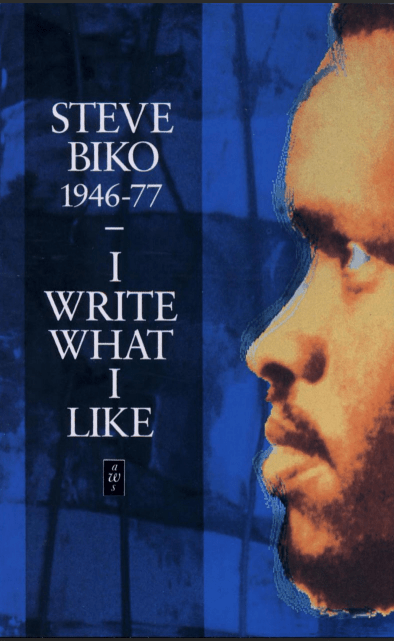
“I Write What I Like” by Steve Biko_eBook and Audiobook, with African Biographics_Steve Biko: The African Revolutionary, Why was he Killed?

Steve Biko was a South African anti-apartheid activist and leader of the Black Consciousness Movement. He was killed in 1977 for his activism. Known as the “Father of Black Consciousness”.

Book Summary

“I Write What I Like” by Steve Biko is a collection of writings that reflect Biko’s thoughts on race, identity, and the struggle against apartheid in South Africa. Here’s a bullet point narrative summarizing its key themes and ideas:

  • Background and Context: The book is set against the backdrop of apartheid in South Africa, highlighting the systemic oppression faced by black South Africans.
  • Black Consciousness: Biko emphasizes the importance of self-awareness and pride among black people, advocating for a movement that fosters dignity and identity.
  • Critique of Racism: Biko critiques both the institutionalized racism of the apartheid regime and the passive acceptance of oppression by the black community.
  • Empowerment through Education: He argues that education should be a tool for empowerment, encouraging black people to understand their history and culture.
  • Rejection of Passive Resistance: Biko promotes active resistance against oppression rather than passive acceptance, urging black individuals to fight for their rights.
  • Unity and Solidarity: The writings stress the need for unity among black South Africans to combat the divisive tactics of the apartheid government.
  • Personal Narrative: Biko shares his own experiences and reflections, providing insight into his motivations and the struggles he faced.
  • Legacy of Resistance: The book serves as a call to action, inspiring future generations to continue the fight for equality and justice.
  • Impact of Biko’s Philosophy: His ideas laid the groundwork for the Black Consciousness Movement, influencing both local and international perspectives on racial equality.

Here’s a deeper exploration of the themes and significance of “I Write What I Like”:

In-Depth Themes and Concepts

  • Black Consciousness Movement:
    • Biko was a key figure in the Black Consciousness Movement, which sought to instill a sense of pride and identity among black South Africans. He believed that psychological liberation was essential for political freedom. The movement encouraged black individuals to reject the inferiority imposed by the apartheid system and to embrace their heritage.
  • Critique of Apartheid:
    • The writings expose the inhumane conditions and injustices inflicted by apartheid. Biko critiques not only the policies of the apartheid government but also the complicity of white South Africans who benefited from the system. He argues that true change requires acknowledging and addressing these injustices.
  • Philosophy of Self-Identification:
    • Biko emphasizes the importance of self-definition and self-identity. He argues that black people must define themselves and their aspirations, rather than allowing others to dictate their identities. This concept is vital for personal and collective empowerment.
  • Role of Education:
    • Education is portrayed as a double-edged sword. While it can be a means of liberation, Biko also critiques the education system for perpetuating colonial values and failing to address the realities faced by black individuals. He advocates for an education that is relevant and empowering, rooted in African history and culture.
  • Active Resistance:
    • Biko calls for a more proactive approach to resistance, pushing against the notion of passive acceptance. He believes that change will only come through active engagement and confrontation of oppressive forces, inspiring a generation to stand up for their rights.

Historical Significance

  • Influence on Future Movements:
    • Biko’s ideas and writings have had a lasting impact, influencing not only the anti-apartheid struggle but also civil rights movements globally. His emphasis on self-identity and empowerment resonates with various movements advocating for racial justice and equality.
  • Martyrdom and Legacy:
    • Biko’s tragic death in police custody in 1977 turned him into a martyr for the anti-apartheid cause. His writings gained renewed attention posthumously, further solidifying his legacy as a symbol of resistance and the fight for justice.

Personal Reflections

  • Narrative Style:
    • The book combines essays, letters, and speeches, offering a personal glimpse into Biko’s thoughts and experiences. This narrative style makes the work both accessible and compelling, allowing readers to connect with his ideas on a deeper level.
  • Call to Action:
    • Ultimately, “I Write What I Like” serves as a powerful call to action for individuals to take ownership of their identities and work collectively towards a more just and equitable society.

Biko’s writings continue to inspire discussions around race, identity, and social justice, making “I Write What I Like” a vital work in understanding the complexities of the struggle against apartheid and the broader fight for human rights.

“I Write What I Like” by Steve Biko_eBook

Pop the documents out from the upper right to read / expand / download.

“I Write What I Like” by Steve Biko_Audiobook

Steve Biko: The African Revolutionary, Why was he Killed? From: African Biographics

Learm more in RBG Communiversity Knowledge Media eLibrary:

The Portable Malcolm X Reader: A Man Who Stands for Nothing Will Fall for Anything, Edited by Manning Marable and Garrett Felber_eBook and Audiobook

Book Summary

“The Portable Malcolm X Reader” is a comprehensive anthology that brings together a selection of writings, speeches, and interviews of Malcolm X, one of the most influential figures in the American civil and human rights movement. Edited by Manning Marable and Garrett Felber, this collection captures the evolution of Malcolm X’s thought and activism, showcasing his powerful oratory and incisive critiques of racism, inequality, and injustice in America. The anthology includes various types of content that reflect Malcolm X’s journey, from his early life and experiences with racism to his later transformation and embrace of a more global perspective on human rights. The title, “A Man Who Stands for Nothing Will Fall for Anything,” encapsulates his philosophy of self-determination and empowerment for Black people.

The outline that follows captures the essence of “The Portable Malcolm X Reader,” emphasizing the key aspects of Malcolm X’s life, thought, and activism. The anthology serves as a vital resource for understanding his contributions to the civil rights movement and the ongoing struggle for racial justice and equality. Through the selected writings and speeches, readers gain insight into Malcolm X’s philosophy and the relevance of his ideas in contemporary discussions about race, identity, and social justice.

  • Introduction by Manning Marable
    • Overview of Malcolm X’s significance in American history
    • Discussion of the themes that will be explored in the anthology
    • Contextualization of Malcolm X’s life and legacy within the civil rights movement
  • Part I: Early Life and Influences
    • Childhood and Adolescence
      • Exploration of Malcolm’s early life in Omaha, Nebraska, and Lansing, Michigan
      • Discussion of the impact of his family, especially his father’s activism and mother’s struggles
    • Encountering Racism
      • Analysis of Malcolm’s experiences with systemic racism and violence
      • The influence of these experiences on his worldview and identity
  • Part II: Transformation and Activism
    • Involvement with the Nation of Islam
      • Overview of Malcolm’s introduction to the Nation of Islam and its teachings
      • Examination of his rise as a prominent spokesperson for the organization
    • Key Speeches and Writings
      • Selection of significant speeches, including “The Ballot or the Bullet” and “Message to the Grassroots”
      • Discussion of Malcolm’s evolving views on race, politics, and social justice
  • Part III: Break from the Nation of Islam
    • Critique of Elijah Muhammad
      • Analysis of the tensions between Malcolm and the leadership of the Nation of Islam
      • The impact of personal and ideological conflicts on Malcolm’s activism
    • Pilgrimage to Mecca
      • Reflection on Malcolm’s pilgrimage to Mecca and its transformative effects
      • Discussion of his newfound perspective on race, unity, and human rights
  • Part IV: Global Perspective and Human Rights
    • Advocating for Global Solidarity
      • Examination of Malcolm’s shift toward a broader understanding of human rights and global justice
      • Analysis of his speeches at the Organization of Afro-American Unity and other international platforms
    • Legacy and Influence
      • Discussion of Malcolm X’s enduring influence on contemporary social movements
      • Reflection on his impact on Black empowerment, Pan-Africanism, and the struggle for justice
  • Conclusion by Garrett Felber
    • Summary of key themes and insights from the anthology
    • Reflection on Malcolm’s legacy as a symbol of resistance and empowerment
    • Call to action for continued engagement with his ideas and principles

“The Portable Malcolm X Reader,” offers a rich and multifaceted exploration of Malcolm X’s life, thoughts, and contributions to the civil rights movement. By compiling a wide range of his writings, speeches, and interviews, the anthology not only documents his evolution as an activist and thinker but also highlights the enduring relevance of his ideas in contemporary discussions about race, justice, and empowerment. Here’s a deeper exploration of the key themes, contributions, and significance of the anthology:

Key Themes Explored

  • Self-Determination and Empowerment
    • One of Malcolm X’s central messages is the importance of self-determination for Black individuals and communities. He emphasizes that true freedom cannot be granted by others but must be claimed through personal and collective action.
    • The anthology showcases his advocacy for Black pride, economic independence, and the necessity of standing up against oppression.
  • Critique of Systemic Racism
    • Malcolm X’s writings provide a powerful critique of systemic racism and social injustice in America. He eloquently articulates the daily realities of racism faced by African Americans and challenges the notion of a post-racial society.
    • Through his speeches, he addresses issues such as police brutality, economic exploitation, and political disenfranchisement, making a compelling case for the need for radical change.
  • Transformation and Growth
    • The anthology illustrates Malcolm’s transformative journey, from his early experiences with racism to his involvement with the Nation of Islam, and ultimately to his break from the organization and embrace of a more inclusive perspective on human rights.
    • His pilgrimage to Mecca serves as a pivotal moment, broadening his worldview and fostering a sense of international solidarity with oppressed people globally.
  • Global Human Rights Perspective
    • Malcolm X’s later speeches reflect his commitment to a global human rights agenda, recognizing the interconnectedness of struggles against oppression. He speaks about the importance of solidarity among oppressed peoples worldwide and highlights the necessity of addressing colonialism and imperialism.
    • The anthology captures his efforts to bring attention to the plight of Africans and people of African descent globally, positioning the struggle for civil rights within a broader context of human rights.

Contributions from Editors and Authors

  • Manning Marable
    • As a leading scholar on Malcolm X, Marable provides critical context and analysis throughout the anthology. His introduction sets the stage for understanding Malcolm’s significance within the civil rights movement and the broader historical context.
    • Marable’s scholarly insights help frame Malcolm’s ideas and actions, illustrating their relevance in both historical and contemporary contexts.
  • Garrett Felber
    • Felber’s contributions emphasize the need for continued engagement with Malcolm X’s legacy. His conclusion reflects on the impact of Malcolm’s ideas on modern social movements, including Black Lives Matter and other movements advocating for racial justice.
    • Felber encourages readers to critically engage with Malcolm’s teachings and apply them to ongoing struggles for equality and empowerment.

Significance of the Anthology

  • Educational Resource
    • “The Portable Malcolm X Reader” serves as an invaluable educational resource for students, activists, and anyone interested in understanding the complexities of race and social justice in America. The anthology provides a comprehensive introduction to Malcolm’s thought, making it accessible to a wide audience.
  • Inspiration for Activism
    • The anthology inspires readers to reflect on their own roles in the struggle for justice and to consider how Malcolm’s principles of self-determination, empowerment, and resistance can inform their activism. His life and work serve as a reminder of the importance of standing up against injustice.
  • Cultural Legacy
    • Malcolm X’s legacy continues to resonate in contemporary discussions about race, identity, and social justice. The anthology highlights how his ideas can be applied to current issues, making it a timely and relevant contribution to the ongoing discourse on equality and human rights.

Conclusion

“The Portable Malcolm X Reader” is a powerful compilation that encapsulates the essence of Malcolm X’s life, philosophy, and activism. Through selected writings and speeches, the anthology reveals the depth of his thought and the breadth of his influence on the civil rights movement and beyond. Edited by Manning Marable and Garrett Felber, the collection not only honors Malcolm’s legacy but also calls for continued engagement with his ideas in the pursuit of justice and equality. By emphasizing themes of self-determination, empowerment, and global solidarity, the anthology serves as a vital resource for understanding the ongoing struggles against systemic racism and oppression, encouraging readers to consider how they can actively contribute to the fight for a more just society.

“The Portable Malcolm X Reader”_eBook

Pop the documents out from the upper right to read / expand / download.

“The Portable Malcolm X Reader”_Audiobook

Part 1

Part 2

Learn more in RBG Communiversity Knowledge Media eLibrary:

From Black Power to Black Studies: How a Radical Social Movement Became an Academic Discipline by Fabio Rojas (eBook), with Black Power, Black Studies, and Afro-centric Education, The Dr. Oba T’Shaka Show

Book Summary

“From Black Power to Black Studies: How a Radical Social Movement Became an Academic Discipline” by Fabio Rojas explores the transformation of the Black Power movement into the establishment of Black Studies as an academic field. Rojas examines the historical context, key figures, and ideological shifts that contributed to this evolution, highlighting the intersection of activism and academia. The book provides a nuanced analysis of how grassroots movements influenced educational institutions and the ways in which Black Studies has developed as a discipline in response to social, political, and cultural changes.

The outline that follows encapsulates the essence of “From Black Power to Black Studies,” highlighting the historical and ideological journey from grassroots activism to the academic establishment of Black Studies. Fabio Rojas provides a critical examination of how social movements can shape and influence educational institutions, offering valuable insights into the intersection of activism, scholarship, and the pursuit of social justice.

  • Introduction
    • Overview of the Black Power movement and its significance
    • Introduction to the emergence of Black Studies as an academic discipline
    • Thesis statement regarding the relationship between social movements and academic fields
  • Historical Context of the Black Power Movement
    • Definition and key characteristics of the Black Power movement
    • Major events and figures associated with the movement
    • The social and political climate of the 1960s and 1970s that fostered activism
  • From Activism to Academia
    • Examination of the transition from radical activism to the establishment of Black Studies programs
    • Key organizations and leaders who played a role in advocating for Black Studies
    • Case studies of early Black Studies programs at universities and their founding principles
  • Ideological Shifts and Debates
    • Analysis of the ideological debates within the Black Power movement
    • The varying perspectives on race, identity, and education that influenced Black Studies
    • Tensions between militant activism and academic rigor in the formation of the discipline
  • Institutionalization of Black Studies
    • The process of institutionalizing Black Studies within higher education
    • Challenges faced by advocates in securing legitimacy and funding for programs
    • The role of student activism and protests in promoting Black Studies curricula
  • Impact on Academic Discourse
    • Examination of how Black Studies has influenced broader academic discourse
    • The integration of Black perspectives into various disciplines (e.g., sociology, history, literature)
    • Contributions of Black Studies scholars to social theory and critical race studies
  • Contemporary Issues and Future Directions
    • Analysis of the current state of Black Studies and its relevance in today’s society
    • Ongoing challenges faced by the discipline, including funding and institutional support
    • Future directions for Black Studies, including potential areas of research and activism
  • Conclusion
    • Summary of key findings and insights regarding the relationship between the Black Power movement and Black Studies
    • Reflection on the importance of understanding this evolution for contemporary social movements and academic disciplines
    • Final thoughts on the ongoing relevance of Black Studies in addressing issues of race and inequality

“From Black Power to Black Studies” delves into the transformative journey of the Black Power movement and its significant influence on the establishment of Black Studies as a recognized academic field. The book offers a detailed exploration of the interplay between social activism and academia, analyzing how a radical movement evolved into a formal discipline that continues to address issues of race, identity, and social justice. Here’s a deeper exploration of the key themes, contributions, and implications presented in the book:

Key Themes Explored

  • Historical Context of the Black Power Movement
    • Rojas provides a comprehensive overview of the Black Power movement, situating it within the broader civil rights struggle of the 1960s. He highlights key figures such as Stokely Carmichael, Angela Davis, and Malcolm X, who championed the movement’s ideals.
    • The author discusses the socio-political climate that fueled the rise of Black Power, including systemic racism, economic inequality, and the desire for self-determination among Black communities.
  • Transition from Activism to Academia
    • One of the central themes of the book is the transition from grassroots activism to academic institutionalization. Rojas examines how activists sought to create educational programs that reflected their experiences and struggles.
    • The book highlights the formation of Black Studies programs in universities, particularly in the late 1960s and early 1970s, emphasizing the role of student protests and demands for curriculum changes.
  • Ideological Shifts and Debates
    • Rojas analyzes the ideological debates that characterized the Black Power movement and how these debates influenced the development of Black Studies. He explores diverse perspectives on race, identity, and education, illustrating the tensions between more militant approaches and those advocating for scholarly rigor.
    • The book discusses how these ideological divisions shaped the curriculum and focus of Black Studies programs, including debates over essentialism, intersectionality, and the role of Black intellectuals.
  • Institutionalization and Challenges
    • The process of institutionalizing Black Studies is examined in detail, including the challenges faced by advocates in securing legitimacy, funding, and faculty positions within academic institutions.
    • Rojas emphasizes the importance of student activism in pushing for the establishment of Black Studies programs and the ongoing struggles to maintain their relevance and support within universities.
  • Impact on Academic Discourse
    • The book highlights how Black Studies has contributed to broader academic discourse, influencing various fields such as sociology, history, literature, and cultural studies.
    • Rojas illustrates the contributions of Black Studies scholars to social theory, critical race theory, and discussions on intersectionality, demonstrating the discipline’s impact beyond its own confines.
  • Contemporary Issues and Future Directions
    • Rojas addresses the current state of Black Studies, reflecting on its relevance in contemporary society amidst ongoing issues of systemic racism, social justice, and inequality.
    • The author discusses contemporary challenges, including funding cuts, the politicization of curriculum, and the need for ongoing activism to support Black Studies programs.
    • He suggests future directions for research and activism within Black Studies, emphasizing the importance of continuing to engage with pressing societal issues.

Conclusion and Broader Implications

  • Reflections on the Journey from Activism to Academia
    • In the conclusion, Rojas synthesizes the key insights from his analysis, reiterating the significant relationship between the Black Power movement and the emergence of Black Studies as an academic discipline.
    • He emphasizes the importance of understanding this evolution for contemporary social movements, highlighting how activism can inform and shape academic discourse.
  • Ongoing Relevance of Black Studies
    • The book closes with a reflection on the enduring relevance of Black Studies in addressing contemporary issues of race, identity, and social justice. Rojas argues that the discipline is not only a product of historical struggles but also a vital tool for understanding and combating ongoing inequality.

Overall, “From Black Power to Black Studies” offers a thorough and insightful examination of how a radical social movement transformed into an established academic discipline. Fabio Rojas’s analysis sheds light on the complexities of this journey, highlighting the interplay between activism and scholarship while emphasizing the importance of Black Studies in the ongoing fight for social justice and equality. The book serves as both a historical account and a call to action for future generations to continue engaging with these critical issues.

From Black Power to Black Studies_eBook

Pop the documents out from the upper right to read / expand / download.

Black Power, Black Studies, and Afro-centric Education, The Dr. Oba T’Shaka Show

17 Video Playlist

Learn more in RBG Communiversity Knowledge Media eLibrary: