
ICEBREAKER VIDEO
Pop the document out from the upper right to read / expand / download.
See NY3. The Case of the New York Three.pdf
Book Summary
Overview
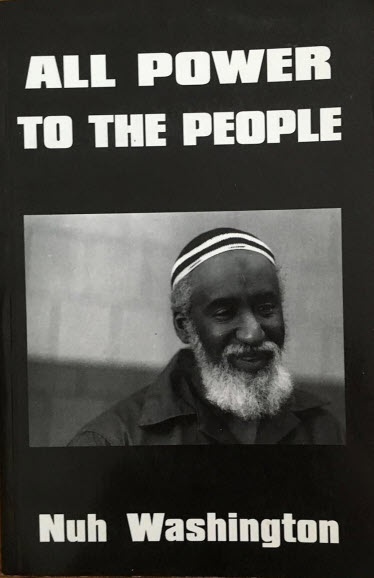
“All Power to the People” by Albert Nuh Washington is a significant work that explores the history and impact of the Black Panther Party (BPP) and the broader Black radical movement in the United States. Published in 2002, the book provides an in-depth analysis of the social, political, and economic conditions that gave rise to the BPP, as well as the party’s contributions to the struggle for civil rights and social justice. Washington draws on personal experiences, interviews, and historical narratives to highlight the achievements and challenges faced by the Black Panther Party, offering a critical perspective on its legacy and the continuing relevance of its ideals in contemporary society. The outline and overview that follows provides a structured look at the contents of “All Power to the People” by Albert Nuh Washington.
Outline
I. Introduction
- A. Overview of the Black Panther Party’s significance
- B. Purpose of the book and its relevance to contemporary social justice movements
- C. Author’s background and perspective
II. Historical Context
- A. The civil rights movement and its limitations
- Key figures and events leading to the rise of the BPP
- Challenges faced by African Americans in the 1960s
- B. The influence of Black nationalism and radical thought
- Connection to earlier movements (e.g., Marcus Garvey, the Nation of Islam)
- Emergence of the Black Power movement
III. Formation of the Black Panther Party
- A. Founding members and their motivations
- Huey P. Newton and Bobby Seale
- Key ideological influences
- B. Development of the party’s platform and goals
- The Ten-Point Program
- Focus on community empowerment and social justice
IV. Key Activities and Programs
- A. Community initiatives
- Free breakfast programs for children
- Health clinics and education programs
- B. Armed self-defense and its implications
- The philosophy of self-defense against police brutality
- Impact on public perception and law enforcement responses
V. Internal Challenges and Conflicts
- A. Struggles within the organization
- Leadership disputes and factionalism
- The influence of COINTELPRO and government repression
- B. The impact of external pressures
- Surveillance and infiltration by law enforcement
- Media portrayal and public perception of the BPP
VI. Legacy of the Black Panther Party
- A. Contributions to civil rights and social justice
- Influence on later movements (e.g., Black Lives Matter)
- Cultural impact through art, music, and literature
- B. Ongoing relevance of BPP ideals
- Discussion of systemic racism and inequality today
- Calls for community empowerment and social change
VII. Conclusion
- A. Summary of key themes and insights from the book
- B. Reflection on the importance of understanding the BPP’s history
- C. Call to action for continued activism and social justice
“All Power to the People” serves as a vital resource for understanding the history and legacy of the Black Panther Party and the broader struggle for racial and social justice in America. By examining the party’s origins, key initiatives, and challenges, Washington provides valuable insights into the ongoing fight against systemic oppression and the importance of community empowerment. The book encourages readers to reflect on the lessons of the past while inspiring continued activism in the pursuit of equality and justice.
“All Power to the People” is an essential examination of the Black Panther Party (BPP) and its pivotal role in the fight for civil rights and social justice in the United States. Here’s a more detailed exploration of the book’s themes, key figures, historical context, and its significance:
Detailed Exploration of Key Themes
1. Historical Context
- Civil Rights Movement Limitations: Washington discusses the civil rights movement’s achievements, such as the Civil Rights Act and the Voting Rights Act, while highlighting its limitations in addressing systemic issues like poverty, police brutality, and economic inequality. The urgency for a more radical approach was felt by many African Americans, leading to the rise of the Black Panther Party.
- Influence of Black Nationalism: The book places the BPP within the wider context of Black Nationalism and the Black Power movement, which emerged in the 1960s as a response to the perceived inadequacies of mainstream civil rights strategies. Washington emphasizes the influence of figures like Marcus Garvey and Malcolm X, who advocated for self-determination and empowerment for Black communities.
2. Formation and Ideology of the Black Panther Party
- Founding Members: The BPP was founded in 1966 by Huey P. Newton and Bobby Seale in Oakland, California. Washington explores how their backgrounds and experiences shaped their vision for the party, particularly their commitment to armed self-defense against police violence.
- The Ten-Point Program: A central feature of the BPP’s ideology was its Ten-Point Program, which outlined the party’s demands for justice, equality, and economic empowerment. Washington details each point, which included calls for decent housing, education, and employment, as well as an end to police brutality.
3. Community Programs and Activism
- Social Initiatives: Washington highlights the BPP’s commitment to community service through programs like free breakfast for children, health clinics, and educational programs. These initiatives were designed to address the immediate needs of African American communities and demonstrate that the BPP was more than just a militant organization.
- Armed Self-Defense: The book discusses the philosophy of armed self-defense that the BPP adopted in response to police brutality. Washington analyzes how the party’s public displays of armed self-defense were both a statement of empowerment and a catalyst for increased tensions with law enforcement.
4. Internal Struggles and External Pressures
- Factionalism and Leadership Conflicts: Washington examines internal conflicts within the BPP, particularly the power struggles between different factions. These conflicts were exacerbated by the pressure from law enforcement and the FBI’s Counterintelligence Program (COINTELPRO), which sought to undermine the party through infiltration, disinformation, and surveillance.
- Government Repression: The book details the various tactics used by law enforcement to suppress the BPP, including arrests, harassment, and violent confrontations. Washington underscores the impact of COINTELPRO in destabilizing the organization and contributing to its decline in the early 1970s.
5. Legacy and Ongoing Relevance
- Cultural Impact: Washington discusses how the BPP’s ideals and aesthetics influenced music, art, and literature, leaving a lasting mark on African American culture. The party’s imagery and messages of empowerment continue to resonate in contemporary artistic expressions.
- Influence on Modern Movements: The book draws connections between the BPP and contemporary movements such as Black Lives Matter, highlighting how the party’s focus on systemic injustice and community empowerment laid the groundwork for ongoing activism. Washington calls attention to the continuing struggle against racism, police violence, and inequality.
Significance of the Work
- Educational Resource: “All Power to the People” serves as an important educational tool for understanding the complexities of the Black Panther Party and the broader Black radical movement. It provides a nuanced perspective that challenges mainstream narratives about the BPP as solely a militant organization.
- Inspiration for Activism: Washington’s work encourages readers to reflect on the lessons of the past and recognize the importance of grassroots activism in effecting social change. The book emphasizes the need for community engagement and the importance of addressing systemic issues through collective action.
- Reexamination of History: By providing a detailed account of the BPP’s history and its various programs, Washington invites readers to reconsider the legacy of the Black Panther Party and its contributions to the struggle for civil rights and social justice in America. It challenges readers to acknowledge the complexities of the BPP’s mission and its relevance in contemporary discussions about race and inequality.
Conclusion
“All Power to the People” by Nuh Washington is a vital contribution to the understanding of the Black Panther Party and the Black radical movement in the United States. Through its exploration of historical context, ideology, activism, and legacy, the book highlights the significance of the BPP in shaping the discourse around civil rights and social justice. Washington’s work serves as both a historical account and a call to action, inspiring readers to engage with the ongoing fight for equality and justice in today’s society.

All Power to the People by Albert Nuh Washington, eBook
Pop the document out from the upper right to read / expand / download.




 RBG Communiversity: Message 2 Da Grassroots
You must be logged in to post a comment.