The Diary of Malcolm X: El-Hajj Malik El-Shabazz, 1964, Eds. Herb Boyd , Ilyasah Al-Shabazz with, Minister Malcolm X Select Teachings Video Player

Book Summary

“The Diary of Malcolm X: El-Hajj Malik El-Shabazz, 1964” is an edited collection of the personal writings of Malcolm X during a pivotal year in his life. Compiled by editors  Herb Boyd, Ilyasah Al-Shabazz the diary offers an intimate glimpse into Malcolm X’s thoughts, experiences, and reflections following his departure from the Nation of Islam and his pilgrimage to Mecca. It captures his evolving views on race, religion, and global politics, showcasing his quest for identity and justice. The diary serves as a powerful testament to Malcolm X’s legacy as a human and civil rights leader and a thinker who transcended traditional boundaries in his pursuit of equality and understanding.

The outline that follows encapsulates the essence of “The Diary of Malcolm X,” highlighting its exploration of Malcolm X’s thoughts, experiences, and evolving perspectives during a transformative year in his life. The diary serves as both a personal narrative and a critical reflection on broader social issues, emphasizing Malcolm X’s lasting impact on the struggle for equality and justice.

  • Introduction
    • Overview of Malcolm X’s significance in American history
    • Contextualization of the diary and its importance
    • Brief explanation of the editors’ role in compiling the writings
  • Background of Malcolm X
    • Overview of Malcolm X’s early life and upbringing
    • His involvement with the Nation of Islam and subsequent departure
    • The significance of his pilgrimage to Mecca in 1964
  • Key Themes in the Diary
    • Identity and Transformation
      • Exploration of Malcolm X’s evolving self-concept
      • Reflections on his newfound understanding of Islam and brotherhood
    • Race and Racism
      • Insights into his views on race relations in America and globally
      • Discussion of systemic racism and its impact on African Americans (New Afrikans)
    • Global Perspectives on Human Rights
      • Malcolm X’s engagement with international leaders and movements
      • The intersection of civil rights and global struggles for liberation
  • Major Events Documented
    • The Pilgrimage to Mecca
      • Detailed reflections on his experiences and encounters during the Hajj
      • The impact of his pilgrimage on his worldview and beliefs
    • Public Speaking and Activism
      • Accounts of his speeches, travels, and engagements with various communities
      • The challenges and triumphs he faced in advocating for justice
  • Personal Reflections
    • Insights into Malcolm X’s personal struggles and triumphs
    • His thoughts on family, faith, and community
    • The emotional and psychological toll of his activism
  • Legacy and Impact
    • Discussion of Malcolm X’s enduring influence on civil rights and social justice movements
    • The relevance of his writings and thoughts in contemporary discourse
    • Reflections on how his legacy continues to inspire activism today
  • Conclusion
    • Summary of the key insights from Malcolm X’s diary
    • The importance of understanding his journey and transformation
    • Final thoughts on the significance of Malcolm X’s contributions to social justice

“The Diary of Malcolm X: El-Hajj Malik El-Shabazz, 1964” provides a profound and intimate look at one of the most influential figures in the American  human and civil rights movements. Compiled by editors Herb Boyd , Ilyasah Al-Shabazz, the diary not only chronicles Malcolm X’s activities during this pivotal year but also offers deep insights into his evolving thoughts and philosophies. Here’s a deeper exploration of the themes, experiences, and legacy conveyed in the diary:

Key Themes Explored

  • Identity and Transformation
    • Malcolm X’s journey of self-discovery is a central theme in the diary. After leaving the Nation of Islam, he redefines his identity beyond the constraints of his previous affiliations. His pilgrimage to Mecca marks a significant turning point, as he experiences a profound sense of brotherhood with Muslims of diverse backgrounds, challenging his previous views on race.
    • His reflections reveal a nuanced understanding of what it means to be a Black man in America and a global citizen, emphasizing the importance of unity among oppressed people worldwide.
  • Race and Racism
    • Throughout the diary, Malcolm X grapples with the realities of systemic racism in America. His writings articulate the deep frustrations and injustices faced by African Americans (New Afrikans), as well as the historical context of oppression.
    • He contrasts his experiences in the U.S. with the acceptance he finds in the Muslim world, which leads him to rethink his approach to race relations and the potential for solidarity across racial and national lines.
  • Global Perspectives on Human Rights
    • The diary reflects Malcolm X’s increasing awareness of global struggles for freedom and justice. He engages with international leaders and movements, advocating for the rights of oppressed peoples beyond the United States.
    • His writings highlight the interconnectedness of civil rights, anti-colonialism, and human rights, positioning the struggle for Black liberation within a larger global context.

Major Events Documented

  • The Pilgrimage to Mecca
    • Malcolm X provides detailed accounts of his experiences during the Hajj, emphasizing its transformative impact on his beliefs. He describes the profound sense of equality he felt among Muslims from different ethnic backgrounds, which challenges his previous notions of racial divisions.
    • This experience leads him to adopt a more inclusive perspective on race, emphasizing the importance of unity among all people fighting against oppression.
  • Public Speaking and Activism
    • The diary chronicles his extensive travels and speaking engagements, where he advocates for human and civil rights and social justice. He reflects on the challenges he faces, including opposition from both the establishment and factions within the civil rights movement.
    • His writings reveal his determination to continue speaking out against injustice despite the risks, showcasing his resilience and commitment to the cause.

Personal Reflections

  • Struggles and Triumphs
    • Malcolm X candidly shares his personal struggles, including the emotional toll of his activism, the challenges of being a public figure, and the impact on his family life. He reflects on the balance between his commitments to his community and his responsibilities as a husband and father.
    • His reflections on faith reveal a deepening spiritual journey, as he seeks to reconcile his religious beliefs with his activism.

Legacy and Impact

  • Enduring Influence
    • The diary underscores Malcolm X’s lasting impact on civil rights and social justice movements. His insights into race, identity, and global solidarity continue to resonate with activists today.
    • The themes he addresses—systemic racism, the quest for justice, and the importance of international solidarity—remain relevant in contemporary discussions about equity and human rights.
  • Cultural and Intellectual Contributions
    • Malcolm X’s writings and speeches have inspired generations of thinkers, activists, and artists. His ability to articulate the complexities of race and identity has made him a pivotal figure in American history and a symbol of resistance.
    • The diary serves as a critical resource for understanding his intellectual evolution and his role in shaping the narrative of the civil rights movement.

Conclusion

“The Diary of Malcolm X: El-Hajj Malik El-Shabazz, 1964” is more than just a personal account; it is a powerful reflection on the struggle for justice, identity, and human rights. Malcolm X’s writings encapsulate his growth as a leader and thinker during a transformative period in his life. The diary offers readers an opportunity to engage with his thoughts and experiences, providing insights into the complexities of race and the ongoing fight for equality.

Through this work, Malcolm X’s legacy endures, reminding us of the importance of activism, solidarity, and the relentless pursuit of justice in the face of oppression. His journey serves as an inspiration for current and future movements advocating for social change and human rights.

The Diary of Malcolm X: El-Hajj Malik El-Shabazz (1964)_eBook

Pop the documents out from the upper right to read / expand / download.

Minister Malcolm X Select Teachings Video Player

25 Video Playlist

RBG Communiversity eLibrary: Minister Malcolm X “A Comprehensive Achieve” Folder
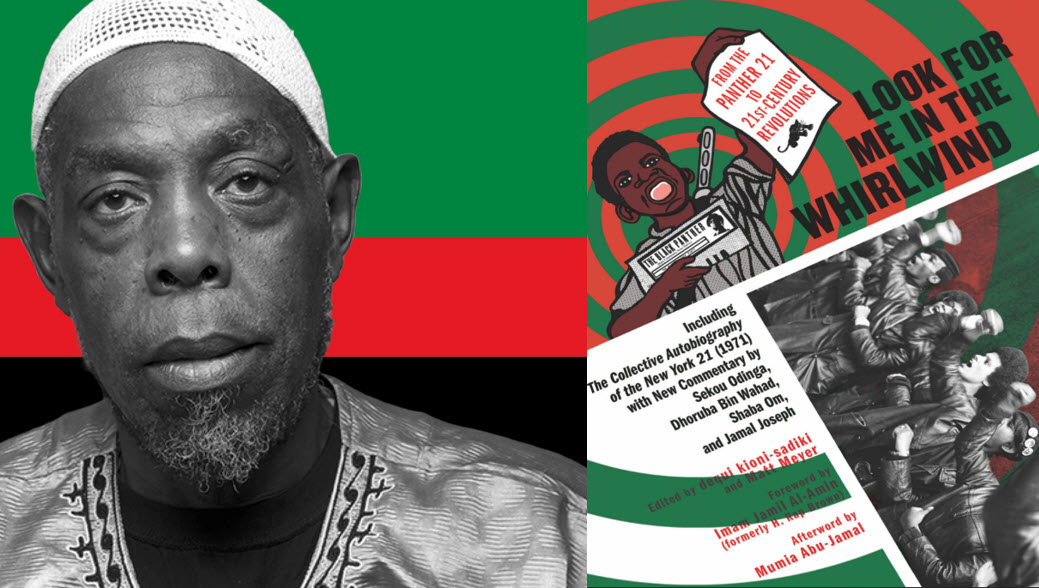
Bilal Sunni-Ali (RIU) Biography Series and Look for Me in the Whirlwind: From the Panther 21 to 21st-Century Revolutions (eBook) with Bilal Sunni Ali Tribute Video Player

Bilal Sunni-Ali Biography Series Parts 2 and 3

Biographical Essay of Bilal Sunni-Ali

Pop the documents out from the upper right to read / expand / download.

Bilal Sunni Ali Tribute Video Player

10 Video Playlist

Look for Me in the Whirlwind: From the Panther 21 to 21st-Century Revolutions

Look for Me in the Whirlwind| Read/Study/Download RBG Communiversity’s Book Summary

Bilal Sunni Ali performing A Prayer For Everybody In The World live at Burning Books

Look for me in the Whirlwind_ Bilal Sunni-Ali Interview

Learn more in RBG Communiversity Knowledge Media eLibrary:

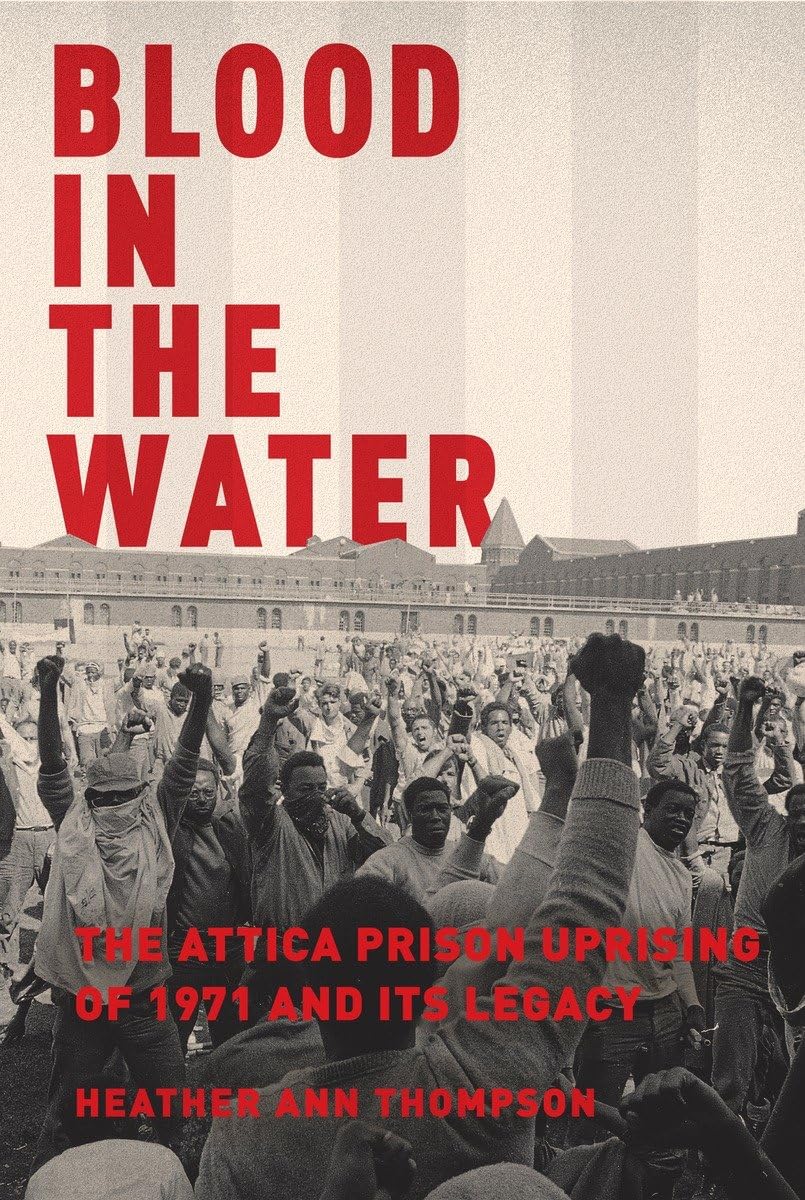
Blood in the Water: The Attica Prison Uprising of 1971 and Its Legacy, by  Heather Ann Thompson_eBook and Audiobook, with RBG Attica is All of Us Viedo Player

Book Summary

“Blood in the Water” offers a detailed account of the Attica prison uprising, which occurred in September 1971, and its aftermath. The book explores the conditions that led to the rebellion, the events during the uprising, the violent retaking of the prison, and the long-lasting implications for the American prison system and civil rights. Thompson combines extensive research, including firsthand accounts, legal documents, and archival materials, to present a comprehensive narrative that highlights the struggles for justice and the fight against systemic racism within the prison system.

This outline provides a structured view of the book’s contents, highlighting the key themes and events that Thompson addresses in her exploration of the Attica prison uprising and its lasting effects on amerikkkan society.

  1. Introduction
    • Historical context of Attica prison
    • Overview of the prison conditions in the 1970s
    • Significance of the uprising in American history
  2. Chapter 1: Background of the Prison System
    • Description of Attica’s conditions
    • Overview of inmates’ grievances
    • Racial dynamics within the prison
  3. Chapter 2: The Uprising Begins
    • Timeline of events leading to the rebellion
    • Key figures involved in the uprising
    • Initial demands of the inmates
  4. Chapter 3: The Hostage Crisis
    • Hostage situations and negotiations
    • Media coverage and public perception
    • The role of prison officials and state authorities
  5. Chapter 4: The Retaking of Attica
    • Government response and planning
    • The violent retaking of the prison
    • Casualties and injuries during the retaking
  6. Chapter 5: Aftermath of the Uprising
    • Legal repercussions for inmates and officials
    • Impact on the families of hostages and inmates
    • Public and political response to the violence
  7. Chapter 6: The Legacy of Attica
    • Changes in prison policies and practices
    • Ongoing issues of prison reform and justice
    • Influence on future movements for inmates’ rights
  8. Chapter 7: Reflections on Justice and Accountability
    • Analysis of systemic racism in the prison system
    • The importance of remembering Attica’s legacy
    • Calls for continued activism and reform
  9. Conclusion
    • Summary of key themes and insights
    • Relevance of the Attica uprising in contemporary society
    • Final thoughts on justice and human rights

Blood in the Water: The Attica Prison Uprising of 1971 and Its Legacy_eBook

On September 9, 1971, nearly 1,300 prisoners took over the Attica Correctional Facility in upstate New York to protest years of mistreatment. Holding guards and civilian employees hostage, the prisoners negotiated with officials for improved conditions during the four long days and nights that followed.
On September 13, the state abruptly sent hundreds of heavily armed troopers and correction officers to retake the prison by force. Their gunfire killed thirty-nine men—hostages as well as prisoners—and severely wounded more than one hundred others. In the ensuing hours, weeks, and months, troopers and officers brutally retaliated against the prisoners. And, ultimately, New York State authorities prosecuted only the prisoners, never once bringing charges against the officials involved in the retaking and its aftermath and neglecting to provide support to the survivors and the families of the men who had been killed.
Drawing from more than a decade of extensive research, historian Heather Ann Thompson sheds new light on every aspect of the uprising and its legacy, giving voice to all those who took part in this forty-five-year fight for justice: prisoners, former hostages, families of the victims, lawyers and judges, and state officials and members of law enforcement. Blood in the Water is the searing and indelible account of one of the most important civil rights stories of the last century.

Pop the documents out from the upper right to read / expand / download.

Blood in the Water: The Attica Prison Uprising of 1971 and Its Legacy_Audiobook

Part 1

Audio start in earnest (Introduction @ 5 mins. 20 sec.) and corresponds to page 11 of the above Reader.

Part 2

RBG Attica is All of Us Viedo Player

Learn more in RBG Communiversity Knowledge Media eLibrary:

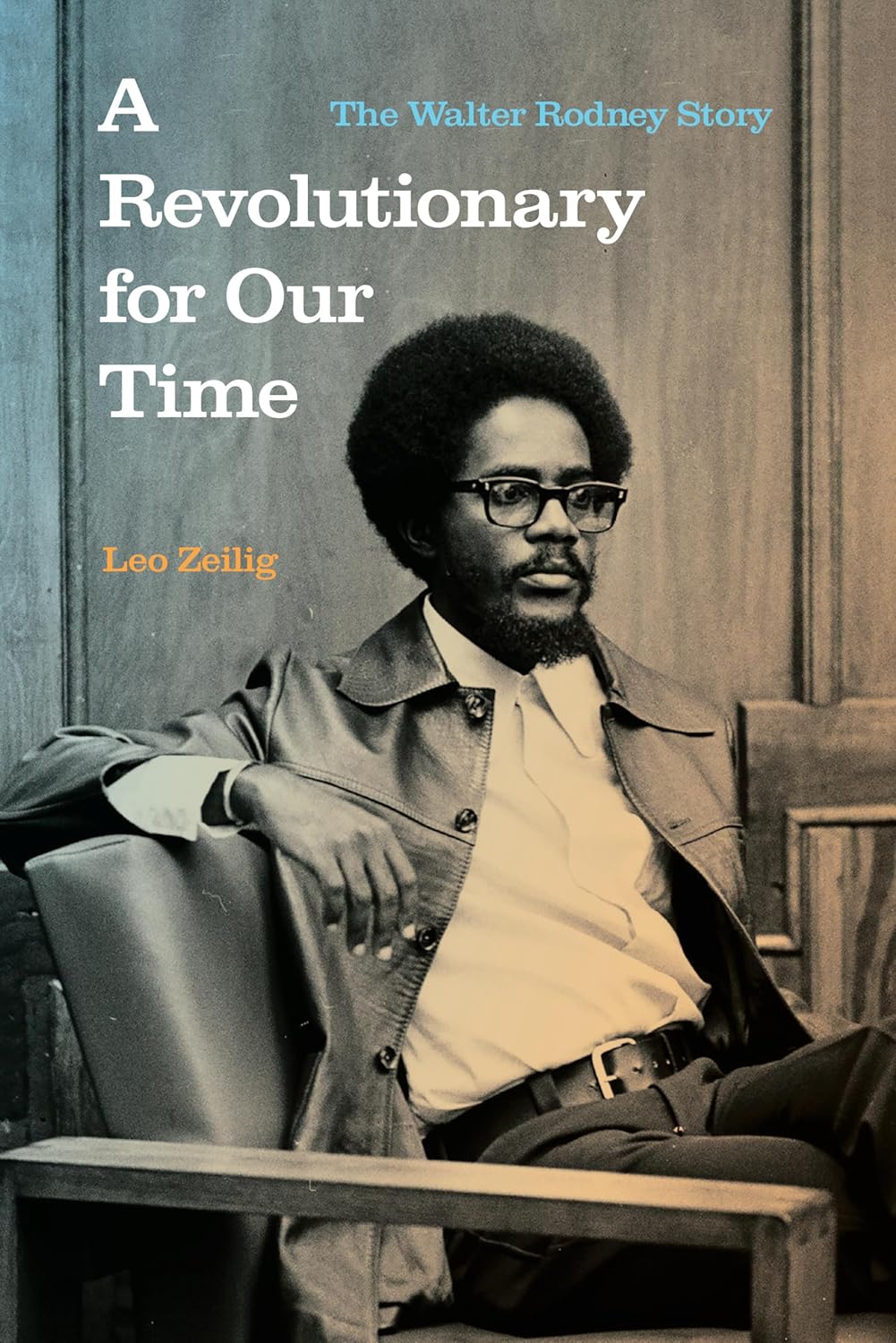
A Revolutionary for Our Time: The Walter Rodney Story by Leo Zeilig_eBook and Audiobook, with HAP 123-History Teaches Us- Walter Rodney

Book Summary

A Revolutionary for Our Time: The Walter Rodney Story by Leo Zeilig is a biography that delves into the life and legacy of Walter Rodney, a prominent Guyanese historian, political activist, and revolutionary. The book highlights Rodney’s contributions to Caribbean intellectual thought, his critiques of colonialism and imperialism, and his dedication to social justice and the empowerment of the oppressed. Through Rodney’s story, Zeilig explores broader themes of race, class, and resistance in the Caribbean, as well as the impact of Rodney’s work on contemporary movements for social change.

Key Themes and Historical Context:

  1. Introduction to Walter Rodney
    • Overview of Rodney’s significance in Caribbean history
    • Brief introduction to his early life and background
  2. Early Life and Education
    • Rodney’s upbringing in British Guiana
    • Educational experiences and early influences
    • Development of his political consciousness
  3. Academic Career and Historical Contributions
    • Rodney’s work as a historian and scholar
    • Key publications and their impact (e.g., “How Europe Underdeveloped Africa”)
    • Methodological approaches and critiques of traditional historiography
  4. Political Activism and Leader of the People’s Movement
    • Involvement in political movements in Guyana
    • Formation of the Working People’s Alliance (WPA)
    • Advocacy for the rights of marginalized communities
  5. Colonialism and Imperialism
    • Rodney’s critique of colonial structures
    • Analysis of the effects of colonialism on Caribbean societies
    • Advocacy for decolonization and self-determination
  6. Exile and International Influence
    • Rodney’s experiences of exile and its impact on his work
    • Connections with other revolutionary movements in the Caribbean and globally
    • Participation in international forums and discussions
  7. Legacy and Impact
    • Rodney’s influence on subsequent generations of activists and scholars
    • The continuing relevance of his ideas in contemporary struggles
    • Commemoration of Rodney’s life and work in cultural memory
  8. Conclusion
    • Reflection on Walter Rodney’s contributions as a revolutionary thinker
    • The importance of his legacy in the fight for social justice and equality

A Revolutionary for Our Time: The Walter Rodney Story_eBook

Walter Rodney was a scholar, working class militant, and revolutionary from Guyana. Strongly influenced by Marxist ideas, he remains central to radical Pan-Africanist thought for large numbers of activists’ today. Rodney lived through the failed –though immensely hopeful -socialist experiments in the 1960s and 1970s, in Tanzania and elsewhere. The book critically considers Rodney’s contribution to Marxist theory and history, his relationship to dependency theory and the contemporary significance of his work in the context of movements and politics today. The first full-length study of Rodney’s life, this book is an essential introduction to Rodney’s work.

Pop the document out from the upper right to read / expand / download.

A Revolutionary for Our Time: The Walter Rodney Story_Audiobook

Part 1

Part 2

HAP 123-History Teaches Us- Walter Rodney

Learn more in RBG Communiversity Knowledge Media eLibrary:

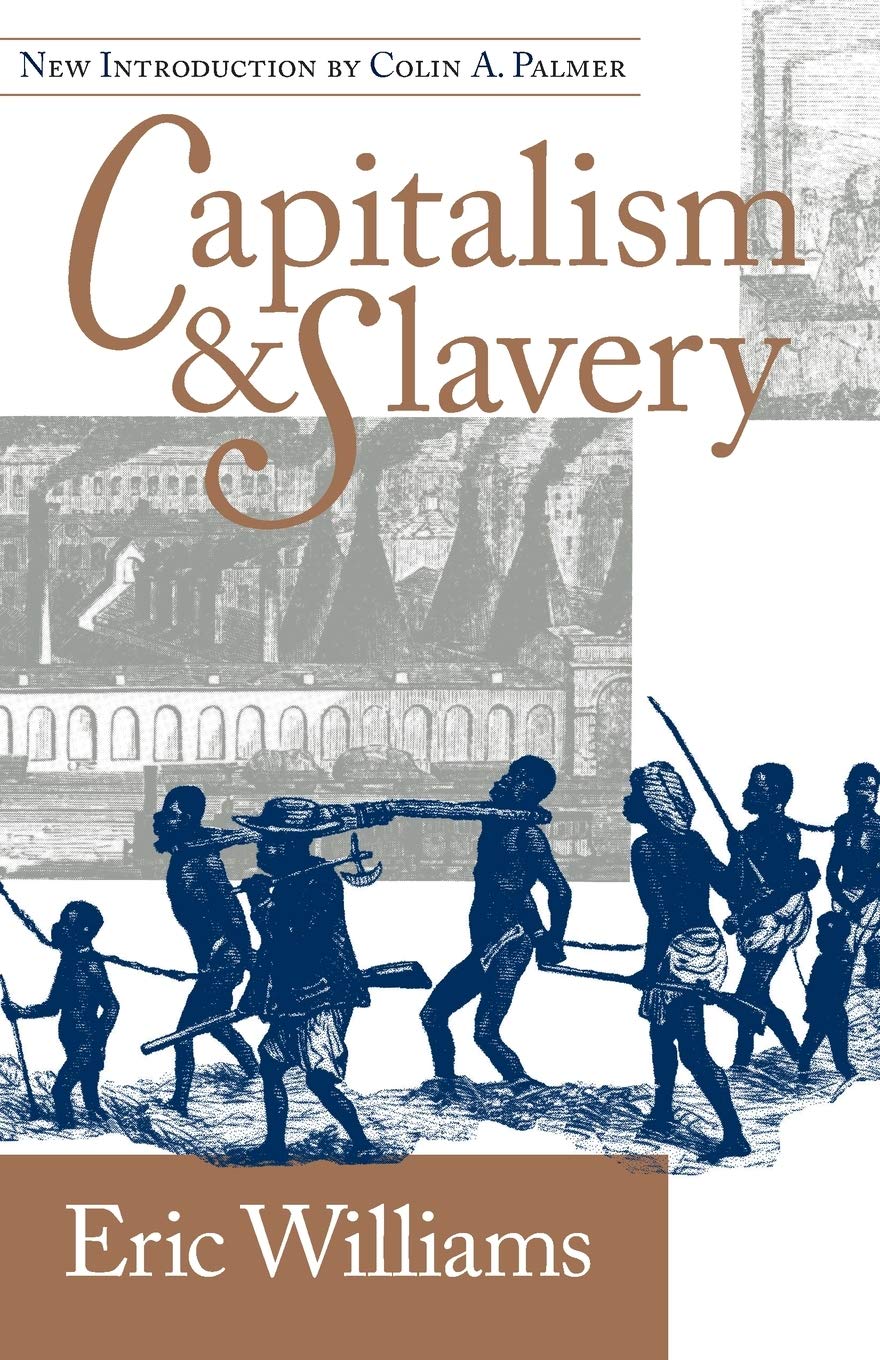
Capitalism and Slavery by Eric Williams_eBook and Audiobook, with Capitalism and Slavery – Eric William – 75 Years Later- 2 Day Symposium

Book Summary

“Capitalism and Slavery” by Eric Williams is a seminal work that investigates the relationship between the rise of capitalism in Europe and the system of slavery in the Americas. Williams argues that the profits derived from the slave trade and plantation economies were instrumental in fueling the growth of European capitalism, particularly in Britain. The book challenges conventional historical narratives that separate economic development from the exploitation of enslaved people, highlighting how slavery was not only a moral issue but also a critical economic factor in the development of modern capitalism. Williams’ analysis underscores the interconnectedness of race, economics, and history, making a significant contribution to the study of both slavery and economic history.

Essential Themes and Arguments:

  1. Introduction
    • Overview of the book’s objectives and significance
    • Introduction to the central thesis linking capitalism and slavery
    • Contextualization of the historical period under discussion
  2. The Economic Foundations of Slavery
    • Analysis of the economic motivations behind the transatlantic slave trade
    • The role of sugar and other cash crops in the Caribbean economy
    • Examination of the financial networks that supported the slave trade
  3. The Impact of Slavery on British Capitalism
    • Discussion of how profits from slavery contributed to British industrialization
    • Examination of the relationship between slave-derived wealth and British economic growth
    • Analysis of the investment in infrastructure and industry enabled by slave profits
  4. Political and Social Implications
    • Exploration of the political considerations surrounding slavery and abolition
    • Discussion of the social tensions and class struggles linked to the slave economy
    • Examination of the role of enslaved people in resisting their oppression
  5. Abolition and Its Consequences
    • Analysis of the abolition movement and its economic implications
    • Discussion of the motivations behind abolition, including economic shifts
    • Examination of the effects of abolition on both the colonies and Britain
  6. Racial Ideologies and Economic Interests
    • Exploration of how racial theories justified slavery and exploitation
    • Discussion of the intersection of race and economics in shaping societal views
    • Examination of the legacy of these ideologies in contemporary society
  7. Legacy of Slavery in Modern Capitalism
    • Reflection on the long-term economic effects of slavery on global capitalism
    • Discussion of the continued inequalities stemming from historical exploitation
    • Analysis of how understanding this legacy informs current socio-economic debates
  8. Conclusion
    • Summary of key themes and arguments presented throughout the book
    • Final reflections on the importance of recognizing the ties between capitalism and slavery
    • Call for a reevaluation of historical narratives regarding slavery and economic development

Capitalism and Slavery by Eric Williams_eBook

Slavery helped finance the Industrial Revolution in England. Plantation owners, shipbuilders, and merchants connected with the slave trade accumulated vast fortunes that established banks and heavy industry in Europe and expanded the reach of capitalism worldwide. Eric Williams advanced these powerful ideas in Capitalism and Slavery, published in 1944. Years ahead of its time, his profound critique became the foundation for studies of imperialism and economic development. Binding an economic view of history with strong moral argument, Williams’s study of the role of slavery in financing the Industrial Revolution refuted traditional ideas of economic and moral progress and firmly established the centrality of the African slave trade in European economic development. He also showed that mature industrial capitalism in turn helped destroy the slave system. Establishing the exploitation of commercial capitalism and its link to racial attitudes, Williams employed a historicist vision that set the tone for future studies. In a new introduction, Colin Palmer assesses the lasting impact of Williams’s groundbreaking work and analyzes the heated scholarly debates it generated when it first appeared.

Pop the document out from the upper right to read / expand / download.

Capitalism and Slavery by Eric Williams_Audiobook

Capitalism and Slavery – Eric William – 75 Years Later- 2 Day Symposium

The CARICOM Reparations Commission in collaboration with the UWI Centre for Reparation Research and the Faculty of Humanities and Education at the UWI St. Augustine Campus is hosting an academic symposium to commemorate the 75th year of the publication of Eric Williams’ Capitalism and Slavery on the 13th November 2019. The themes to be discussed include: • Williams’ Caribbean Vision • The Profits from Enslavement (16th – 19th Century) • Impact of Capitalism and Slavery on the world today (21st Century) • Capitalism and Slavery and Reparations • Capitalism and Slavery – Global Connections • Decolonising Caribbean History At this symposium, we seek to gather scholars, intellectuals, corporate interest groups, artists, and activists to join us to examine the impact of Eric Williams and his work on the contemporary Caribbean and wider world. This symposium will also provide an opportunity to discuss his legacy with the next generation of leaders and intellectuals. Such commemorative activities are taking place all over the world. Symposiums will be held in Britain and the United States. We are adding the Caribbean’s voice through this symposium at the UWI.

14 Video Playlist

Learn more in RBG Communiversity Knowledge Media eLibrary: