No Surrender: Writings From An Anti-Imperialist Political Prisoner by David Gilbert_eBook and Audiobook, with Supplemental_David Gilbert’s Message to the 2021 Columbia University Reunion

Last Updated 04-27-2024

Book Summary

“No Surrender: Writings From An Anti-Imperialist Political Prisoner” by David Gilbert is a collection of essays, letters, and reflections from the author, who is a former member of the Weather Underground Organization. The book captures Gilbert’s thoughts and experiences during his imprisonment, highlighting his commitment to anti-imperialism, social justice, and revolutionary politics. Through his writings, Gilbert examines the nature of state power, the struggles for liberation, and the importance of solidarity among oppressed peoples. His reflections provide insight into the broader context of political activism, the prison industrial complex, and the fight against imperialism, making it a significant contribution to contemporary political discourse.

The outline that follows captures the key themes and structure of David Gilbert’s “No Surrender: Writings From An Anti-Imperialist Political Prisoner.” The book serves as a powerful testament to the resilience of political prisoners and the ongoing struggles for justice and liberation. Gilbert’s writings reflect a deep commitment to anti-imperialism, solidarity, and revolutionary change, making it an important contribution to contemporary political thought and activism.

I. Introduction

  • A. Purpose of the book
  • B. Overview of David Gilbert’s background and activism
  • C. Importance of anti-imperialist struggle in contemporary politics

II. Personal Reflections

  • A. Experiences as a political prisoner
    • Life in prison and its challenges
    • The impact of incarceration on personal beliefs and activism
  • B. The role of writing in maintaining political consciousness
    • Reflection as a tool for resistance
  • The importance of intellectual engagement while incarcerated

III. Anti-Imperialism and Revolutionary Politics

  • A. Definition and principles of anti-imperialism
    • Historical context of imperialism
    • Links between imperialism and capitalism
  • B. The significance of revolutionary movements
    • Case studies of global liberation struggles
  • Lessons learned from past revolutionary efforts

IV. The Prison Industrial Complex

  • A. Examination of the U.S. prison system
    • Historical development of mass incarceration
    • Racial and economic disparities in imprisonment
  • B. The role of prisons in maintaining state power
    • Analysis of how prisons serve the interests of capitalism
  • The impact of incarceration on communities and social movements

V. Solidarity and Collective Action

  • A. The importance of solidarity among oppressed groups
    • Building coalitions across movements
    • Historical examples of successful solidarity efforts
  • B. Strategies for effective collective action
    • Organizing tactics and community engagement
  • The role of education and awareness in fostering solidarity

VI. Political Analysis and Critique

  • A. Critique of U.S. foreign policy and imperialism
    • Analysis of specific policies and their impacts
    • The consequences of imperialist actions on global populations
  • B. Reflection on the revolutionary potential of marginalized communities
    • The role of grassroots movements in driving change
  • Vision for a more equitable and just society

VII. Conclusion

  • A. Summary of key themes and insights
  • B. Call to action for readers and activists
  • C. Vision for continuing the struggle against imperialism and for social justice

“No Surrender: Writings From An Anti-Imperialist Political Prisoner” is a profound exploration of political activism, anti-imperialism, and the experiences of being incarcerated as a political prisoner. Here’s a deeper look at the key themes, insights, and implications presented in the book:

Detailed Exploration of Key Themes

1. Personal Reflections

  • Experiences of Incarceration: Gilbert shares his firsthand experiences as a political prisoner, providing readers with an intimate look at life behind bars. He discusses the psychological and emotional challenges of imprisonment, including isolation and the struggle to maintain a sense of purpose and identity while incarcerated.
  • Writing as Resistance: Throughout the book, Gilbert emphasizes the importance of writing as a means of maintaining political consciousness and resilience. His reflections illustrate how writing serves not only as a personal outlet but also as a tool for engaging with broader political struggles and sharing knowledge with others.

2. Anti-Imperialism and Revolutionary Politics

  • Understanding Anti-Imperialism: Gilbert defines anti-imperialism as a critical response to the oppressive practices of powerful nations that exploit and dominate less powerful countries. He contextualizes this within the historical framework of colonialism and contemporary global politics, arguing that imperialism is deeply intertwined with capitalism.
  • Lessons from Revolutionary Movements: The book includes analyses of various revolutionary movements around the world, examining their strategies, successes, and failures. Gilbert draws lessons from these movements, emphasizing the need for solidarity and cooperation among oppressed peoples to achieve liberation.

3. The Prison Industrial Complex

  • Mass Incarceration: Gilbert critiques the U.S. prison system, detailing how mass incarceration disproportionately affects marginalized communities, particularly people of color. He explores the historical roots of this phenomenon and its ongoing consequences for society.
  • Prisons as Tools of Control: The book discusses how the prison industrial complex serves to uphold state power and reinforce societal inequalities. Gilbert argues that prisons are not just sites of punishment but also mechanisms for maintaining social order and capitalist interests.

4. Solidarity and Collective Action

  • Building Solidarity Among Movements: Gilbert stresses the importance of solidarity among various social justice movements, advocating for coalitions across racial, economic, and ideological lines. He highlights historical examples where solidarity has led to significant progress and change.
  • Strategies for Activism: The book provides insights into effective organizing strategies, emphasizing the need for grassroots engagement, education, and community-building. Gilbert encourages readers to become active participants in the struggle for justice and to seek out opportunities for collective action.

5. Political Analysis and Critique

  • Critique of U.S. Imperialism: Gilbert offers a critical analysis of U.S. foreign policy and its imperialist undertones. He discusses specific instances of military intervention and exploitation, highlighting the human costs of these actions on affected populations.
  • Revolutionary Potential of Marginalized Communities: The book underscores the importance of recognizing the agency of marginalized communities in driving change. Gilbert argues that these communities possess the potential to lead revolutionary movements and challenge oppressive systems.

Implications and Legacy

  • Continuity of Struggles: Gilbert’s writings illustrate the ongoing nature of struggles against imperialism and oppression. He connects historical movements with contemporary issues, urging readers to recognize the continuity of these struggles.
  • Call for Awareness and Action: The book serves as a rallying cry for activists and individuals to engage critically with their surroundings and take action against injustice. Gilbert emphasizes the need for awareness of systemic inequalities and the importance of collective mobilization.
  • Educational Resource: “No Surrender” functions as an important resource for those seeking to understand the intersections of incarceration, imperialism, and activism. It provides valuable insights and historical context for contemporary social justice movements.

Conclusion

In conclusion, David Gilbert’s “No Surrender: Writings From An Anti-Imperialist Political Prisoner” is a powerful and thought-provoking work that challenges readers to confront issues of imperialism, incarceration, and social justice. Through his reflections and analyses, Gilbert highlights the importance of resilience, solidarity, and collective action in the fight against oppression. His experiences as a political prisoner enrich the narrative, offering a unique perspective on the struggles for liberation and justice. The book is a compelling call to action, urging individuals and communities to engage in the ongoing fight for a more equitable and just world.

No Surrender: Writings From An Anti-Imperialist Political Prisoner by David Gilbert_eBook

Pop the documents out from the upper right to read / expand / download.

No Surrender: Writings From An Anti-Imperialist Political Prisoner by David Gilbert_Audiobook

Reading starts in eearnest @ 7 min, 30 sec (Foward) and corresponds with page 10 of the above reader.
Part 1

Part 2

David Gilbert’s Message to the 2021 Columbia University Reunion

A co-founder of the Columbia University chapter of Students for a Democratic Society in 1966, and a leading antiwar and anti-imperialist activist since before that, David Gilbert is one of the few remaining US political prisoners from that period still incarcerated after almost 40 years. This, despite no direct ties to the harming of any person, a completely clean and nonviolent prison record, and support for his immediate, unconditional release from prominent Nobel Peace laureates including Archbishop Desmond Tutu, from M.K. Gandhi’s grand-daughter and Rev. Dr. Martin Luther King Jr.’s daughter, and from the heads of the Episcopal Church, USA, the Presbyterian Church, Pax Christi International Catholic peace movement, and many others. This presentation by David to the 2021 Columbia University reunion was facilitated by IPRA Secretary General Matt Meyer, a long-standing friend of Gilbert’s who also works with friendsofdavidgilbert.org

Learn more in RBG Communiversity Knowledge Media eLibrary:

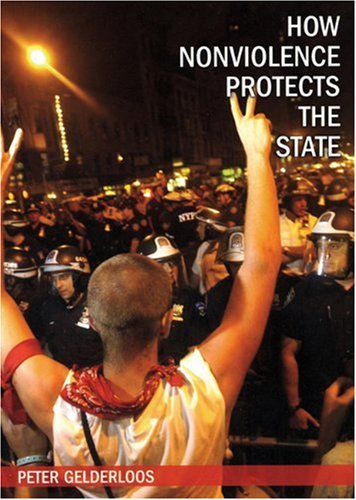
How Nonviolence Protects the State, by Peter Gelderloos_eBook and Audiobook

Since the civil rights era, the doctrine of nonviolence has enjoyed near-universal acceptance by the US Left. Today protest is often shaped by cooperation with state authorities—even organizers of rallies against police brutality apply for police permits, and anti-imperialists usually stop short of supporting self-defense and armed resistance. How Nonviolence Protects the State challenges the belief that nonviolence is the only way to fight for a better world. In a call bound to stir controversy and lively debate, Peter Gelderloos invites activists to consider diverse tactics, passionately arguing that exclusive nonviolence often acts to reinforce the same structures of oppression that activists seek to overthrow.

Book Summary

“How Nonviolence Protects the State” by Peter Gelderloos critically examines the philosophy and practice of nonviolent resistance. Gelderloos argues that nonviolence, while often celebrated as a moral high ground, can inadvertently serve to maintain the status quo and protect state power rather than challenge it. He explores the historical context of nonviolent movements, their effectiveness, and the ways in which state forces have co-opted nonviolent strategies to suppress genuine revolutionary change. The book pushes for a reevaluation of tactics in social movements, advocating for a more nuanced understanding of the relationship between violence, power, and resistance.

The following outline captures the essential themes and structure of Peter Gelderloos’s “How Nonviolence Protects the State.” The book serves as a provocative critique of the nonviolent movement and encourages readers to consider the broader implications of their tactics in the struggle for social justice and systemic change. Through historical analysis and theoretical exploration, Gelderloos advocates for a more nuanced understanding of resistance strategies and their relationship with state power.

I. Introduction

  • A. Purpose of the book
  • B. Overview of nonviolence as a strategy in social movements
  • C. Key arguments and themes

II. Historical Context of Nonviolence

  • A. Origins of nonviolent resistance
    • Key figures and movements (e.g., Gandhi, Martin Luther King Jr.)
    • Philosophical underpinnings of nonviolence
  • B. Nonviolence in practice
    • Case studies of historical nonviolent movements
  • Outcomes and limitations of these movements

III. Nonviolence and the State

  • A. The relationship between nonviolence and state power
    • How nonviolence can reinforce existing power structures
    • The role of the state in shaping nonviolent strategies
  • B. Co-optation of nonviolence by the state
    • Examples of state responses to nonviolent movements
  • The use of nonviolence to diffuse revolutionary potential

IV. The Effectiveness of Nonviolence

  • A. Analyzing the success rates of nonviolent movements
    • Factors contributing to success or failure
    • Comparison with direct action and violent resistance
  • B. Critiques of nonviolence as a universal strategy
    • Contextual limitations of nonviolent tactics
  • The impact of systemic violence on marginalized communities

V. Alternatives to Nonviolence

  • A. Exploring the role of direct action
    • Historical examples of successful direct action
    • The ethics and necessity of violence in resistance
  • B. The importance of diverse tactics in social movements
    • Combining nonviolent and militant strategies
  • The need for tactical flexibility in resistance efforts

VI. Moving Forward: Rethinking Resistance

  • A. Recommendations for contemporary social movements
    • Emphasizing a broad spectrum of tactics
    • Building solidarity and understanding the context of struggle
  • B. The need for a critical approach to nonviolence
    • Encouraging dialogue about tactics and strategy
  • Recognizing the complexities of power dynamics

VII. Conclusion

  • A. Summary of key insights and arguments
  • B. Reflection on the implications for future movements
  • C. Call to action for a more inclusive and effective resistance

Peter Gelderloos’s “How Nonviolence Protects the State” is a thought-provoking critique of nonviolent resistance as a strategy for social change. The book challenges the traditional narratives that celebrate nonviolence as the most ethical or effective means of challenging power. Here’s a more detailed exploration of the book’s key themes, insights, and implications:

Detailed Exploration of Key Themes

1. Historical Context of Nonviolence

  • Origins and Development: Gelderloos provides a historical overview of nonviolent resistance, tracing its roots to figures like Mahatma Gandhi and Martin Luther King Jr. He examines how their philosophies shaped the perception of nonviolence as a moral high ground in social movements.
  • Case Studies: The book analyzes various historical nonviolent movements, noting their successes and failures. Gelderloos discusses the Civil Rights Movement, anti-colonial struggles, and other significant events, highlighting both the achievements and limitations of nonviolent tactics.

2. Nonviolence and the State

  • Reinforcement of Power Structures: One of Gelderloos’s central arguments is that nonviolence can inadvertently reinforce state power. He posits that by adhering strictly to nonviolent principles, movements can limit their effectiveness, allowing the state to maintain control without addressing systemic issues.
  • State Co-optation: The author discusses how states often co-opt nonviolent movements to diffuse revolutionary potential. For example, when movements achieve some level of success through nonviolent means, the state may adopt reforms to quell dissent, ultimately preserving its authority while providing a façade of change.

3. The Effectiveness of Nonviolence

  • Success Rates: Gelderloos critically examines the success rates of nonviolent movements compared to those that employ direct action or violence. He argues that while nonviolent movements can achieve specific goals, they often fall short of enacting broader systemic change.
  • Contextual Limitations: The book emphasizes that nonviolence may not be a universally applicable strategy. In contexts where systemic violence is prevalent, particularly against marginalized communities, nonviolent tactics can become inadequate or even dangerous.

4. Alternatives to Nonviolence

  • Direct Action: Gelderloos advocates for the inclusion of direct action as a legitimate and often necessary tactic in resistance. He discusses historical examples where direct action—whether through property destruction, sabotage, or militant protest—has successfully challenged oppressive systems.
  • Diverse Tactics: The author emphasizes the importance of a diverse range of tactics in social movements. He argues that a combination of nonviolent and militant strategies can create a more effective approach to resistance, adapting to the specific context and needs of the struggle.

5. Moving Forward: Rethinking Resistance

  • Strategic Recommendations: Gelderloos provides recommendations for contemporary movements, urging activists to embrace a broader spectrum of tactics. He calls for flexibility and creativity in resistance strategies, recognizing that different situations may require different approaches.
  • Critical Dialogue: The book encourages ongoing dialogue about tactics and strategy within social movements. Gelderloos stresses the importance of understanding the complexities of power dynamics and the need for movements to be inclusive and responsive to the needs of all participants.

Conclusion

Gelderloos’s “How Nonviolence Protects the State” serves as a significant critique of the nonviolent movement, urging readers to question the effectiveness and morality of nonviolence as a universal strategy for social change. By exploring the historical context, analyzing the relationship between nonviolence and state power, and advocating for diverse resistance tactics, the book challenges activists to think critically about their approaches to fighting oppression.

Broader Implications

  • Reassessment of Resistance Strategies: The insights presented in the book encourage activists to reassess their strategies and consider the broader implications of their actions. It highlights the need for movements to be adaptive and to learn from past experiences.
  • Impact on Contemporary Movements: The themes of the book resonate with ongoing discussions about social justice, particularly in movements addressing racial, economic, and environmental issues. Gelderloos’s critique of nonviolence invites a reexamination of tactics in light of systemic violence and oppression faced by marginalized communities.

Overall, “How Nonviolence Protects the State” is a powerful call for a more nuanced understanding of resistance strategies in the pursuit of social justice. It challenges readers to critically engage with the complexities of power, violence, and the effectiveness of various forms of resistance, ultimately advocating for a more inclusive and strategic approach to activism.

How Nonviolence Protects the State, by Peter Gelderloos_eBook

Pop the documents out from the upper right to read / expand / download.

How Nonviolence Protects the State_Audiobook

Learn more in RBG Communiversity Knowledge Media eLibrary:

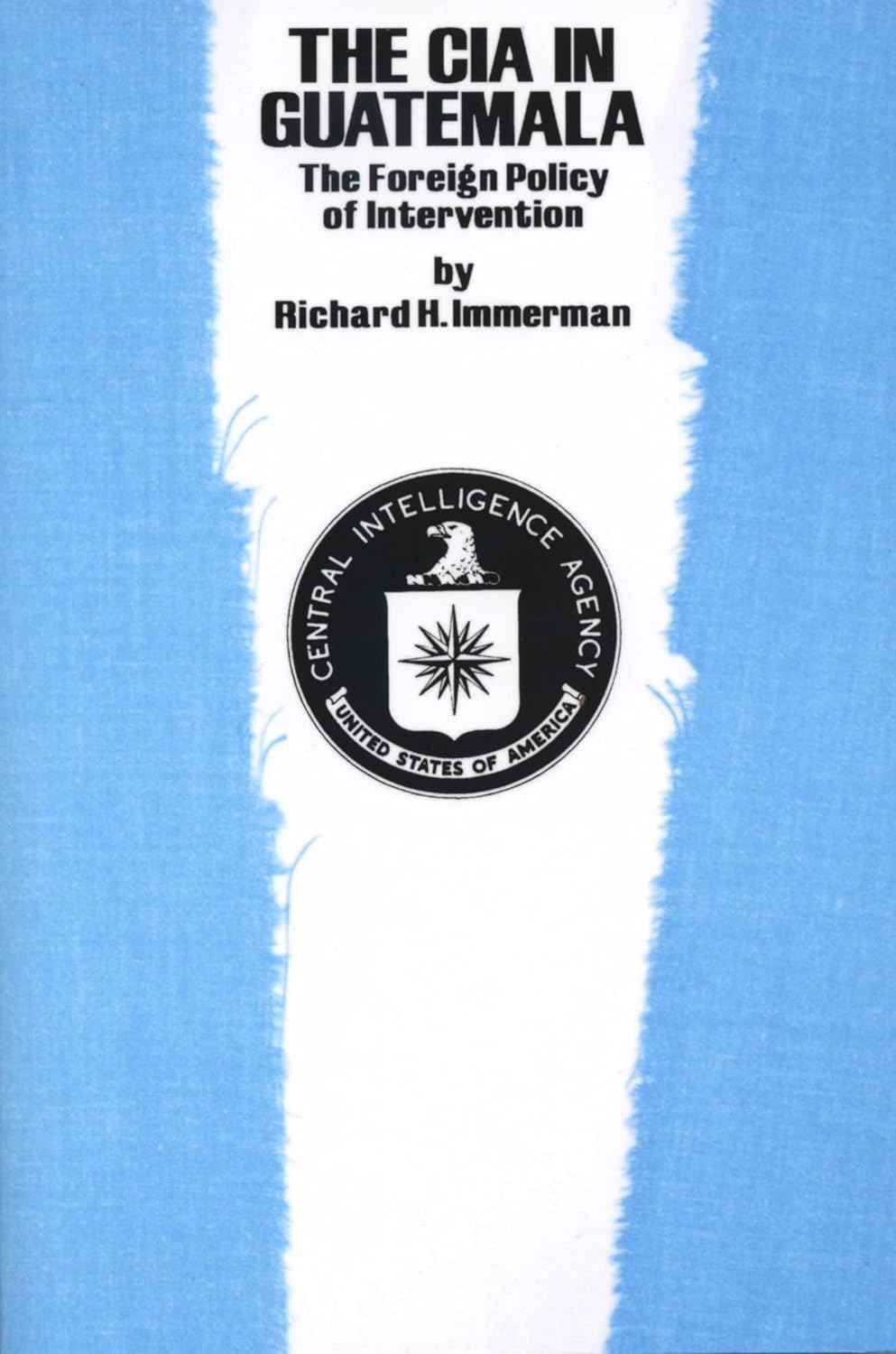
The CIA in Guatemala: The Foreign Policy of Intervention by Richard H. Immerman_eBook and Audiobook, with The CIA in Guatemala Video Education Player

Using documents obtained through the Freedom of Information Act, recently opened archival collections, and interviews with the actual participants, Immerman provides us with a definitive, powerfully written, and tension-packed account of the United States’ clandestine operations in Guatemala and their consequences in Latin America today.

Book Summary

“The CIA in Guatemala: The Foreign Policy of Intervention” by Richard H. Immerman provides a comprehensive analysis of the United States’ covert operations in Guatemala during the early Cold War period, particularly the CIA’s involvement in the overthrow of the democratically elected President Jacobo Árbenz in 1954. Immerman explores the political, economic, and ideological motivations behind U.S. intervention, the impact of the coup on Guatemala’s political landscape, and the broader implications for U.S. foreign policy in Latin America. The book combines historical narrative with critical analysis, shedding light on the complexities of American interventionism.

The outline that follows captures the essential themes and structure of Richard H. Immerman’s “The CIA in Guatemala: The Foreign Policy of Intervention.” The book serves as an important historical document that not only recounts the events surrounding the 1954 coup but also critically examines the motivations and consequences of U.S. intervention in Guatemala, providing valuable insights into the complexities of Cold War foreign policy.

I. Introduction

  • A. Overview of U.S. involvement in Guatemala
  • B. Importance of the 1954 coup in the context of Cold War foreign policy
  • C. Objectives of the book

II. Historical Context

  • A. Political landscape of Guatemala before the coup
    • Overview of colonial history and socio-economic conditions
    • Rise of Jacobo Árbenz and his reform agenda
  • B. U.S. interests in Guatemala
    • Economic interests, particularly regarding the United Fruit Company
  • Strategic concerns during the Cold War

III. The Rise of Jacobo Árbenz

  • A. Political reforms and land redistribution policies
    • Agrarian reform and its implications
    • Opposition from conservative elites and foreign interests
  • B. The perception of Árbenz as a communist threat
    • Cold War ideology and fears of communism in Latin America
  • U.S. intelligence assessments and misinterpretations

IV. Planning the Coup

  • A. CIA’s role in orchestrating the coup
    • Formation of Operation PBSUCCESS
    • Key players involved in the planning and execution
  • B. Psychological warfare and propaganda
    • Use of media and misinformation to undermine Árbenz
  • Mobilizing support from local elites and military

V. The 1954 Coup

  • A. Execution of the coup on June 27, 1954
    • Overview of military actions and key events
    • Impact on Árbenz and his government
  • B. Immediate aftermath and reactions
    • Responses from the Guatemalan populace
  • International reaction and implications for U.S. foreign policy

VI. Consequences of the Intervention

  • A. Political instability in Guatemala
    • Rise of military regimes and authoritarianism
    • Long-term effects on democracy and governance
  • B. Human rights violations and civil conflict
    • Escalation of violence and repression against dissent
  • Legacy of the Guatemalan civil war
  • C. Broader implications for U.S. foreign policy in Latin America
    • Shifts in interventionist strategies
  • Influence on future U.S. actions in the region

VII. Conclusion

  • A. Summary of key findings and arguments
  • B. Reflection on the impact of U.S. intervention in Guatemala
  • C. Lessons learned for contemporary foreign policy

Richard H. Immerman’s “The CIA in Guatemala: The Foreign Policy of Intervention” is a critical examination of one of the most significant covert operations in U.S. history. Here’s a more detailed exploration of the book’s key themes, context, and implications:

Detailed Exploration of Key Themes

1. Historical Context

  • Colonial Legacy and Socio-Economic Conditions: Immerman sets the stage by detailing Guatemala’s colonial history, which laid the groundwork for deep social and economic inequalities. The country was dominated by a small elite, primarily landowners and foreign corporations, particularly the United Fruit Company (UFCO), which held significant economic power.
  • Jacobo Árbenz’s Rise: After World War II, Guatemala experienced a wave of reform movements. Jacobo Árbenz became president in 1951 and sought to implement progressive policies, including land reforms aimed at redistributing land from large estates to landless peasants. These reforms were seen as a direct threat to the interests of UFCO and traditional elites.

2. U.S. Interests and Cold War Context

  • Economic and Strategic Interests: The U.S. was deeply concerned about the influence of communism in Latin America during the Cold War. The nationalization of UFCO land by Árbenz was perceived as a communist threat, prompting U.S. intervention to protect American economic interests.
  • Cold War Ideology: The book discusses the broader ideological battle of the Cold War, where the U.S. sought to prevent the spread of communism. This led to a willingness to intervene in the affairs of sovereign nations, especially in regions perceived as vulnerable to Soviet influence.

3. The Coup Planning

  • Operation PBSUCCESS: Immerman details how the CIA devised Operation PBSUCCESS, a covert plan to overthrow Árbenz. The operation involved assembling a paramilitary force, psychological warfare, and propaganda campaigns to discredit the Árbenz government.
  • Use of Propaganda: The CIA employed tactics to create a climate of fear and uncertainty in Guatemala, portraying Árbenz as a communist puppet. This included the dissemination of false information and leveraging local elites to undermine his authority.

4. The 1954 Coup

  • Execution and Immediate Outcomes: The coup was executed on June 27, 1954, with a combination of military action and psychological operations. The CIA-backed forces, led by Carlos Castillo Armas, quickly gained ground, leading to Árbenz’s resignation.
  • Reactions and Aftermath: The coup resulted in immediate political upheaval. While some segments of the population initially welcomed the change, many others were left disillusioned and fearful of the ensuing military rule.

5. Consequences of the Intervention

  • Political Instability: The overthrow of Árbenz led to decades of political instability in Guatemala, marked by a series of military dictatorships. This instability created conditions for a protracted civil war that lasted from the 1960s to the 1990s.
  • Human Rights Violations: The military regimes that followed the coup engaged in widespread human rights abuses, including extrajudicial killings, forced disappearances, and repression of dissent. The civil war resulted in the deaths of over 200,000 people, with indigenous populations disproportionately affected.
  • Impact on U.S. Foreign Policy: Immerman argues that the events in Guatemala exemplified a shift in U.S. foreign policy toward more aggressive interventions in Latin America. The coup set a precedent for future U.S. actions, contributing to a legacy of distrust and resentment towards U.S. involvement in the region.

Conclusion

Immerman’s book is a significant scholarly work that provides a nuanced understanding of the U.S. intervention in Guatemala. By exploring the motivations, planning, and consequences of the coup, Immerman highlights the complex interplay between economic interests, Cold War ideology, and the principle of national sovereignty.

Broader Implications

  • Lessons on Intervention: The book serves as a cautionary tale about the consequences of foreign intervention, emphasizing the potential for long-term instability and human suffering that can result from such actions.
  • Understanding Modern Contexts: The themes explored in the book prompt reflection on contemporary issues related to U.S. foreign policy, especially in Latin America. The legacy of interventions like that in Guatemala continues to shape diplomatic relations and public perceptions of the U.S. in the region.

Immerman’s analysis is an important contribution to the historiography of U.S. foreign policy, shedding light on the complexities of intervention and the lasting impacts of Cold War dynamics on Latin America. The book encourages readers to critically assess the motivations behind foreign interventions and their far-reaching effects on the nations involved.

The CIA in Guatemala: The Foreign Policy of Intervention_eBook

Pop the documents out from the upper right to read / expand / download.

The CIA in Guatemala: The Foreign Policy of Intervention_Audiobook

The CIA in Guatemala Video Education Player

10 Video Playlist

Learn more in RBG Communiversity Knowledge Media eLibrary

Between Torture and Resistance by Oscar López Rivera_eBook and Audiobook, with Video Education Player

The story of Puerto Rican leader Oscar López Rivera is one of courage, valor, and sacrifice. A decorated Viet Nam veteran and well-respected community activist, López Rivera now holds the distinction of being one of the longest held political prisoners in the world. Behind bars since 1981, López Rivera was convicted of the thought-crime of “seditious conspiracy,” and never accused of causing anyone harm or of taking a life.

Book Summary

“Between Torture and Resistance” by Oscar López Rivera is a powerful memoir that recounts the author’s experiences as a political prisoner and his reflections on the struggle for Puerto Rican independence. López Rivera, a prominent activist and member of the Puerto Rican independence movement, was imprisoned for nearly 36 years, primarily for his involvement in activities related to the liberation of Puerto Rico from U.S. colonial rule. The book delves into his experiences in prison, the psychological and emotional challenges he faced, and his unwavering commitment to the cause of independence. It also highlights the broader context of colonialism, oppression, and resistance within the Puerto Rican struggle.

The outline that follows captures the main themes and structure of “Between Torture and Resistance” by Oscar López Rivera, highlighting his personal journey, the broader context of Puerto Rican independence, and the enduring struggle against colonialism. The book serves as both a memoir and a powerful testament to resilience, hope, and the fight for justice.

I. Introduction

  • Overview of the author and the significance of his story
  • Context of Puerto Rican independence movement
  • Purpose of the memoir: to share personal experiences and insights

II. Early Life and Political Awakening

A. Background and upbringing

  • Family influence and cultural identity
  • Early exposure to political ideas

B. Involvement in the independence movement

  • Activism in the 1960s and 70s
  • Key events that shaped his political beliefs

III. Arrest and Imprisonment

A. Circumstances leading to his arrest

  • Involvement in the FALN (Armed Forces of National Liberation)
  • Charges and trial

B. Experience in prison

  • Conditions of confinement
  • Psychological and emotional impact of imprisonment

IV. Torture and Resistance

A. Accounts of torture and mistreatment

  • Physical and psychological torture faced
  • Impact on mental health and resilience

B. Acts of resistance within prison

  • Organizing with fellow inmates
  • Maintaining hope and solidarity

V. Broader Context of Colonialism

A. Analysis of Puerto Rico’s colonial status

  • Historical overview of U.S. colonialism in Puerto Rico
  • Socio-economic impacts on Puerto Rican society

B. The role of political prisoners in the independence struggle

  • Importance of their narratives
  • Connection to global anti-colonial movements

VI. Reflections on Freedom and Identity

A. Personal reflections on identity and resilience

  • The meaning of freedom in the context of colonialism
  • The struggle for self-determination

B. Vision for the future of Puerto Rico

  • Hopes for independence and social justice
  • Call to action for future generations

VII. Conclusion

  • Summary of key themes and insights from the memoir
  • The ongoing relevance of López Rivera’s message
  • A call for continued struggle against colonialism and oppression

“Between Torture and Resistance” provides a profound and personal insight into the life of a political prisoner, detailing not only his experiences behind bars but also the broader implications of colonialism and the quest for Puerto Rican independence. Here’s a more in-depth exploration of the book’s themes, context, and significance:

Detailed Exploration of Key Aspects

I. Personal Journey and Background

  • Early Influences: López Rivera’s upbringing in Puerto Rico and later in Chicago played a significant role in shaping his identity and political consciousness. Growing up in a culturally rich environment, he was deeply influenced by his family’s values and the struggles of the Puerto Rican community.
  • Political Awakening: His involvement in the independence movement was catalyzed by the injustices faced by Puerto Ricans under U.S. colonial rule. He became active in political organizations and embraced revolutionary ideas that aimed to liberate Puerto Rico from colonial oppression.

II. Arrest and Imprisonment

  • Background on Arrest: López Rivera was arrested in 1980 for his involvement with the FALN, an organization advocating for Puerto Rican independence through armed struggle. The U.S. government charged him with seditious conspiracy, which he faced with a commitment to his cause.
  • Prison Conditions: The memoir vividly describes the harsh realities of prison life, including overcrowding, inadequate medical care, and the psychological toll of isolation. These conditions serve as a microcosm of the broader injustices faced by political prisoners.

III. Experiences of Torture and Resistance

  • Torture: López Rivera recounts instances of physical and psychological torture during his imprisonment, detailing how these brutal experiences were intended to break his spirit. He addresses the impact of such treatment on both his mental health and his resolve to continue fighting for his beliefs.
  • Acts of Resistance: Despite the oppressive environment, López Rivera and his fellow inmates organized acts of resistance, demonstrating solidarity and resilience. These efforts included hunger strikes and educational initiatives to maintain a sense of purpose and community among prisoners.

IV. Colonialism and Its Impact

  • Colonial Status: The book provides a critical analysis of Puerto Rico’s colonial status and the implications of U.S. governance. López Rivera discusses how colonialism has stripped Puerto Ricans of their rights and resources, contributing to socio-economic disparities and cultural dislocation.
  • Political Prisoners as Symbols: López Rivera highlights the significance of political prisoners in the independence struggle, framing them as symbols of resistance against colonial oppression. Their narratives serve to educate others about the realities of colonialism and inspire future generations to continue the fight for self-determination.

V. Reflections on Freedom, Identity, and Hope

  • Concept of Freedom: The memoir engages deeply with what freedom means in the context of colonialism. López Rivera reflects on the importance of not just personal freedom but also the collective liberation of Puerto Rico, emphasizing that true freedom encompasses social and economic justice.
  • Vision for the Future: López Rivera articulates a vision for a free and independent Puerto Rico, rooted in social justice, equality, and respect for cultural identity. He calls upon future generations to continue the struggle for independence, emphasizing the need for solidarity and resilience in the face of adversity.

Significance of the Memoir

  • Historical Context: “Between Torture and Resistance” serves as an important historical document that captures the experiences of political prisoners during a critical period in Puerto Rican history. It sheds light on the ongoing struggles against colonialism and the quest for independence.
  • Educational Resource: The memoir is not only a personal narrative but also a tool for education and awareness. It invites readers to confront the realities of colonialism and the importance of activism in the fight for justice.
  • Inspiration for Activism: López Rivera’s story is a testament to the power of resilience and hope. His experiences inspire activists and advocates around the world to stand up against oppression, engage in meaningful dialogue about colonialism, and work toward a just society.

Conclusion

“Between Torture and Resistance” is a compelling memoir that transcends personal narrative to address broader themes of colonialism, resistance, and the struggle for freedom. Oscar López Rivera’s reflections provide valuable insights into the complexities of identity and activism, making the book a significant contribution to discussions on human rights, social justice, and the ongoing quest for Puerto Rican independence.

The memoir not only recounts López Rivera’s personal journey but also serves as a rallying cry for those who believe in the importance of self-determination and the fight against oppression. It reminds readers of the enduring spirit of resistance and the necessity of continuing the struggle for justice and freedom in all its forms.

Between Torture and Resistance by Oscar López Rivera_eBook

Pop the documents out from the upper right to read / expand / download.

Between Torture and Resistance by Oscar López Rivera_Audiobook

Video Education Player

12 Video Playlist

Learn more in RBG Communiversity Knowledge Media eLibrary

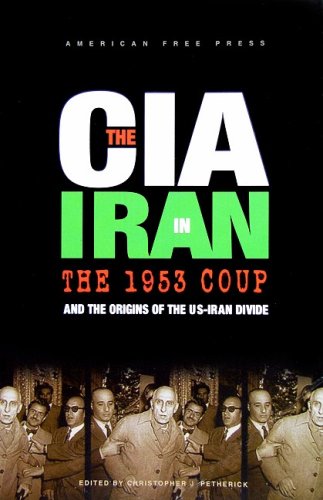
The CIA in Iran-The 1953 Coup, the Origins of the US-Iran Divide by Christopher J. Petherick_eBook and Audiobook, with Video Education Player

Published by American Free Press The CIA in Iran reveals in shocking detail a once-top-secret report by a CIA field agent working in Iran. The report, which reads like a detective novel, shows how U.S. and British operatives employed every dirty trick at their disposal, including bribery, murder and terrorism, to eliminate a government they could not control and replace it with one they thought they could.

Book Summary

“The CIA in Iran: The 1953 Coup, the Origins of the US-Iran Divide” by Christopher J. Petherick explores the historical events surrounding the 1953 coup d’état in Iran, orchestrated by the CIA and British intelligence, which resulted in the overthrow of Prime Minister Mohammad Mossadegh. The book examines the political, social, and economic factors that led to the coup, its immediate aftermath, and its long-term implications for U.S.-Iran relations. By providing a detailed analysis of the coup’s origins and consequences, Petherick sheds light on how this pivotal moment has shaped the ongoing tensions between the United States and Iran.

The outline that follows captures the main themes and structure of “The CIA in Iran: The 1953 Coup, the Origins of the US-Iran Divide”, highlighting the historical significance of the coup and its lasting effects on the relationship between the United States and Iran. The book serves as an important resource for understanding the complexities of U.S.-Iran relations in the context of historical events.

I. Introduction

  • Overview of the significance of the 1953 coup in Iran
  • Introduction to the main themes of the book: U.S. intervention, Iranian nationalism, and the impact on bilateral relations

II. Historical Context

A. Pre-Coup Iran

  • Political landscape in Iran before 1953
  • Role of foreign powers, particularly Britain and the U.S.

B. Rise of Mohammad Mossadegh

  • Mossadegh’s vision for Iran and nationalization of oil
  • Popular support and political challenges he faced

III. The Coup Planning and Execution

A. U.S. and British Involvement

  • Origins of the CIA’s interest in Iran
  • Cooperation with British intelligence and the oil crisis

B. The Execution of the Coup

  • Key events leading to the coup on August 19, 1953
  • Role of propaganda and public manipulation
  • Aftermath: Initial chaos and reestablishment of the monarchy

IV. Immediate Consequences

A. Impact on Iranian Society

  • Changes in political power structures
  • Rise of the Shah’s regime and its authoritarianism

B. U.S.-Iran Relations Post-Coup

  • Shift in U.S. foreign policy towards Iran
  • Initial benefits and long-term repercussions of U.S. support for the Shah

V. Long-Term Implications

A. Seeds of Distrust

  • Growing anti-American sentiment in Iran
  • The role of the coup in shaping Iranian nationalism

B. The 1979 Revolution

  • Connection between the coup and the Islamic Revolution
  • How the coup’s legacy influenced revolutionary sentiments

VI. Conclusion

  • Summary of key points and themes
  • Reflection on the lasting impact of the 1953 coup on U.S.-Iran relations
  • Call for understanding historical context in current geopolitical discussions

“The CIA in Iran: The 1953 Coup, the Origins of the US-Iran Divide” provides a comprehensive examination of a pivotal moment in Iranian history that has had lasting repercussions on U.S.-Iran relations. Here’s a more detailed exploration of the book’s themes, context, and significance:

Detailed Exploration of Key Aspects

I. Historical Context

  1. Pre-Coup Iran:
    • The book begins by setting the stage for the political landscape in Iran prior to the 1953 coup. This includes a discussion of the influence of foreign powers, particularly Britain, which had significant interests in Iranian oil.
    • The Anglo-Iranian Oil Company (AIOC) dominated the Iranian oil industry, causing resentment among Iranians who felt their national resources were being exploited.
  2. Rise of Mohammad Mossadegh:
    • The author details Mossadegh’s ascent to power, highlighting his nationalistic vision for Iran and his commitment to the nationalization of the oil industry. This move was highly popular among the Iranian populace but antagonized both British and American interests.
    • Petherick explores Mossadegh’s political challenges, including opposition from both the Shah and conservative factions within Iran, as well as the growing tension with Western powers.

II. The Coup Planning and Execution

  1. U.S. and British Involvement:
    • Petherick delves into the collaboration between the CIA and British intelligence, focusing on how the coup was conceived and executed under the code name Operation Ajax.
    • The author discusses the political motivations behind U.S. involvement, including the Cold War context and the fear of Iranian communism, which led to concerns about a leftist government in Iran.
  2. Execution of the Coup:
    • The book provides a detailed narrative of the coup itself, describing the events leading up to August 19, 1953. The author emphasizes the role of propaganda, misinformation, and street violence orchestrated by both the U.S. and British agents.
    • Petherick also highlights the immediate aftermath of the coup, which saw the reinstatement of the Shah, leading to initial chaos and instability within Iran.

III. Immediate Consequences

  1. Impact on Iranian Society:
    • Following the coup, the author examines how the political power dynamics shifted, leading to the establishment of a repressive regime under the Shah. This period was marked by political purges, censorship, and the suppression of dissent.
    • The book discusses the impact on various segments of Iranian society, including the growing disillusionment among the populace and the erosion of democratic institutions.
  2. U.S.-Iran Relations Post-Coup:
    • Petherick explores the implications of U.S. support for the Shah, including how it shaped U.S. foreign policy in the region and established Iran as a key ally during the Cold War.
    • The author reflects on the initial benefits perceived by the U.S. government, such as access to Iranian oil and a strategic partner in the Middle East, but warns that these came at the cost of long-term stability.

IV. Long-Term Implications

  1. Seeds of Distrust:
    • The book emphasizes how the 1953 coup sowed the seeds of distrust and resentment towards the United States among Iranians. Petherick analyzes how this distrust has persisted over the decades and influenced Iranian politics and society.
    • The author discusses the rise of anti-American sentiment, particularly as the Shah’s regime became increasingly authoritarian and disconnected from the concerns of ordinary Iranians.
  2. The 1979 Revolution:
    • Petherick connects the events of the coup to the Islamic Revolution of 1979, arguing that the legacy of U.S. intervention played a significant role in shaping revolutionary sentiments.
    • The author illustrates how the coup became a rallying point for various factions within Iran, contributing to the eventual overthrow of the Shah and the establishment of the Islamic Republic.

V. Conclusion

  • In the conclusion, Petherick summarizes the key themes of the book, reiterating the importance of understanding the historical context of the 1953 coup to fully grasp the complexities of U.S.-Iran relations today.
  • The book serves as a reminder of the dangers of foreign intervention and the unintended consequences that can arise from such actions, urging readers to consider the lessons learned from this pivotal moment in history.

Significance of the Book

  • Historical Insight: The book provides a thorough analysis of a critical event that not only shaped Iranian history but also had profound implications for U.S. foreign policy in the Middle East. It highlights the interplay between domestic politics and international relations.
  • Educational Resource: “The CIA in Iran” serves as an important resource for understanding the roots of contemporary tensions between the U.S. and Iran. It is particularly relevant for students and scholars of history, political science, and international relations.
  • Reflection on Intervention: Petherick’s work prompts reflection on the ethics of foreign intervention and the long-term consequences of such actions, encouraging readers to critically evaluate current geopolitical strategies and their impacts on global stability.

Overall, “The CIA in Iran: The 1953 Coup, the Origins of the US-Iran Divide” is a significant contribution to the scholarship on U.S.-Iran relations and a valuable narrative that illuminates the complexities of historical events and their lasting effects on international politics.

The CIA in Iran-The 1953 Coup, the Origins of the US-Iran Divide_eBook

Pop the documents out from the upper right to read / expand / download.

The CIA in Iran-The 1953 Coup, the Origins of the US-Iran Divide_Audiobook

Video Education Player

15 Video Playlist

Learn more in RBG Communiversity Knowledge Media eLibrary