Rap_The Lyrics by Lawrence A. Stanley, Ed. (1992)_eBook and Videos (Sequenced)

From the Preface: “…This book is about rap. It is also about freedom of speech, since rap has become a battleground upon which an intolerant and powerful minority-most of whom happen to be white-has attempted to enforce its values against a disenfranchised and largely powerless minority-most of whom happen to be black. This is, of course, not to say that rap is the only focus for zealots who strive to make America a land of middle-class conformity…”

145 Video Playlist

This book contains the complete lyrics to 150 [147 vids herein] old school rap songs, with a history and overview of this musical form up until the early nineties. Once dismissed as a fashionable music form, rap is a vital force in American culture itself. From music awards to McDonalds adverts, sounds of rap have permeated the media. Controversies caused by groups such as Public Enemy, and sometimes coarse language and lyrics of the street have caused the public at large to scrutinize popular music in an attempt to control it. Like every other genre of music, the lyrics run from socially aware to hedonistic and everything in between.

Book Summary

“Rap: The Lyrics,” edited by Lawrence A. Stanley, is a compilation that showcases the evolution and impact of rap music through its lyrics. It provides insights into the cultural significance of rap and the artistry involved in lyricism. This overview and outline captures the essence of “Rap: The Lyrics” and highlights the significance of the lyrical content within the rap genre.

Overview

  • Purpose: To highlight the lyrical artistry of rap and its cultural implications.
  • Content: A collection of notable rap lyrics from various artists across different eras.
  • Themes: Explores themes such as social issues, personal struggles, identity, and celebration of life.
  • Impact: Examines the influence of rap on music, culture, and society.

Outline

  • Introduction
    • Definition of rap and its origins
    • Importance of lyrics in rap music
    • Overview of the book’s structure
  • Chapter 1: The Roots of Rap
    • Historical context of rap music
    • Influence of African American culture and oral traditions
    • Early pioneers of rap
  • Chapter 2: Lyrical Themes
    • Social justice and activism in lyrics
    • Personal narratives and storytelling
    • Celebration and party themes
  • Chapter 3: The Evolution of Style
    • Different styles and sub-genres of rap
    • Influence of technology and production techniques
    • Notable artists and their unique contributions
  • Chapter 4: Cultural Impact
    • Rap as a voice for marginalized communities
    • Global influence of rap music
    • Rap in mainstream media and its commercialization
  • Chapter 5: Case Studies
    • Analysis of specific songs and their lyrics
    • Breakdown of lyrical techniques and poetry
    • Impact of these songs on culture and society
  • Conclusion
    • Summary of key points
    • The future of rap and its continuing evolution
    • Final thoughts on the importance of lyrics in shaping the genre

“Rap: The Lyrics” delves deeper into various aspects of rap music, focusing on its rich lyrical content. Here is a more detailed exploration of the book’s themes and chapters:

Introduction

  • Definition of Rap: The introduction sets the stage by defining rap as a genre characterized by rhythmic speech and intricate wordplay, distinguishing it from other music forms.
  • Importance of Lyrics: It emphasizes that lyrics are not just a component of rap but the core essence that conveys messages, emotions, and stories.

Chapter 1: The Roots of Rap

  • Historical Context: This chapter traces the roots of rap back to African American oral traditions, including spoken word and storytelling.
  • Pioneers: It highlights key figures like DJ Kool Herc, Grandmaster Flash, and the Sugarhill Gang, who laid the foundation for the genre.

Chapter 2: Lyrical Themes

  • Social Justice: Explores how artists address issues like racism, poverty, and police brutality, making rap a powerful tool for activism.
  • Personal Narratives: Discusses how artists share their life experiences, struggles, and triumphs, creating a connection with listeners.
  • Celebration: Highlights the fun and party aspects of rap, showcasing how it also serves as an outlet for joy and community bonding.

Chapter 3: The Evolution of Style

  • Sub-genres: This chapter covers the emergence of various rap styles, such as gangsta rap, conscious rap, and trap, each with distinct lyrical approaches.
  • Technology: Examines how advancements in music production and distribution have influenced lyrical content and accessibility.
  • Notable Artists: Profiles influential artists like Tupac Shakur, The Notorious B.I.G., Nas, and Jay-Z, discussing their unique contributions to the genre.

Chapter 4: Cultural Impact

  • Voice for the Marginalized: Analyzes how rap gives a voice to communities often overlooked by mainstream media, addressing their realities and aspirations.
  • Global Influence: Looks at how rap has transcended borders, impacting artists worldwide and leading to the creation of local rap scenes.
  • Commercialization: Discusses the tension between artistic integrity and commercial success, examining how mainstream acceptance has affected lyrical content.

Chapter 5: Case Studies

  • Song Analysis: This chapter provides in-depth analyses of specific tracks, breaking down the lyrics and discussing their significance.
  • Lyrical Techniques: Focuses on various literary devices used in rap, such as metaphors, similes, and internal rhymes, showcasing the artistry involved.
  • Cultural Impact: Each case study illustrates how certain songs have resonated with audiences, influenced societal change, or sparked conversations.

Conclusion

  • Summary of Key Points: Recaps the essential themes discussed throughout the book, reinforcing the importance of lyrics in rap.
  • Future of Rap: Speculates on the genre’s future, considering emerging trends and the ongoing evolution of lyrical content.
  • Final Thoughts: Emphasizes rap’s role as a significant cultural force, shaping not only music but also social discourse.

Significance

“Rap: The Lyrics” serves as both an academic resource and a celebration of the artistry within rap music. It appeals to both fans and scholars, providing insights into the complexities of rap lyrics and their broader cultural implications. The book emphasizes that rap is not just entertainment; it is a powerful means of expression that reflects the realities of life for many.

Pop the document out from the upper right to read / expand / download.
Learn and Njoy more in RBG Communiversity Knowledge Media eLibrary:

Hip Hop / Rap Music Edutainment _ Audio, Video, eBooks & Video Edu. Folder

Right to Free Speech Folder

If They Come in the Morning: Voices of Resistance edited by Angela Y. Davis, with Ruchell Magee, the Soledad Brothers …(eBook and Audiobook) and Angela Davis and the Soledad Brothers (Video Education)

HAP 126. Fugitive for Justice: Angela Davis

From RBG Communiversity eLibrary History of African Philosophy (HAP Podcast) Folder

Angela Davis and the Soledad Brothers_Short Film (1971)

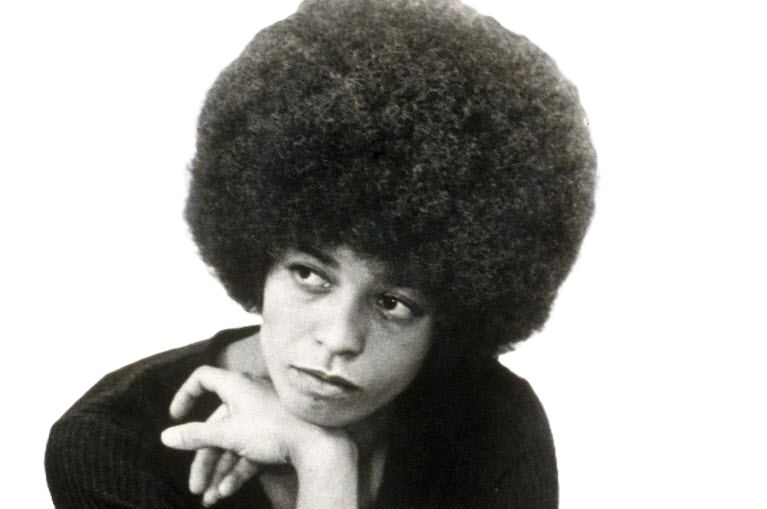
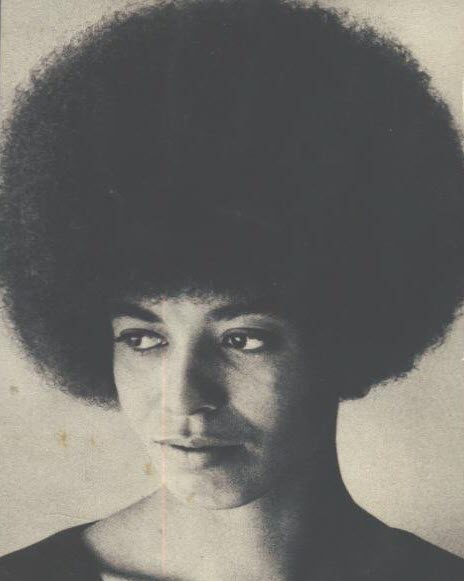
Angela Davis became involved with the Soledad Brothers in 1970, when she led the campaign to free them from prison. Davis was a prominent public figure at the time, having been fired from UCLA for her political activism and affiliation with the Communist Party. She developed close friendships with the families of the Soledad Brothers, and corresponded with the men themselves. 

Here are some ways Angela Davis and the Soledad Brothers are connected: 

  • The Soledad Brothers Defense Committee: Davis formed the Soledad Brothers Defense Committee, which included Jonathan Jackson, a close friend and bodyguard of one of the Soledad Brothers. 
  • The Black Scholar: Davis wrote an article titled “The Soledad Brothers” in The Black Scholar in April 1971. In it, she argued that the charges against the Soledad Brothers were actually about their revolutionary insubordination and inciting dissent. 
  • If They Come in the Morning (below): Davis edited a collection of writings about U.S. prisons and legal trials titled If They Come in the Morning: Voices of Resistance. The book included contributions from the Soledad Brothers and Black Panther Party members. 
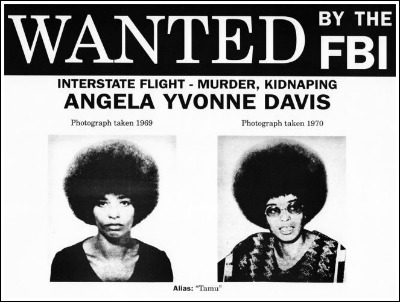
  • The Marin County Courthouse Incident: Davis was accused of supplying weapons to Jonathan Jackson in an alleged prisoner escape attempt. She was arrested and placed on the FBI’s Ten Most Wanted list. 
  • George Jackson: Davis befriended George Jackson, one of the Soledad Brothers, who was serving a sentence for armed robbery. Jackson wrote two books, Soledad Brother (1970) and Blood In My Eye (1972). He was killed in prison in 1971 while allegedly trying to escape. 

If They Come in the Morning: VOICES OF RESISTANCE, Edited by Angela Y. Davis, with Ruchell Magee, the Soledad Brothers and Other Political Prisoners and a Foreword by Julian Bond

[From the front and back flaps] The trial of Angela Yvonne Davis in connection with the prisoner revolt by three black prisoners on August 7, 1970 at the Marin County Courthouse will be remembered as one of America’s most historic political trials, and no one can tell the story better than Miss Davis herself. This book is also perhaps the most comprehensive and thorough analysis of that increasingly important symbol — the political prisoner. Of her trial, Miss Davis writes, “I am charged with three capital offenses — murder, kidnapping, and conspiracy. My life is at stake in this case — not simply the life of a lone individual, but a life which has been given over to the struggles of my people, a life which belongs to Black people who are tired of poverty, and racism, of the unjust imprisonment of tens of thousands of our brothers and sisters.” “I stand before this court,” she declares, “as a target of a political frame-up which, far from pointing to my culpability, implicates the State of California as an agent of political repression….I declare publicly before the court, before the people of this country, that I am innocent of all charges which have been leveled against me by the State of California. “On the central theme of this book Miss Davis contends that “the offense of the political prisoner in his political boldness, his consistent challenges — legally or extra-legally — of fundamental social wrongs fostered and reinforced by the state. He has opposed unjust laws and exploitative, racist social conditions in general, with the ultimate aim of transforming these laws and the society into an order harmonious with the material and spiritual need and interests of the vast majority of its members. “Regarding his own defense, Ruchell Magee, the only prisoner who survived the same revolt and one of the many impressive contributors in this invaluable volume which includes George Jackson, Fleeta Drumgo, John Clutchette, James Baldwin, Bobby Seale and Ericka Huggins, states, “For over seven years I have been forced to stay in slavery on fraudulent pleas of guilty, made by attorneys, court-appointed attorneys, over my objection, over my plea of not guilty, and over my testimony of not guilty.”

Pop the document out from the upper right to read / expand / download.
If They Come in the Morning: VOICES OF RESISTANCE Audiobook

Learn more in RBG Communiversity Knowledge Media eLibrary (aka RBG Dr. Carter G. Woodson e-Library)

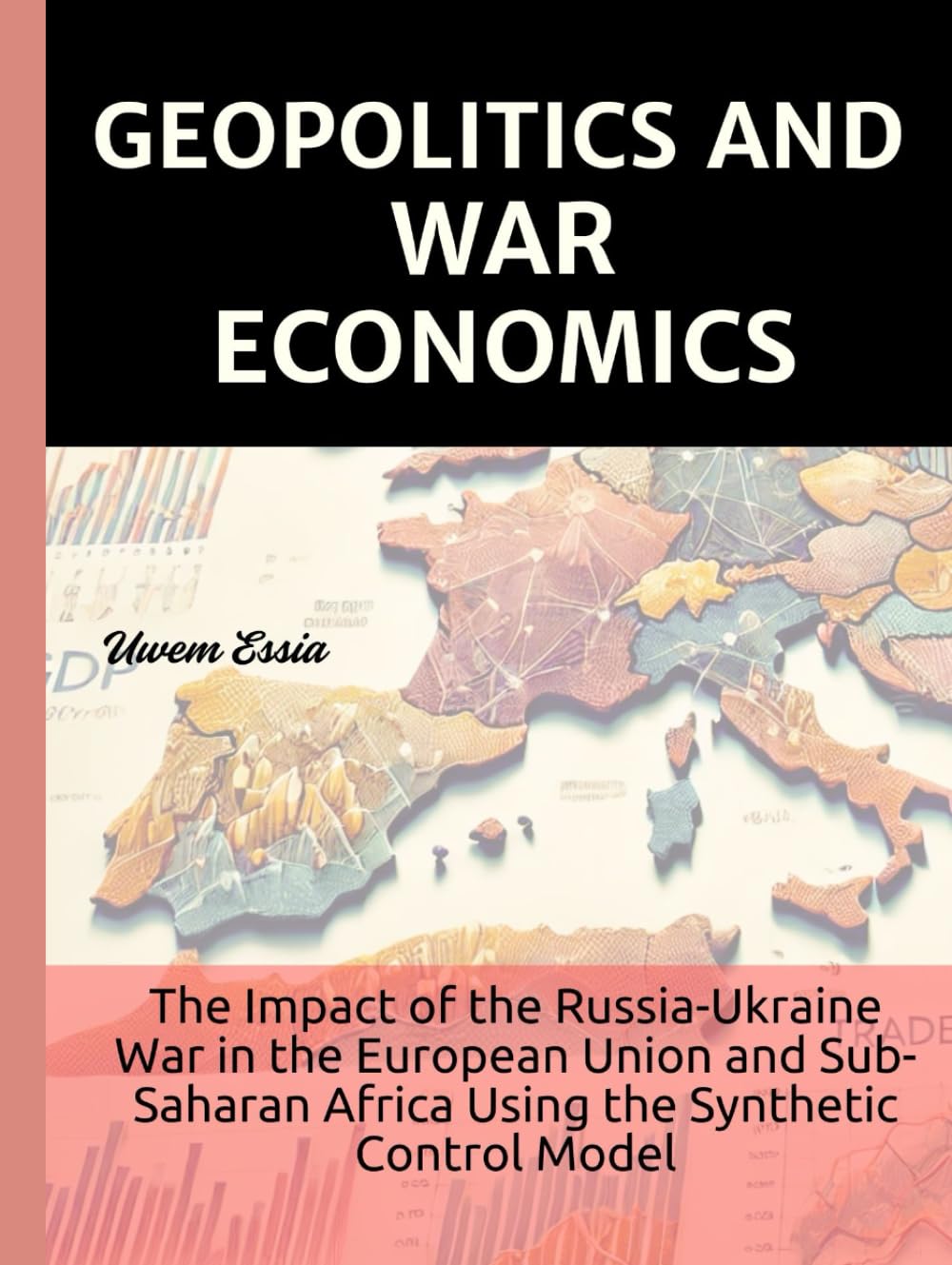
GEOPOLITICS AND WAR ECONOMICS: The Impact of the Russia-Ukraine War in the European Union and Sub-Saharan Africa Using the Synthetic Control Model, by Uwem Essia (Part of Peacebuilding and Development Series), with Solid Video Education

Part of: Peacebuilding and Development (21 books)

Book Summary

“GEOPOLITICS AND WAR ECONOMICS: The Impact of the Russia-Ukraine War in the European Union and Sub-Saharan Africa Using the “Synthetic Control Model” by Uwem Essia examines the far-reaching consequences of the Russia-Ukraine conflict on economic and geopolitical dynamics, particularly focusing on the European Union (EU) and Sub-Saharan Africa. Utilizing the Synthetic Control Model, the book provides a rigorous analysis of how the war has affected various economic indicators, trade relations, and geopolitical strategies in these regions. Essia delves into the interconnectedness of global economies and the implications of conflict on international relations, offering insights into how nations can navigate the complexities of a rapidly changing geopolitical landscape.

The outline that follows captures the essence of “GEOPOLITICS AND WAR ECONOMICS,” highlighting its focus on the economic and geopolitical impacts of the Russia-Ukraine conflict on the European Union and Sub-Saharan Africa. The book utilizes a rigorous methodological framework to provide valuable insights into the complexities of international relations and the challenges posed by geopolitical conflicts.

  • Introduction
  • Overview of the geopolitical context of the Russia-Ukraine war
  • Explanation of the significance of studying its impact on the EU and Sub-Saharan Africa
  • Introduction to the Synthetic Control Model as a methodological approach
  • Geopolitical Background
  • Historical context of Russia-Ukraine relations leading up to the conflict
  • Overview of key players in the EU and Sub-Saharan Africa
  • Analysis of the geopolitical implications of the war on global power dynamics
  • Methodology
  • Detailed explanation of the Synthetic Control Model
  • Justification for using this model to analyze economic impacts
  • Description of data sources and variables considered in the analysis
  • Impact on the European Union
  • Examination of economic repercussions within EU member states
    • Changes in trade patterns and energy dependency
    • Economic sanctions and their effects on EU economies
  • Analysis of political responses and shifts in foreign policy
    • Increased military expenditure and defense strategies
    • Solidarity measures among EU countries in response to the war
  • Impact on Sub-Saharan Africa
  • Assessment of the economic impact of the war on Sub-Saharan African nations
    • Disruptions in trade and supply chains, particularly in agriculture and energy
    • Inflationary pressures and food security concerns
  • Exploration of geopolitical ramifications for African nations
    • Shifts in alliances and foreign relations with Russia and Western nations
    • The role of African nations in global discussions about the conflict
  • Comparative Analysis
  • Comparison of the short-term and long-term effects of the war on the EU and Sub-Saharan Africa
  • Identification of common challenges faced by both regions due to the conflict
  • Insights into how different regions adapt to geopolitical shocks
  • Policy Implications
  • Recommendations for policymakers in the EU and Sub-Saharan Africa
    • Strategies for enhancing economic resilience and diversification
    • Approaches for strengthening regional cooperation and solidarity
  • Considerations for future geopolitical stability and security
  • Conclusion
  • Summary of key findings and insights from the analysis
  • Reflection on the broader implications of the Russia-Ukraine war for global geopolitics
  • Final thoughts on the importance of understanding the interconnectedness of global economies

“GEOPOLITICS AND WAR ECONOMICS” by Uwem Essia provides a comprehensive analysis of how the ongoing conflict between Russia and Ukraine has reshaped economic and geopolitical landscapes, particularly in the European Union (EU) and Sub-Saharan Africa. The book leverages the Synthetic Control Model, a quantitative method that allows for a robust evaluation of causal effects, to assess the war’s impact on various economic indicators and political dynamics in these regions.

Key Themes Explored

  • Geopolitical Context and Historical Background
  • The book begins by situating the Russia-Ukraine conflict within a broader historical context, examining prior relations between Russia and Ukraine and the factors leading to the escalation of tensions.
  • It explores how the war has redefined geopolitical alignments, with a focus on the shifting dynamics within the EU as member states respond to the crisis.
  • Methodological Framework
  • The Synthetic Control Model is central to Essia’s analysis, providing a framework for estimating what the economic outcomes would have been in the absence of the conflict. This method is particularly useful for assessing the impact of events that are not easily replicable or controlled for.
  • The author details the specific data sources used, including economic indicators and trade statistics, and explains how these variables were selected to construct the synthetic control groups for both the EU and Sub-Saharan Africa.
  • Economic Impact on the European Union
  • Essia investigates the immediate and long-term economic repercussions of the war on EU member states, such as:
    • Disruptions in trade flows, particularly concerning energy supplies, as many EU countries rely heavily on Russian gas and oil.
    • The imposition of sanctions on Russia, which had significant ripple effects on EU economies, including inflation and supply chain issues.
  • The analysis also covers shifts in the EU’s defense spending and military cooperation in response to perceived threats, as well as changes in foreign policy aimed at enhancing collective security.
  • Economic Impact on Sub-Saharan Africa
  • The book highlights the often-overlooked effects of the Russia-Ukraine conflict on Sub-Saharan African nations. Key points include:
    • The disruption of agricultural exports, particularly grains like wheat, which has exacerbated food insecurity in a region already vulnerable to climate change and economic instability.
    • Rising prices for essential goods, leading to inflationary pressures that affect the livelihoods of millions.
  • Essia discusses how Sub-Saharan African countries are navigating the geopolitical landscape, often balancing their relationships with both Western nations and Russia.
  • Comparative Analysis and Insights
  • The comparative analysis section synthesizes the findings from the two regions, identifying similarities and differences in how they are affected by the war.
  • Essia highlights common challenges, such as the need for economic diversification and resilience against external shocks, while also noting the distinct geopolitical strategies employed by the EU and Sub-Saharan Africa.
  • Policy Recommendations
  • The author provides actionable recommendations for policymakers in both regions, suggesting:
    • Economic diversification strategies to reduce dependency on single sources of energy or commodities.
    • Enhanced regional cooperation to build resilience against future geopolitical shocks.
    • The importance of engaging in diplomatic efforts to mitigate the conflict and its repercussions on global stability.

Conclusion and Broader Implications

  • Reflections on Global Interconnectedness
  • In the conclusion, Essia reflects on the interconnected nature of today’s global economy and how localized conflicts can have far-reaching implications.
  • He emphasizes that understanding the economic and geopolitical consequences of the Russia-Ukraine war is essential for anticipating future challenges and opportunities in international relations.
  • Future Geopolitical Stability
  • The book ends with a call for ongoing research and dialogue to address the complexities of global geopolitics, stressing the importance of adapting to changing dynamics in an increasingly multipolar world.

Overall, “GEOPOLITICS AND WAR ECONOMICS” offers a thorough and insightful examination of the ramifications of the Russia-Ukraine conflict, using a sophisticated methodological approach to shed light on the pressing economic and geopolitical issues facing the EU and Sub-Saharan Africa. By connecting the dots between conflict, economics, and international relations, Uwem Essia provides valuable perspectives that contribute to our understanding of contemporary global challenges.

“GEOPOLITICS AND WAR ECONOMICS: The Impact of the Russia-Ukraine War in the European Union and Sub-Saharan Africa Using the Synthetic Control Model” by Uwem Essia_eBook

Pop the document out from the upper right to read / expand / download

Geopolitics, Economics, War and Fall of U.S. Empire_Video Education 1

35 Video Playlist

U.S. Geopolitics and Economy _Dr. Paul Craig Roberts_Video Education 2

21 Video Playlist

Learn more in RBG Communiversity Knowledge Media eLibrary:

Geopolitics, Economics, War and Fall of U.S. Empire

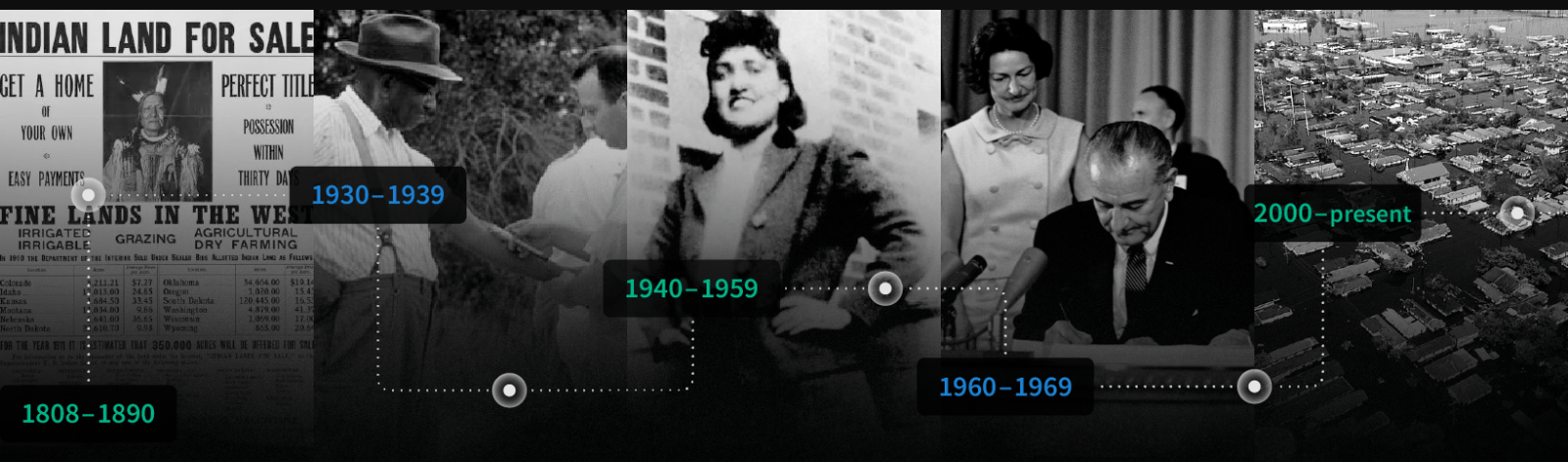
Dr. Vernellia R. Randall | Race, Health Care and the Law and How History Has Shaped Racial and Ethnic Health Disparities_A Timeline of Policies and Events

Vernellia R. Randall Professor Emeritus School of Law : University of Dayton

13 Video Playlist | Race, Racism and the Law, Vernellia R. Randall

Pop the documents out from the upper right to read / expand / download.
N.B. “In addition to the authoritative and comprehensive nature of the pdf converted web page that follows, the hypertexts within it are remarkably educational and deep-layered. For serious teachers and learners, as well as anyone else interested in scholarly pusuits on the topic, this document is golden.” Please visit the source webite, as it provides an interactive functionality that you may find useful.

Honorable Dr. N. Amos Wilson, Blueprint for Black Power_ A Moral, Political, and Economic Imperative for the Twenty-First Century | Video Education and Textbook

Buy the Book on AWI.

Blueprint for Black Power details a master plan for the power revolution necessary for Black survival in the 21st century. Blueprint posit that an African American/Caribbean/ Pan-African bloc would be most potent for the generation and delivery of Black power in the United States and the World to counter White and Asian power networks. Wilson frames this imperative by deconstructing the U.S. elite power structure of government, political parties, think tanks, corporations, foundations, media, interest groups, banking and foreign investment particulars. Potentially strong Black institutions such as the church, media and think tanks; industry; collectives such as investment clubs and credit unions; rotating credit associations such as Afrikan- originated esusu, tontine and partner are analyzed. Pan-Afrikanism, Black Nationalism, ethnocentrism and reparation are assessed, often misused and underused financial institutions such as securities, mutual funds, stocks, bonds, underwriting, and incubators are advocated, thus elucidating oft-negated opportunities for economic empowerment.

3 Video Playlist

Pop the document out from the upper right to read / expand / download.
Learn more in RBG Communiversity Knowledge Media eLibrary | Honorable Dr. Amos Wilson Studies Collection