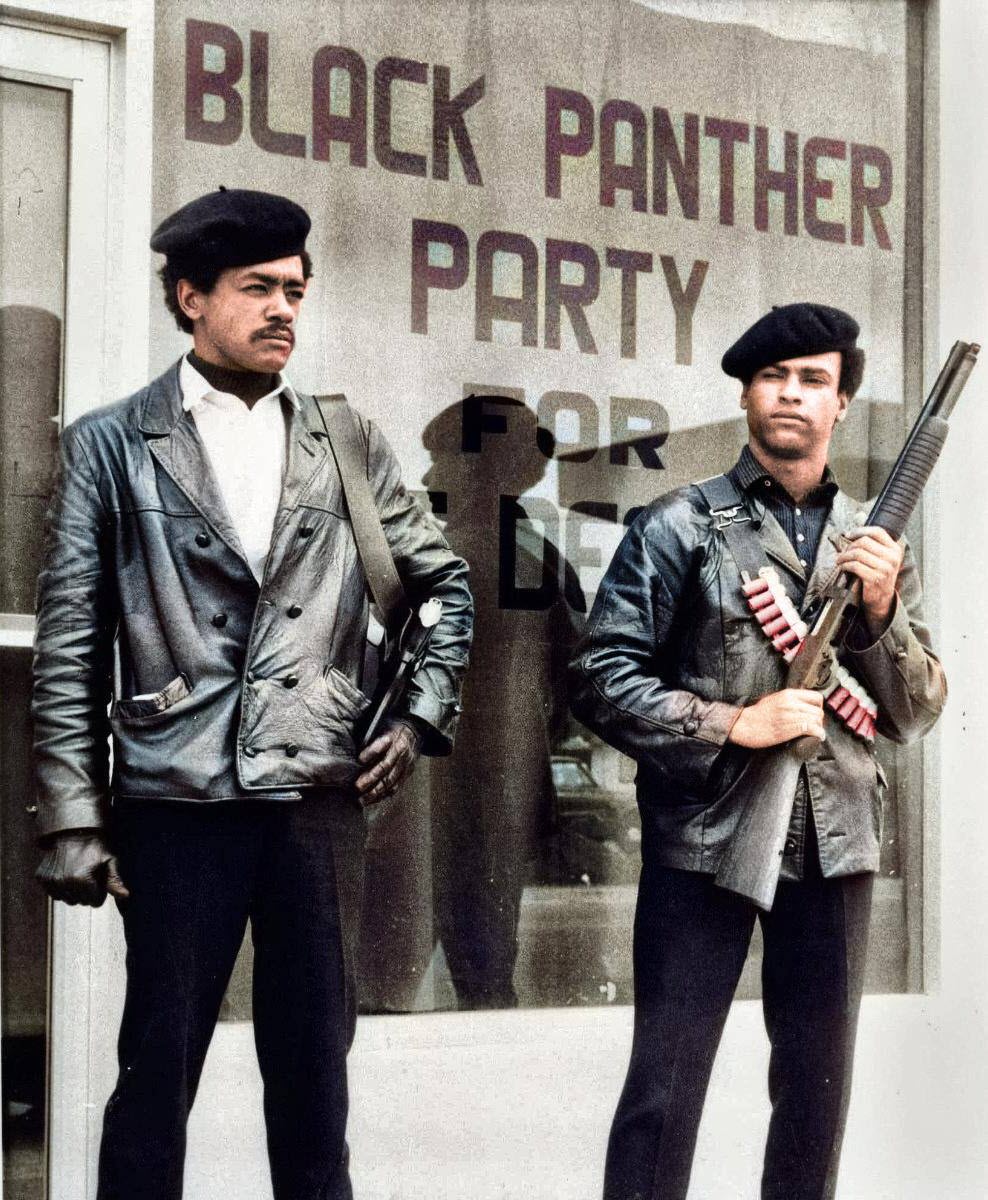
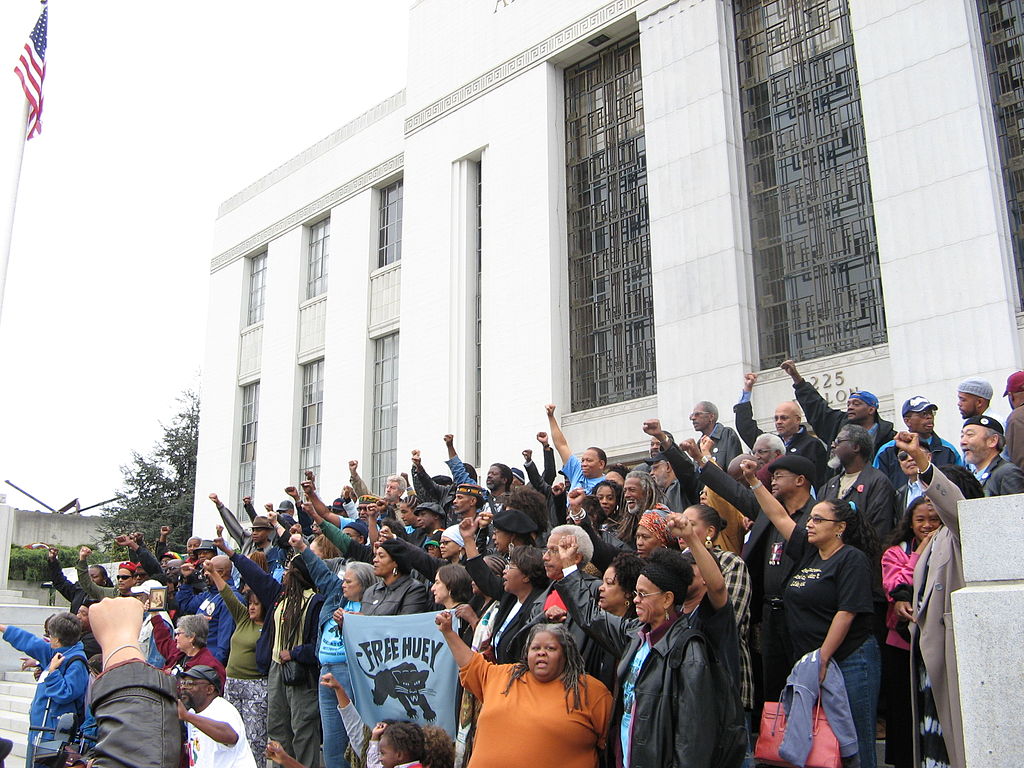
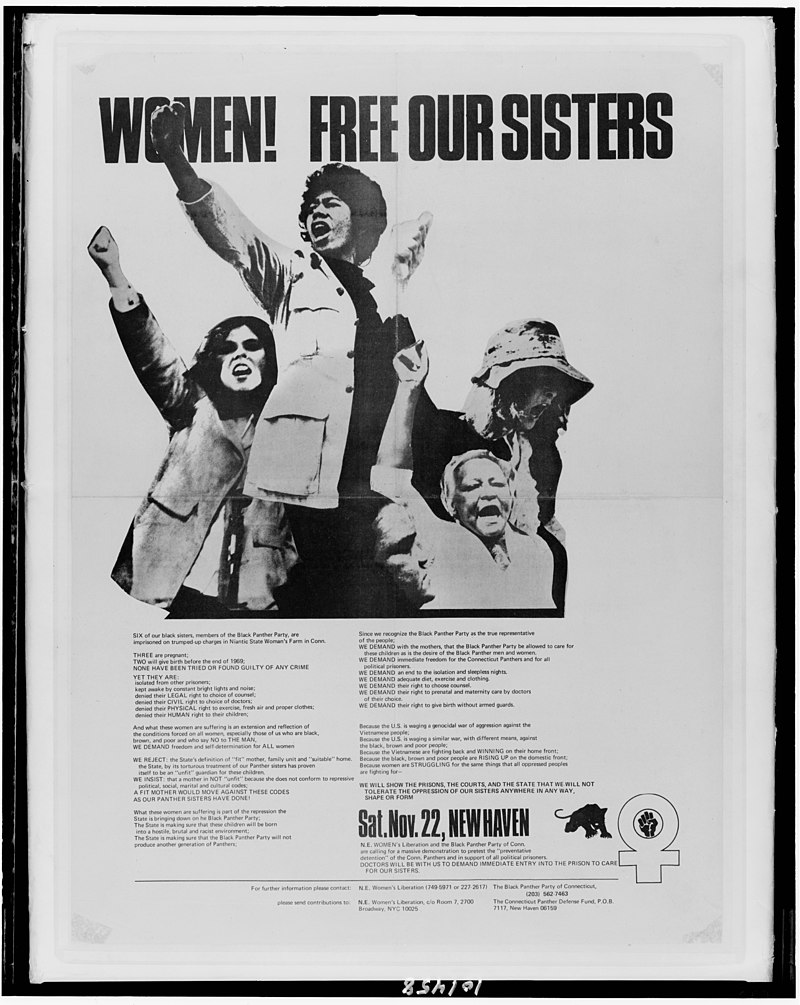
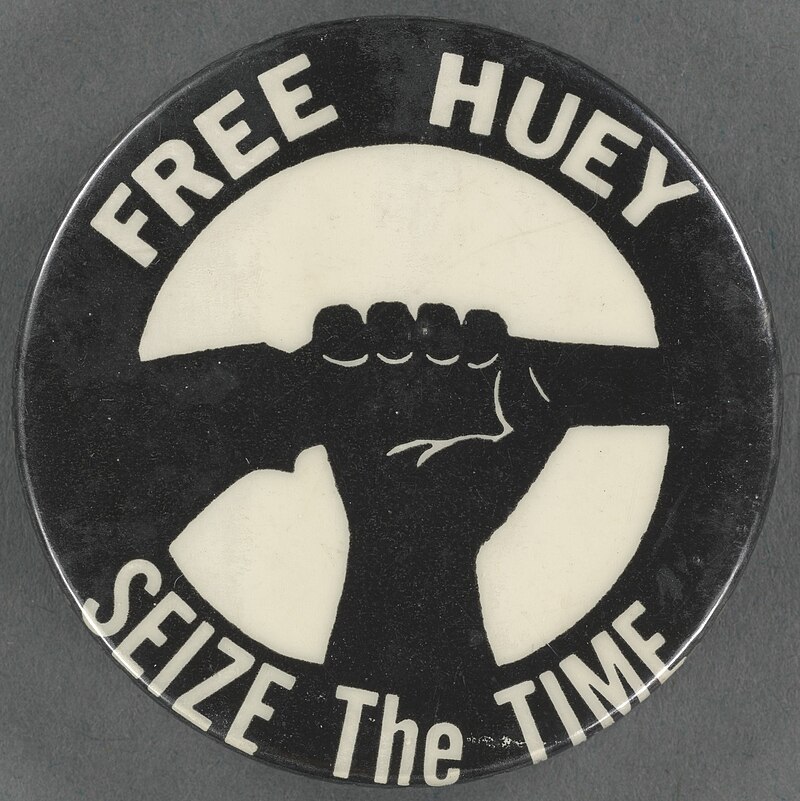
The Black Panthers: Portraits from an Unfinished Revolution by Bryan Shih ad Yohuru Williams Introduction by Peniel E. Joseph_eBook and Audiobook with BPP Newspapers (1969)

Book Summary

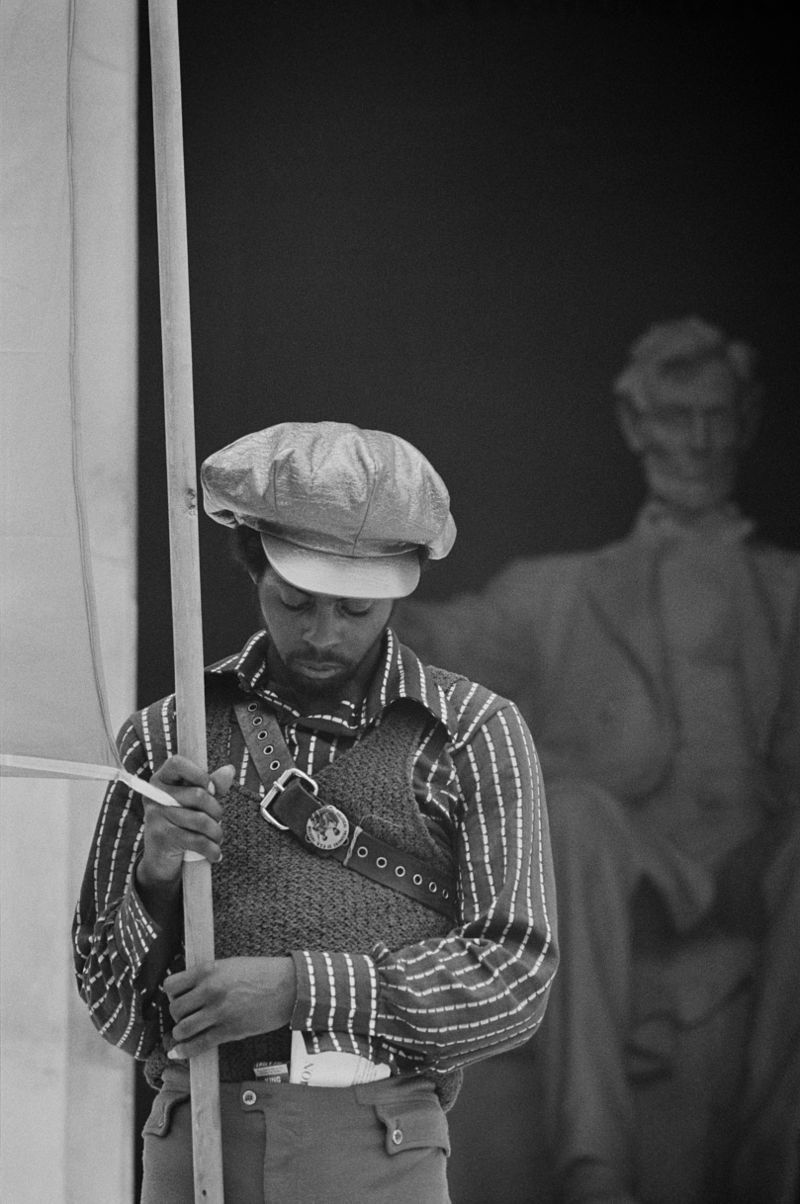
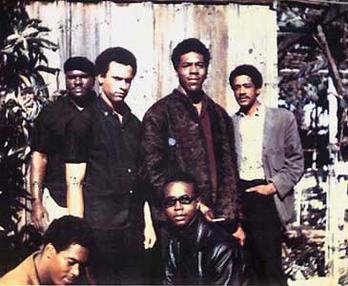
“The Black Panthers: Portraits from an Unfinished Revolution” by Bryan Shih and Yohuru Williams, with an introduction by Peniel E. Joseph, offers a comprehensive exploration of the Black Panther Party (BPP) through a unique blend of visual art and historical narrative. The book features a rich collection of photographs, personal stories, and essays that highlight the experiences and contributions of the Panthers, while also examining their legacy and impact on civil rights and social justice movements.

The outline that follows provides a structured approach to understanding the various facets of the Black Panther Party as presented in the book, emphasizing both historical context and contemporary relevance.

  • Introduction by Peniel E. Joseph
    • Contextual background of the Black Panther Party
    • Significance of the BPP in the civil rights movement
    • Overview of the book’s themes and objectives
  • Chapter 1: Formation of the Black Panther Party
    • Origins and founding members
    • Key ideologies and principles
    • Initial goals and objectives
  • Chapter 2: Community Programs and Activism
    • Overview of community outreach initiatives
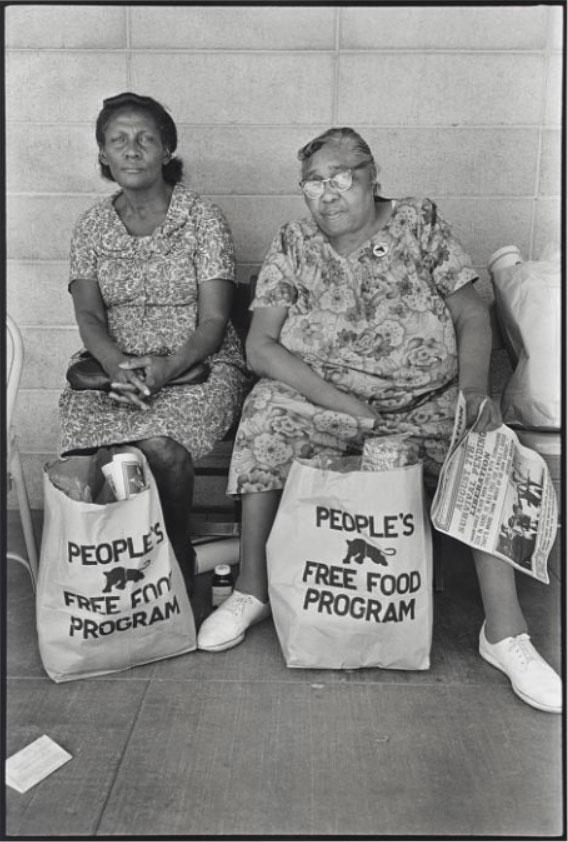
    • Health clinics, food programs, and education
    • Impact on local communities
  • Chapter 3: Cultural and Artistic Expression
    • Role of art and culture in the BPP
    • Contributions of artists and musicians
    • Influence of Black culture on the movement
  • Chapter 4: Media Representation and Misrepresentation
    • Coverage of the BPP in mainstream media
    • Challenges faced by the party in the media landscape
    • Strategies used by the Panthers to control their narrative
  • Chapter 5: Internal Conflicts and Challenges
    • Leadership struggles and factionalism
    • Impact of government surveillance and infiltration
    • Evolving strategies and responses to external pressures
  • Chapter 6: Legacy and Influence on Modern Movements
    • Lasting impact of the BPP on contemporary activism
    • Connections to current social justice movements
    • Reflection on the ongoing struggle for racial equality
  • Conclusion
    • Recap of the BPP’s historical significance
    • The importance of remembering and understanding the BPP’s legacy
    • Call to action for future generations

 The Black Panthers: Portraits from an Unfinished Revolution_eBook

Pop the documents out from the upper right to read / expand / download.

 The Black Panthers: Portraits from an Unfinished Revolution_Audiobook

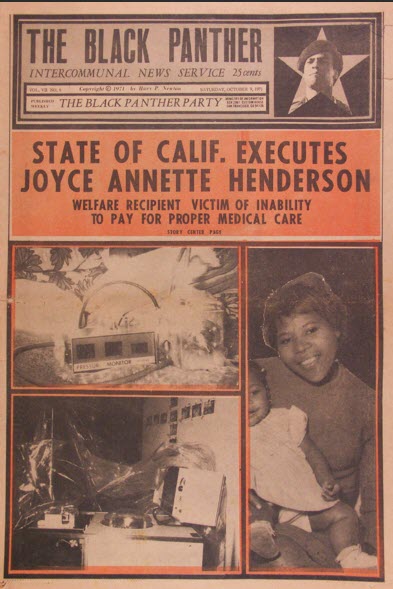
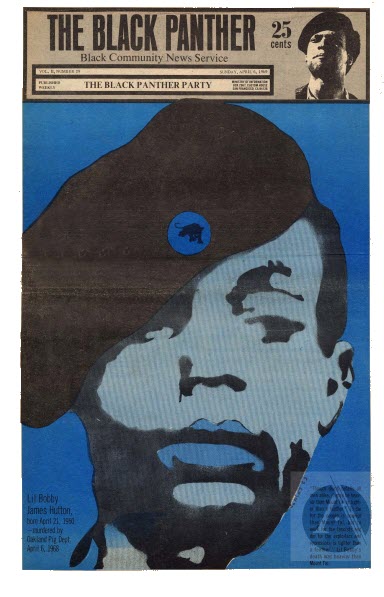
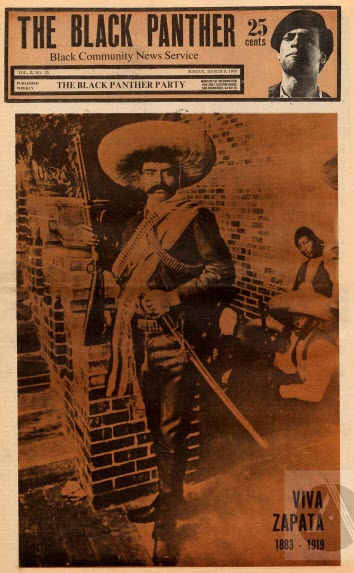
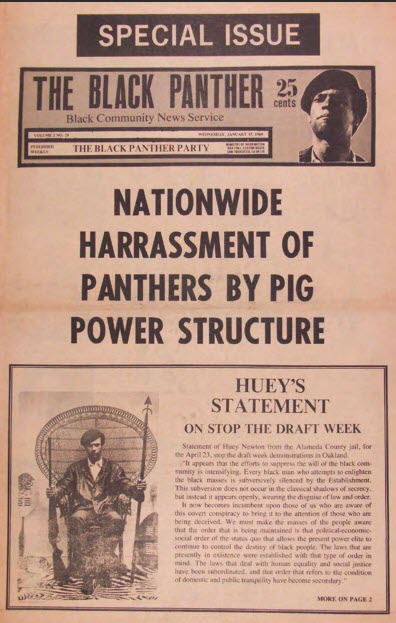
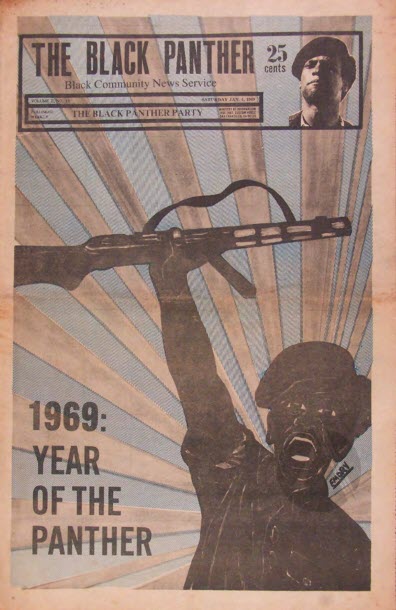
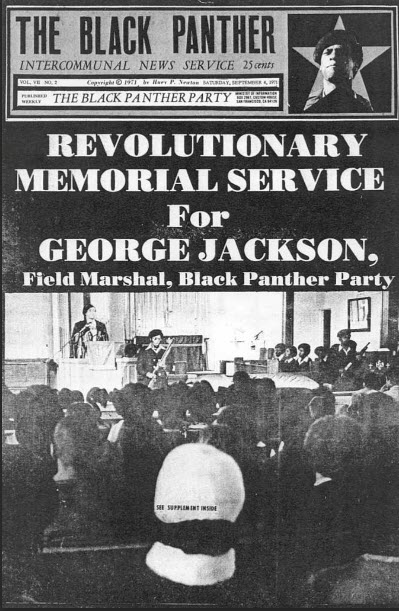
BPP Newspapers (1969)

Click to Open

Learn more in RBG Communiversity Knowledge Media eLibrary:

Seize the Time, by Bobby Seale: The Story of the Black Panther Party and Huey P. Newton_eBook and Audiobook mp4 Player

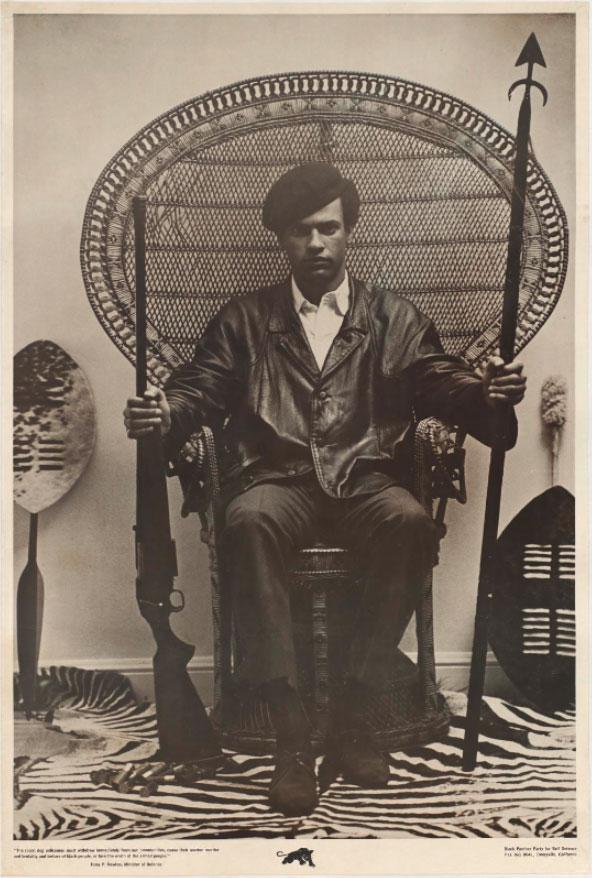
BPP Founders_Bobby Seale and Huey P. Newton

SlideShow Photo Credits: National Museum of African American History and Culture (The Black Panther Party: Challenging Police and Promoting Social Change); Black Panther Party Wiki; BPP Newspaper Covers

Book Summary

“Seize the Time: The Story of the Black Panther Party and Huey P. Newton” by Bobby Seale is an autobiographical account that offers an insider’s perspective on the founding and development of the Black Panther Party (BPP). Written during a tumultuous period in American history, Seale reflects on the political climate of the 1960s, the motivations behind the formation of the BPP, and the organization’s efforts to combat systemic racism and social injustice. The book not only details the struggles and achievements of the BPP but also emphasizes the importance of community activism, self-defense, and the fight for civil rights. Through personal anecdotes and historical context, Seale provides a nuanced understanding of the party’s impact on American society and its legacy.

The outline that follows captures the main themes and structure of “Seize the Time,” highlighting Bobby Seale’s personal narrative and the historical significance of the Black Panther Party. The book serves as an important resource for understanding the complexities of civil rights activism and the lasting impact of the BPP on American society.

I. Introduction

  • Overview of the book’s purpose: to recount the history of the Black Panther Party and its significance
  • Introduction to Bobby Seale and his role as a co-founder of the BPP
  • The socio-political context of the 1960s in America

II. Early Life and Influences

  • Seale’s background and upbringing in a segregated America
  • Key influences that shaped his political consciousness
  • The impact of the civil rights movement on Seale and his peers

III. Formation of the Black Panther Party

  • The founding of the BPP in Oakland, California, in 1966
  • Collaboration with Huey P. Newton and the development of the party’s philosophy
  • The initial goals and objectives of the BPP, including self-defense and community empowerment

IV. Community Programs and Activism

  • Overview of the BPP’s community service programs (e.g., free breakfast for children, health clinics)
  • The emphasis on education and political consciousness-raising in the community
  • Examples of grassroots activism and organizing efforts

V. Confrontation with Law Enforcement

  • Examination of the BPP’s encounters with law enforcement and government agencies
  • The significance of the armed patrols and the right to self-defense
  • Discussion of key events, such as police raids and the party’s response to violence

VI. National Impact and Growth

  • The expansion of the BPP beyond Oakland and its influence on other cities
  • The role of media in shaping public perception of the BPP
  • Notable figures within the party and their contributions to its mission

VII. Internal Challenges and Conflicts

  • Exploration of internal conflicts within the BPP, including leadership struggles and ideological differences
  • The impact of external pressures, including surveillance and repression by the FBI and other agencies
  • The eventual decline of the BPP and the factors contributing to its challenges

VIII. Legacy and Reflection

  • Seale’s reflections on the legacy of the Black Panther Party and its relevance today
  • The ongoing struggle for civil rights and social justice in contemporary America
  • The importance of community activism and grassroots organizing in effecting change

IX. Conclusion

  • Summary of key themes and insights from the book
  • Reflection on the importance of understanding the BPP’s history and its contributions to social justice
  • A call to action for future generations to continue the fight for equality and justice

“Seize the Time: The Story of the Black Panther Party and Huey P. Newton” by Bobby Seale is a crucial work that provides an intimate and detailed account of the Black Panther Party (BPP), its founding, and its mission to address systemic racism and social injustice in America. Seale, as a co-founder of the BPP, offers firsthand insights into the struggles and triumphs of the organization, as well as the broader civil rights movement of the 1960s. Here’s a deeper exploration of the key themes, insights, and narratives presented in the book:

Key Themes and Insights

  1. Historical Context:
    • Seale places the formation of the Black Panther Party within the broader context of the civil rights movement and the societal upheavals of the 1960s. He details the systemic injustices faced by African Americans, including police brutality, economic inequality, and educational disparities, which motivated the creation of the BPP.
    • The historical backdrop helps readers understand the urgency and necessity of the BPP’s mission to advocate for self-defense and community empowerment.
  2. Founding Principles of the BPP:
    • The book outlines the core principles and philosophies that guided the BPP, including the right to self-defense, the importance of community service, and the need for political education. Seale emphasizes that the BPP was not just a reaction to violence but a proactive movement aimed at upliftment and empowerment.
    • The party’s Ten-Point Program, which outlined their demands for justice, equality, and community control, is discussed in detail as a framework for their activism.
  3. Community Engagement and Activism:
    • Seale highlights the various community programs initiated by the BPP, such as free breakfast programs for children, health clinics, and educational initiatives. These programs were designed to address immediate needs within the community and empower individuals through education and resources.
    • The emphasis on community service illustrates the party’s commitment to improving the lives of African Americans and fostering a sense of solidarity and self-determination.
  4. Confrontations with Law Enforcement:
    • The book details the BPP’s confrontations with law enforcement, including armed patrols to monitor police activity and protect community members. Seale describes the legal and political implications of these actions, emphasizing the BPP’s stance on self-defense and civil rights.
    • Key incidents, such as police raids and the assassination of party members, are recounted to illustrate the dangers faced by the BPP and the systemic violence directed at Black activists.
  5. Media Representation:
    • Seale discusses the role of the media in shaping public perceptions of the Black Panther Party. He critiques the sensationalized coverage that often portrayed the BPP as a violent organization, overshadowing its community efforts and political objectives.
    • The impact of media narratives on the party’s reputation and the challenges of combating misinformation are significant themes in the book.
  6. Internal Struggles and Challenges:
    • The biography does not shy away from addressing the internal conflicts within the BPP, including leadership disputes, ideological differences, and the effects of external pressures from government surveillance and infiltration. Seale reflects on how these challenges affected the unity and effectiveness of the organization.
    • The struggles faced by the BPP serve as a reminder of the complexities of grassroots movements and the difficulties inherent in maintaining solidarity among diverse voices.
  7. Legacy and Relevance:
    • In the conclusion, Seale reflects on the enduring legacy of the Black Panther Party and its relevance to contemporary social justice movements. He emphasizes that the fight for equality and justice is ongoing, and the principles established by the BPP continue to inspire activists today.
    • The book encourages readers to engage with the lessons learned from the BPP’s experiences and to recognize the importance of community activism and political engagement in the pursuit of justice.

Conclusion

“Seize the Time” is more than a historical account; it is a powerful testament to the resilience and determination of a movement that sought to address systemic oppression and empower marginalized communities. Bobby Seale’s insights provide a unique perspective on the Black Panther Party’s efforts, challenges, and impact on American society.

Through personal anecdotes and historical analysis, Seale crafts a narrative that invites readers to reflect on the complexities of social justice activism and the importance of grassroots organizing. The book serves as a vital resource for understanding the struggles faced by the Black Panther Party and the ongoing fight for civil rights, urging future generations to continue the work of building a more just and equitable society.

Seize the Time, by Bobby Seale_Audiobook mp4 Player

12 Video Playlist

Seize the Time_eBook

Pop the documents out from the upper right to read / expand / download.

Learn more in RBG Communiversity Knowledge Media eLibrary:

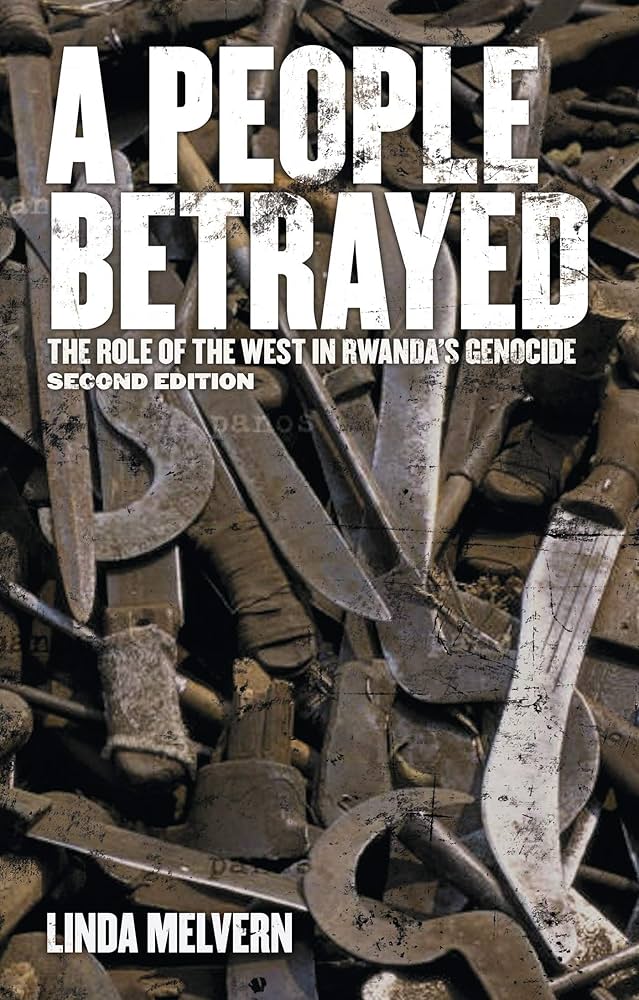
A People Betrayed: The Role of the West in Rwanda’s Genocide by Linda Melvern_eBook and Audiobook, with Supplemental_Rwanda: A Nation Resilient in the Aftermath of Genocide, by Samuel Totten

Book Summary

“A People Betrayed: The Role of the West in Rwanda’s Genocide” by Linda Melvern offers a critical analysis of the international community’s failure to prevent and respond to the Rwandan genocide that occurred in 1994. The book examines the political, social, and historical contexts that led to the genocide, focusing on the complicity and inaction of Western governments and organizations. Melvern argues that the West’s neglect and misguided policies significantly contributed to the scale of the tragedy, highlighting the moral responsibilities of the international community in the face of human rights atrocities.

Essential Themes and Historical Context:

  1. Introduction to the Rwandan Genocide
    • Overview of the genocide and its historical significance
    • Introduction to the themes of betrayal and complicity
  2. Historical Background
    • Exploration of Rwanda’s colonial history and ethnic tensions
    • The impact of Belgian colonialism on Hutu-Tutsi relations
    • Key events leading up to the genocide, including the civil war
  3. The Build-Up to Genocide
    • Analysis of the political climate in Rwanda in the early 1990s
    • The role of propaganda and hate speech in inciting violence
    • Examination of the Rwandan Patriotic Front (RPF) and its goals
  4. International Response and Inaction
    • Evaluation of the United Nations’ involvement prior to and during the genocide
    • Critique of Western governments’ policies and actions (or lack thereof)
    • Discussion on the role of NGOs and humanitarian organizations
  5. The Genocide Unfolds
    • Detailed account of the events during the genocide from April to July 1994
    • Personal testimonies and narratives of survivors
    • Examination of the tactics used by perpetrators and the scale of violence
  6. Consequences of Inaction
    • Analysis of the aftermath of the genocide and its global implications
    • The long-term effects on Rwandan society and regional stability
    • Discussion of accountability and justice for the perpetrators
  7. Lessons Learned and Unlearned
    • Reflection on the lessons from the Rwandan genocide for international relations
    • Examination of how the genocide has influenced humanitarian intervention policies
    • Critique of the ongoing failures to address similar crises worldwide
  8. Conclusion
    • Summary of key arguments and insights from Melvern’s analysis
    • Call for recognition of moral responsibility in preventing future genocides

A People Betrayed: The Role of the West in Rwanda’s Genocide_eBook

In Rwanda in 1994 one million people were killed in a planned, public and political campaign. For six years Linda Melvern has worked on the story of this horrendous crime, and this book, a classic piece of investigative journalism, is the result. Its new and startling information has the making of an international scandal. The book contains a full narrative account of how the genocide unfolded and describes its scale, speed and intensity. And the book provides a terrible indictment, not just of the UN Security Council, but even more so of governments and individuals who could have prevented what was happening but chose not to do so. Drawing on a series of in-depth interviews, the author also tells the story of the unrecognized heroism of those who stayed on during the genocide – volunteer UN peacekeepers, their Force Commander the Canadian Lt.-General Romeo A. Dallaire, and Philippe Gaillard, the head of a delegation of the International Committee of the Red Cross, helped by medical teams from Medecins Sans Frontieres. The international community, which fifty years ago resolved that genocide never happened again, not only failed to prevent it happening in Rwanda, but, as this book shows, international funds intended to help the Rwandan economy actually helped to create the conditions that made the genocide possible. Documents held in Kigali, the Rwandan capital, as well as hitherto unpublished evidence of secret UN Security Council deliberations in New York, reveal a shocking sequence of events.
What happened in Rwanda shows that despite the creation of an organization set up to prevent a repetition of genocide – for the UN is central to this task – it failed to do so, even when the evidence was indisputable. At a time when increasing attention is being given to the need for UN reform, this book provides evidence to urgently accelerate and focus that process. Only by understanding how and why the genocide happened can there be any hope that this new century will break with the dismal record of the last.

Pop the documents out from the upper right to read / expand / download.

A People Betrayed: The Role of the West in Rwanda’s Genocide_Audiobook

Audio start in earnest (Rwanda Genocide April 1994 @ 4 mins. 55 sec.) and corresponds to page 14 of the above Reader.

Part 1

Part 2

Supplemental_Rwanda: A Nation Resilient in the Aftermath of Genocide, by Samuel Totten

Learn more in RBG Communiversity Knowledge Media eLibrary:

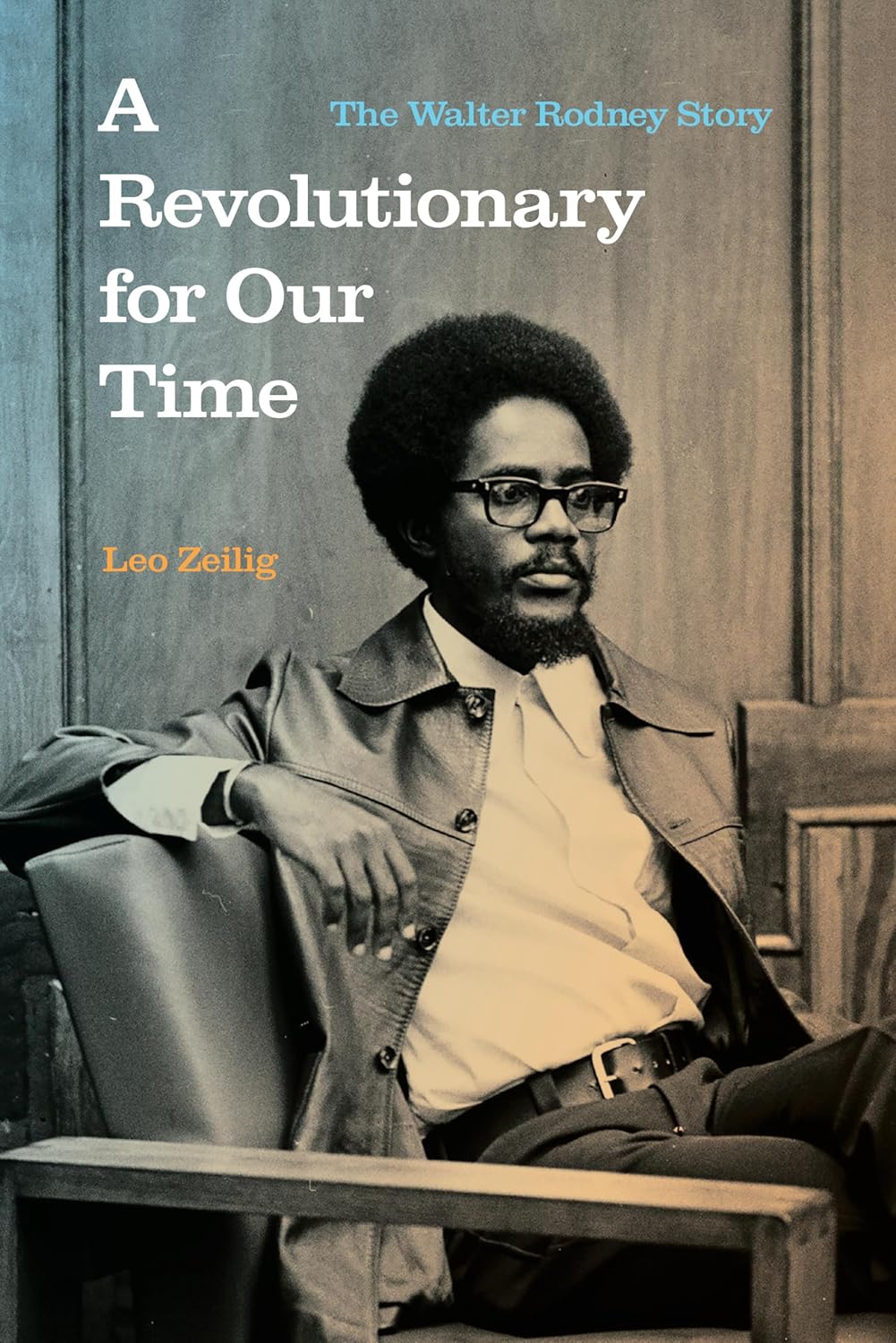
A Revolutionary for Our Time: The Walter Rodney Story by Leo Zeilig_eBook and Audiobook, with HAP 123-History Teaches Us- Walter Rodney

Book Summary

A Revolutionary for Our Time: The Walter Rodney Story by Leo Zeilig is a biography that delves into the life and legacy of Walter Rodney, a prominent Guyanese historian, political activist, and revolutionary. The book highlights Rodney’s contributions to Caribbean intellectual thought, his critiques of colonialism and imperialism, and his dedication to social justice and the empowerment of the oppressed. Through Rodney’s story, Zeilig explores broader themes of race, class, and resistance in the Caribbean, as well as the impact of Rodney’s work on contemporary movements for social change.

Key Themes and Historical Context:

  1. Introduction to Walter Rodney
    • Overview of Rodney’s significance in Caribbean history
    • Brief introduction to his early life and background
  2. Early Life and Education
    • Rodney’s upbringing in British Guiana
    • Educational experiences and early influences
    • Development of his political consciousness
  3. Academic Career and Historical Contributions
    • Rodney’s work as a historian and scholar
    • Key publications and their impact (e.g., “How Europe Underdeveloped Africa”)
    • Methodological approaches and critiques of traditional historiography
  4. Political Activism and Leader of the People’s Movement
    • Involvement in political movements in Guyana
    • Formation of the Working People’s Alliance (WPA)
    • Advocacy for the rights of marginalized communities
  5. Colonialism and Imperialism
    • Rodney’s critique of colonial structures
    • Analysis of the effects of colonialism on Caribbean societies
    • Advocacy for decolonization and self-determination
  6. Exile and International Influence
    • Rodney’s experiences of exile and its impact on his work
    • Connections with other revolutionary movements in the Caribbean and globally
    • Participation in international forums and discussions
  7. Legacy and Impact
    • Rodney’s influence on subsequent generations of activists and scholars
    • The continuing relevance of his ideas in contemporary struggles
    • Commemoration of Rodney’s life and work in cultural memory
  8. Conclusion
    • Reflection on Walter Rodney’s contributions as a revolutionary thinker
    • The importance of his legacy in the fight for social justice and equality

A Revolutionary for Our Time: The Walter Rodney Story_eBook

Walter Rodney was a scholar, working class militant, and revolutionary from Guyana. Strongly influenced by Marxist ideas, he remains central to radical Pan-Africanist thought for large numbers of activists’ today. Rodney lived through the failed –though immensely hopeful -socialist experiments in the 1960s and 1970s, in Tanzania and elsewhere. The book critically considers Rodney’s contribution to Marxist theory and history, his relationship to dependency theory and the contemporary significance of his work in the context of movements and politics today. The first full-length study of Rodney’s life, this book is an essential introduction to Rodney’s work.

Pop the document out from the upper right to read / expand / download.

A Revolutionary for Our Time: The Walter Rodney Story_Audiobook

Part 1

Part 2

HAP 123-History Teaches Us- Walter Rodney

Learn more in RBG Communiversity Knowledge Media eLibrary:

War Against the Weak_Eugenics and America’s Campaign to Create a Master Race (Expanded Edition) eBook and Audiobook, by Edwin Black

Book Summary

“War Against the Weak: Eugenics and America’s Campaign to Create a Master Race” by Edwin Black explores the history of the eugenics movement in the United States, its philosophical underpinnings, and its impact on society. The book details how eugenics influenced policies aimed at controlling human reproduction, promoting racial purity, and ultimately, how these ideas contributed to the horrors of the Holocaust. Black argues that the eugenics movement was not only a European phenomenon but had deep roots and significant implementation in America.

Topics the Book Covers:

  1. Introduction to Eugenics
    • Definition and origins of eugenics
    • Overview of key figures in the movement
  2. The Philosophical Foundations
    • Social Darwinism and its influence
    • The role of science and pseudoscience in promoting eugenics
  3. Eugenics in America
    • Early eugenics movements in the U.S.
    • Key organizations and individuals involved (e.g., American Eugenics Society)
    • Public support and government endorsement
  4. Legislation and Policies
    • Overview of significant laws (e.g., sterilization laws)
    • Case studies of states implementing eugenics policies
    • Impact on marginalized groups (disabled, minorities)
  5. Eugenics and Immigration
    • How eugenics influenced immigration policies
    • Racial and ethnic discrimination in immigration laws
  6. The Role of Institutions
    • Eugenics in education and public health
    • The involvement of universities and medical institutions
  7. International Influence
    • American eugenics’ impact on Nazi Germany
    • The transfer of ideas and practices across borders
  8. Public Backlash and Decline
    • Critiques and challenges to eugenics
    • The eventual decline of the movement post-World War II
  9. Legacy of Eugenics
    • Lasting effects on American society and policies
    • Modern implications and ethical discussions
  10. Conclusion: Reflections on the moral lessons of the eugenics movement and call for awareness and vigilance against similar ideologies today.

War Against the Weak_eBook

War Against the Weak is the gripping chronicle documenting how American corporate philanthropies launched a national campaign of ethnic cleansing in the United States, helped found and fund the Nazi eugenics of Hitler and Mengele — and then created the modern movement of “human genetics.” Some 60,000 Americans were sterilized under laws in 27 states. This expanded edition includes two new essays on state genocide.

Pop the document out from the upper right to read / expand / download.

War Against the Weak_Audiobook

Part 1

Audio start in earnest (Introduction @ 15 mins. 38 sec.) and corresponds to page 20 of the above Reader.

Part 2

Learn more in RBG Communiversity Knowledge Media eLibrary: