
Pop the documents out from the upper right to read / expand / download.
From RBG Communiversity eLibrary| Dictionaries, Encyclopedias and Book-Sets Folder
Pop the documents out from the upper right to read / expand / download.
From RBG Communiversity eLibrary| Dictionaries, Encyclopedias and Book-Sets Folder
Part of: Peacebuilding and Development (21 books)
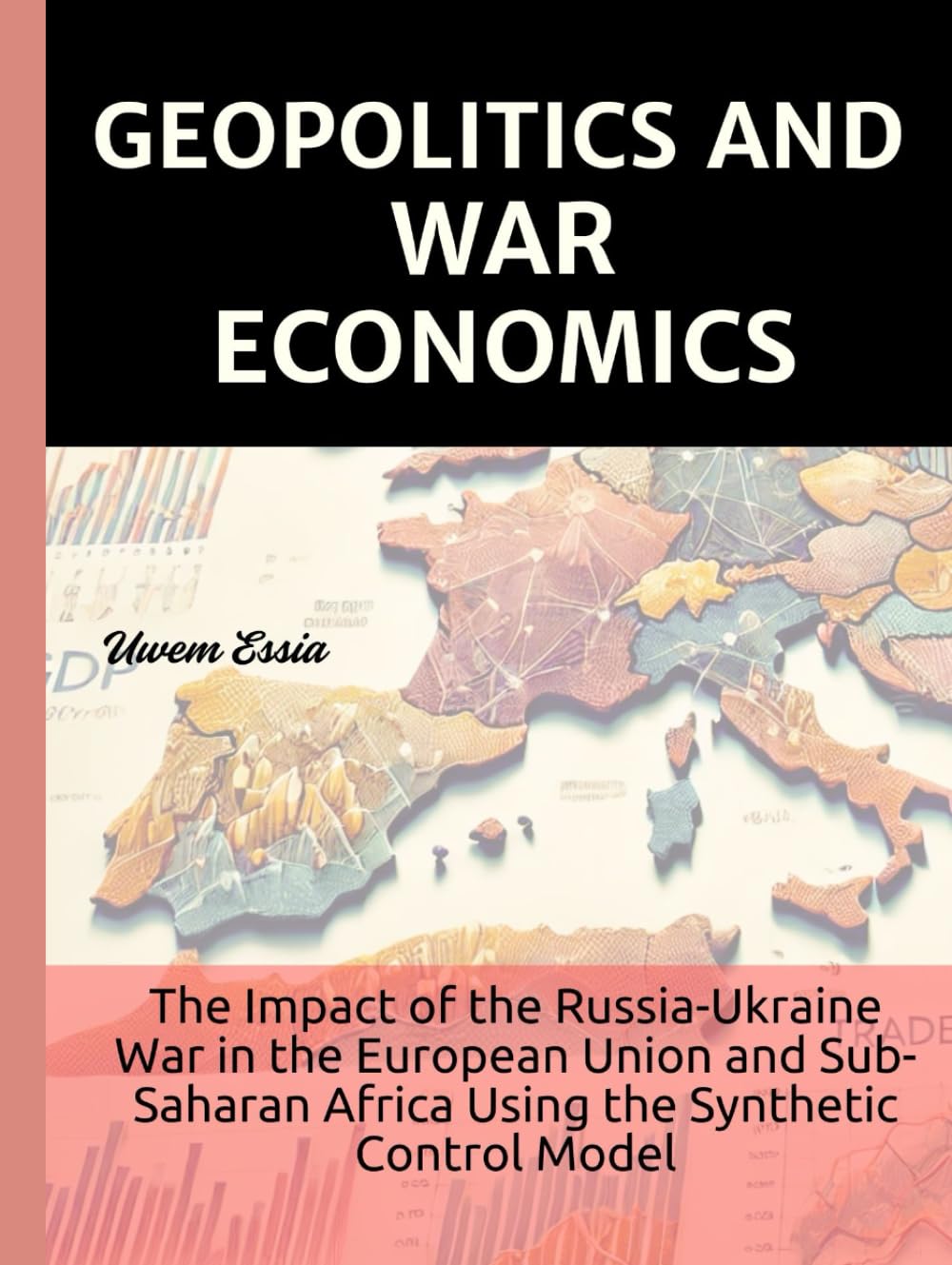
The outline that follows captures the essence of “GEOPOLITICS AND WAR ECONOMICS,” highlighting its focus on the economic and geopolitical impacts of the Russia-Ukraine conflict on the European Union and Sub-Saharan Africa. The book utilizes a rigorous methodological framework to provide valuable insights into the complexities of international relations and the challenges posed by geopolitical conflicts.

Pop the document out from the upper right to read / expand / download

Pop the documents out from the upper right to read / expand / download.

N.B. “In addition to the authoritative and comprehensive nature of the pdf converted web page that follows, the hypertexts within it are remarkably educational and deep-layered. For serious teachers and learners, as well as anyone else interested in scholarly pusuits on the topic, this document is golden.” Please visit the source webite, as it provides an interactive functionality that you may find useful.

Blueprint for Black Power details a master plan for the power revolution necessary for Black survival in the 21st century. Blueprint posit that an African American/Caribbean/ Pan-African bloc would be most potent for the generation and delivery of Black power in the United States and the World to counter White and Asian power networks. Wilson frames this imperative by deconstructing the U.S. elite power structure of government, political parties, think tanks, corporations, foundations, media, interest groups, banking and foreign investment particulars. Potentially strong Black institutions such as the church, media and think tanks; industry; collectives such as investment clubs and credit unions; rotating credit associations such as Afrikan- originated esusu, tontine and partner are analyzed. Pan-Afrikanism, Black Nationalism, ethnocentrism and reparation are assessed, often misused and underused financial institutions such as securities, mutual funds, stocks, bonds, underwriting, and incubators are advocated, thus elucidating oft-negated opportunities for economic empowerment.
Pop the document out from the upper right to read / expand / download.
Learn more in RBG Communiversity Knowledge Media eLibrary | Honorable Dr. Amos Wilson Studies Collection

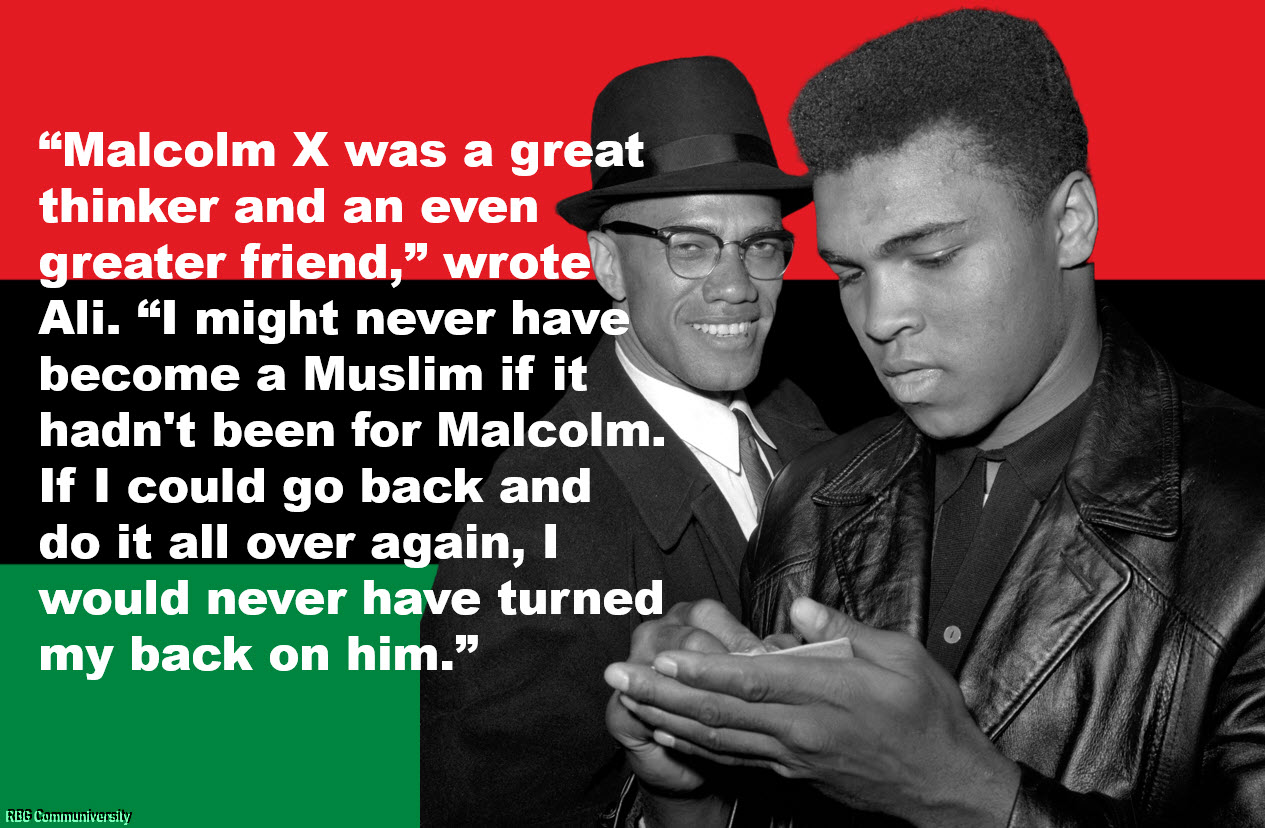
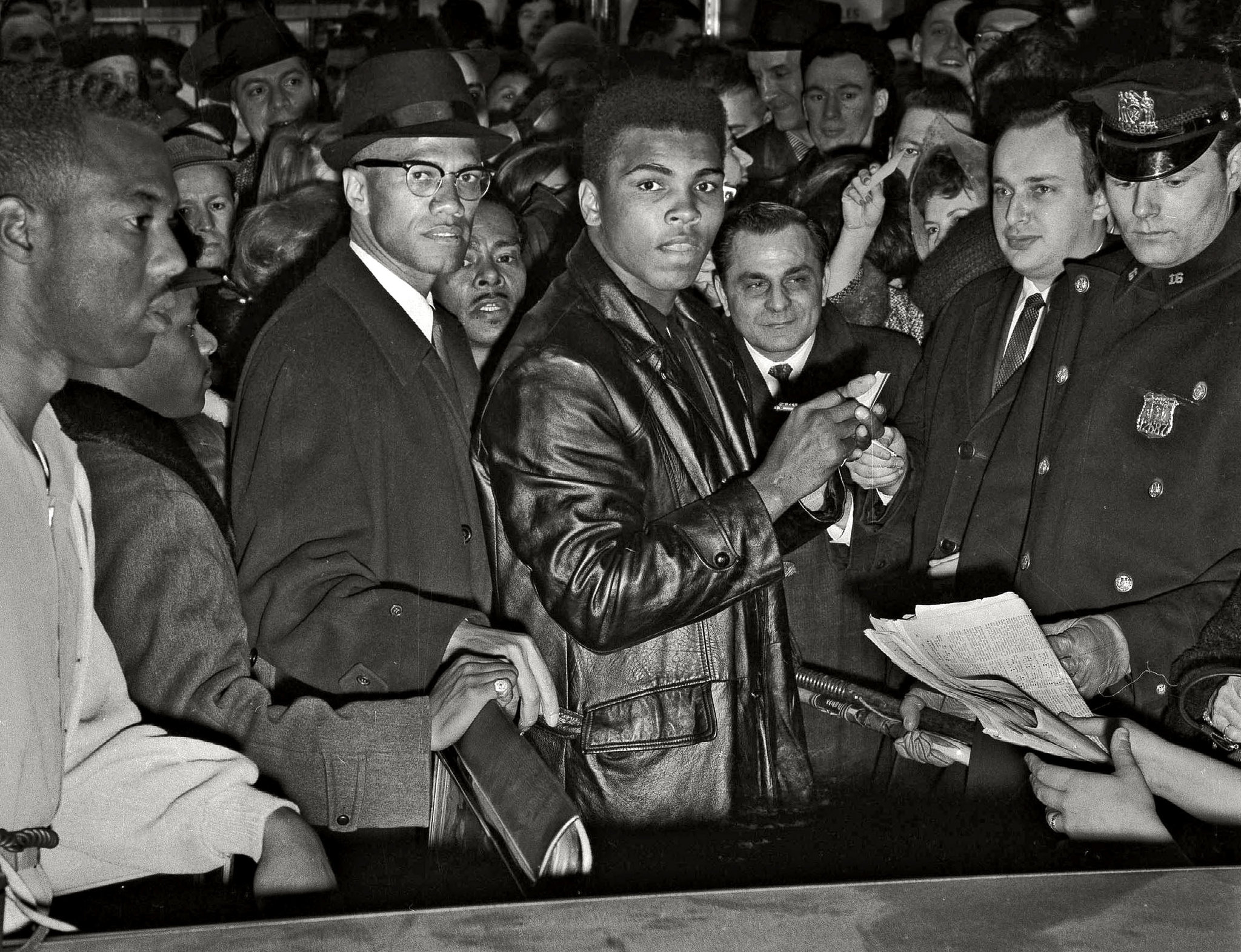
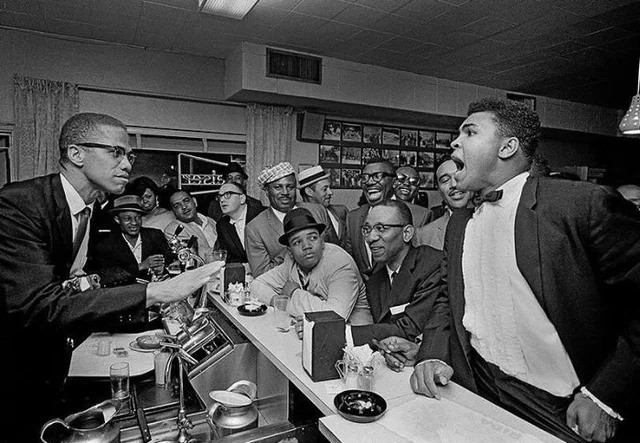
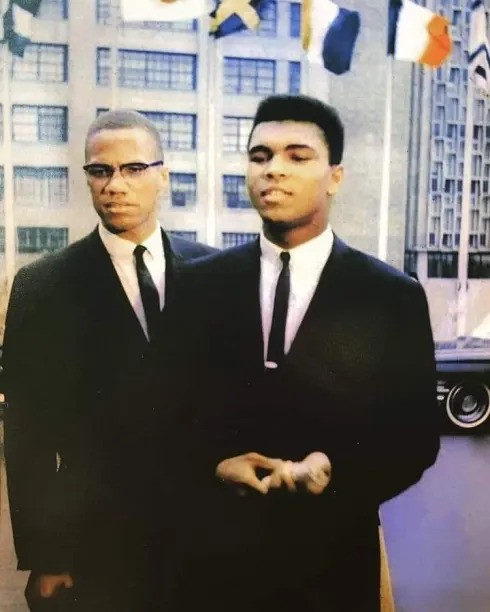
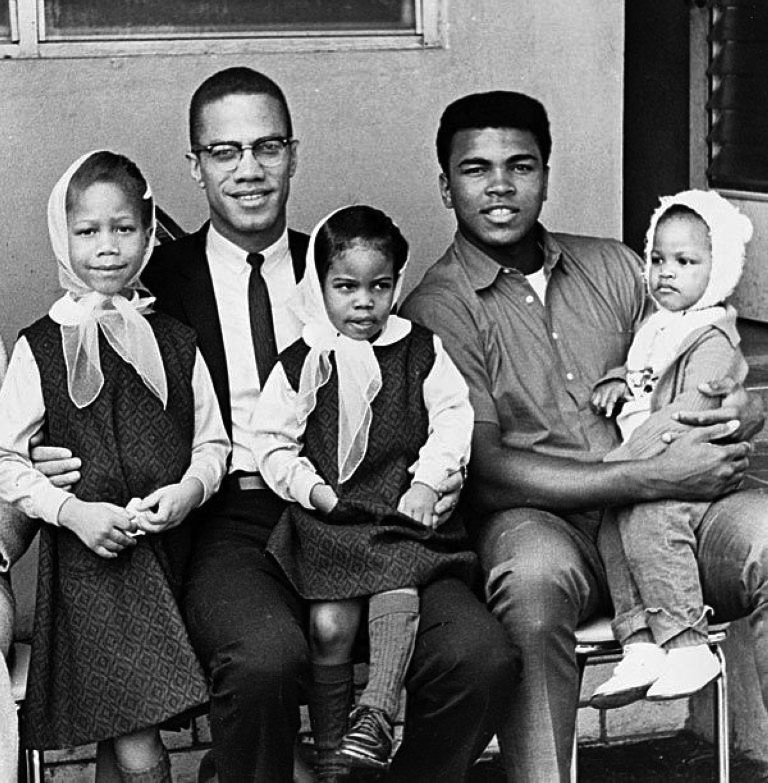
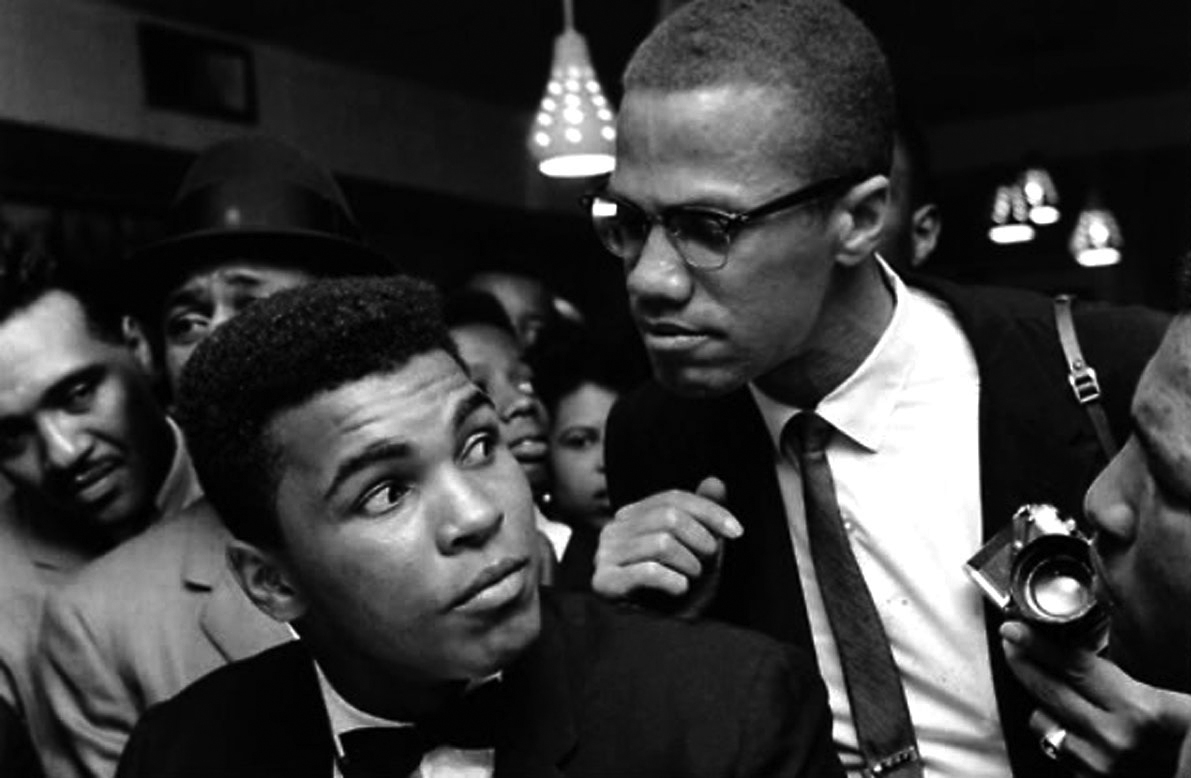
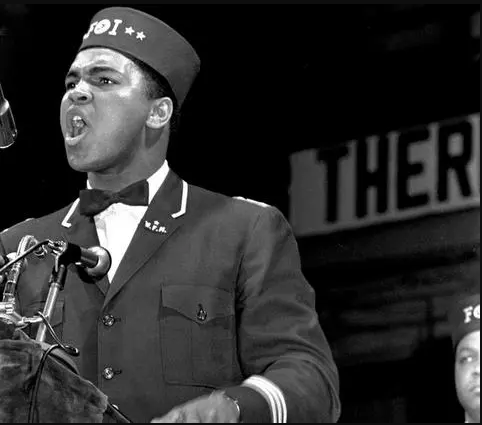
Read: “Muhammad Ali’s one regret: turning his back on Malcolm X“
Pop the documents out from the upper right to read / expand / download.
Pop the documents out from the upper right to read / expand / download.










You must be logged in to post a comment.