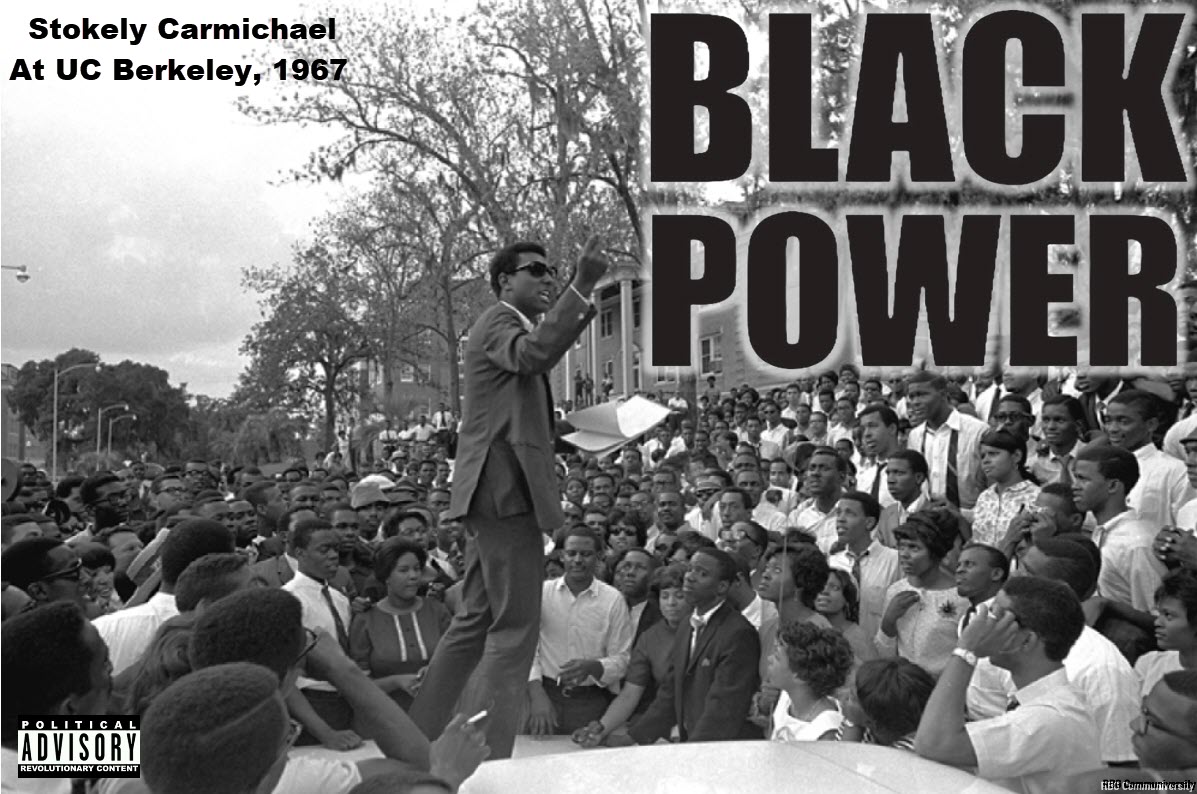
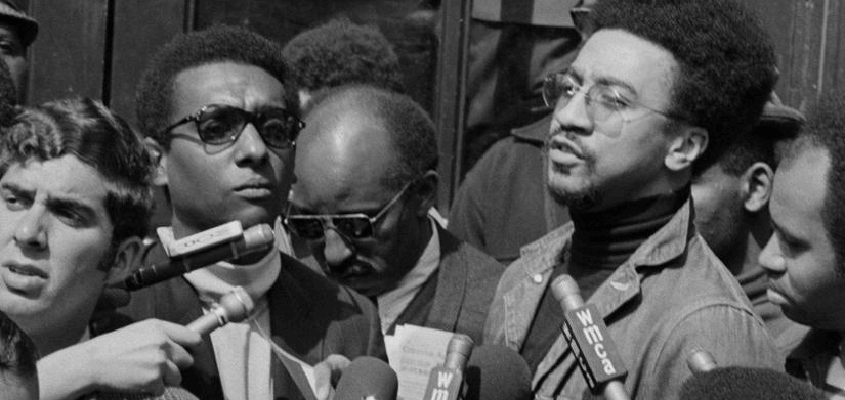
“Black Power: The Politics of Liberation in America” by Kwame Ture (formerly known as Stokely Carmichael) and Charles V. Hamilton is a seminal text that articulates the philosophy and strategy of Black Power as a movement for social and political change in the United States. Published in 1967, the book examines the historical context of African American struggles for civil rights, critiques the limitations of the integrationist approach, and advocates for a more radical, self-determined strategy for achieving liberation. Ture and Hamilton emphasize the importance of collective identity, political organization, and grassroots activism in the fight against systemic racism and oppression.
The outline that follows captures the essence of “Black Power: The Politics of Liberation in America,” highlighting the authors’ exploration of the philosophy, strategies, and historical context of the Black Power movement. Ture and Hamilton provide a critical analysis of the limitations of previous civil rights strategies and advocate for a more radical and self-determined approach to achieving liberation for African Americans. The book remains a foundational text in understanding the dynamics of race, power, and social justice in the United States.
Introduction
Overview of the Black Power movement and its significance in American history
Definition of Black Power and its core principles
The authors’ motivations for writing the book and its intended impact
Historical Context
Examination of the civil rights movement and its achievements
Critique of integrationist strategies and their limitations
Historical roots of Black nationalism and the emergence of Black Power
The Philosophy of Black Power
Definition and exploration of the concept of Black Power
Emphasis on self-determination, pride, and identity
The importance of understanding race as a political category
Discussion of the psychological impact of oppression on African Americans
The role of culture and heritage in fostering a sense of community and empowerment
Political Organization and Strategy
Analysis of the need for organized political action among African Americans
The importance of grassroots movements and community organizing
Strategies for building political power, including voter registration and mobilization
The role of leadership in the Black Power movement
Critique of Liberalism
Examination of liberalism’s shortcomings in addressing the needs and aspirations of Black Americans
Arguments against reliance on white allies and the limitations of legislative reforms
The necessity for a more radical approach to achieve meaningful change
The Role of Violence and Self-Defense
Discussion of the relationship between the Black Power movement and the use of violence
The concept of self-defense against systemic violence and oppression
The authors’ stance on the legitimacy of armed struggle in the pursuit of liberation
Intersectionality and Solidarity
Exploration of the connections between race, class, and gender in the struggle for liberation
The need for solidarity among marginalized groups to achieve broader social justice
The importance of internationalism and global solidarity in the fight against imperialism and colonialism
The Future of Black Power
Vision for the future of the Black Power movement and its potential impact
The necessity for continued activism and political engagement
Call to action for younger generations to embrace the principles of Black Power
Conclusion
Summary of key arguments and insights presented in the book
Reflection on the ongoing relevance of Black Power in contemporary movements for racial and social justice
Final thoughts on the importance of self-determination and collective action
“Black Power: The Politics of Liberation in America” is a groundbreaking work that articulates the philosophy and strategies of the Black Power movement, which emerged as a response to the limitations of the civil rights movement. Published in 1967, the book offers profound insights into the political, social, and psychological dimensions of the struggle for African American liberation. Here’s a deeper exploration of the key themes, arguments, and historical significance of the book:
Key Themes Explored
Historical Context and Civil Rights Movement
The authors begin by situating the Black Power movement within the broader civil rights struggle, acknowledging the achievements made through nonviolent protests and legal reforms.
However, they critique the limitations of these integrationist strategies, arguing that they often failed to address the systemic nature of racism and the underlying economic inequalities faced by Black Americans.
Defining Black Power
Ture and Hamilton define Black Power as a call for self-determination, emphasizing the importance of Black identity, pride, and community solidarity.
They argue that understanding race as a political category is essential for mobilizing African Americans toward collective action and political empowerment.
Black Power is framed as a movement that encourages African Americans to recognize their own strength and potential, fostering a sense of agency and responsibility for their own liberation.
Political Organization and Grassroots Activism
The authors stress the need for organized political action, advocating for grassroots movements that empower local communities.
They outline strategies for building political power, including voter registration, community organizing, and the establishment of independent political entities to represent Black interests.
Ture and Hamilton highlight the role of leadership and the necessity of developing a new generation of leaders who are committed to the principles of Black Power.
Critique of Liberalism
The book critiques liberal approaches to civil rights, arguing that they often prioritize integration and assimilation over true liberation.
Ture and Hamilton contend that relying on white allies and legislative reforms is insufficient for achieving meaningful change, calling for a more radical rethinking of strategies to address systemic oppression.
They advocate for a fundamental restructuring of power dynamics, challenging the status quo that perpetuates racial injustice.
Violence and Self-Defense
The authors engage in a nuanced discussion about the use of violence in the pursuit of liberation. While they do not advocate for violence as the primary means of struggle, they emphasize the legitimacy of self-defense against systemic violence and the oppressive actions of the state.
They argue that, in the face of brutality, African Americans have the right to protect themselves and their communities.
Intersectionality and Solidarity
Ture and Hamilton explore the interconnectedness of race, class, and gender, arguing that the struggle for Black liberation must also address issues of economic inequality and gender oppression.
They call for solidarity among marginalized groups, emphasizing that true liberation requires the collective effort of all oppressed peoples.
The authors also stress the importance of internationalism, advocating for solidarity with anti-colonial movements around the world and recognizing the global dimensions of oppression.
Vision for the Future of Black Power
The book concludes with a forward-looking vision for the Black Power movement, urging continued activism and political engagement.
Ture and Hamilton encourage younger generations to embrace the principles of Black Power and to engage in the ongoing struggle for justice and equality.
They envision a future where African Americans can fully realize their potential and achieve true liberation through self-determination and collective action.
Significance and Impact
Foundational Text in Black Studies
“Black Power” has become a foundational text in Black Studies and political science, influencing generations of activists, scholars, and policymakers.
The book’s emphasis on self-determination, grassroots activism, and political organization has resonated with various social movements, including contemporary movements for racial justice, such as Black Lives Matter.
Legacy of the Black Power Movement
Ture and Hamilton’s work has contributed to a broader understanding of the Black Power movement as a critical response to systemic racism and oppression in the United States.
Their ideas continue to inform discussions about race, identity, and social justice, highlighting the importance of collective action in the pursuit of liberation.
Overall, “Black Power: The Politics of Liberation in America” is a powerful and impactful work that articulates a vision for Black liberation rooted in self-determination, political organization, and community empowerment. Kwame Ture and Charles V. Hamilton provide a compelling critique of existing systems of oppression and call for a radical rethinking of strategies to achieve meaningful change. The book remains a vital resource for understanding the dynamics of race and power in America and the ongoing struggle for justice and equality.
Black Power: The Politics of Liberation in America” by Kwame Ture (formerly known as Stokely Carmichael) and Charles V. Hamilton_eBook
Pop the documents out from the upper right to read / expand / download.
Pop the document out from the upper right to read / expand / download.
Post-Traumatic Slave Syndrome: America’s Legacy of Enduring Injury and Healing by Joy DeGruy Leary, Ph.D., Foreword by Randall Robinson
Definition: Post traumatic slave syndrome is defined by DeGruy (2005) as “a condition that exists when a population has experienced multigenerational trauma resulting from centuries of slavery and continues to experience oppression and institutionalized racism today.
Buy the book here: Post Traumatic Slave Syndrome, Revised Edition: America’s Legacy of Enduring Injury and Healing Hardcover
Book Summary
“Post-Traumatic Slave Syndrome” explores the enduring psychological and social effects of slavery on African Americans and their descendants. Dr. Joy DeGruy Leary presents a framework for understanding how the traumas of slavery have been passed down through generations, affecting identity, behavior, and community dynamics. The book combines historical analysis, psychological insights, and personal narratives to illustrate the long-term impacts of systemic racism and the necessity for healing.
The outline that follows encapsulates the core themes and structure of Dr. Joy DeGruy Leary’s influential work, highlighting the profound effects of slavery on contemporary African American life and the path toward healing and understanding.
Introduction
Definition of Post-Traumatic Slave Syndrome (PTSS)
Overview of historical context and relevance
Historical Background
The legacy of slavery in America
The transition from slavery to Jim Crow laws
Impact of systemic racism on African American communities
Understanding Trauma
Definition of trauma and its psychological impacts
The concept of generational trauma
How trauma manifests in behavior and community dynamics
Symptoms of PTSS
Identifying behavioral patterns linked to PTSS
Emotional and psychological symptoms
Social implications and community effects
Coping Mechanisms and Responses
Historical and cultural coping strategies
The role of faith, community, and resilience
Healing and Recovery
Importance of acknowledging and addressing trauma
Strategies for healing within individuals and communities
Role of education and awareness in healing
Conclusion
The significance of understanding PTSS for future generations
Call to action for societal change and healing
Appendices
Resources for further reading and support
Discussion questions for reflection and dialogue
Here’s a more detailed exploration of the themes and significant aspects covered in “Post-Traumatic Slave Syndrome”
PTSS delves deeper into the psychological impacts of slavery, emphasizing how the trauma experienced by enslaved individuals has shaped the behaviors and experiences of their descendants.
Key Themes and Concepts
Post-Traumatic Slave Syndrome (PTSS):
Dr. DeGruy defines PTSS as a condition that results from the multi-generational trauma experienced by African Americans due to slavery and systemic racism. She likens it to PTSD but emphasizes its unique historical context.
Historical Context:
The book outlines the brutal realities of slavery, including dehumanization, violence, and family separation. It traces how these experiences have a lasting impact that extends beyond the individual to their descendants.
Generational Trauma:
DeGruy discusses how the psychological scars of slavery and racism can be transmitted through generations. This includes the internalization of negative stereotypes and the perpetuation of trauma-related behaviors within families and communities.
Behavioral Patterns:
The author identifies specific behaviors and attitudes that may arise from PTSS, such as distrust, anger, and feelings of hopelessness. She explains how these behaviors can hinder personal and community development.
Coping Mechanisms:
Throughout the book, Dr. DeGruy highlights various coping mechanisms that African Americans have developed in response to their trauma. These include cultural resilience, community support, and spiritual practices that play a crucial role in healing.
The Role of Education:
Education is emphasized as a vital tool for understanding the historical and psychological impacts of slavery. DeGruy advocates for incorporating this knowledge into educational curricula to foster awareness and healing.
Healing and Empowerment:
The book concludes with a focus on healing strategies, emphasizing the importance of acknowledging trauma, seeking therapy, and engaging in community healing processes. DeGruy encourages readers to confront the legacy of slavery and work towards empowerment and resilience.
Importance of the Work
Dr. Joy DeGruy Leary’s work is significant for several reasons:
Awareness: It raises awareness about the lasting impacts of slavery and racism, encouraging dialogue about these issues in contemporary society.
Cultural Understanding: The book fosters a deeper understanding of African American experiences and the psychological ramifications of historical trauma.
Call to Action: It serves as a call to action for individuals, communities, and institutions to recognize the effects of PTSS and to support healing initiatives.
Overall, “Post-Traumatic Slave Syndrome” is a critical examination of the intersection of history, psychology, and social justice, making it a valuable resource for anyone interested in understanding the complexities of race and trauma in America.
Pop the document out from the upper right to read / expand / download.
Dr. Joy DeGruy Post Traumatic Slave Syndrome Video Edu.







 RBG Communiversity: Message 2 Da Grassroots
You must be logged in to post a comment.