Chairman Omali Speaks On the 1960s, Revolution and The Rise of Black Power (Video Edu.), Dialectics of Black Power, A Guardian Pamphlet by Robert L. Allen (1968) and RIP Robert L. Allen, a Black scholar in every sense of the words, by Herb Boyd, with Supplemental Studies

Last Updated 10-23-24

The lecture that follows also includes a 2 Part Mini-lecture series by the Chairman with reading on “The End of Imperialism”.

3 Video Playlist

Dialectics of Black Power, by Robert L. Allen

( This pamphlet was digitized by The Freedom Archives .)

Pop the documents out from the upper right to read / expand / download.

Supplemental Studies:

I: Robert L Allen, “The Social Context of Black Power” (Text and Audio)

Please feel free to start the audio and pop the document out/expand and read along with the audio for a nice learning experience.

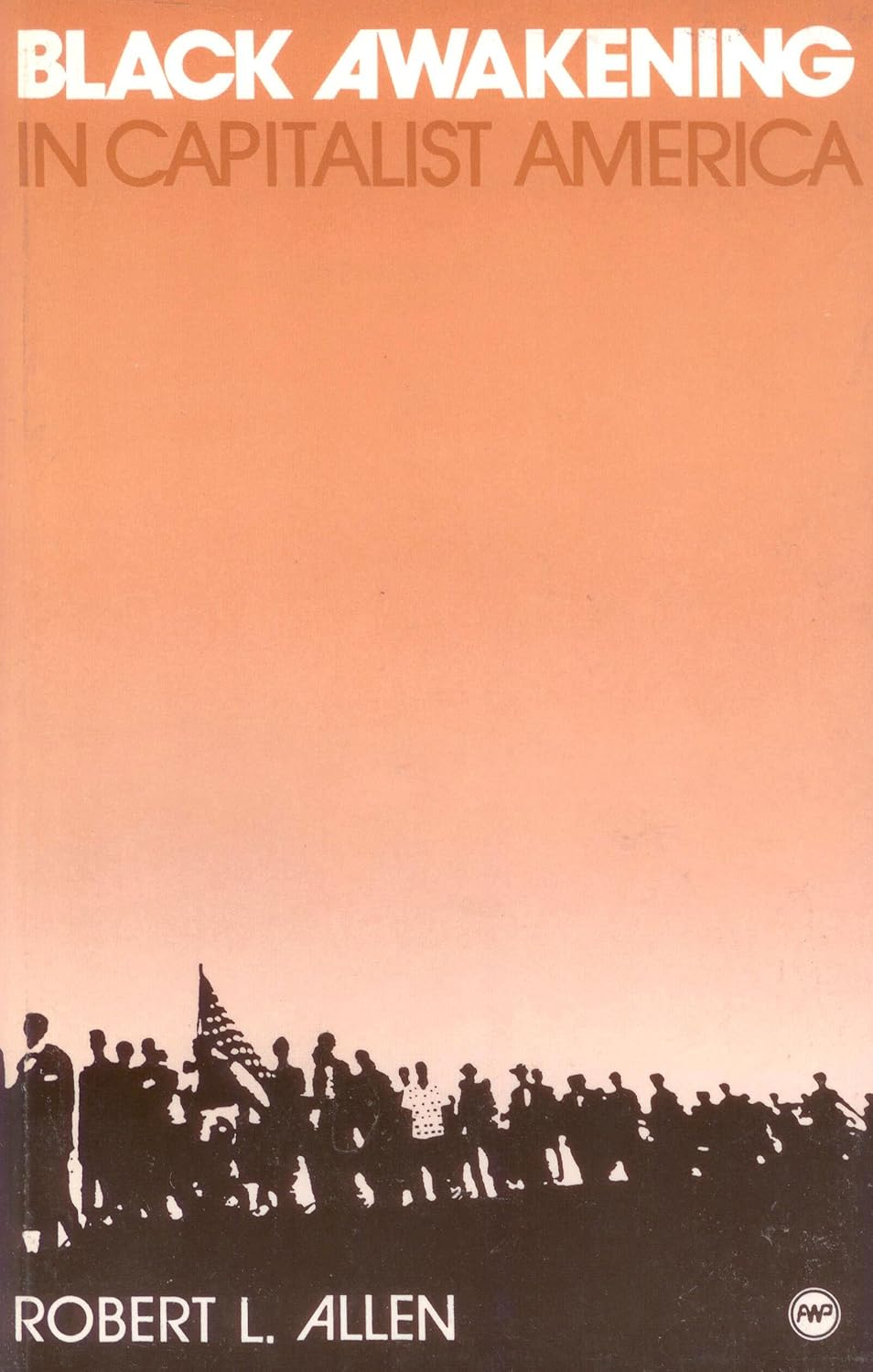
II: Black Awakening in Capitalist America: An Analytic History First Edition by Robert L. Allen

Book Summary

The book explores the intersections of race, class, and capitalism in America, particularly how these elements have shaped the experiences and struggles of Black people. Allen argues that the systemic inequalities rooted in capitalism have led to a profound awakening among Black communities, manifesting in various forms of resistance and activism. Through historical analysis, the author delves into the impacts of capitalism on Black life and the collective awakening that has occurred as a response to oppression.

The outline that follows captures the main themes and structure of Allen’s work, emphasizing the critical relationship between capitalism and the Black experience in America.

  • Introduction
    • Context of Black awakening in America
    • Overview of capitalism’s role in racial oppression
  • Historical Context
    • The legacy of slavery and its aftermath
    • Reconstruction and its failures
    • Rise of Jim Crow laws
  • Capitalism and Racial Oppression
    • Economic exploitation of Black labor
    • The role of capitalism in sustaining racial hierarchies
    • Case studies of Black economic struggles
  • The Civil Rights Movement
    • Key figures and events
    • The impact of capitalism on the movement
    • Shifts in strategy and ideology
  • Black Power and Resistance
    • Emergence of the Black Power movement
    • Analysis of militant and non-militant approaches
    • The significance of cultural identity
  • Contemporary Issues
    • The intersection of race and class in modern America
    • Impact of globalization on Black communities
    • Analysis of systemic racism in various sectors (education, employment, etc.)
  • The Future of Black Resistance
    • Potential paths for Black empowerment
    • Importance of solidarity across movements
    • Vision for a more equitable society
  • Conclusion
    • Reflection on the ongoing struggle against capitalism and racism
    • Call to action for renewed activism and awareness

Learn more in RBG Communivesity Knowledge Media eLibrary:

If They Come in the Morning: Voices of Resistance edited by Angela Y. Davis, with Ruchell Magee, the Soledad Brothers …(eBook and Audiobook) and Angela Davis and the Soledad Brothers (Video Education)

HAP 126. Fugitive for Justice: Angela Davis

From RBG Communiversity eLibrary History of African Philosophy (HAP Podcast) Folder

Angela Davis and the Soledad Brothers_Short Film (1971)

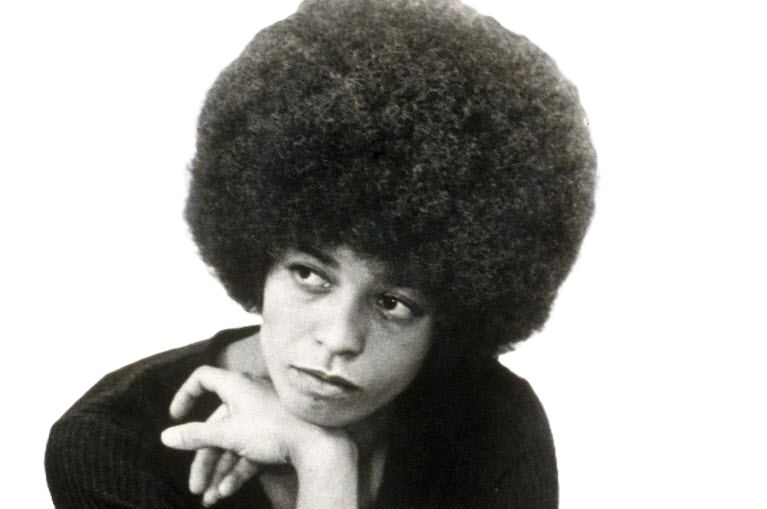
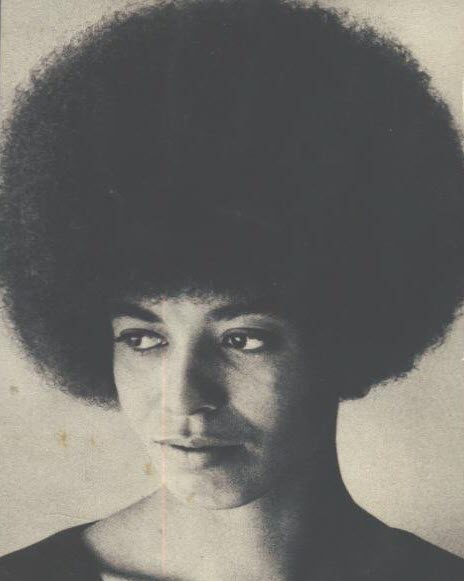
Angela Davis became involved with the Soledad Brothers in 1970, when she led the campaign to free them from prison. Davis was a prominent public figure at the time, having been fired from UCLA for her political activism and affiliation with the Communist Party. She developed close friendships with the families of the Soledad Brothers, and corresponded with the men themselves. 

Here are some ways Angela Davis and the Soledad Brothers are connected: 

  • The Soledad Brothers Defense Committee: Davis formed the Soledad Brothers Defense Committee, which included Jonathan Jackson, a close friend and bodyguard of one of the Soledad Brothers. 
  • The Black Scholar: Davis wrote an article titled “The Soledad Brothers” in The Black Scholar in April 1971. In it, she argued that the charges against the Soledad Brothers were actually about their revolutionary insubordination and inciting dissent. 
  • If They Come in the Morning (below): Davis edited a collection of writings about U.S. prisons and legal trials titled If They Come in the Morning: Voices of Resistance. The book included contributions from the Soledad Brothers and Black Panther Party members. 
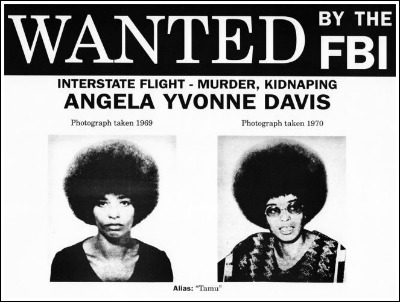
  • The Marin County Courthouse Incident: Davis was accused of supplying weapons to Jonathan Jackson in an alleged prisoner escape attempt. She was arrested and placed on the FBI’s Ten Most Wanted list. 
  • George Jackson: Davis befriended George Jackson, one of the Soledad Brothers, who was serving a sentence for armed robbery. Jackson wrote two books, Soledad Brother (1970) and Blood In My Eye (1972). He was killed in prison in 1971 while allegedly trying to escape. 

If They Come in the Morning: VOICES OF RESISTANCE, Edited by Angela Y. Davis, with Ruchell Magee, the Soledad Brothers and Other Political Prisoners and a Foreword by Julian Bond

[From the front and back flaps] The trial of Angela Yvonne Davis in connection with the prisoner revolt by three black prisoners on August 7, 1970 at the Marin County Courthouse will be remembered as one of America’s most historic political trials, and no one can tell the story better than Miss Davis herself. This book is also perhaps the most comprehensive and thorough analysis of that increasingly important symbol — the political prisoner. Of her trial, Miss Davis writes, “I am charged with three capital offenses — murder, kidnapping, and conspiracy. My life is at stake in this case — not simply the life of a lone individual, but a life which has been given over to the struggles of my people, a life which belongs to Black people who are tired of poverty, and racism, of the unjust imprisonment of tens of thousands of our brothers and sisters.” “I stand before this court,” she declares, “as a target of a political frame-up which, far from pointing to my culpability, implicates the State of California as an agent of political repression….I declare publicly before the court, before the people of this country, that I am innocent of all charges which have been leveled against me by the State of California. “On the central theme of this book Miss Davis contends that “the offense of the political prisoner in his political boldness, his consistent challenges — legally or extra-legally — of fundamental social wrongs fostered and reinforced by the state. He has opposed unjust laws and exploitative, racist social conditions in general, with the ultimate aim of transforming these laws and the society into an order harmonious with the material and spiritual need and interests of the vast majority of its members. “Regarding his own defense, Ruchell Magee, the only prisoner who survived the same revolt and one of the many impressive contributors in this invaluable volume which includes George Jackson, Fleeta Drumgo, John Clutchette, James Baldwin, Bobby Seale and Ericka Huggins, states, “For over seven years I have been forced to stay in slavery on fraudulent pleas of guilty, made by attorneys, court-appointed attorneys, over my objection, over my plea of not guilty, and over my testimony of not guilty.”

Pop the document out from the upper right to read / expand / download.

If They Come in the Morning: VOICES OF RESISTANCE Audiobook

Learn more in RBG Communiversity Knowledge Media eLibrary (aka RBG Dr. Carter G. Woodson e-Library)

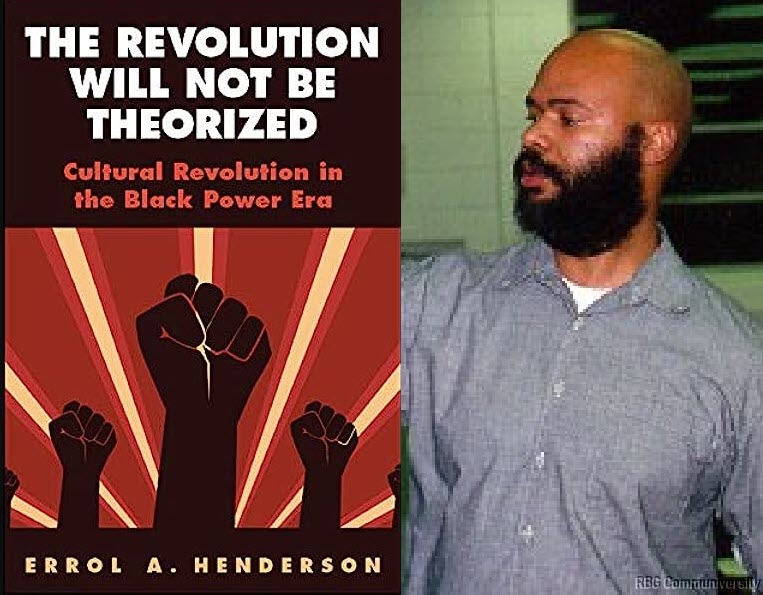
THE REVOLUTION WILL NOT BE THEORIZED: Cultural Revolution in the Black Power Era, by Dr. Errol A. Henderson, The Black Power Mixtape 1967-1975_ Documentary Film by Göran Hugo Olsson, and Supplemental: Maqflah- Souljahs f/ General Steele

Book Summary

Overview: “Imprisoned Intellectuals: America’s Political Prisoners Write on Life, Liberation, Rebellion,” edited by Joy James, is a compelling anthology that brings together the voices of political prisoners in the United States. The book sheds light on the experiences, thoughts, and struggles of individuals who have been incarcerated for their political beliefs and activism. Through essays, letters, and reflections, the contributors explore themes of resistance, identity, and the impact of systemic oppression.

The outline that follows provides a structured overview of the themes and discussions presented in the book, showcasing the voices and experiences of those who have faced political imprisonment in America.

Outline:

  • Introduction
    • Overview of the book’s purpose and significance
    • Importance of political prisoners in contemporary society
    • Brief introduction to the editor, Joy James, and her vision for the anthology
  • Chapter 1: The Context of Political Imprisonment
    • Historical background of political imprisonment in the U.S.
    • Discussion on the targeted oppression of marginalized groups
    • Overview of the legal and social frameworks supporting political incarceration
  • Chapter 2: Voices from the Inside
    • Personal narratives from various political prisoners
    • Reflections on life in prison and the psychological effects of incarceration
    • Insights into maintaining identity and purpose while imprisoned
  • Chapter 3: Rebellion and Resistance
    • Analysis of acts of resistance and rebellion within prison walls
    • The role of solidarity among prisoners
    • Examination of hunger strikes, protests, and other forms of activism
  • Chapter 4: The Role of Education and Intellectualism
    • The importance of education and intellectual engagement for prisoners
    • Contributions of imprisoned intellectuals to social and political thought
    • Discussion on how education serves as a form of resistance
  • Chapter 5: Liberation Movements and Solidarity
    • Connections between imprisoned intellectuals and broader liberation movements
    • The role of community support and activism outside prison
    • Strategies for building solidarity and alliances for change
  • Chapter 6: The Future of Political Prisoners
    • Reflections on the potential for reform and change in the penal system
    • Hope and resilience among political prisoners
    • Calls to action for readers and activists
  • Conclusion
    • Summary of key themes and insights from the anthology
    • The ongoing struggle for justice and liberation
    • Invitation for readers to engage with the issues presented in the book
  • Appendices
    • Additional resources for understanding political imprisonment
    • Information on organizations supporting political prisoners
    • Suggested readings and further research topics

“My Idea of an ICEBREAKER Video for this remarkable book.”

THE REVOLUTION WILL NOT BE THEORIZED: Cultural Revolution in the Black Power Era, by Dr. Errol A. Henderson_eBook

Pop the documents out from the upper right to read / expand / download.

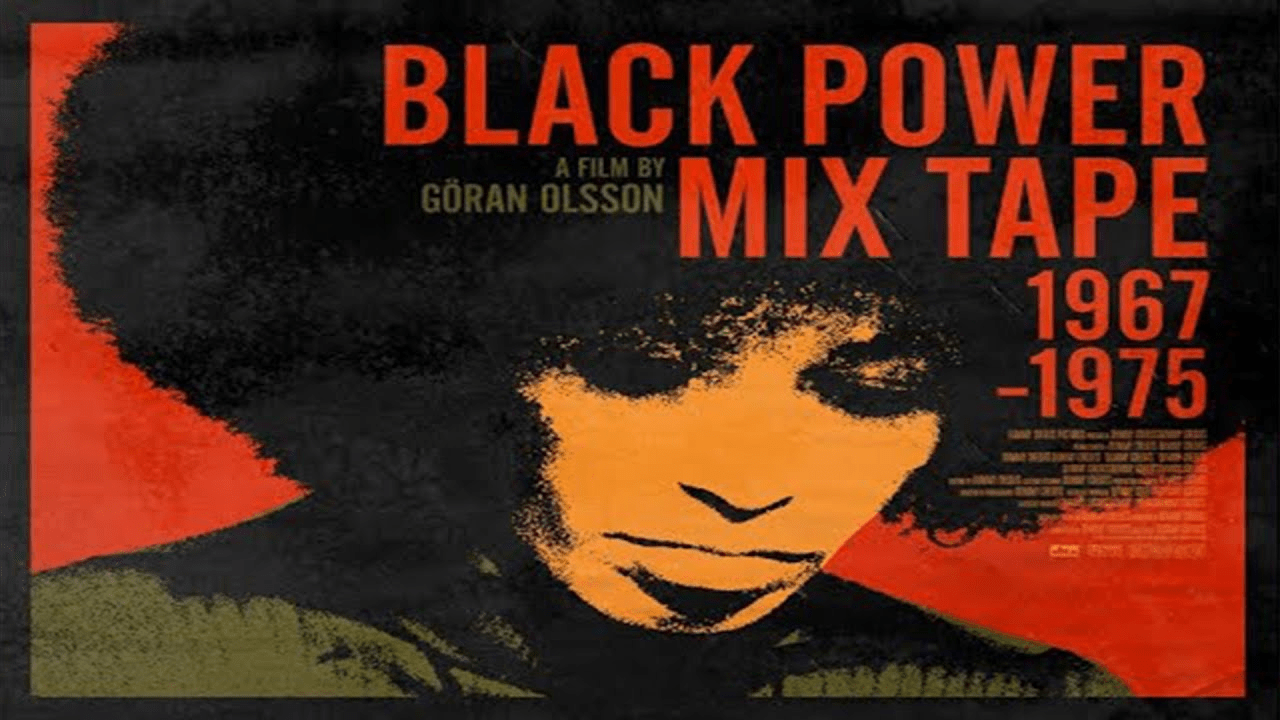
The Black Power Mixtape 1967-1975_ Docmentary Film by Göran Hugo Olsson

For three decades, the film canisters sat undisturbed in a cellar beneath the Swedish National Broadcasting Company. Inside was roll after roll of startlingly fresh and candid 16mm footage shot in the 1960s and 1970s in the United States, all of it focused on the anti-war and Black Power movements. When filmmaker Goran Hugo Olsson discovered the footage, he decided he had a responsibility to shepherd this glimpse of history into the world.
With contemporary audio interviews from leading African American artists, activists, musicians and scholars, The Black Power Mixtape 1967-1975 looks at the people, society, culture, and style that fuelled an era of convulsive change. Utilizing an innovative format that riffs on the popular 1970s mixtape format, Mixtape is a cinematic and musical journey into the black communities of America.
At the end of the ’60s and into the early ’70s, Swedish interest in the U.S. civil rights movement and the U.S. anti-war movement peaked. With a combination of commitment and naiveté, Swedish filmmakers traveled across the Atlantic to explore the Black Power movement, which was being alternately ignored or portrayed in the U.S. media as a violent, nascent terrorist movement.
Despite the obstacles they encountered, both from the conservative white American power establishment and from radicalized movement members themselves, the Swedish filmmakers stayed committed to their investigation, and ultimately formed bonds with key figures in the movement.
This newly discovered footage offers a penetrating examination — through the lens of Swedish filmmakers — of the Black Power movement from 1967 to 1975, and its worldwide resonance. The result is like an anthropological treatise on an exotic civilization from the point of view of outsiders who approached their subject with no assumptions or biases.

The Filmmaker Göran Hugo Olsson
Documentary filmmaker and cinematographer Göran Hugo Olsson is the co-founder of Story AB. He was the commission consultant at the Swedish Film Institute during 2000-02, and is a member of the editorial board of Ikon South Africa — a platform for the creative documentary in South Africa. His documentary film work includes F**k You, F**k You Very Much (nominated as the second best rock-documentary of all time by legendary Bon Magazine), and the film about soul artist Billy Paul, Am I Black Enough for You.


Supplemental: Maqflah – Souljahs f/ General Steele

Pop the documents out from the upper right to read / expand / download.

For more like this visit RBG Communiversity’s eLibrary |

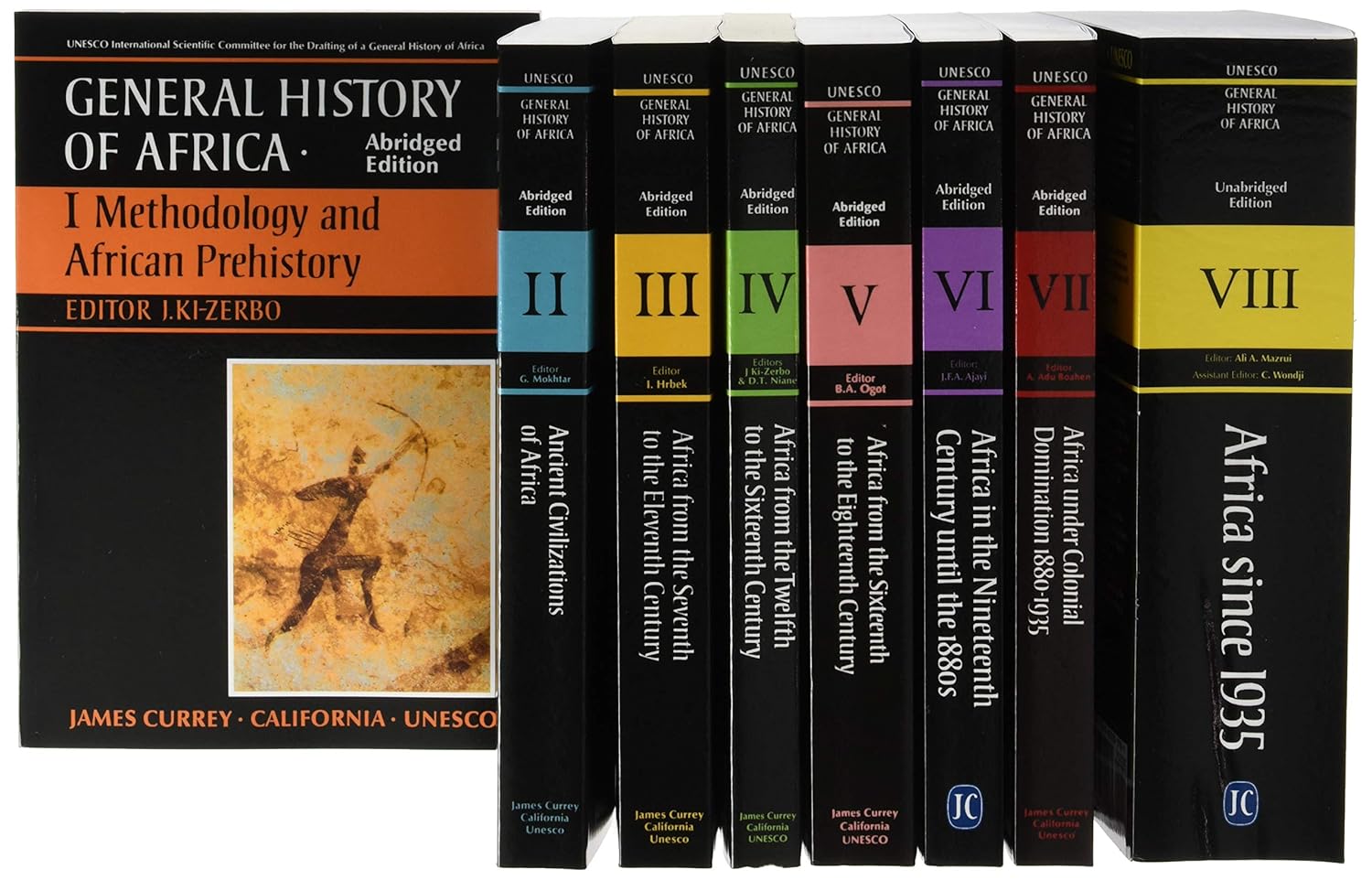
History of Africa with Zeinab Badawi (BBC)_ Video Education and UNESCO General History of Africa Vols 1-8

20 Video Playlist

Amazon Books description: This set brings together all 8 volumes of the groundbreaking UNESCO General History of Africa. The series demonstrates the importance of African history from earliest pre-history, through the establishment of its ancient civilizations to the placing of Africa in the context of world history. The growth and development of African historiography, once written records became more common, document the triumph of Islam, the extension of trading relations, cultural exchanges and human contacts, as well as the impact and consequences of the slave trade. The European scramble for colonial territory in the 1880s is examined with a focus on the responses of Africans themselves to the economic and social aspects of colonial systems up to 1935, including the growth of anti-colonial movements and the strengthening of African political nationalism. The contributions document how the continent moved from international conflict under foreign domination to struggles for political sovereignty and economic independence. The last (unabridged) volume 8 examines the challenges of nation-building and the socio-cultural changes affecting the newly independent nations. The series is co-published in Africa with seven publishers, in the United States and Canada by the University of California Press, and in association with the UNESCO Press.

Pop the documents out from the upper right to read / expand / download.

From RBG Communiversity eLibrary| Dictionaries, Encyclopedias and Book-Sets Folder