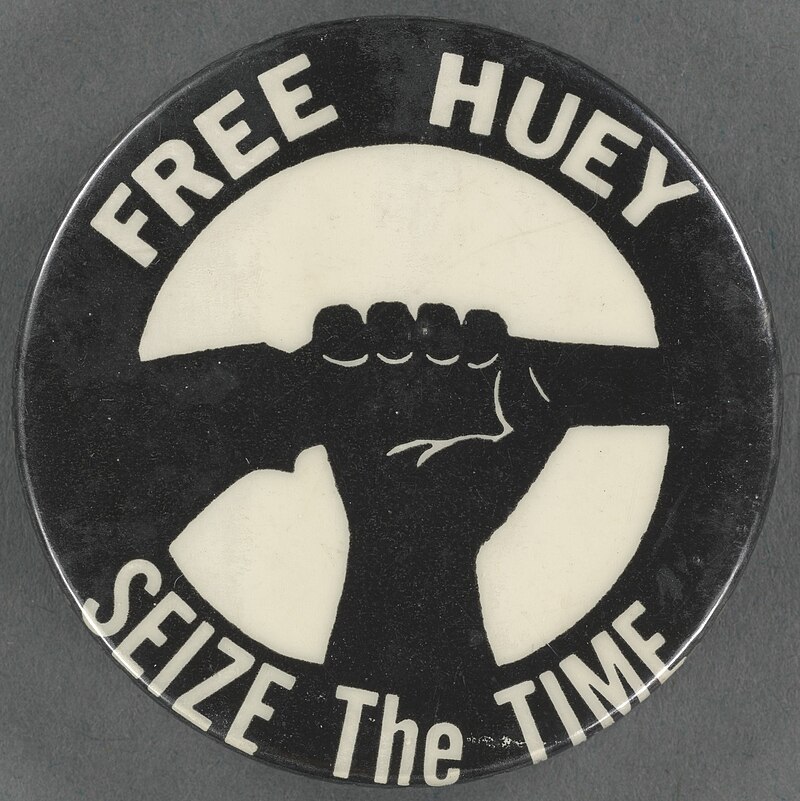
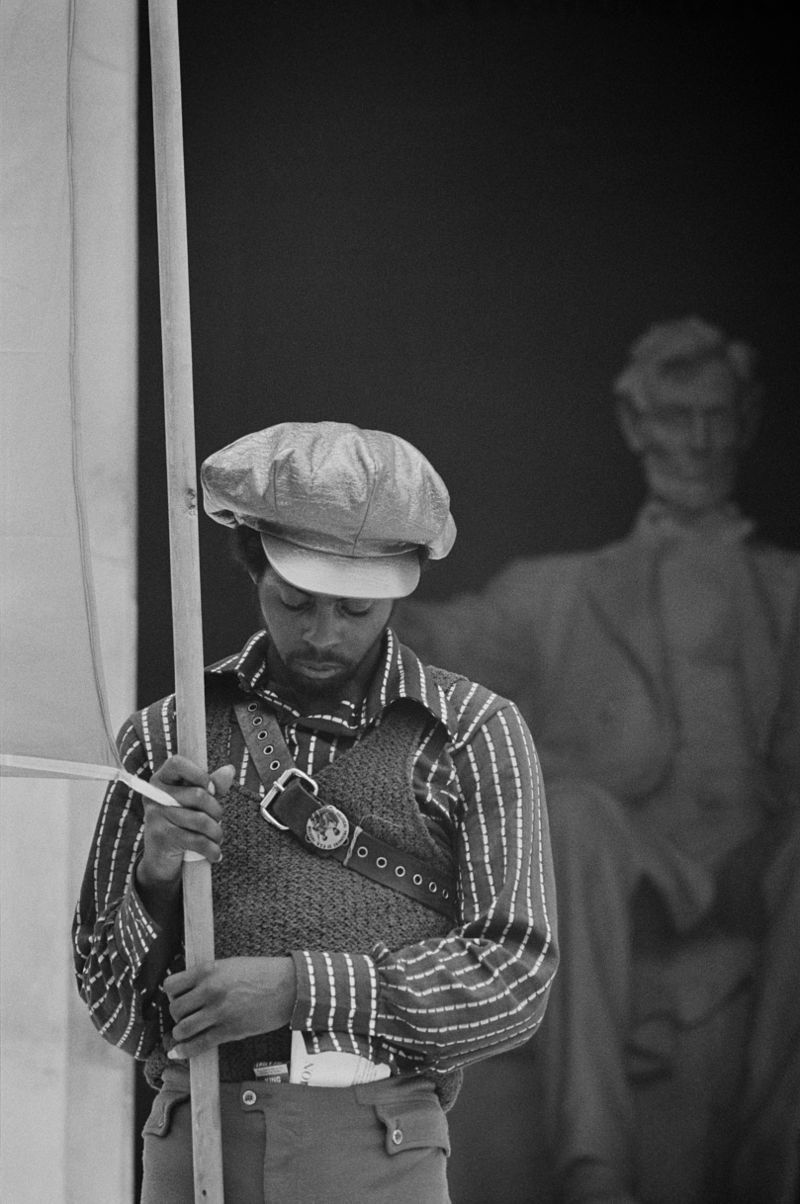
Seize the Time, by Bobby Seale: The Story of the Black Panther Party and Huey P. Newton_eBook and Audiobook mp4 Player

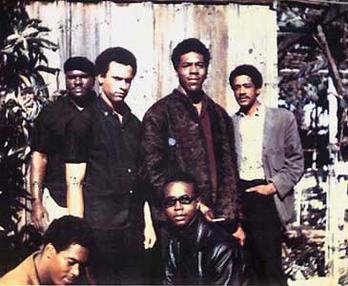
BPP Founders_Bobby Seale and Huey P. Newton

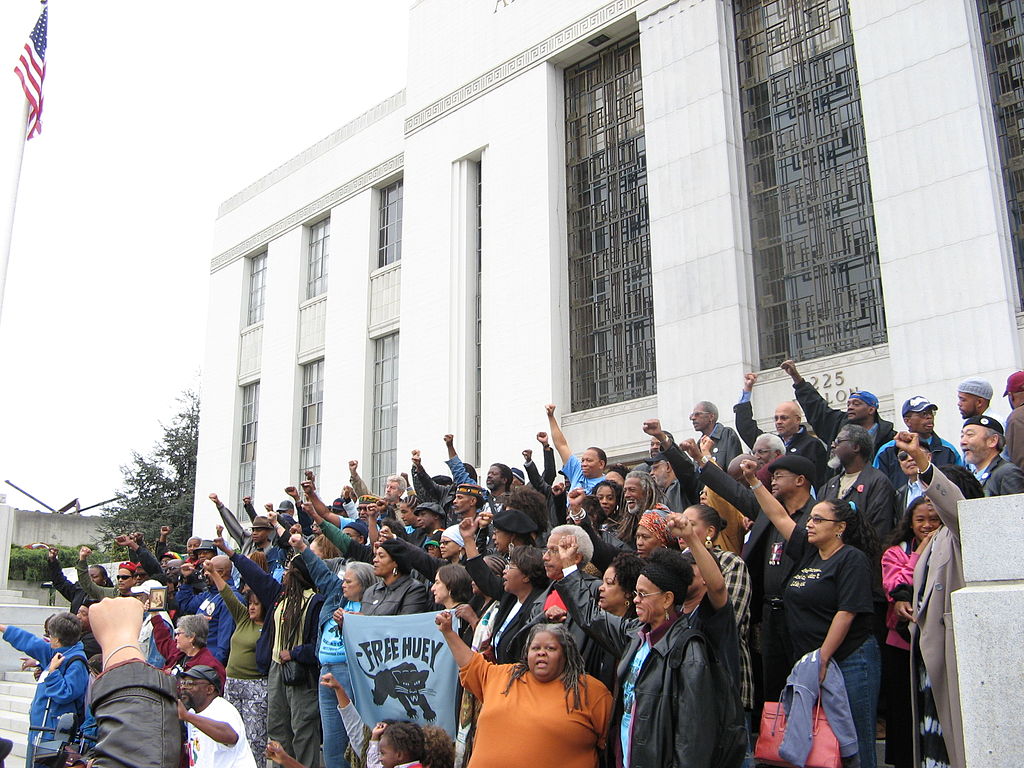
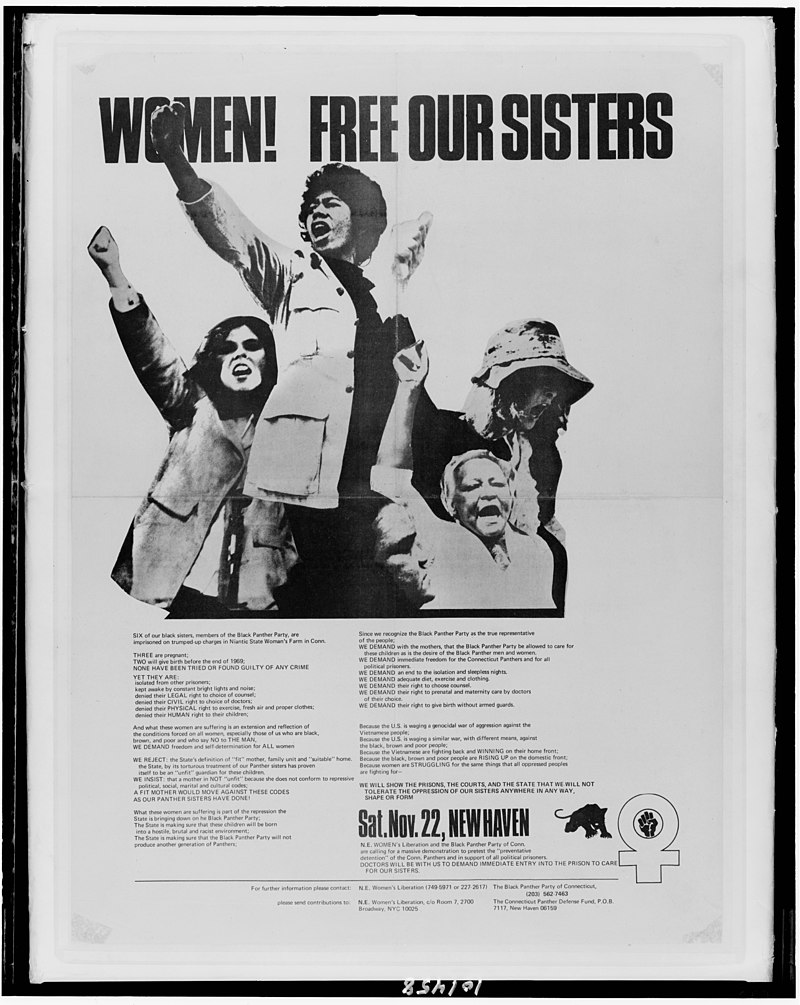
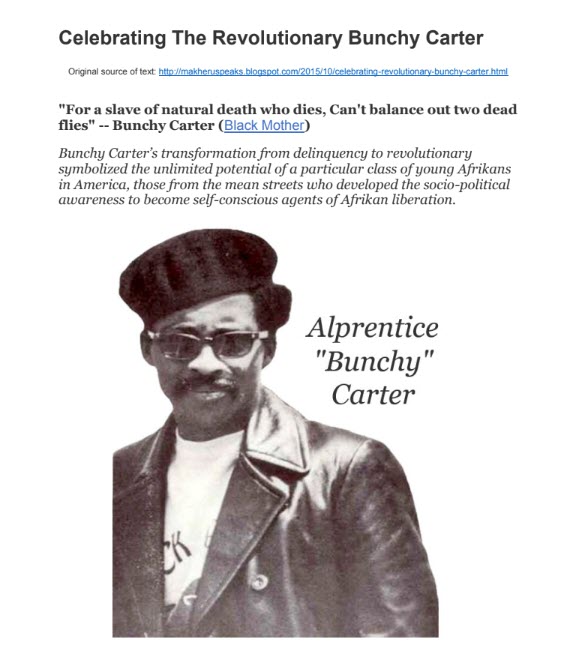
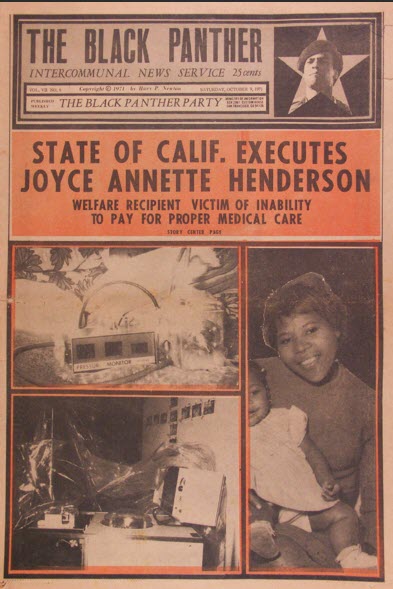
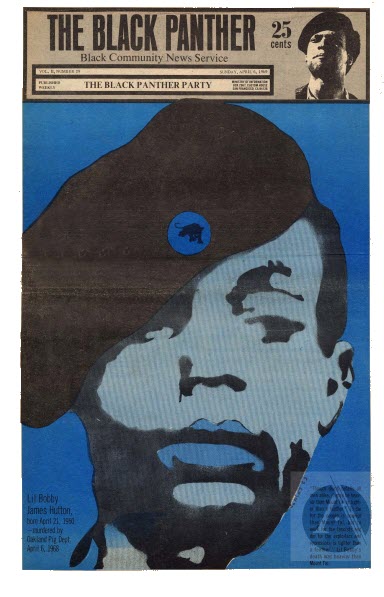
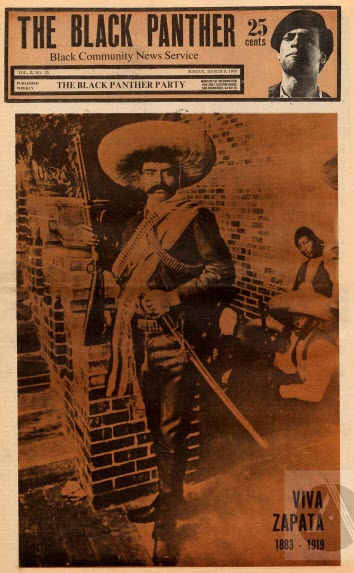
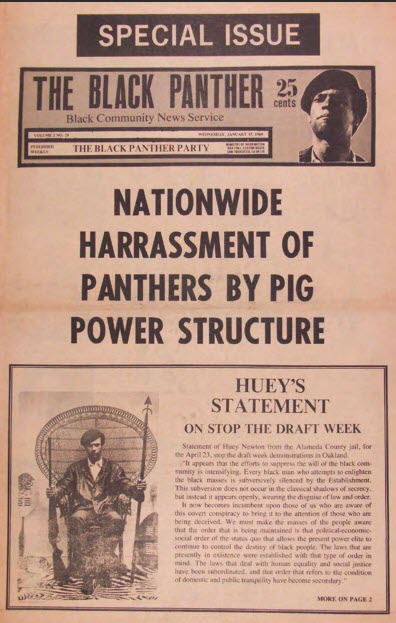
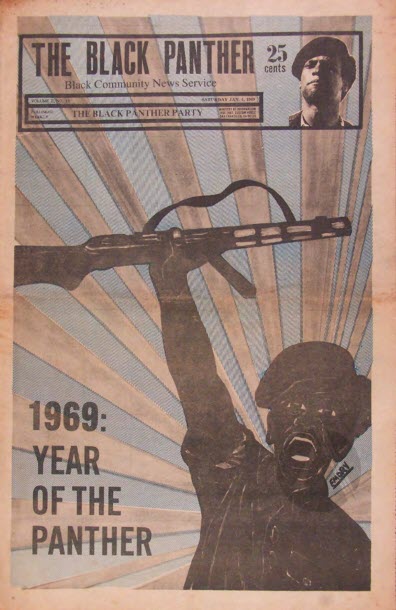
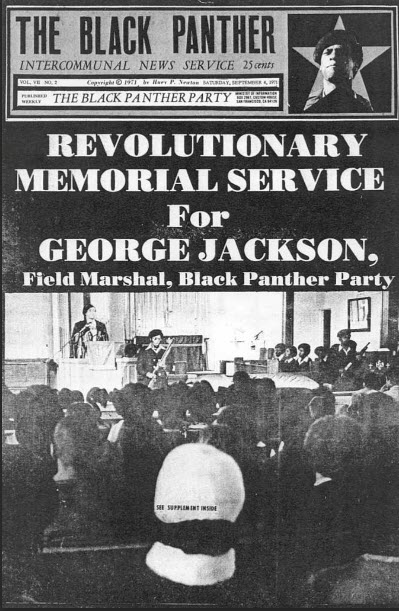
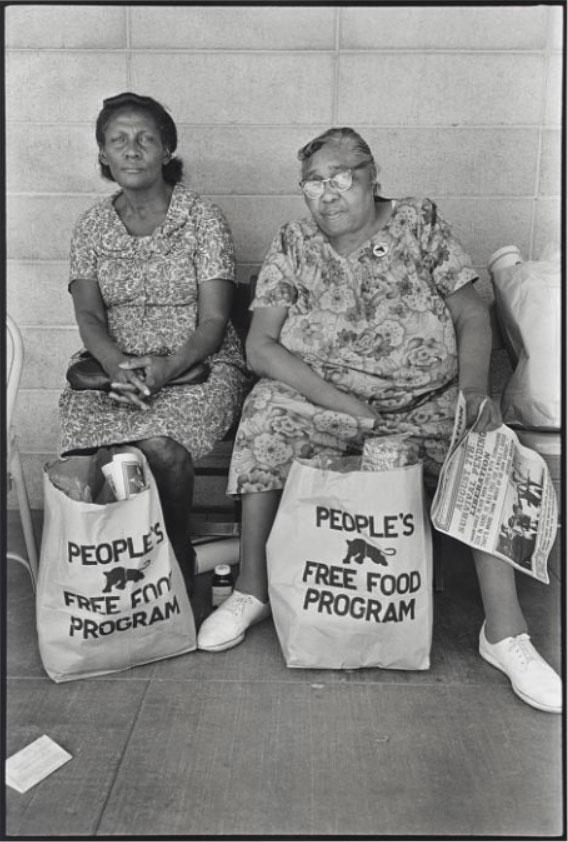
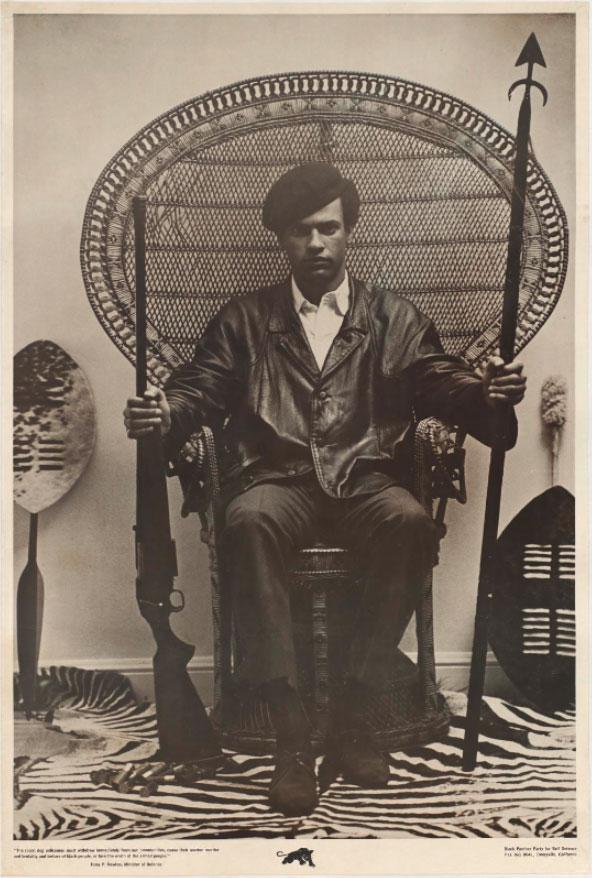
SlideShow Photo Credits: National Museum of African American History and Culture (The Black Panther Party: Challenging Police and Promoting Social Change); Black Panther Party Wiki; BPP Newspaper Covers

Book Summary

“Seize the Time: The Story of the Black Panther Party and Huey P. Newton” by Bobby Seale is an autobiographical account that offers an insider’s perspective on the founding and development of the Black Panther Party (BPP). Written during a tumultuous period in American history, Seale reflects on the political climate of the 1960s, the motivations behind the formation of the BPP, and the organization’s efforts to combat systemic racism and social injustice. The book not only details the struggles and achievements of the BPP but also emphasizes the importance of community activism, self-defense, and the fight for civil rights. Through personal anecdotes and historical context, Seale provides a nuanced understanding of the party’s impact on American society and its legacy.

The outline that follows captures the main themes and structure of “Seize the Time,” highlighting Bobby Seale’s personal narrative and the historical significance of the Black Panther Party. The book serves as an important resource for understanding the complexities of civil rights activism and the lasting impact of the BPP on American society.

I. Introduction

  • Overview of the book’s purpose: to recount the history of the Black Panther Party and its significance
  • Introduction to Bobby Seale and his role as a co-founder of the BPP
  • The socio-political context of the 1960s in America

II. Early Life and Influences

  • Seale’s background and upbringing in a segregated America
  • Key influences that shaped his political consciousness
  • The impact of the civil rights movement on Seale and his peers

III. Formation of the Black Panther Party

  • The founding of the BPP in Oakland, California, in 1966
  • Collaboration with Huey P. Newton and the development of the party’s philosophy
  • The initial goals and objectives of the BPP, including self-defense and community empowerment

IV. Community Programs and Activism

  • Overview of the BPP’s community service programs (e.g., free breakfast for children, health clinics)
  • The emphasis on education and political consciousness-raising in the community
  • Examples of grassroots activism and organizing efforts

V. Confrontation with Law Enforcement

  • Examination of the BPP’s encounters with law enforcement and government agencies
  • The significance of the armed patrols and the right to self-defense
  • Discussion of key events, such as police raids and the party’s response to violence

VI. National Impact and Growth

  • The expansion of the BPP beyond Oakland and its influence on other cities
  • The role of media in shaping public perception of the BPP
  • Notable figures within the party and their contributions to its mission

VII. Internal Challenges and Conflicts

  • Exploration of internal conflicts within the BPP, including leadership struggles and ideological differences
  • The impact of external pressures, including surveillance and repression by the FBI and other agencies
  • The eventual decline of the BPP and the factors contributing to its challenges

VIII. Legacy and Reflection

  • Seale’s reflections on the legacy of the Black Panther Party and its relevance today
  • The ongoing struggle for civil rights and social justice in contemporary America
  • The importance of community activism and grassroots organizing in effecting change

IX. Conclusion

  • Summary of key themes and insights from the book
  • Reflection on the importance of understanding the BPP’s history and its contributions to social justice
  • A call to action for future generations to continue the fight for equality and justice

“Seize the Time: The Story of the Black Panther Party and Huey P. Newton” by Bobby Seale is a crucial work that provides an intimate and detailed account of the Black Panther Party (BPP), its founding, and its mission to address systemic racism and social injustice in America. Seale, as a co-founder of the BPP, offers firsthand insights into the struggles and triumphs of the organization, as well as the broader civil rights movement of the 1960s. Here’s a deeper exploration of the key themes, insights, and narratives presented in the book:

Key Themes and Insights

  1. Historical Context:
    • Seale places the formation of the Black Panther Party within the broader context of the civil rights movement and the societal upheavals of the 1960s. He details the systemic injustices faced by African Americans, including police brutality, economic inequality, and educational disparities, which motivated the creation of the BPP.
    • The historical backdrop helps readers understand the urgency and necessity of the BPP’s mission to advocate for self-defense and community empowerment.
  2. Founding Principles of the BPP:
    • The book outlines the core principles and philosophies that guided the BPP, including the right to self-defense, the importance of community service, and the need for political education. Seale emphasizes that the BPP was not just a reaction to violence but a proactive movement aimed at upliftment and empowerment.
    • The party’s Ten-Point Program, which outlined their demands for justice, equality, and community control, is discussed in detail as a framework for their activism.
  3. Community Engagement and Activism:
    • Seale highlights the various community programs initiated by the BPP, such as free breakfast programs for children, health clinics, and educational initiatives. These programs were designed to address immediate needs within the community and empower individuals through education and resources.
    • The emphasis on community service illustrates the party’s commitment to improving the lives of African Americans and fostering a sense of solidarity and self-determination.
  4. Confrontations with Law Enforcement:
    • The book details the BPP’s confrontations with law enforcement, including armed patrols to monitor police activity and protect community members. Seale describes the legal and political implications of these actions, emphasizing the BPP’s stance on self-defense and civil rights.
    • Key incidents, such as police raids and the assassination of party members, are recounted to illustrate the dangers faced by the BPP and the systemic violence directed at Black activists.
  5. Media Representation:
    • Seale discusses the role of the media in shaping public perceptions of the Black Panther Party. He critiques the sensationalized coverage that often portrayed the BPP as a violent organization, overshadowing its community efforts and political objectives.
    • The impact of media narratives on the party’s reputation and the challenges of combating misinformation are significant themes in the book.
  6. Internal Struggles and Challenges:
    • The biography does not shy away from addressing the internal conflicts within the BPP, including leadership disputes, ideological differences, and the effects of external pressures from government surveillance and infiltration. Seale reflects on how these challenges affected the unity and effectiveness of the organization.
    • The struggles faced by the BPP serve as a reminder of the complexities of grassroots movements and the difficulties inherent in maintaining solidarity among diverse voices.
  7. Legacy and Relevance:
    • In the conclusion, Seale reflects on the enduring legacy of the Black Panther Party and its relevance to contemporary social justice movements. He emphasizes that the fight for equality and justice is ongoing, and the principles established by the BPP continue to inspire activists today.
    • The book encourages readers to engage with the lessons learned from the BPP’s experiences and to recognize the importance of community activism and political engagement in the pursuit of justice.

Conclusion

“Seize the Time” is more than a historical account; it is a powerful testament to the resilience and determination of a movement that sought to address systemic oppression and empower marginalized communities. Bobby Seale’s insights provide a unique perspective on the Black Panther Party’s efforts, challenges, and impact on American society.

Through personal anecdotes and historical analysis, Seale crafts a narrative that invites readers to reflect on the complexities of social justice activism and the importance of grassroots organizing. The book serves as a vital resource for understanding the struggles faced by the Black Panther Party and the ongoing fight for civil rights, urging future generations to continue the work of building a more just and equitable society.

Seize the Time, by Bobby Seale_Audiobook mp4 Player

12 Video Playlist

Seize the Time_eBook

Pop the documents out from the upper right to read / expand / download.
Learn more in RBG Communiversity Knowledge Media eLibrary:

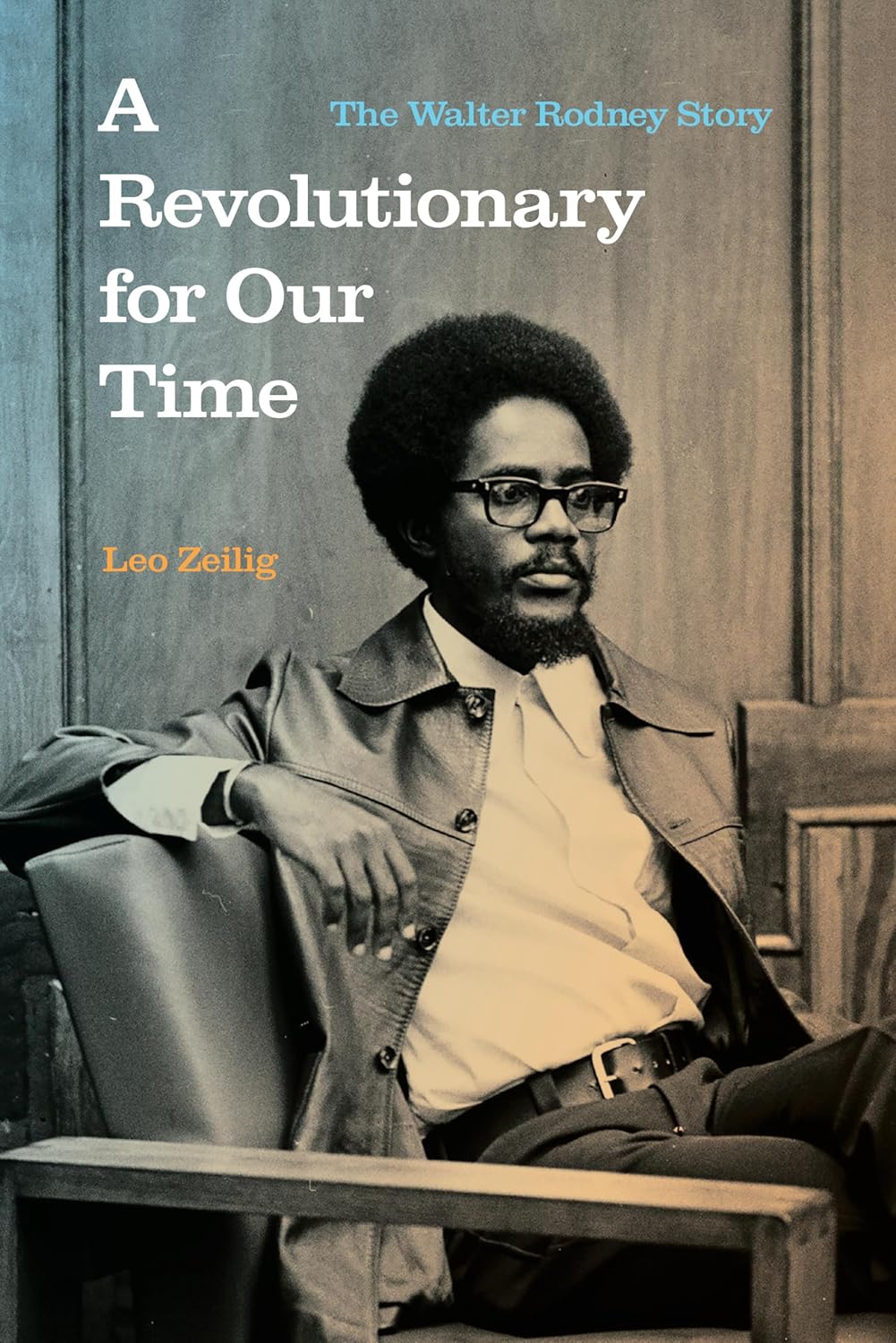
A Revolutionary for Our Time: The Walter Rodney Story by Leo Zeilig_eBook and Audiobook, with HAP 123-History Teaches Us- Walter Rodney

Book Summary

A Revolutionary for Our Time: The Walter Rodney Story by Leo Zeilig is a biography that delves into the life and legacy of Walter Rodney, a prominent Guyanese historian, political activist, and revolutionary. The book highlights Rodney’s contributions to Caribbean intellectual thought, his critiques of colonialism and imperialism, and his dedication to social justice and the empowerment of the oppressed. Through Rodney’s story, Zeilig explores broader themes of race, class, and resistance in the Caribbean, as well as the impact of Rodney’s work on contemporary movements for social change.

Key Themes and Historical Context:

  1. Introduction to Walter Rodney
    • Overview of Rodney’s significance in Caribbean history
    • Brief introduction to his early life and background
  2. Early Life and Education
    • Rodney’s upbringing in British Guiana
    • Educational experiences and early influences
    • Development of his political consciousness
  3. Academic Career and Historical Contributions
    • Rodney’s work as a historian and scholar
    • Key publications and their impact (e.g., “How Europe Underdeveloped Africa”)
    • Methodological approaches and critiques of traditional historiography
  4. Political Activism and Leader of the People’s Movement
    • Involvement in political movements in Guyana
    • Formation of the Working People’s Alliance (WPA)
    • Advocacy for the rights of marginalized communities
  5. Colonialism and Imperialism
    • Rodney’s critique of colonial structures
    • Analysis of the effects of colonialism on Caribbean societies
    • Advocacy for decolonization and self-determination
  6. Exile and International Influence
    • Rodney’s experiences of exile and its impact on his work
    • Connections with other revolutionary movements in the Caribbean and globally
    • Participation in international forums and discussions
  7. Legacy and Impact
    • Rodney’s influence on subsequent generations of activists and scholars
    • The continuing relevance of his ideas in contemporary struggles
    • Commemoration of Rodney’s life and work in cultural memory
  8. Conclusion
    • Reflection on Walter Rodney’s contributions as a revolutionary thinker
    • The importance of his legacy in the fight for social justice and equality

A Revolutionary for Our Time: The Walter Rodney Story_eBook

Walter Rodney was a scholar, working class militant, and revolutionary from Guyana. Strongly influenced by Marxist ideas, he remains central to radical Pan-Africanist thought for large numbers of activists’ today. Rodney lived through the failed –though immensely hopeful -socialist experiments in the 1960s and 1970s, in Tanzania and elsewhere. The book critically considers Rodney’s contribution to Marxist theory and history, his relationship to dependency theory and the contemporary significance of his work in the context of movements and politics today. The first full-length study of Rodney’s life, this book is an essential introduction to Rodney’s work.

Pop the document out from the upper right to read / expand / download.

A Revolutionary for Our Time: The Walter Rodney Story_Audiobook

Part 1

Part 2

HAP 123-History Teaches Us- Walter Rodney

Learn more in RBG Communiversity Knowledge Media eLibrary:

Malcolm X As Cultural Hero and Other Afrocentric Essays by Molefi Kete Asante and Dr. Molefi Kete Asante Lecture On Malcolm X (RBG MKA Video Player)

RBG Molefi Kete Asante Institute Lectures

21 Video Playlist

Book Summary

“Malcolm X As Cultural Hero and Other Afrocentric Essays” by Molefi Kete Asante is a collection of essays that examine the significance of Malcolm X as a cultural icon and his impact on African American identity and consciousness. Asante, a prominent scholar in Afrocentric studies, explores themes of cultural pride, resistance, and the importance of historical context in understanding the contributions of Malcolm X and other African figures. The essays advocate for a re-framing of African American history through an Afrocentric lens, emphasizing the need for empowerment and self-determination within the Black community.

Essential Themes and Discussions Presented:

  1. Introduction
    • Overview of the book’s purpose and themes
    • Contextualization of Malcolm X’s life and legacy
    • Introduction to Afrocentricity and its relevance to contemporary discussions
  2. Malcolm X as a Cultural Hero
    • Exploration of Malcolm X’s role as a symbol of resistance and empowerment
    • Analysis of his philosophy and rhetoric regarding race and identity
    • Discussion of the significance of Malcolm X in the context of the Civil Rights Movement
  3. The Concept of Afrocentricity
    • Definition and principles of Afrocentricity
    • Importance of cultural identity and historical perspective in Afrocentric thought
    • Critique of Eurocentrism and its effects on African and African American identity
  4. Malcolm X’s Influence on Afrocentric Thought
    • Examination of how Malcolm X’s ideas resonate with Afrocentric philosophy
    • Discussion of his critiques of systemic oppression and colonialism
    • Analysis of his vision for African unity and self-determination
  5. Cultural Identity and Empowerment
    • Exploration of the relationship between culture and identity in the African diaspora
    • The role of cultural heroes in shaping collective consciousness
    • Discussion of strategies for cultural empowerment and community building
  6. Historical Context of African American Struggles
    • Overview of historical events and figures that shaped the African American experience
    • Examination of the legacy of slavery, segregation, and systemic racism
    • The impact of these historical factors on contemporary issues facing the Black community
  7. Contemporary Relevance of Malcolm X’s Ideas
    • Analysis of how Malcolm X’s teachings apply to current social justice movements
    • Reflection on the ongoing struggles for racial equality and justice
    • Discussion of the importance of maintaining cultural heritage in today’s society
  8. Conclusion
    • Summary of key themes and insights from the essays
    • Final reflections on the enduring legacy of Malcolm X as a cultural hero
    • Emphasis on the importance of Afrocentric perspectives in understanding history and identity

Malcolm X As Cultural Hero and Other Afrocentric Essays by Molefi Kete Asante (1993)

Pop the document out from the upper right to read / expand / download.

Learn more in RBG Communiversity Knowledge Media eLibrary:

Selected Writings and Speeches of Marcus Garvey_eBook and Audiobook, with RBG|The Story of Marcus Garvey (A Documentary Film) 

“Selected Writings and Speeches of Marcus Garvey” is a collection that showcases the influential thoughts, philosophies, and advocacy of Marcus Garvey, a prominent leader in the early 20th-century Black Nationalist and pan-African movements. His works focus on themes of racial pride, self-reliance, and the importance of African redemption. Garvey’s ideas laid the groundwork for future human rights and civil rights movements and continues to resonate with discussions surrounding race, identity, and empowerment

Book Summary

“Selected Writings and Speeches of Marcus Garvey” is a compilation of key writings and speeches by Marcus Garvey, a prominent Jamaican political leader, publisher, and activist in the early 20th century. Garvey is best known for his advocacy of Black Nationalism and the Pan-African movement, emphasizing the importance of self-determination and empowerment for people of African descent. The book captures his vision for the upliftment of Black people globally, his criticism of colonialism and racism, and his call for unity among people of African descent. Through his eloquent and passionate writings, Garvey articulates a philosophy that encourages pride in African heritage and a commitment to creating a better future for Black communities.

The following outline captures the essential themes and structure of “Selected Writings and Speeches of Marcus Garvey.” The book serves as an important resource for understanding Garvey’s contributions to Black Nationalism, the Pan-African movement, and the ongoing struggles for racial equality and empowerment. Through his powerful words, Garvey inspires future generations to embrace their heritage and pursue justice and self-determination.

I. Introduction

  • Overview of Marcus Garvey’s significance in the Black nationalist movement
  • Introduction to the themes of the book: self-determination, empowerment, and Pan-Africanism

II. Early Life and Influences

  • A. Background and Childhood
    • Garvey’s upbringing in Jamaica
    • Influences from family and local culture
  • B. Education and Political Awakening
    • Early experiences with racism and colonialism
  • Impact of travels to the United States and Europe

III. Founding the Universal Negro Improvement Association (UNIA)

  • A. Establishment of the UNIA
    • Goals and objectives of the organization
    • Importance of the UNIA in promoting Black nationalism
  • B. The “Back to Africa” Movement
    • Garvey’s vision for repatriation and self-governance
    • The significance of the Black Star Line and economic empowerment

IV. Key Writings and Speeches

  • A. “Declaration of the Rights of the Negro Peoples of the World”
    • Overview of the document’s significance
    • Key principles articulated in the declaration

B. “The Future as I See It”

  • Garvey’s vision for the future of Black people
    • Emphasis on self-reliance and community building
  • C. “The Negro’s Greatest Enemy”
    • Analysis of internal and external challenges facing Black people
    • Call for unity and collective action

V. Philosophy of Black Nationalism

  • A. Importance of Racial Pride and Identity
    • Garvey’s emphasis on embracing African heritage
    • The role of education in fostering pride and awareness
  • B. Economic Self-Sufficiency
    • Advocacy for Black-owned businesses and economic independence
    • Critique of dependency on white-dominated systems

VI. Challenges and Controversies

  • A. Criticism of Garvey’s Ideas
    • Opposition from other Black leaders and organizations
    • Debates over the feasibility of the “Back to Africa” movement
  • B. Legal Troubles and Imprisonment
    • Overview of Garvey’s legal challenges and their impact on his activism
    • The legacy of his struggles for the movement

VII. Legacy and Impact

  • A. Influence on Future Movements
    • Garvey’s impact on the Civil Rights Movement and Pan-Africanism
    • Continued relevance of Garvey’s ideas in contemporary discussions of race and identity
  • B. Commemoration and Recognition
    • Garvey’s enduring legacy in African and African diaspora communities
    • Recognition of his contributions through monuments and celebrations

VIII. Conclusion

  • Summary of key themes and messages from Garvey’s writings and speeches
  • Reflection on the significance of Garvey’s vision for contemporary struggles against racism and oppression
  • Call to action for continued commitment to self-determination and empowerment

“Selected Writings and Speeches of Marcus Garvey” offers an insightful glimpse into the life and philosophy of one of the most influential figures in the early 20th-century Black Nationalist movement. Here’s a deeper exploration of the key themes, historical context, and significance of Garvey’s work:

Detailed Exploration of Key Aspects

I. Early Life and Influences

  1. Background and Childhood:
    • Marcus Garvey was born on August 17, 1887, in St. Ann’s Bay, Jamaica. His upbringing in a relatively well-off family provided him with access to education and exposure to the complexities of colonial society.
    • His early experiences with racial discrimination shaped his worldview and ignited his passion for advocating for the rights of Black people.
  2. Education and Political Awakening:
    • Garvey’s travels to the United States in 1916 exposed him to the struggles of African Americans and the broader issues of racism and colonialism. He was influenced by various movements and leaders advocating for social justice.
    • His exposure to socialist ideas and the Pan-African movement further solidified his commitment to fighting for the rights and dignity of people of African descent.

II. Founding the Universal Negro Improvement Association (UNIA)

  1. Establishment of the UNIA:
    • In 1914, Garvey founded the UNIA in Jamaica, aiming to organize and uplift people of African descent globally. The organization quickly gained popularity and expanded to the United States and other regions.
    • The UNIA’s mission encompassed promoting racial pride, economic self-sufficiency, and political empowerment for Black people.
  2. The “Back to Africa” Movement:
    • Garvey promoted the idea of repatriation to Africa as a means for people of African descent to escape oppression and establish their own nation. He believed that returning to Africa was essential for reclaiming identity and sovereignty.
    • The establishment of the Black Star Line, a shipping line intended to facilitate this repatriation, represented Garvey’s vision for economic empowerment and self-determination.

III. Key Writings and Speeches

  1. “Declaration of the Rights of the Negro Peoples of the World”:
    • This groundbreaking document was presented at the first UNIA convention in 1920. It outlined the rights of Black people, calling for equality, justice, and respect.
    • The declaration emphasized the need for unity among people of African descent and articulated a vision for a world free from colonial oppression and racism.
  2. “The Future as I See It”:
    • In this essay, Garvey articulated his vision for a future where Black people could thrive independently, free from the constraints of colonialism and racism.
    • He stressed the importance of self-reliance and the development of a strong economic and political base to support the aspirations of the Black community.
  3. “The Negro’s Greatest Enemy”:
    • In this speech, Garvey analyzed the internal and external challenges that Black people faced, including self-hatred, divisive attitudes, and colonial oppression.
    • He called for unity and collective action to overcome these challenges and emphasized the need to uplift one another in the struggle for liberation.

IV. Philosophy of Black Nationalism

  1. Importance of Racial Pride and Identity:
    • Garvey championed the idea that embracing one’s African heritage was crucial for overcoming the psychological effects of colonialism. He encouraged pride in African identity as a source of strength.
    • His writings often highlighted the rich history and cultural achievements of African civilizations, countering narratives that depicted Africa negatively.
  2. Economic Self-Sufficiency:
    • Garvey placed a strong emphasis on economic independence as a foundation for true freedom. He advocated for the establishment of Black-owned businesses and cooperatives to empower the community economically.
    • His vision included creating a self-sustaining economy that could support the needs of the Black community and reduce dependency on white-dominated systems.

V. Challenges and Controversies

  1. Criticism of Garvey’s Ideas:
    • While Garvey garnered significant support, he also faced criticism from other Black leaders and organizations, including W.E.B. Du Bois and the NAACP. Some viewed his “Back to Africa” movement as impractical.
    • The debates around his ideas highlighted the diversity of thought within the Black community regarding strategies for achieving racial equality.
  2. Legal Troubles and Imprisonment:
    • Garvey faced legal challenges, including charges of mail fraud related to the Black Star Line. His imprisonment in 1925 had a profound impact on the UNIA and the movement at large.
    • After his release, he continued to advocate for Black Nationalism but faced increasing marginalization from mainstream civil rights movements.

VI. Legacy and Impact

  1. Influence on Future Movements:
    • Garvey’s ideas laid the groundwork for later movements, including the Civil Rights Movement and the Black Power Movement. His emphasis on racial pride and self-determination resonated with activists throughout the 20th century.
    • Leaders like Malcolm X and the Black Panther Party drew inspiration from Garvey’s philosophy, emphasizing the importance of empowerment and community organizing.
  2. Commemoration and Recognition:
    • Garvey’s contributions have been recognized through various monuments, celebrations, and educational initiatives. His legacy continues to be celebrated in Black communities around the world.
    • The establishment of Garvey Day and other commemorative events highlights the enduring relevance of his message.

VII. Continued Relevance

  • Garvey’s emphasis on self-determination, racial pride, and economic empowerment remains relevant today, particularly in discussions surrounding systemic racism, social justice, and the ongoing struggle for equality.
  • His writings continue to inspire activists and scholars, serving as a reminder of the importance of unity and collective action in the face of oppression.

Conclusion

“Selected Writings and Speeches of Marcus Garvey” is a powerful testament to the vision and influence of Marcus Garvey in the fight for racial equality and self-determination. Through his passionate advocacy for Black Nationalism and empowerment, Garvey articulated a message that resonates with contemporary struggles against racism and injustice. His legacy serves as a source of inspiration for future generations committed to the pursuit of equality, dignity, and pride in their heritage. The book provides valuable insights into the historical context of the early 20th-century Black liberation movement and the enduring relevance of Garvey’s ideas in today’s socio-political landscape.

Selected Writings and Speeches of Marcus Garvey_eBook

Pop the document out from the upper right to read / expand / download.

Selected Writings and Speeches of Marcus Garvey_Audiobook

RBG| The Story of Marcus Garvey (A Documentary Film) 

Learn more in RBG Communiversity Knowledge Media eLibrary:

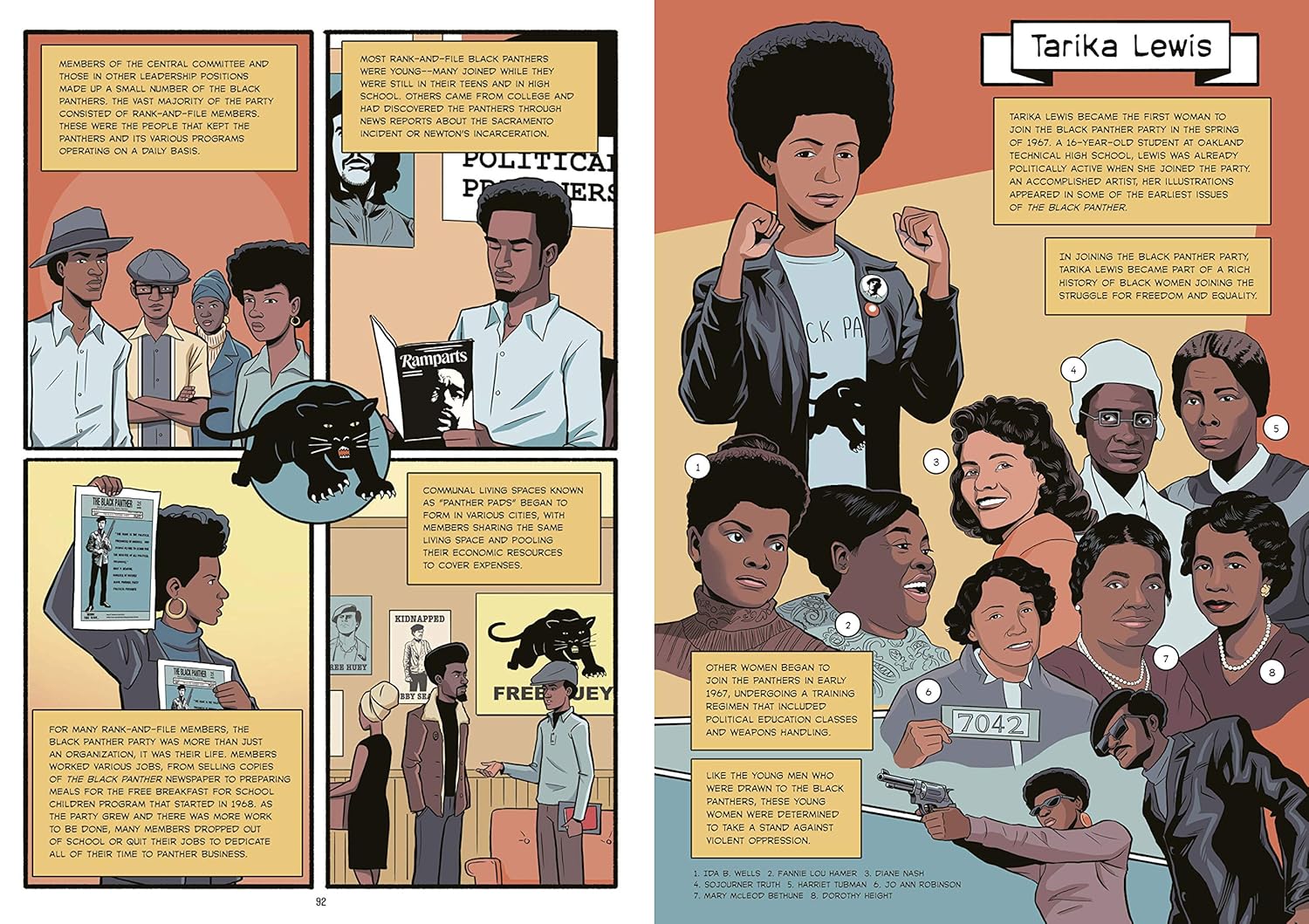
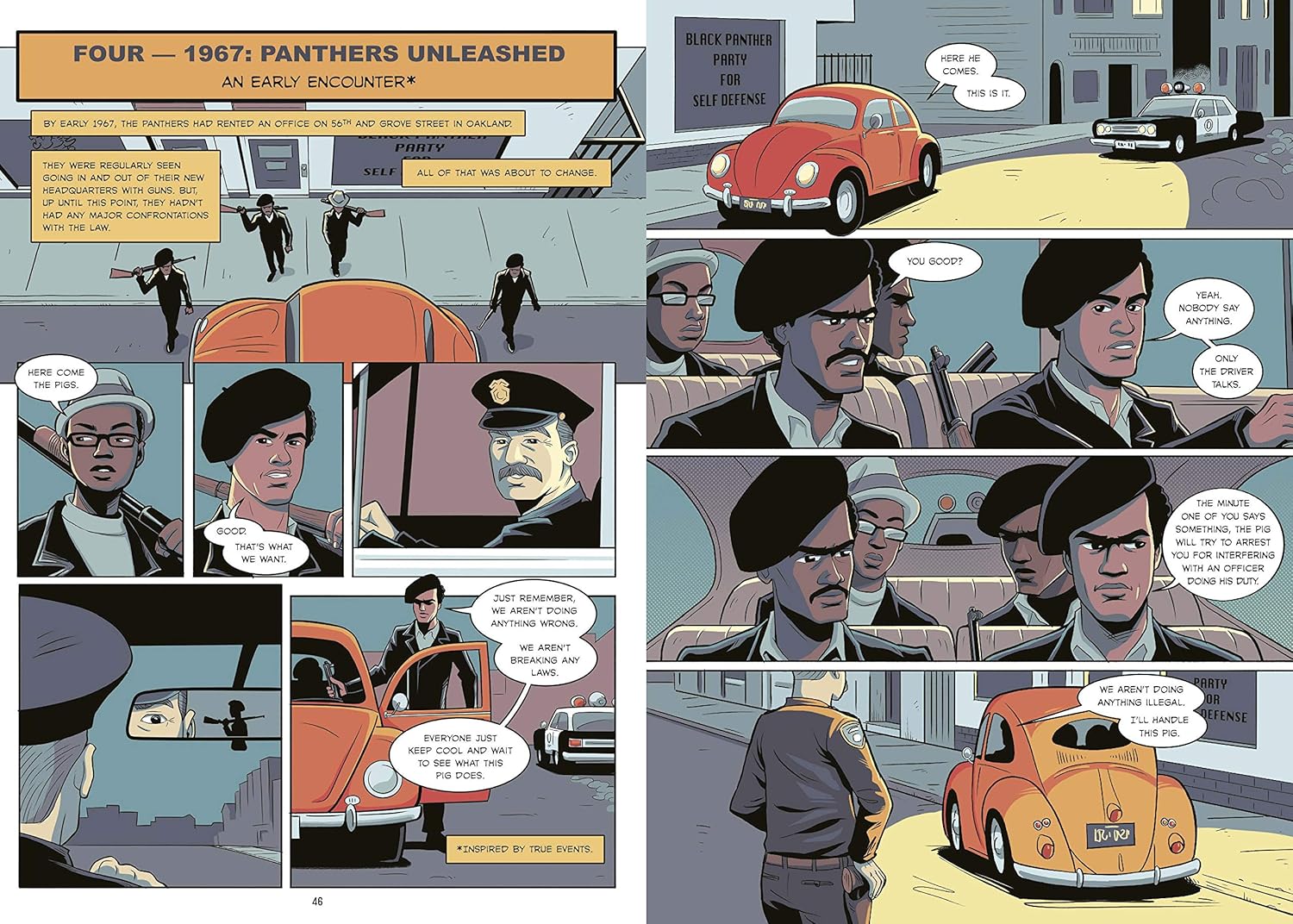
The Black Panther Party: A Graphic Novel History, by David F. Walker (Author), Marcus Kwame Anderson (Illustrator), with RBG| FBI_COINTELPRO Video Education Player

WINNER OF THE EISNER AWARD • “A bold and fascinating graphic novel history of the revolutionary Black Panther Party.”


Founded in Oakland, California, in 1966, the Black Panther Party for Self-Defense was a radical political organization that stood in defiant contrast to the mainstream civil rights movement. This gripping illustrated history explores the impact and significance of the Panthers, from their social, educational, and healthcare programs that were designed to uplift the Black community to their battle against police brutality through citizen patrols and frequent clashes with the FBI, which targeted the Party from its outset.

Using dramatic comic book-style retellings and illustrated profiles of key figures, The Black Panther Party captures the major events, people, and actions of the party, as well as their cultural and political influence and enduring legacy.

The Black Panther Party: A Graphic Novel History, by David F. Walker (Author), Marcus Kwame Anderson (Illustrator)

Pop the document out from the upper right to read / expand / download.

RBG| FBI_COINTELPRO Video Education Player

8 Video Playlist

Learn more in RBG Communiversity Knowledge Media eLibrary: