“Ghosts in Our Blood: With Malcolm X in Africa, England, and the Caribbean” by Jan R. Carew eBook and Audiobok, with Minister Malcolm X Select Teachings Video Player

ICEBREAKER Video: Malcolm X Oxford Union Debate, Dec 3 1964

Book Summary

“Ghosts in Our Blood: With Malcolm X in Africa, England, and the Caribbean” by Jan R. Carew is a compelling memoir that chronicles the life and experiences of Malcolm X during his travels in Africa, England, and the Caribbean. The book provides a unique perspective on Malcolm’s journey of self-discovery and his evolving political and social beliefs. Carew, who was a close associate of Malcolm X, offers insights into the influential figures he encountered, the cultural exchanges he experienced, and the broader implications of his activism.

The following outline captures Malcolm’s vision for global Black empowerment, his commitment to social justice, and the legacy he left behind as written in the book.

Outline

I. Introduction

  • A. Overview of Malcolm X’s significance in the civil  and human rights movements
  • B. Purpose of the memoir and its connection to Malcolm’s journey
  • C. Brief introduction to Jan R. Carew and his relationship with Malcolm X

II. Early Life and Background

  • A. Malcolm X’s upbringing and formative experiences
  • B. The impact of race and identity on Malcolm’s worldview
  • C. Introduction to Carew’s background and perspective

III. Malcolm’s Travels in Africa

  • A. Arrival in Africa and initial impressions
    • Reactions to African culture and society
  • Encounters with African leaders and activists
  • B. Exploration of Pan-Africanism
  • Malcolm’s engagement with the ideals of unity and self-determination
  • Impact of African independence movements on Malcolm’s thinking

IV. Experiences in England

  • A. Malcolm’s visit to England and interactions with British audiences
    • Speaking engagements and public reception
  • Reflections on race relations in the UK
  • B. Discussion of global solidarity among Black communities
  • Connections with British activists and intellectual
  • The influence of international perspectives on Malcolm’s views

V. The Caribbean Journey

  • A. Malcolm’s travels throughout the Caribbean
    • Cultural exchanges and connections with Caribbean leaders
  • Exploration of colonial legacies and struggles for independence
  • B. Insights into the Caribbean diaspora and identity
  • Malcolm’s reflections on shared experiences of oppression
  • The importance of collective action for liberation

VI. Malcolm’s Evolving Political Philosophy

  • A. Transformation of Malcolm’s beliefs during his travels
    • Embracing broader notions of human rights
  • Shifts in perspective on race and identity
  • B. Influence of global events on Malcolm’s activism
  • Responses to anti-colonial movements and global injustices
  • The emergence of a more inclusive vision for social justice

VII. Legacy of Malcolm X

  • A. The impact of Malcolm’s travels on his legacy
    • Lasting influence on the civil rights movement and beyond
  • Continued relevance of Malcolm’s ideas in contemporary discussions
  • B. Carew’s reflections on Malcolm’s enduring spirit
  • Personal anecdotes and memories of Malcolm
  • The significance of preserving Malcolm’s legacy for future generations

VIII. Conclusion

  • A. Summary of key themes and insights from the memoir
  • B. Reflection on the importance of Malcolm X’s journey
  • C. Call to action for continued activism and social change

“Ghosts in Our Blood: With Malcolm X in Africa, England, and the Caribbean” is a powerful memoir that offers a unique perspective on the life and legacy of Malcolm X during a pivotal time in his journey. Through Carew’s firsthand experiences and reflections, the book highlights the global dimensions of Malcolm’s activism and the importance of solidarity among Black communities. By exploring Malcolm’s travels and evolving beliefs, the memoir serves as both a tribute to his impact and a call for continued commitment to social justice and empowerment.

“Ghosts in Our Blood: With Malcolm X in Africa, England, and the Caribbean” is a significant work that not only chronicles the experiences of Malcolm X but also provides profound insights into his evolving worldview during a transformative period in his life. Here’s a more detailed exploration of the book’s themes, context, and significance:

Detailed Exploration of Key Themes

1. Malcolm X’s Global Perspective

  • Internationalism: One of the central themes of the book is Malcolm X’s growing understanding of internationalism and Pan-Africanism. His travels to Africa, England, and the Caribbean exposed him to anti-colonial movements and the struggles of people of African descent around the world. This broadened his perspective on race, identity, and the fight against oppression.
  • Solidarity Among Black Communities: Carew emphasizes the connections Malcolm made with various leaders and activists during his travels. These relationships highlighted the importance of solidarity among Black communities globally, reinforcing Malcolm’s belief that struggles for liberation were interconnected.

2. Cultural Exchanges and Identity

  • Cultural Appreciation: Throughout his travels, Malcolm X engaged with various cultures, which enriched his understanding of African heritage and identity. He was deeply moved by the rich histories and traditions he encountered, leading him to appreciate the cultural roots of the African diaspora.
  • Reflections on Identity: Malcolm’s experiences prompted him to reflect on his own identity and the complexities of being a Black man in America. His encounters with diverse communities allowed him to see the shared experiences of oppression and resilience among people of African descent, fostering a sense of unity.

3. Transformation of Political Philosophy

  • Evolution of Beliefs: Carew captures Malcolm’s transformation from a more nationalistic perspective to one that embraced broader human rights issues. His travels influenced his views on race relations, moving towards a more inclusive ideology that recognized the struggles of all oppressed people, not just those in the U.S.
  • Influence of Global Events: The book details how significant global events, such as the independence movements in Africa and the civil rights struggles in the Caribbean, shaped Malcolm’s thinking. He began to frame his activism within a larger context of global justice and human rights.

4. Legacy and Impact

  • Enduring Influence: Carew discusses the lasting impact of Malcolm X’s travels and his philosophy on contemporary social justice movements. Malcolm’s ideas about empowerment, self-determination, and the importance of grassroots activism continue to resonate today.
  • Personal Reflections: Through anecdotes and personal memories, Carew provides a humanizing portrait of Malcolm X. He reflects on their conversations, Malcolm’s charisma, and his commitment to justice, contributing to a deeper understanding of Malcolm as a person and a leader.

Contextual Significance

  • Historical Context: The book situates Malcolm X within the broader historical context of the civil rights movement and global struggles against colonialism. Understanding the geopolitical landscape of the 1960s enhances the reader’s appreciation of the challenges and opportunities Malcolm faced during his travels.
  • Cultural and Political Climate: Carew’s narrative also reflects the cultural and political climate of the time, including the rise of nationalism in Africa and the Caribbean. This context is crucial for understanding how Malcolm’s experiences shaped his ideology and activism.

Conclusion

“Ghosts in Our Blood: With Malcolm X in Africa, England, and the Caribbean” by Jan R. Carew is a poignant and illuminating memoir that captures a vital period in Malcolm X’s life. It highlights his transformation, the depth of his political philosophy, and his commitment to global solidarity among oppressed peoples. Carew’s insights and personal reflections provide a unique perspective on Malcolm’s legacy, making the book an essential read for those interested in civil rights, history, and the ongoing struggle for social justice. It serves not only as a tribute to Malcolm X but also as a call for continued activism in the pursuit of equity and liberation.

“Ghosts in Our Blood: With Malcolm X in Africa, England, and the Caribbean” eBook

Pop the documents out from the upper right to read / expand / download.

“Ghosts in Our Blood: With Malcolm X in Africa, England, and the Caribbean” Audiobook

Minister Malcolm X Select Teachings Video Player

25 Video Playlist

RBG Communiversity eLibrary: Minister Malcolm X “A Comprehensive Achieve” Folder

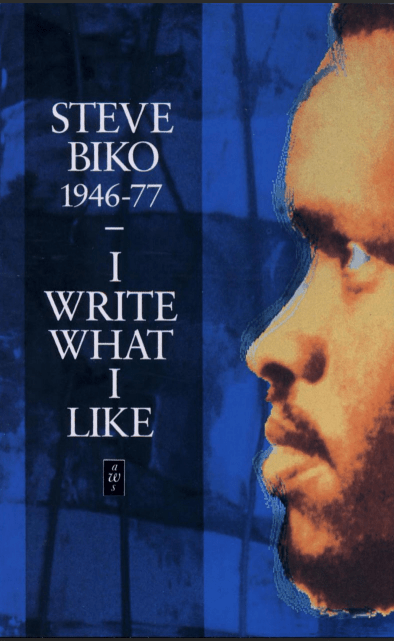
“I Write What I Like” by Steve Biko_eBook and Audiobook, with African Biographics_Steve Biko: The African Revolutionary, Why was he Killed?

Steve Biko was a South African anti-apartheid activist and leader of the Black Consciousness Movement. He was killed in 1977 for his activism. Known as the “Father of Black Consciousness”.

Book Summary

“I Write What I Like” by Steve Biko is a collection of writings that reflect Biko’s thoughts on race, identity, and the struggle against apartheid in South Africa. Here’s a bullet point narrative summarizing its key themes and ideas:

  • Background and Context: The book is set against the backdrop of apartheid in South Africa, highlighting the systemic oppression faced by black South Africans.
  • Black Consciousness: Biko emphasizes the importance of self-awareness and pride among black people, advocating for a movement that fosters dignity and identity.
  • Critique of Racism: Biko critiques both the institutionalized racism of the apartheid regime and the passive acceptance of oppression by the black community.
  • Empowerment through Education: He argues that education should be a tool for empowerment, encouraging black people to understand their history and culture.
  • Rejection of Passive Resistance: Biko promotes active resistance against oppression rather than passive acceptance, urging black individuals to fight for their rights.
  • Unity and Solidarity: The writings stress the need for unity among black South Africans to combat the divisive tactics of the apartheid government.
  • Personal Narrative: Biko shares his own experiences and reflections, providing insight into his motivations and the struggles he faced.
  • Legacy of Resistance: The book serves as a call to action, inspiring future generations to continue the fight for equality and justice.
  • Impact of Biko’s Philosophy: His ideas laid the groundwork for the Black Consciousness Movement, influencing both local and international perspectives on racial equality.

Here’s a deeper exploration of the themes and significance of “I Write What I Like”:

In-Depth Themes and Concepts

  • Black Consciousness Movement:
    • Biko was a key figure in the Black Consciousness Movement, which sought to instill a sense of pride and identity among black South Africans. He believed that psychological liberation was essential for political freedom. The movement encouraged black individuals to reject the inferiority imposed by the apartheid system and to embrace their heritage.
  • Critique of Apartheid:
    • The writings expose the inhumane conditions and injustices inflicted by apartheid. Biko critiques not only the policies of the apartheid government but also the complicity of white South Africans who benefited from the system. He argues that true change requires acknowledging and addressing these injustices.
  • Philosophy of Self-Identification:
    • Biko emphasizes the importance of self-definition and self-identity. He argues that black people must define themselves and their aspirations, rather than allowing others to dictate their identities. This concept is vital for personal and collective empowerment.
  • Role of Education:
    • Education is portrayed as a double-edged sword. While it can be a means of liberation, Biko also critiques the education system for perpetuating colonial values and failing to address the realities faced by black individuals. He advocates for an education that is relevant and empowering, rooted in African history and culture.
  • Active Resistance:
    • Biko calls for a more proactive approach to resistance, pushing against the notion of passive acceptance. He believes that change will only come through active engagement and confrontation of oppressive forces, inspiring a generation to stand up for their rights.

Historical Significance

  • Influence on Future Movements:
    • Biko’s ideas and writings have had a lasting impact, influencing not only the anti-apartheid struggle but also civil rights movements globally. His emphasis on self-identity and empowerment resonates with various movements advocating for racial justice and equality.
  • Martyrdom and Legacy:
    • Biko’s tragic death in police custody in 1977 turned him into a martyr for the anti-apartheid cause. His writings gained renewed attention posthumously, further solidifying his legacy as a symbol of resistance and the fight for justice.

Personal Reflections

  • Narrative Style:
    • The book combines essays, letters, and speeches, offering a personal glimpse into Biko’s thoughts and experiences. This narrative style makes the work both accessible and compelling, allowing readers to connect with his ideas on a deeper level.
  • Call to Action:
    • Ultimately, “I Write What I Like” serves as a powerful call to action for individuals to take ownership of their identities and work collectively towards a more just and equitable society.

Biko’s writings continue to inspire discussions around race, identity, and social justice, making “I Write What I Like” a vital work in understanding the complexities of the struggle against apartheid and the broader fight for human rights.

“I Write What I Like” by Steve Biko_eBook

Pop the documents out from the upper right to read / expand / download.

“I Write What I Like” by Steve Biko_Audiobook

Steve Biko: The African Revolutionary, Why was he Killed? From: African Biographics

Learm more in RBG Communiversity Knowledge Media eLibrary:

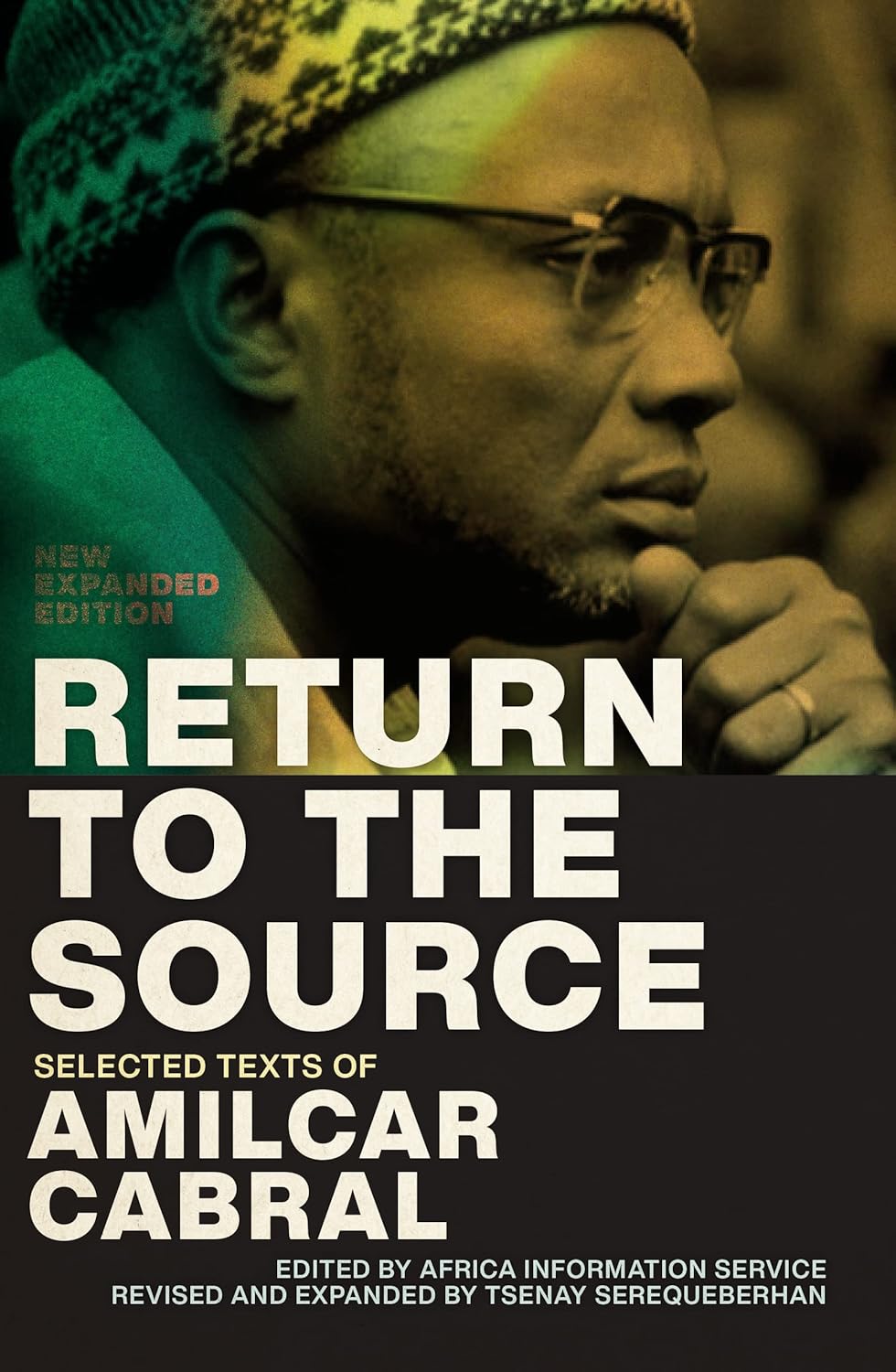
Return to the Source: Selected Texts of Amilcar Cabral_eBook and Audiobook, with Amílcar Cabral The African Revolutionary, Killed by Portugal (Mini-Doc.)

Book Summary

“Return to the Source: Selected Texts of Amilcar Cabral” is a compilation of writings by the influential African revolutionary leader, Amilcar Cabral, who played a pivotal role in the struggle for independence in Guinea-Bissau and Cape Verde. Edited by Tsenay Serequeberhan, the expanded edition released on April 1, 2023, presents a curated selection of Cabral’s texts that reflect his thoughts on colonialism, nationalism, culture, and the importance of revolutionary consciousness. This collection not only highlights Cabral’s contributions to anti-colonial thought but also emphasizes the relevance of his ideas in contemporary struggles for social justice and liberation. The book serves as a vital resource for understanding Cabral’s vision of a liberated Africa and the theoretical foundations of his political activism.

  • Introduction
    • Overview of the book’s significance and objectives
    • Introduction to Amilcar Cabral’s life and legacy
    • Discussion of the editor’s contributions and the purpose of this expanded edition
  • 1: Theoretical Foundations of Cabral’s Thought
    • Exploration of Cabral’s philosophical perspectives on colonialism and imperialism
    • Analysis of his concepts of culture, identity, and nationalism
    • Discussion of the role of historical materialism in Cabral’s framework
  • 2: Colonialism and Its Effects
    • Examination of the impact of colonial rule on African societies
    • Analysis of the psychological and cultural dimensions of colonialism
    • Discussion of Cabral’s critique of colonial power and its economic exploitation
  • 3: The Role of Culture in the Liberation Struggle
    • Exploration of Cabral’s views on the importance of culture in revolutionary movements
    • Analysis of how cultural identity contributes to national consciousness and unity
    • Discussion of the relationship between culture and the struggle for liberation
  • 4: National Liberation and Revolutionary Strategy
    • Examination of Cabral’s strategies for achieving national independence
    • Analysis of the importance of grassroots organizing and popular participation
    • Discussion of the role of the military and armed struggle in the liberation movement
  • 5: Internationalism and Solidarity
    • Exploration of Cabral’s vision of international solidarity among oppressed peoples
    • Analysis of the connections between African liberation and global anti-colonial movements
    • Discussion of Cabral’s engagement with global revolutionary thought
  • 6: Reflections on Post-Colonial Challenges
    • Examination of the challenges faced by newly independent nations
    • Analysis of Cabral’s insights into the pitfalls of post-colonial governance
    • Discussion of the need for ongoing vigilance and revolutionary commitment
  • Conclusion
    • Summary of key themes and insights from Cabral’s writings
    • Reflection on the enduring relevance of Cabral’s thought in contemporary struggles
    • Call to action for readers to engage with Cabral’s ideas in their own contexts

Significance of the Book

“Return to the Source” is an essential text for anyone interested in anti-colonial thought, African history, and revolutionary politics. Amilcar Cabral’s writings provide a nuanced understanding of the complexities of colonialism and the necessity of cultural and political liberation. This expanded edition not only preserves Cabral’s legacy but also makes his ideas accessible to new generations of activists and scholars. By highlighting the importance of culture, identity, and grassroots participation, the book serves as a powerful reminder of the ongoing struggles for justice and equality in the post-colonial world. Cabral’s vision of a liberated Africa continues to inspire movements for social change, making this collection a vital resource for understanding the foundations of contemporary anti-colonial thought.

“Return to the Source: Selected Texts of Amilcar Cabral” is a significant compilation that encapsulates the revolutionary spirit and profound insights of Amilcar Cabral, one of Africa’s foremost anti-colonial leaders and thinkers. The book serves not only as a tribute to Cabral’s intellectual legacy but also as a crucial resource for understanding the dynamics of colonialism, nationalism, and cultural identity in the context of the African liberation struggle. Here’s a deeper exploration of Cabral’s contributions, themes, and the implications of his work:

Key Themes and Contributions

  1. Anti-Colonial Struggle
    • Cabral is best known for his leadership in the fight for independence in Guinea-Bissau and Cape Verde from Portuguese colonial rule. His writings provide an analytical framework for understanding the mechanisms of colonial domination and the necessity of armed struggle as a means of liberation.
    • He emphasizes that colonialism is not merely a political or economic system but also a cultural and psychological one that requires a comprehensive response from the colonized.
  2. Cultural Identity and National Consciousness
    • One of Cabral’s central arguments is that a strong sense of cultural identity is essential for the success of liberation movements. He asserts that culture is not static; rather, it evolves in response to the struggles and aspirations of a people.
    • Cabral stresses the importance of reclaiming African cultural heritage and integrating it into the national consciousness to foster unity and resilience among the oppressed.
  3. The Role of the Masses
    • Cabral advocates for the involvement of the masses in the liberation process. He believes that genuine revolutionary movements must be rooted in the people’s struggles and aspirations.
    • He highlights the importance of education and political consciousness among the populace, arguing that empowering ordinary people is crucial for sustaining the struggle for independence and justice.
  4. Internationalism and Solidarity
    • Cabral was a strong proponent of internationalism, recognizing that the struggles of oppressed peoples worldwide are interconnected. He emphasizes the need for solidarity among liberation movements across Africa and beyond.
    • He engaged with global revolutionary thought, drawing connections between the anti-colonial struggle in Africa and broader movements for social justice, socialism, and equality.
  5. Critique of Post-Colonial Governance
    • In his reflections on the challenges faced by newly independent nations, Cabral warns against the pitfalls of neo-colonialism and the betrayal of revolutionary ideals by emerging elites.
    • He stresses the necessity of maintaining a revolutionary spirit and commitment to the people’s welfare, cautioning against the complacency that can arise after achieving formal independence.

Implications of Cabral’s Thought

  • Relevance to Contemporary Struggles
    • Cabral’s ideas remain highly relevant today, as many countries continue to grapple with the legacies of colonialism, economic exploitation, and social injustice. His insights into the importance of cultural identity and grassroots participation resonate with contemporary movements advocating for equity and justice.
    • Movements for social change, environmental justice, and economic rights can draw inspiration from Cabral’s emphasis on the need for a collective struggle rooted in the lived experiences of the oppressed.
  • Cultural and Psychological Liberation
    • Cabral’s work highlights the significance of cultural reclamation in the process of decolonization. This aspect of his thought is particularly important for communities seeking to restore their cultural heritage and affirm their identities in the face of globalization and cultural homogenization.
    • His focus on psychological liberation underscores the importance of addressing the internalized effects of colonialism, encouraging individuals to reclaim their self-worth and agency.
  • Educational Initiatives
    • Cabral’s advocacy for education as a tool for empowerment can inform contemporary educational initiatives aimed at fostering critical consciousness among young people. His ideas encourage the integration of local histories, cultures, and struggles into educational curricula, promoting a more inclusive and relevant understanding of history.

Conclusion

“Return to the Source” is a vital resource for anyone interested in understanding the complexities of anti-colonial thought and the ongoing struggles for liberation and justice in Africa and beyond. Amilcar Cabral’s writings provide a profound analysis of the interplay between culture, identity, and politics, offering insights that continue to inspire activists and scholars alike. By emphasizing the importance of cultural identity, the role of the masses, and international solidarity, Cabral’s legacy endures as a powerful call to action in the pursuit of social and political change. The expanded edition of this collection ensures that his ideas remain accessible and relevant for future generations committed to the fight against oppression.

Return to the Source_eBook (NEW EXPANDED EDITION)

Pop the document out from the upper right to read / expand / download.

Return to the Source_Audiobook

Amílcar Cabral The African Revolutionary, Killed by Portugal (Mini-Doc.)

Learn more in RBG Communiversity Knowledge Media eLibrary:

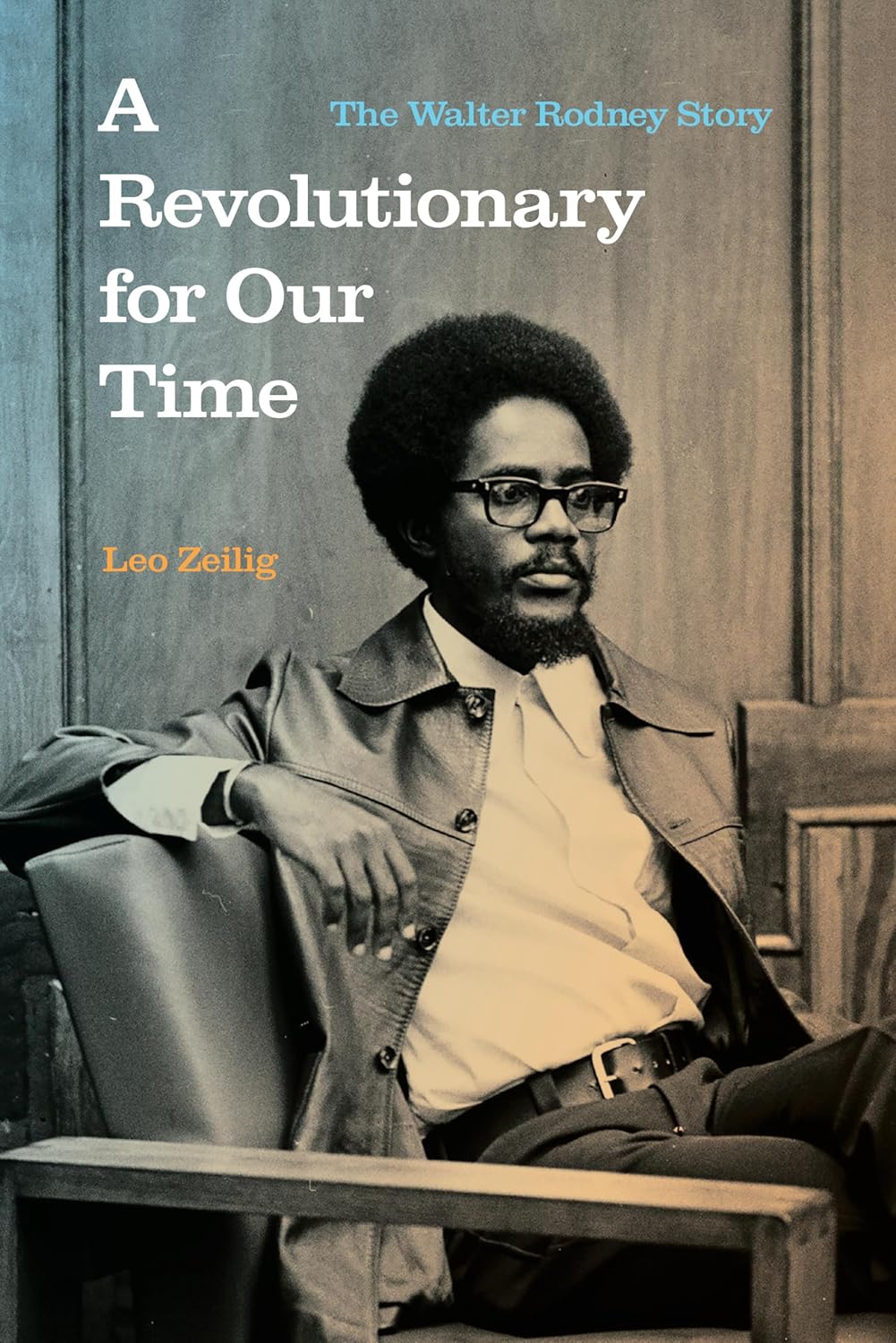
A Revolutionary for Our Time: The Walter Rodney Story by Leo Zeilig_eBook and Audiobook, with HAP 123-History Teaches Us- Walter Rodney

Book Summary

A Revolutionary for Our Time: The Walter Rodney Story by Leo Zeilig is a biography that delves into the life and legacy of Walter Rodney, a prominent Guyanese historian, political activist, and revolutionary. The book highlights Rodney’s contributions to Caribbean intellectual thought, his critiques of colonialism and imperialism, and his dedication to social justice and the empowerment of the oppressed. Through Rodney’s story, Zeilig explores broader themes of race, class, and resistance in the Caribbean, as well as the impact of Rodney’s work on contemporary movements for social change.

Key Themes and Historical Context:

  1. Introduction to Walter Rodney
    • Overview of Rodney’s significance in Caribbean history
    • Brief introduction to his early life and background
  2. Early Life and Education
    • Rodney’s upbringing in British Guiana
    • Educational experiences and early influences
    • Development of his political consciousness
  3. Academic Career and Historical Contributions
    • Rodney’s work as a historian and scholar
    • Key publications and their impact (e.g., “How Europe Underdeveloped Africa”)
    • Methodological approaches and critiques of traditional historiography
  4. Political Activism and Leader of the People’s Movement
    • Involvement in political movements in Guyana
    • Formation of the Working People’s Alliance (WPA)
    • Advocacy for the rights of marginalized communities
  5. Colonialism and Imperialism
    • Rodney’s critique of colonial structures
    • Analysis of the effects of colonialism on Caribbean societies
    • Advocacy for decolonization and self-determination
  6. Exile and International Influence
    • Rodney’s experiences of exile and its impact on his work
    • Connections with other revolutionary movements in the Caribbean and globally
    • Participation in international forums and discussions
  7. Legacy and Impact
    • Rodney’s influence on subsequent generations of activists and scholars
    • The continuing relevance of his ideas in contemporary struggles
    • Commemoration of Rodney’s life and work in cultural memory
  8. Conclusion
    • Reflection on Walter Rodney’s contributions as a revolutionary thinker
    • The importance of his legacy in the fight for social justice and equality

A Revolutionary for Our Time: The Walter Rodney Story_eBook

Walter Rodney was a scholar, working class militant, and revolutionary from Guyana. Strongly influenced by Marxist ideas, he remains central to radical Pan-Africanist thought for large numbers of activists’ today. Rodney lived through the failed –though immensely hopeful -socialist experiments in the 1960s and 1970s, in Tanzania and elsewhere. The book critically considers Rodney’s contribution to Marxist theory and history, his relationship to dependency theory and the contemporary significance of his work in the context of movements and politics today. The first full-length study of Rodney’s life, this book is an essential introduction to Rodney’s work.

Pop the document out from the upper right to read / expand / download.

A Revolutionary for Our Time: The Walter Rodney Story_Audiobook

Part 1

Part 2

HAP 123-History Teaches Us- Walter Rodney

Learn more in RBG Communiversity Knowledge Media eLibrary:

Capitalism and Slavery by Eric Williams_eBook and Audiobook, with Capitalism and Slavery – Eric William – 75 Years Later- 2 Day Symposium

Book Summary

“Capitalism and Slavery” by Eric Williams is a seminal work that investigates the relationship between the rise of capitalism in Europe and the system of slavery in the Americas. Williams argues that the profits derived from the slave trade and plantation economies were instrumental in fueling the growth of European capitalism, particularly in Britain. The book challenges conventional historical narratives that separate economic development from the exploitation of enslaved people, highlighting how slavery was not only a moral issue but also a critical economic factor in the development of modern capitalism. Williams’ analysis underscores the interconnectedness of race, economics, and history, making a significant contribution to the study of both slavery and economic history.

Essential Themes and Arguments:

  1. Introduction
    • Overview of the book’s objectives and significance
    • Introduction to the central thesis linking capitalism and slavery
    • Contextualization of the historical period under discussion
  2. The Economic Foundations of Slavery
    • Analysis of the economic motivations behind the transatlantic slave trade
    • The role of sugar and other cash crops in the Caribbean economy
    • Examination of the financial networks that supported the slave trade
  3. The Impact of Slavery on British Capitalism
    • Discussion of how profits from slavery contributed to British industrialization
    • Examination of the relationship between slave-derived wealth and British economic growth
    • Analysis of the investment in infrastructure and industry enabled by slave profits
  4. Political and Social Implications
    • Exploration of the political considerations surrounding slavery and abolition
    • Discussion of the social tensions and class struggles linked to the slave economy
    • Examination of the role of enslaved people in resisting their oppression
  5. Abolition and Its Consequences
    • Analysis of the abolition movement and its economic implications
    • Discussion of the motivations behind abolition, including economic shifts
    • Examination of the effects of abolition on both the colonies and Britain
  6. Racial Ideologies and Economic Interests
    • Exploration of how racial theories justified slavery and exploitation
    • Discussion of the intersection of race and economics in shaping societal views
    • Examination of the legacy of these ideologies in contemporary society
  7. Legacy of Slavery in Modern Capitalism
    • Reflection on the long-term economic effects of slavery on global capitalism
    • Discussion of the continued inequalities stemming from historical exploitation
    • Analysis of how understanding this legacy informs current socio-economic debates
  8. Conclusion
    • Summary of key themes and arguments presented throughout the book
    • Final reflections on the importance of recognizing the ties between capitalism and slavery
    • Call for a reevaluation of historical narratives regarding slavery and economic development

Capitalism and Slavery by Eric Williams_eBook

Slavery helped finance the Industrial Revolution in England. Plantation owners, shipbuilders, and merchants connected with the slave trade accumulated vast fortunes that established banks and heavy industry in Europe and expanded the reach of capitalism worldwide. Eric Williams advanced these powerful ideas in Capitalism and Slavery, published in 1944. Years ahead of its time, his profound critique became the foundation for studies of imperialism and economic development. Binding an economic view of history with strong moral argument, Williams’s study of the role of slavery in financing the Industrial Revolution refuted traditional ideas of economic and moral progress and firmly established the centrality of the African slave trade in European economic development. He also showed that mature industrial capitalism in turn helped destroy the slave system. Establishing the exploitation of commercial capitalism and its link to racial attitudes, Williams employed a historicist vision that set the tone for future studies. In a new introduction, Colin Palmer assesses the lasting impact of Williams’s groundbreaking work and analyzes the heated scholarly debates it generated when it first appeared.

Pop the document out from the upper right to read / expand / download.

Capitalism and Slavery by Eric Williams_Audiobook

Capitalism and Slavery – Eric William – 75 Years Later- 2 Day Symposium

The CARICOM Reparations Commission in collaboration with the UWI Centre for Reparation Research and the Faculty of Humanities and Education at the UWI St. Augustine Campus is hosting an academic symposium to commemorate the 75th year of the publication of Eric Williams’ Capitalism and Slavery on the 13th November 2019. The themes to be discussed include: • Williams’ Caribbean Vision • The Profits from Enslavement (16th – 19th Century) • Impact of Capitalism and Slavery on the world today (21st Century) • Capitalism and Slavery and Reparations • Capitalism and Slavery – Global Connections • Decolonising Caribbean History At this symposium, we seek to gather scholars, intellectuals, corporate interest groups, artists, and activists to join us to examine the impact of Eric Williams and his work on the contemporary Caribbean and wider world. This symposium will also provide an opportunity to discuss his legacy with the next generation of leaders and intellectuals. Such commemorative activities are taking place all over the world. Symposiums will be held in Britain and the United States. We are adding the Caribbean’s voice through this symposium at the UWI.

14 Video Playlist

Learn more in RBG Communiversity Knowledge Media eLibrary: