
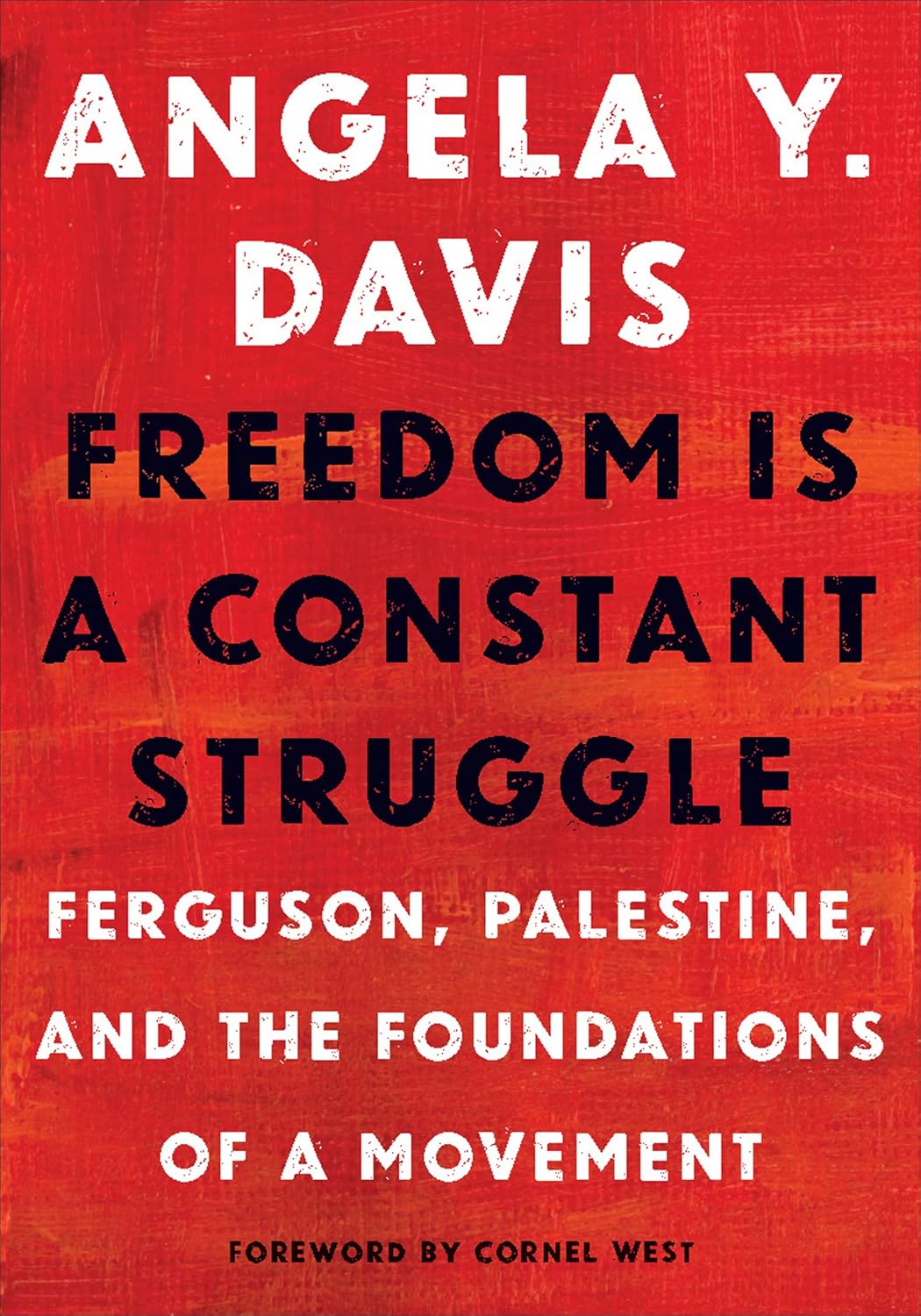


“Freedom Is a Constant Struggle”_Book Summary
“Freedom Is a Constant Struggle: Ferguson, Palestine, and the Foundations of a Movement” by Angela Y. Davis is a powerful collection of essays and speeches that explores the intersections of social justice movements, particularly focusing on the struggles against racial oppression in the United States and the Palestinian struggle for liberation. Davis draws connections between the experiences of marginalized communities, emphasizing the global nature of resistance against systemic injustice. Through her analysis, she highlights the importance of solidarity, intersectionality, and the need for a comprehensive understanding of freedom that transcends borders. The book serves as a call to action for activists and allies to unite in the fight for justice and equality.
The outline that follows captures the main themes and structure of “Freedom Is a Constant Struggle,” highlighting Angela Y. Davis’s critical analysis of contemporary social justice movements and her call for solidarity in the fight against oppression. The book serves as an important resource for understanding the interconnectedness of struggles for liberation and the necessity of collective action in achieving social justice.
I. Introduction
- Overview of the book’s purpose: to connect struggles for liberation across different contexts
- Introduction to Angela Y. Davis and her role as a prominent activist and scholar
- The significance of examining the intersections of race, class, and gender in social movements
II. Historical Context of Struggles
- Examination of the historical roots of racial oppression in the United States
- Overview of the Palestinian struggle for self-determination and liberation
- Discussion of the global context of colonialism and its impact on marginalized communities
III. The Ferguson Uprising
- Analysis of the events surrounding the Ferguson protests following the shooting of Michael Brown
- Exploration of the role of grassroots organizing and community response to police violence
- Connection between the Ferguson movement and broader Black Lives Matter activism
IV. Solidarity with Palestine
- Examination of the parallels between the struggles of Black Americans and Palestinians
- Discussion of the Boycott, Divestment, Sanctions (BDS) movement and its significance
- The importance of international solidarity in the fight against oppression
V. Intersectionality in Activism
- Analysis of the importance of intersectionality in understanding social justice movements
- Exploration of how race, gender, class, and sexuality intersect in the struggle for liberation
- The role of women and LGBTQ+ individuals in movements for social change
VI. The Role of Education and Consciousness
- Discussion of the importance of political education and consciousness-raising in activism
- The need for critical engagement with history and current events to inform movement-building
- The role of art, culture, and literature in inspiring and mobilizing communities
VII. Reflections on the Future of Movement-Building
- Insights into the potential for transformative change through collective action
- The importance of maintaining momentum and solidarity among diverse movements
- A vision for a more just and equitable future, grounded in the principles of freedom and liberation
VIII. Conclusion
- Summary of key themes and insights from the book
- Reflection on the ongoing struggles for justice and the interconnectedness of movements
- A call to action for readers to engage in the fight for freedom and equality across borders
“Freedom Is a Constant Struggle: Ferguson, Palestine, and the Foundations of a Movement” by Angela Y. Davis is a profound exploration of the connections between various social justice movements, particularly the struggles against systemic racism in the United States and the fight for Palestinian liberation. Through a series of essays and speeches, Davis articulates her vision of a world where freedom and justice are accessible to all, emphasizing the importance of solidarity and collective action.
Key Themes and Insights
- Interconnected Struggles:
- Davis draws parallels between the struggles of Black Americans and Palestinians, highlighting how both groups face systemic oppression and violence rooted in colonialism and racism. She argues that understanding these connections is crucial for building a robust movement for justice.
- The book emphasizes that the fight for freedom is not confined by national borders; rather, it is a global struggle against various forms of oppression.
- Ferguson and the Black Lives Matter Movement:
- In her analysis of the Ferguson uprising, which followed the police shooting of Michael Brown, Davis discusses the grassroots organizing that emerged in response to state violence. She highlights the significance of the Black Lives Matter movement as a contemporary expression of the ongoing fight against racial injustice.
- Davis emphasizes the need for sustained activism and community engagement to combat police brutality and systemic racism.
- Solidarity with Palestine:
- Davis advocates for solidarity with the Palestinian struggle, articulating the importance of the Boycott, Divestment, Sanctions (BDS) movement as a means of resisting Israeli occupation and advocating for Palestinian rights.
- She argues that recognizing the parallels between the experiences of Black Americans and Palestinians can strengthen solidarity efforts and amplify voices fighting for liberation.
- Intersectionality:
- A significant theme in Davis’s work is the concept of intersectionality, which examines how various social identities (race, gender, class, and sexuality) intersect and impact individuals’ experiences of oppression.
- Davis highlights the vital contributions of women and LGBTQ+ individuals to social justice movements, advocating for an inclusive approach that recognizes the diverse experiences within marginalized communities.
- Political Education and Consciousness:
- Davis underscores the importance of political education in fostering a critical consciousness among activists. She believes that understanding history, systemic oppression, and current events is essential for effective movement-building.
- The role of art, culture, and literature in inspiring and mobilizing communities is also emphasized, as these mediums can be powerful tools for raising awareness and fostering solidarity.
- Vision for the Future:
- In her reflections on the future of social justice movements, Davis expresses hope for transformative change through collective action and solidarity. She envisions a world where liberation is not just a dream but a reality for all oppressed people.
- The book concludes with a call to action, urging readers to engage in the ongoing fight for justice and to recognize their roles as allies in various struggles for liberation.
Conclusion
“Freedom Is a Constant Struggle” is a vital contribution to contemporary discussions about social justice, activism, and solidarity. Angela Y. Davis’s eloquent and insightful analysis encourages readers to recognize the interconnectedness of struggles for liberation and to engage actively in the fight against oppression. By drawing on her extensive experience as an activist, scholar, and thinker, Davis provides a framework for understanding the complexities of social justice movements and the importance of collective action.
The book serves as both an educational resource and a rallying cry for those committed to social change, emphasizing that the pursuit of freedom is a continuous journey that requires dedication, solidarity, and a deep understanding of the struggles faced by marginalized communities worldwide.


Freedom Is a Constant Struggle_eBook
Angela Y. Davis’s “Freedom Is a Constant Struggle” serves as both a historical account and a manifesto for contemporary resistance, urging readers to recognize the interconnections between various social justice movements and to work collectively towards a more just world
Pop the documents out from the upper right to read / expand / download.
Freedom Is a Constant Struggle_Audiobook
Audio start with Forward and corresponds to page 8 of the above Reader.

ORIGINAL_Gil Scott-Heron – “The Revolution Will Not Be Televised” – w-Lyrics
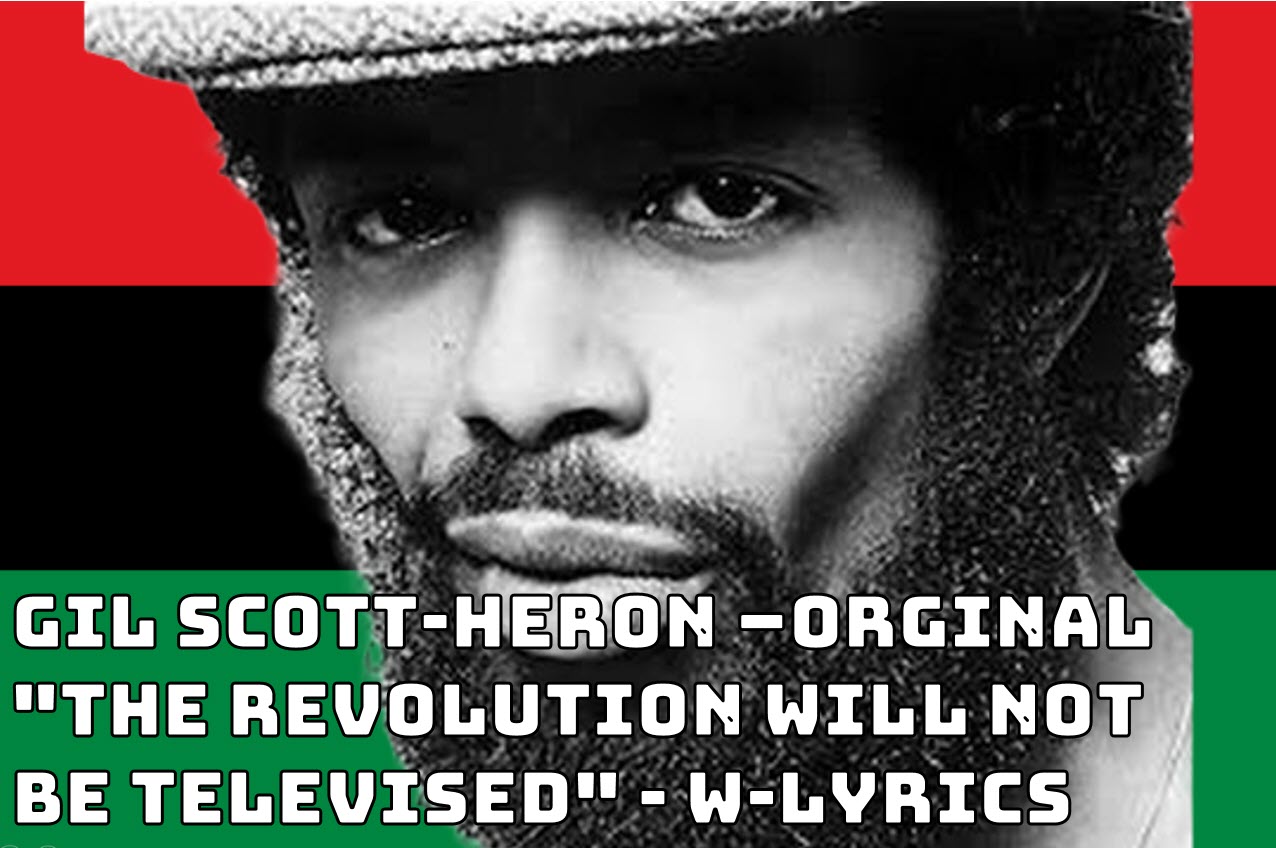
Gil Scott-Heron – The Revolution Will Not Be Televised – w-Lyrics
“The Revolution Will Not Be Televised” is a poem and song by Gilbert “Gil” Scott-Heron (April 1, 1949 – May 27, 2011). Song was originally a poem, inspired by the death of Gil’s College Classmate and friend Ron Colbert in November 1969. Colbert died after suffering from a brain Aneurysm, and going untreated while on Campus. The tragedy could have been avoided if the campus infirmary had been staffed and open around the clock. This led to boycotts, protests and demand for change.
Learn more in RBG Communiversity Knowledge Media eLibrary:























 RBG Communiversity: Message 2 Da Grassroots
You must be logged in to post a comment.