
Book Summary
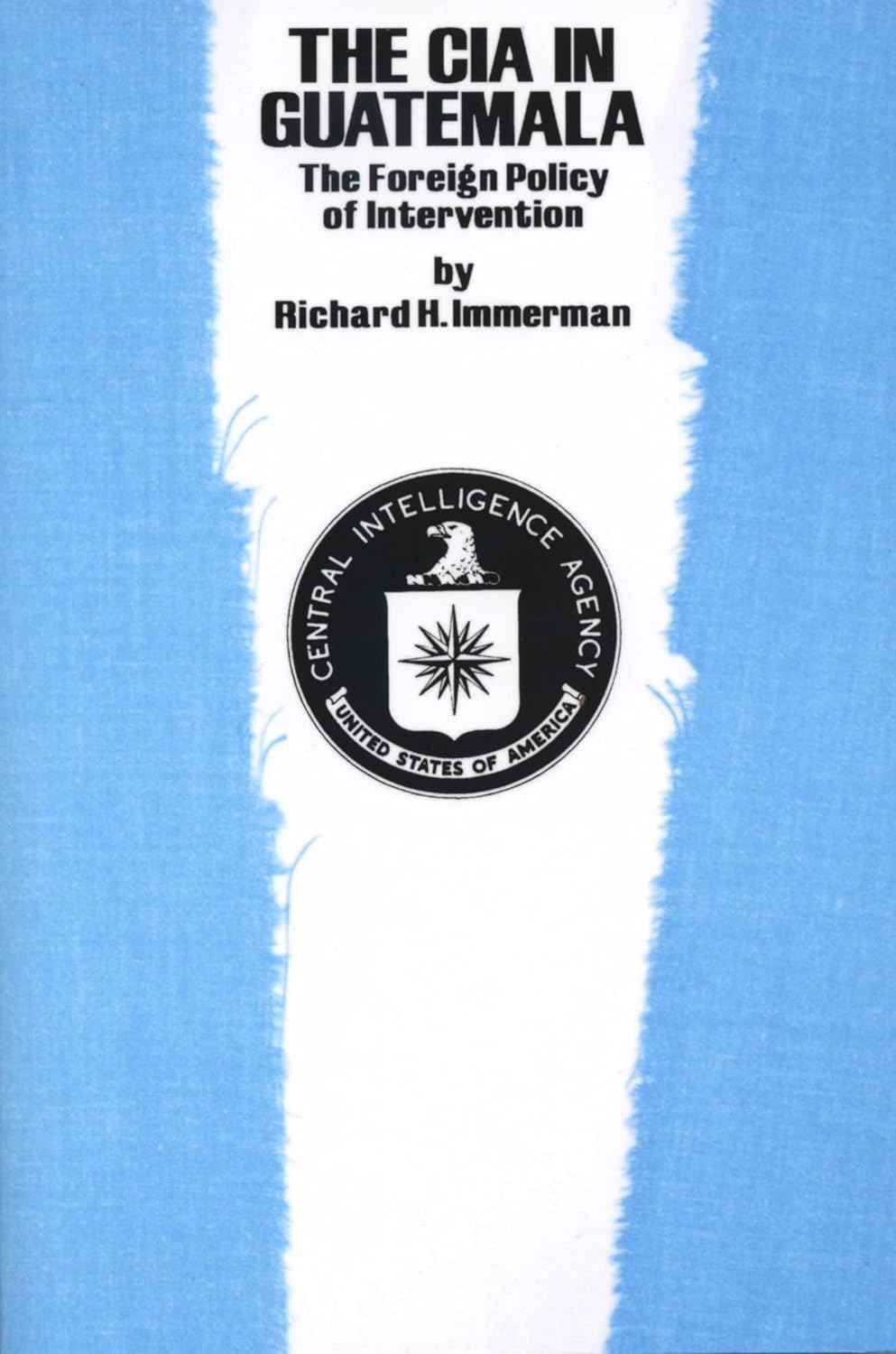
“The CIA in Guatemala: The Foreign Policy of Intervention” by Richard H. Immerman provides a comprehensive analysis of the United States’ covert operations in Guatemala during the early Cold War period, particularly the CIA’s involvement in the overthrow of the democratically elected President Jacobo Árbenz in 1954. Immerman explores the political, economic, and ideological motivations behind U.S. intervention, the impact of the coup on Guatemala’s political landscape, and the broader implications for U.S. foreign policy in Latin America. The book combines historical narrative with critical analysis, shedding light on the complexities of American interventionism.
The outline that follows captures the essential themes and structure of Richard H. Immerman’s “The CIA in Guatemala: The Foreign Policy of Intervention.” The book serves as an important historical document that not only recounts the events surrounding the 1954 coup but also critically examines the motivations and consequences of U.S. intervention in Guatemala, providing valuable insights into the complexities of Cold War foreign policy.
I. Introduction
- A. Overview of U.S. involvement in Guatemala
- B. Importance of the 1954 coup in the context of Cold War foreign policy
- C. Objectives of the book
II. Historical Context
- A. Political landscape of Guatemala before the coup
- Overview of colonial history and socio-economic conditions
- Rise of Jacobo Árbenz and his reform agenda
- B. U.S. interests in Guatemala
- Economic interests, particularly regarding the United Fruit Company
- Strategic concerns during the Cold War
III. The Rise of Jacobo Árbenz
- A. Political reforms and land redistribution policies
- Agrarian reform and its implications
- Opposition from conservative elites and foreign interests
- B. The perception of Árbenz as a communist threat
- Cold War ideology and fears of communism in Latin America
- U.S. intelligence assessments and misinterpretations
IV. Planning the Coup
- A. CIA’s role in orchestrating the coup
- Formation of Operation PBSUCCESS
- Key players involved in the planning and execution
- B. Psychological warfare and propaganda
- Use of media and misinformation to undermine Árbenz
- Mobilizing support from local elites and military
V. The 1954 Coup
- A. Execution of the coup on June 27, 1954
- Overview of military actions and key events
- Impact on Árbenz and his government
- B. Immediate aftermath and reactions
- Responses from the Guatemalan populace
- International reaction and implications for U.S. foreign policy
VI. Consequences of the Intervention
- A. Political instability in Guatemala
- Rise of military regimes and authoritarianism
- Long-term effects on democracy and governance
- B. Human rights violations and civil conflict
- Escalation of violence and repression against dissent
- Legacy of the Guatemalan civil war
- C. Broader implications for U.S. foreign policy in Latin America
- Shifts in interventionist strategies
- Influence on future U.S. actions in the region
VII. Conclusion
- A. Summary of key findings and arguments
- B. Reflection on the impact of U.S. intervention in Guatemala
- C. Lessons learned for contemporary foreign policy
Richard H. Immerman’s “The CIA in Guatemala: The Foreign Policy of Intervention” is a critical examination of one of the most significant covert operations in U.S. history. Here’s a more detailed exploration of the book’s key themes, context, and implications:
Detailed Exploration of Key Themes
1. Historical Context
- Colonial Legacy and Socio-Economic Conditions: Immerman sets the stage by detailing Guatemala’s colonial history, which laid the groundwork for deep social and economic inequalities. The country was dominated by a small elite, primarily landowners and foreign corporations, particularly the United Fruit Company (UFCO), which held significant economic power.
- Jacobo Árbenz’s Rise: After World War II, Guatemala experienced a wave of reform movements. Jacobo Árbenz became president in 1951 and sought to implement progressive policies, including land reforms aimed at redistributing land from large estates to landless peasants. These reforms were seen as a direct threat to the interests of UFCO and traditional elites.
2. U.S. Interests and Cold War Context
- Economic and Strategic Interests: The U.S. was deeply concerned about the influence of communism in Latin America during the Cold War. The nationalization of UFCO land by Árbenz was perceived as a communist threat, prompting U.S. intervention to protect American economic interests.
- Cold War Ideology: The book discusses the broader ideological battle of the Cold War, where the U.S. sought to prevent the spread of communism. This led to a willingness to intervene in the affairs of sovereign nations, especially in regions perceived as vulnerable to Soviet influence.
3. The Coup Planning
- Operation PBSUCCESS: Immerman details how the CIA devised Operation PBSUCCESS, a covert plan to overthrow Árbenz. The operation involved assembling a paramilitary force, psychological warfare, and propaganda campaigns to discredit the Árbenz government.
- Use of Propaganda: The CIA employed tactics to create a climate of fear and uncertainty in Guatemala, portraying Árbenz as a communist puppet. This included the dissemination of false information and leveraging local elites to undermine his authority.
4. The 1954 Coup
- Execution and Immediate Outcomes: The coup was executed on June 27, 1954, with a combination of military action and psychological operations. The CIA-backed forces, led by Carlos Castillo Armas, quickly gained ground, leading to Árbenz’s resignation.
- Reactions and Aftermath: The coup resulted in immediate political upheaval. While some segments of the population initially welcomed the change, many others were left disillusioned and fearful of the ensuing military rule.
5. Consequences of the Intervention
- Political Instability: The overthrow of Árbenz led to decades of political instability in Guatemala, marked by a series of military dictatorships. This instability created conditions for a protracted civil war that lasted from the 1960s to the 1990s.
- Human Rights Violations: The military regimes that followed the coup engaged in widespread human rights abuses, including extrajudicial killings, forced disappearances, and repression of dissent. The civil war resulted in the deaths of over 200,000 people, with indigenous populations disproportionately affected.
- Impact on U.S. Foreign Policy: Immerman argues that the events in Guatemala exemplified a shift in U.S. foreign policy toward more aggressive interventions in Latin America. The coup set a precedent for future U.S. actions, contributing to a legacy of distrust and resentment towards U.S. involvement in the region.
Conclusion
Immerman’s book is a significant scholarly work that provides a nuanced understanding of the U.S. intervention in Guatemala. By exploring the motivations, planning, and consequences of the coup, Immerman highlights the complex interplay between economic interests, Cold War ideology, and the principle of national sovereignty.
Broader Implications
- Lessons on Intervention: The book serves as a cautionary tale about the consequences of foreign intervention, emphasizing the potential for long-term instability and human suffering that can result from such actions.
- Understanding Modern Contexts: The themes explored in the book prompt reflection on contemporary issues related to U.S. foreign policy, especially in Latin America. The legacy of interventions like that in Guatemala continues to shape diplomatic relations and public perceptions of the U.S. in the region.
Immerman’s analysis is an important contribution to the historiography of U.S. foreign policy, shedding light on the complexities of intervention and the lasting impacts of Cold War dynamics on Latin America. The book encourages readers to critically assess the motivations behind foreign interventions and their far-reaching effects on the nations involved.

The CIA in Guatemala: The Foreign Policy of Intervention_eBook
Pop the documents out from the upper right to read / expand / download.
 RBG Communiversity: Message 2 Da Grassroots