The Apocalypse of Settler Colonialism: The Roots of Slavery, White Supremacy, and Capitalism in 17th Century North America and the Caribbean, by Gerald Horne_eBook and Audiobook

Book Summary (abridged)

“The Apocalypse of Settler Colonialism: The Roots of Slavery, White Supremacy, and Capitalism in 17th Century North America and the Caribbean” by Gerald Horne provides a comprehensive analysis of how the foundations of modern systemic racism, colonial exploitation, and capitalist structures were established in the 17th century. Horne examines the intersections of slavery, white supremacy, and colonialism, arguing that these elements were not only products of their time but also integral to the development of societal norms and economic systems that persist today. Through a detailed historical account, Horne reveals the consequences of these dynamics for Africans and Indigenous peoples, emphasizing the significance of resistance and the ongoing legacy of colonialism.

  • Introduction
    • Overview of the book’s goals and thematic focus
    • Discussion of the historical context surrounding the emergence of settler colonialism
    • Introduction to key concepts: slavery, white supremacy, and capitalism
  • Chapter 1: Beginning
    • Examination of the initial stages of European colonization in North America and the Caribbean
    • Analysis of the motivations behind European imperial expansion
    • Discussion of early interactions between colonizers and Indigenous populations
  • Chapter 2: No Providence for Africans and the Indigenous
    • Exploration of the systemic exclusion of Africans and Indigenous peoples from rights and protections
    • Analysis of the ideological frameworks that justified their marginalization
    • Discussion of the economic interests that underpinned these exclusionary practices
  • Chapter 3: The Rise of the Merchants and the Beheading of a King
    • Examination of the emerging merchant class and its role in colonial economies
    • Analysis of the political upheaval, including the beheading of King Charles I, and its implications for colonial governance
    • Discussion of how these events influenced colonial attitudes toward slavery and Indigenous peoples
  • Chapter 4: Jamaica Seized from Spain: Slavery and the Slave Trade Expand
    • Exploration of the British takeover of Jamaica and its transformation into a plantation economy
    • Analysis of how the expansion of slavery and the slave trade fueled economic growth in the Caribbean
    • Discussion of the social and cultural impacts of this transformation on enslaved Africans
  • Chapter 5: The Dutch Ousted from the Mainland: Slavery and the Slave Trade Expand
    • Examination of the ousting of the Dutch from North America and the subsequent expansion of slavery
    • Analysis of the economic motivations behind this transition and its impact on colonial society
    • Discussion of the implications for Indigenous peoples and enslaved Africans
  • Chapter 6: More Enslaved Africans Arrive in the Caribbean—Along with More Revolts
    • Exploration of the increasing influx of enslaved Africans into the Caribbean and the resulting demographic changes
    • Analysis of the revolts and resistance movements that emerged in response to oppressive conditions
    • Discussion of the significance of these revolts in shaping colonial policies and perceptions
  • Chapter 7: The Spirit of 1676: The Identity Politics of “Whiteness” and Prelude to Colonial Secession
    • Examination of the events surrounding Bacon’s Rebellion and the rise of “whiteness” as a unifying identity among European settlers
    • Analysis of how identity politics influenced colonial governance and social structures
    • Discussion of the implications for Indigenous peoples and enslaved Africans in the context of colonial secession
  • Chapter 8: The “Glorious Revolution” of 1688: Not so Glorious for Africans and the Indigenous
    • Exploration of the Glorious Revolution and its impact on colonial policies regarding slavery and Indigenous relations
    • Analysis of the ways in which the revolution reinforced existing power structures and racial hierarchies
    • Discussion of the consequences for African and Indigenous populations in the aftermath of these events
  • Chapter 9: Apocalypse Now
    • Examination of the cumulative effects of settler colonialism on African and Indigenous peoples
    • Analysis of the contemporary repercussions of historical injustices rooted in the colonial period
    • Discussion of the ongoing struggles for justice and the need for a reckoning with the past

Significance of the Book

Gerald Horne’s “The Apocalypse of Settler Colonialism” is a critical text that sheds light on the deep historical roots of systemic racism, economic exploitation, and social hierarchies in North America and the Caribbean. By tracing these issues back to the 17th century, Horne provides a nuanced understanding of how colonial practices have shaped modern society. The book serves as an essential resource for scholars, activists, and anyone interested in unpacking the historical complexities of race, class, and colonialism, emphasizing the importance of recognizing and addressing the legacies of these systems in contemporary struggles for equity and justice.

Gerald Horne’s “The Apocalypse of Settler Colonialism”_eBook

Pop the documents out from the upper right to read / expand / download.

Gerald Horne’s “The Apocalypse of Settler Colonialism”_Audiobook

Learn more in RBG Communiversity Knowledge Media eLibrary:

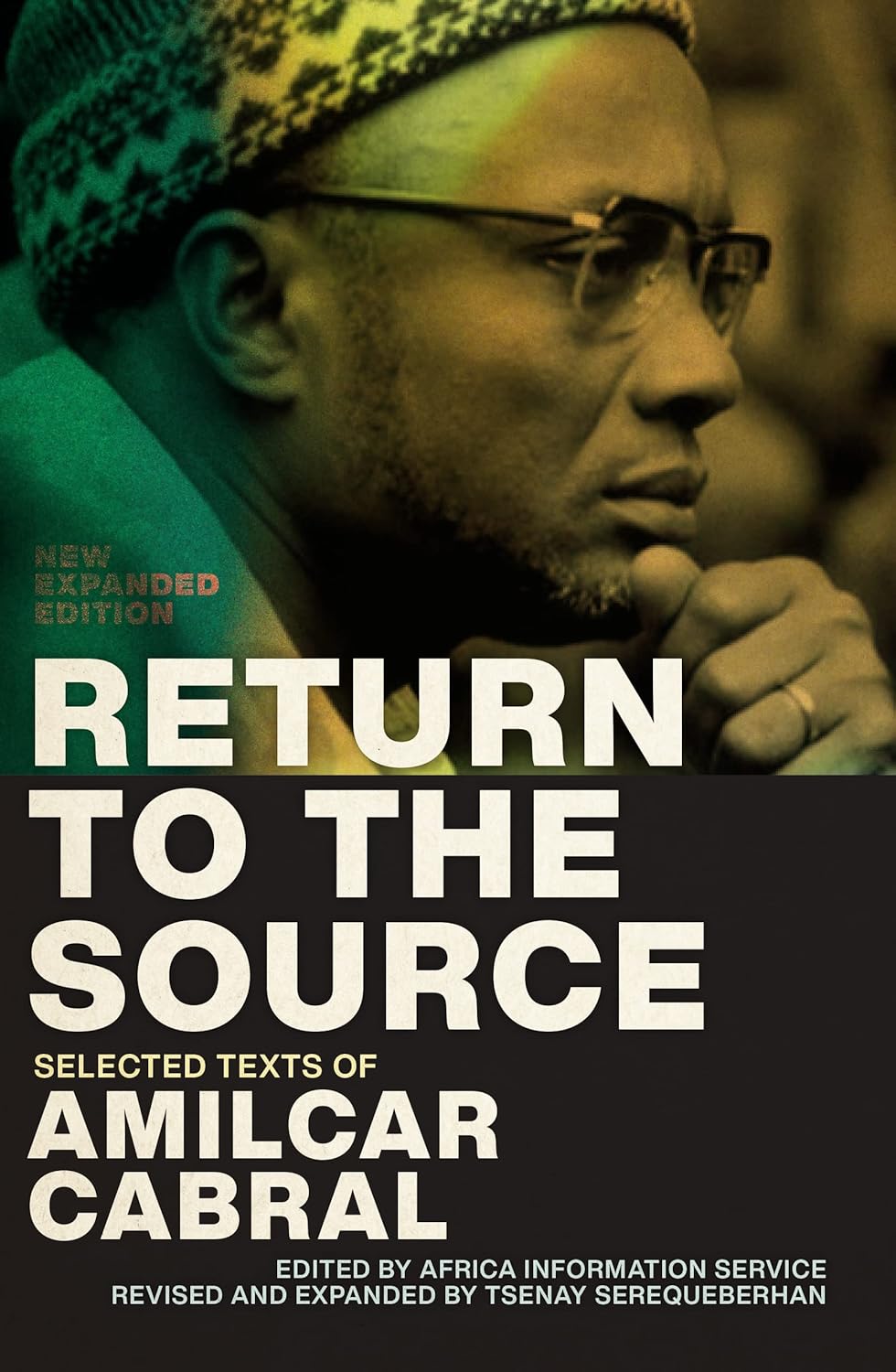
Return to the Source: Selected Texts of Amilcar Cabral_eBook and Audiobook, with Amílcar Cabral The African Revolutionary, Killed by Portugal (Mini-Doc.)

Book Summary

“Return to the Source: Selected Texts of Amilcar Cabral” is a compilation of writings by the influential African revolutionary leader, Amilcar Cabral, who played a pivotal role in the struggle for independence in Guinea-Bissau and Cape Verde. Edited by Tsenay Serequeberhan, the expanded edition released on April 1, 2023, presents a curated selection of Cabral’s texts that reflect his thoughts on colonialism, nationalism, culture, and the importance of revolutionary consciousness. This collection not only highlights Cabral’s contributions to anti-colonial thought but also emphasizes the relevance of his ideas in contemporary struggles for social justice and liberation. The book serves as a vital resource for understanding Cabral’s vision of a liberated Africa and the theoretical foundations of his political activism.

  • Introduction
    • Overview of the book’s significance and objectives
    • Introduction to Amilcar Cabral’s life and legacy
    • Discussion of the editor’s contributions and the purpose of this expanded edition
  • 1: Theoretical Foundations of Cabral’s Thought
    • Exploration of Cabral’s philosophical perspectives on colonialism and imperialism
    • Analysis of his concepts of culture, identity, and nationalism
    • Discussion of the role of historical materialism in Cabral’s framework
  • 2: Colonialism and Its Effects
    • Examination of the impact of colonial rule on African societies
    • Analysis of the psychological and cultural dimensions of colonialism
    • Discussion of Cabral’s critique of colonial power and its economic exploitation
  • 3: The Role of Culture in the Liberation Struggle
    • Exploration of Cabral’s views on the importance of culture in revolutionary movements
    • Analysis of how cultural identity contributes to national consciousness and unity
    • Discussion of the relationship between culture and the struggle for liberation
  • 4: National Liberation and Revolutionary Strategy
    • Examination of Cabral’s strategies for achieving national independence
    • Analysis of the importance of grassroots organizing and popular participation
    • Discussion of the role of the military and armed struggle in the liberation movement
  • 5: Internationalism and Solidarity
    • Exploration of Cabral’s vision of international solidarity among oppressed peoples
    • Analysis of the connections between African liberation and global anti-colonial movements
    • Discussion of Cabral’s engagement with global revolutionary thought
  • 6: Reflections on Post-Colonial Challenges
    • Examination of the challenges faced by newly independent nations
    • Analysis of Cabral’s insights into the pitfalls of post-colonial governance
    • Discussion of the need for ongoing vigilance and revolutionary commitment
  • Conclusion
    • Summary of key themes and insights from Cabral’s writings
    • Reflection on the enduring relevance of Cabral’s thought in contemporary struggles
    • Call to action for readers to engage with Cabral’s ideas in their own contexts

Significance of the Book

“Return to the Source” is an essential text for anyone interested in anti-colonial thought, African history, and revolutionary politics. Amilcar Cabral’s writings provide a nuanced understanding of the complexities of colonialism and the necessity of cultural and political liberation. This expanded edition not only preserves Cabral’s legacy but also makes his ideas accessible to new generations of activists and scholars. By highlighting the importance of culture, identity, and grassroots participation, the book serves as a powerful reminder of the ongoing struggles for justice and equality in the post-colonial world. Cabral’s vision of a liberated Africa continues to inspire movements for social change, making this collection a vital resource for understanding the foundations of contemporary anti-colonial thought.

“Return to the Source: Selected Texts of Amilcar Cabral” is a significant compilation that encapsulates the revolutionary spirit and profound insights of Amilcar Cabral, one of Africa’s foremost anti-colonial leaders and thinkers. The book serves not only as a tribute to Cabral’s intellectual legacy but also as a crucial resource for understanding the dynamics of colonialism, nationalism, and cultural identity in the context of the African liberation struggle. Here’s a deeper exploration of Cabral’s contributions, themes, and the implications of his work:

Key Themes and Contributions

  1. Anti-Colonial Struggle
    • Cabral is best known for his leadership in the fight for independence in Guinea-Bissau and Cape Verde from Portuguese colonial rule. His writings provide an analytical framework for understanding the mechanisms of colonial domination and the necessity of armed struggle as a means of liberation.
    • He emphasizes that colonialism is not merely a political or economic system but also a cultural and psychological one that requires a comprehensive response from the colonized.
  2. Cultural Identity and National Consciousness
    • One of Cabral’s central arguments is that a strong sense of cultural identity is essential for the success of liberation movements. He asserts that culture is not static; rather, it evolves in response to the struggles and aspirations of a people.
    • Cabral stresses the importance of reclaiming African cultural heritage and integrating it into the national consciousness to foster unity and resilience among the oppressed.
  3. The Role of the Masses
    • Cabral advocates for the involvement of the masses in the liberation process. He believes that genuine revolutionary movements must be rooted in the people’s struggles and aspirations.
    • He highlights the importance of education and political consciousness among the populace, arguing that empowering ordinary people is crucial for sustaining the struggle for independence and justice.
  4. Internationalism and Solidarity
    • Cabral was a strong proponent of internationalism, recognizing that the struggles of oppressed peoples worldwide are interconnected. He emphasizes the need for solidarity among liberation movements across Africa and beyond.
    • He engaged with global revolutionary thought, drawing connections between the anti-colonial struggle in Africa and broader movements for social justice, socialism, and equality.
  5. Critique of Post-Colonial Governance
    • In his reflections on the challenges faced by newly independent nations, Cabral warns against the pitfalls of neo-colonialism and the betrayal of revolutionary ideals by emerging elites.
    • He stresses the necessity of maintaining a revolutionary spirit and commitment to the people’s welfare, cautioning against the complacency that can arise after achieving formal independence.

Implications of Cabral’s Thought

  • Relevance to Contemporary Struggles
    • Cabral’s ideas remain highly relevant today, as many countries continue to grapple with the legacies of colonialism, economic exploitation, and social injustice. His insights into the importance of cultural identity and grassroots participation resonate with contemporary movements advocating for equity and justice.
    • Movements for social change, environmental justice, and economic rights can draw inspiration from Cabral’s emphasis on the need for a collective struggle rooted in the lived experiences of the oppressed.
  • Cultural and Psychological Liberation
    • Cabral’s work highlights the significance of cultural reclamation in the process of decolonization. This aspect of his thought is particularly important for communities seeking to restore their cultural heritage and affirm their identities in the face of globalization and cultural homogenization.
    • His focus on psychological liberation underscores the importance of addressing the internalized effects of colonialism, encouraging individuals to reclaim their self-worth and agency.
  • Educational Initiatives
    • Cabral’s advocacy for education as a tool for empowerment can inform contemporary educational initiatives aimed at fostering critical consciousness among young people. His ideas encourage the integration of local histories, cultures, and struggles into educational curricula, promoting a more inclusive and relevant understanding of history.

Conclusion

“Return to the Source” is a vital resource for anyone interested in understanding the complexities of anti-colonial thought and the ongoing struggles for liberation and justice in Africa and beyond. Amilcar Cabral’s writings provide a profound analysis of the interplay between culture, identity, and politics, offering insights that continue to inspire activists and scholars alike. By emphasizing the importance of cultural identity, the role of the masses, and international solidarity, Cabral’s legacy endures as a powerful call to action in the pursuit of social and political change. The expanded edition of this collection ensures that his ideas remain accessible and relevant for future generations committed to the fight against oppression.

Return to the Source_eBook (NEW EXPANDED EDITION)

Pop the document out from the upper right to read / expand / download.

Return to the Source_Audiobook

Amílcar Cabral The African Revolutionary, Killed by Portugal (Mini-Doc.)

Learn more in RBG Communiversity Knowledge Media eLibrary: