My People Are Rising Memoir of a Black Panther Party Captain (Aaron Dixon)_eBook and Audiobook, with Civil Rights History Project: Aaron Dixon, Library of Congress

Book Summary

In an era of stark racial injustice, Aaron Dixon dedicated his life to revolution, founding the Seattle chapter of the Black Panther Party in 1968 at age nineteen. In My People Are Rising, he traces the course of his own radicalization, and that of a generation. Through his eyes, we witness the courage and commitment of the young men and women who rose up in rebellion, risking their lives in the name of freedom. My People are Rising is an unforgettable tale of their triumphs and tragedies, and the enduring legacy of Black Power. “My People Are Rising: Memoir of a Black Panther Party Captain” is a powerful autobiographical account by Aaron Dixon, who served as a captain in the Black Panther Party in Seattle. The memoir reflects on Dixon’s journey, highlighting his experiences during the civil rights movement, the struggles against systemic racism, and the impact of the Black Panther Party on communities. It delves into the personal and collective struggles faced by African Americans (New Afrikans) while offering insights into the ideologies and actions that defined the Black Panther Party.

The outline that follows encapsulates the key themes and structure of Aaron Dixon’s memoir, illustrating his personal journey and the broader significance of the Black Panther Party’s work.

  • Introduction
    • Brief background of Aaron Dixon
    • The significance of the Black Panther Party
  • Early Life
    • Dixon’s childhood experiences
    • Family influences and early exposure to racism
    • Formation of political consciousness
  • Involvement with the Black Panther Party
    • Recruitment into the Black Panther Party
    • Initial experiences and training
    • Key figures in the Party and their influence
  • Community Activism
    • Initiatives and programs implemented by the Panthers
      • Free breakfast programs
      • Health clinics and education initiatives
    • Impact on the local community
  • Confrontations and Challenges
    • Law enforcement interactions and repression
    • Internal conflicts within the Party
    • The impact of government surveillance and COINTELPRO
  • Leadership and Responsibility
    • Role as a captain and leader within the Party
    • Decision-making processes and strategic planning
    • Challenges of maintaining unity and morale
  • Legacy of the Black Panther Party
    • Reflection on the Party’s influence on modern movements
    • Personal reflections on activism and legacy
    • The importance of remembering history
  • Conclusion
    • Summary of key themes and lessons learned
    • A call to action for future generations
    • Hope for continued struggle against oppression

“My People Are Rising” is not just a recounting of events; it is a deeply personal narrative that intertwines Dixon’s life with the broader struggles of the human, civil rights and black power movements and the Black Panther Party’s efforts in the late 1960s and early 1970s to fight against oppression and empire. Here are some more detailed aspects of the book:

Themes Explored

  • Racial Injustice and Resistance
    • Dixon reflects on the systemic racism faced by African Americans, detailing personal and community experiences that highlight the urgency for activism.
    • The memoir emphasizes the necessity of resistance against oppression and the various forms it can take.
  • Community Empowerment
    • The book illustrates how the Black Panther Party aimed to uplift marginalized communities through various social programs.
    • Dixon shares stories of community involvement, showcasing how empowerment can lead to self-sufficiency and social change.
  • Solidarity and Brotherhood
    • Throughout the memoir, the importance of solidarity among members of the Black Panther Party and the communities they served is a recurring theme.
    • Dixon discusses the bonds formed among activists and the collective identity that emerged from shared struggles.
  • Personal Sacrifice and Consequences
    • The memoir does not shy away from the personal costs of activism, including the dangers and sacrifices made by Dixon and his peers.
    • It highlights the emotional and psychological toll that activism can take, as well as the resilience required to continue fighting.

Key Events and Experiences

  • Formation of the Seattle Chapter
    • Dixon details the establishment of the Seattle chapter of the Black Panther Party, including the challenges of setting up operations and gaining community support.
  • Confrontations with Law Enforcement
    • The narrative includes vivid accounts of confrontations with police, illustrating the hostility faced by Party members and the broader context of systemic violence.
  • Notable Figures
    • The memoir features interactions with prominent figures in the Black Panther Party and other civil rights leaders, providing insights into their philosophies and strategies.
  • Reflections on the Movement’s Evolution
    • Dixon reflects on how the Black Panther Party evolved over time and the shifting dynamics within the civil rights movement in response to changing social and political landscapes.

Conclusion

“My People Are Rising” is ultimately a call to action, urging readers to recognize the ongoing struggles against racial inequality and to engage in activism. Dixon’s memoir serves as both a historical account and a personal testament to the power of community, resilience, and the enduring legacy of the Black Panther Party. His reflections encourage readers to understand the importance of history in shaping current and future movements for justice and equality.

My People Are Rising Memoir of a Black Panther Party Captain_eBook

Pop the documents out from the upper right to read / expand / download.

My People Are Rising Memoir of a Black Panther Party Captain_Audiobook
Civil Rights History Project: Aaron Dixon, Library of Congress

Learn more in RBG Communiversity Knowledge Media eLibrary:

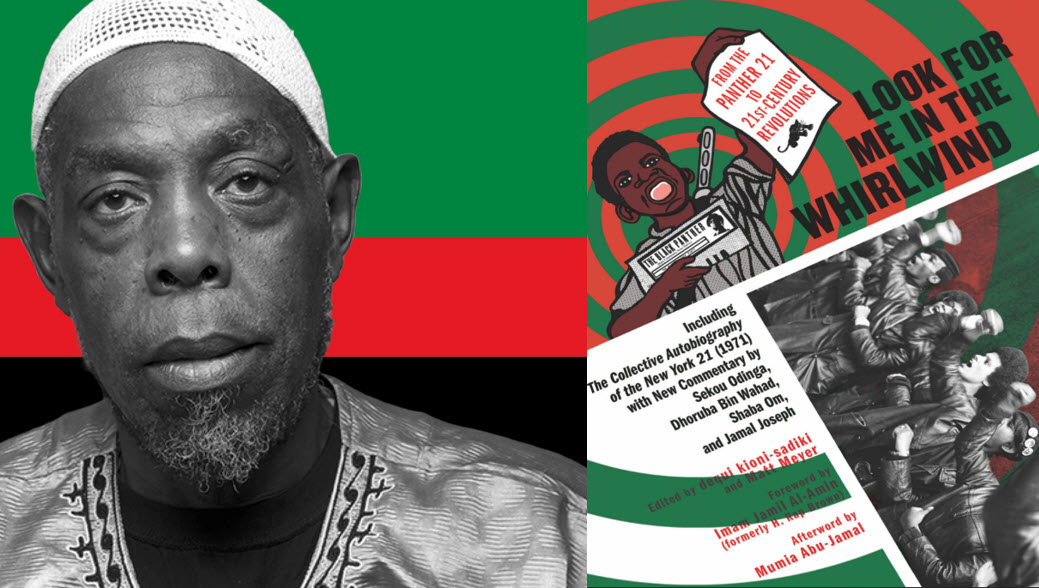
Bilal Sunni-Ali (RIU) Biography Series and Look for Me in the Whirlwind: From the Panther 21 to 21st-Century Revolutions (eBook) with Bilal Sunni Ali Tribute Video Player

Pop the documents out from the upper right to read / expand / download.

Bilal Sunni-Ali Biography Series Parts 2 and 3

Biographical Essay of Bilal Sunni-Ali

Bilal Sunni Ali Tribute Video Player

10 Video Playlist

Look for Me in the Whirlwind: From the Panther 21 to 21st-Century Revolutions

Look for Me in the Whirlwind| Read/Study/Download RBG Communiversity’s Book Summary

Bilal Sunni Ali performing A Prayer For Everybody In The World live at Burning Books

Look for me in the Whirlwind_ Bilal Sunni-Ali Interview

Learn more in RBG Communiversity Knowledge Media eLibrary:

The Victims of Democracy: Malcolm X and the Black Revolution by Eugene Victor Wolfenstein_eBook and Audiobook, with Malcolm X What is the Black Revolution

Book Summary

 “The Victims of Democracy” explores the life and legacy of Malcolm X within the context of American democracy and the struggle for Black liberation. Wolfenstein examines Malcolm’s evolution as a leader, the socio-political forces that shaped his ideology, and the broader implications of his work for the human and civil rights movements. The text emphasizes the challenges faced by Afrikans in amerikkka in a democratic society that often fails to uphold its ideals for all citizens.

The following outline captures the main themes and structure of Eugene Victor Wolfenstein’s exploration of Malcolm X and the Black revolution, emphasizing the intersection of race and democracy in America.

  • Introduction
    • Purpose of the book
    • Relevance of Malcolm X in the context of democracy
    • Overview of themes
  • Chapter 1: Historical Context
    • Overview of racism in America
    • The civil rights movement’s origins
    • The limitations of traditional democratic practices
  • Chapter 2: Malcolm X’s Early Life
    • Childhood and family background
    • Influences on Malcolm’s worldview
    • Transition from Malcolm Little to Malcolm X
  • Chapter 3: The Nation of Islam
    • Role of the Nation of Islam in Malcolm’s life
    • Key beliefs and practices
    • Malcolm’s rise as a prominent figure
  • Chapter 4: Break with the Nation of Islam
    • Reasons for the split
    • Transformation of Malcolm’s ideology
    • The impact of his pilgrimage to Mecca
  • Chapter 5: Malcolm X’s Political Philosophy
    • Concepts of race, identity, and empowerment
    • Critique of American democracy
    • Advocacy for self-determination
  • Chapter 6: The Legacy of Malcolm X
    • Influence on the Black Power movement
    • Reinterpretation of his messages in contemporary contexts
    • Ongoing relevance of his ideas
  • Conclusion
    • Summary of key insights
    • The implications of Malcolm X’s life for modern democracy
    • Call to action for continued struggle against injustice

Here is a deeper look into some of the key themes and concepts presented in “The Victims of Democracy. This exploration not only honors Malcolm X’s legacy but also invites readers to consider how the fight for equality and justice continues to evolve in contemporary society.

Key Themes and Concepts

  1. Racism and American Democracy:
    • The book critically investigates how systemic racism undermines the principles of democracy in the United States. Wolfenstein argues that while America professes ideals of freedom and equality, it often fails to deliver these promises to Afrikans in amerikkka.
  2. Malcolm X’s Transformation:
    • Malcolm X’s journey from his early life to becoming a prominent human rights leader is a focal point. Wolfenstein details how Malcolm’s experiences with racism, both personally and socially, shaped his radical beliefs. His time with the Nation of Islam represents a significant period of identity formation and ideological development.
  3. Critique of Established Civil Rights Movements:
    • The author contrasts Malcolm X’s approach with that of more mainstream civil rights leaders like Martin Luther King Jr. While King advocated for nonviolent protest and integration, Malcolm X emphasized self-defense, Black nationalism, and a more revolutionary approach to achieving rights.
  4. Global Perspective on Race and Revolution:
    • Wolfenstein places Malcolm X within a global context, discussing how his ideas resonated with anti-colonial movements around the world. Malcolm’s pilgrimage to Mecca and subsequent interactions with leaders from various nations broadened his perspective on race and politics, leading to a more internationalist view of the struggle for justice.
  5. Crisis of Democracy:
    • The title itself, “The Victims of Democracy,” reflects a central argument that many marginalized groups, particularly Afrikans in amerikkka have been victimized by the failures of a system that claims to uphold democratic values. Wolfenstein posits that true democracy must include the voices and rights of all people, particularly those historically oppressed.
  6. Enduring Legacy:
    • The book discusses how Malcolm X’s ideas continue to inspire contemporary movements for social justice and racial equality. His call for self-determination and empowerment resonates in today’s discussions around systemic racism, police brutality, and the fight for Black lives.

Conclusion

Wolfenstein’s work serves as both a biographical account and a critical analysis of the social, political, and historical contexts surrounding Malcolm X. It challenges readers to reflect on the complexities of race relations in amerikkka and the ongoing struggle for true democracy. Through Malcolm’s life and teachings, the book encourages a deeper understanding of the intersections between race, identity, and the quest for justice.

The Victims of Democracy: Malcolm X and the Black Revolution_eBook

Pop the documents out from the upper right to read / expand / download.

The Victims of Democracy: Malcolm X and the Black Revolution_Audiobook

Malcolm X What is the Black Revolution

Learn more in RBG Communiversity Knowledge Media eLibrary: