In the Spirit of Crazy Horse: The Story of Leonard Peltier and the FBI’s War on the American Indian Movement, by Peter Matthiessen| eBook and Audiobook, with FREE Leonard Peltier Video Player

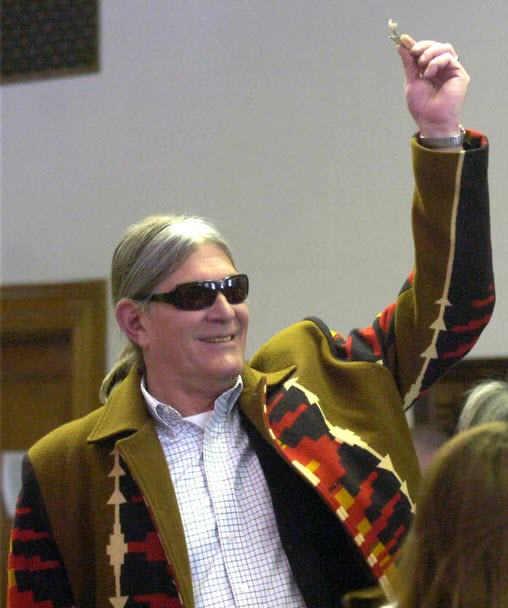
In the Spirit of Crazy Horse is a chronicle of a fatal gun-battle between FBI agents and American Indian Movement activists by renowned writer Peter Matthiessen (1927-2014).

Book Summary

“In the Spirit of Crazy Horse: The Story of Leonard Peltier and the FBI’s War on the American Indian Movement” by Peter Matthiessen is a profound examination of the life of Leonard Peltier, a Native American activist and a key figure in the American Indian Movement (AIM). The book details the events surrounding the 1975 shootout at Wounded Knee, the subsequent FBI investigation, and the controversial trial of Peltier, who was convicted of murder in the deaths of two FBI agents. Matthiessen’s narrative provides insights into the systemic oppression faced by Native Americans, the FBI’s aggressive tactics against AIM, and the broader struggles for Indigenous rights in the United States.

Essential Themes and Historical Context:

  1. Introduction to Leonard Peltier
    • Overview of Peltier’s significance within the American Indian Movement
    • Introduction to the themes of oppression and resistance in Native American history
  2. Historical Context of the American Indian Movement
    • The formation of AIM and its goals
    • Key events leading to the rise of Native activism in the 1960s and 1970s
    • The impact of historical injustices on Indigenous communities
  3. The Wounded Knee Incident
    • Description of the 1973 occupation of Wounded Knee
    • Tensions between AIM activists and federal authorities
    • Major events and confrontations during the occupation
  4. The Shootout and Its Aftermath
    • Detailed account of the 1975 shootout that led to the deaths of FBI agents
    • The immediate aftermath and the FBI’s response to the incident
    • The portrayal of Peltier in the media and by the authorities
  5. The FBI’s Campaign Against AIM
    • Examination of the FBI’s surveillance and counterintelligence operations targeting AIM
    • Analysis of tactics used by the FBI to infiltrate and undermine the movement
    • The broader implications of the FBI’s actions on Native American activism
  6. Trial and Conviction of Leonard Peltier
    • Overview of Peltier’s arrest and the legal proceedings that followed
    • Discussion of the evidence presented during the trial and its controversies
    • Examination of claims regarding the fairness of the trial and the judicial system
  7. Public Support and Advocacy
    • Overview of the grassroots movements and public campaigns advocating for Peltier
    • The role of various organizations in raising awareness of his case
    • The significance of international attention and support for Indigenous rights
  8. Legacy and Ongoing Struggles
    • Reflection on Peltier’s impact on the fight for Indigenous rights and justice
    • Discussion of the continuing issues faced by Native Americans today
    • The importance of remembering and honoring the struggles of Indigenous peoples
  9. Conclusion
    • Summary of key themes and insights from Matthiessen’s narrative
    • Final reflections on the significance of Leonard Peltier’s story in the context of American history

In the Spirit of Crazy_eBook

“On a hot June morning in 1975, a desperate shoot-out between FBI agents and Native Americans near Wounded Knee, South Dakota, left an Indian and two federal agents dead. Four members of the American Indian Movement were indicted on murder charges, and one, Leonard Peltier, was convicted and is now serving consecutive life sentences in a federal penitentiary. Behind this violent chain of events lie issues of great complexity and profound historical resonance, brilliantly explicated by Peter Matthiessen in this controversial book. Kept off the shelves for eight years because of one of the most protracted and bitterly fought legal cases in publishing history, In the Spirit of Crazy Horse reveals the Lakota tribe’s long struggle with the U.S. government, and makes clear why the traditional Indian concept of the earth is so important at a time when increasing populations are destroying the precious resources of our world.”

Pop the document out from the upper right to read / expand / download.

In the Spirit of Crazy_Audiobook

Audio start corresponds to page 8 of the above Reader.

Part 1

Part 2

Part 3

FREE Leonard Peltier Video Player

12 Video Playlist

Learn more in RBG Communiversity Knowledge Media eLibrary:

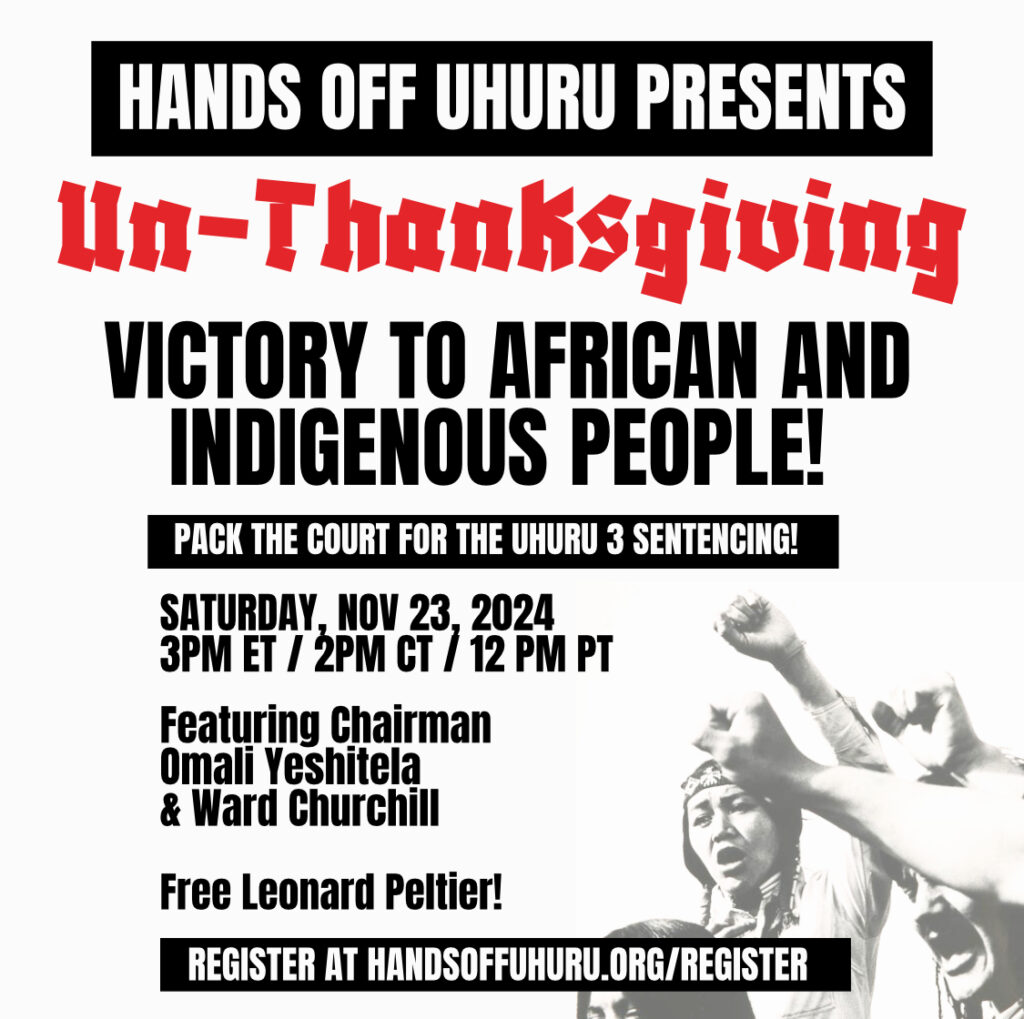
Hands Off Uhuru presents: “Unthanksgiving” Victory to African and Indigenous people!­_The Burning Spear TV, with Uhuru 3 Trial Re-enactment

Last Updated 12-06-24

https://handsoffuhuru.org/

Uhuru 3 Trial Re-enactment

3 Video Playlist (Episodes One thru Three.)

Companion Post/Lessons

Manifest Destiny and American Holocaust_Dr. Ward Churchill Lecture, History of COINTELPRO and COINTELPRO and Terrorism, The COINTELPRO Papers – Ward Churchill & Jim Vander Wall (eBook and Audiobook)

Learn more in RBG Communivesity Knowledge Media eLibrary:

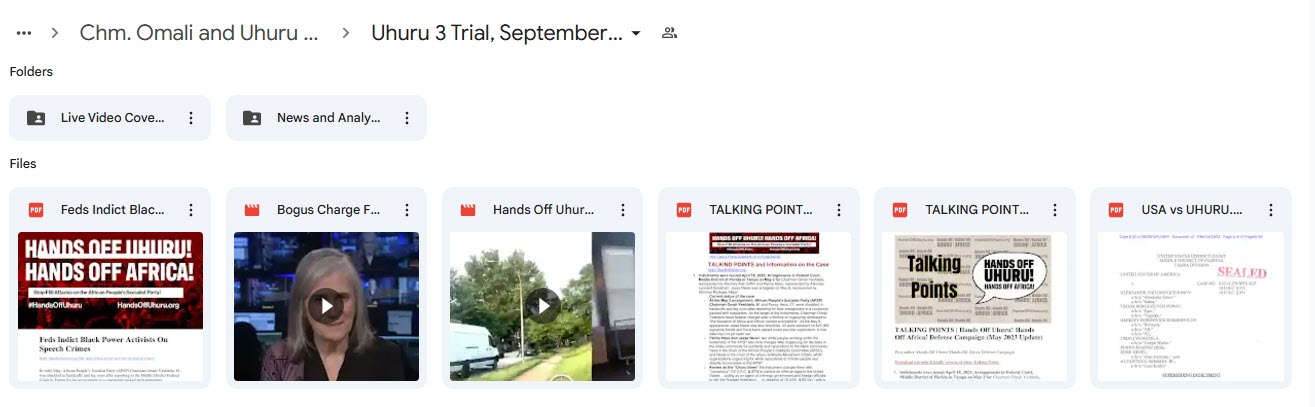
Uhuru 3 Trial, September 2024

Uhuru 3 Trial, September 2024 | INSIDE: Chm. Omali and Uhuru Movement Folder

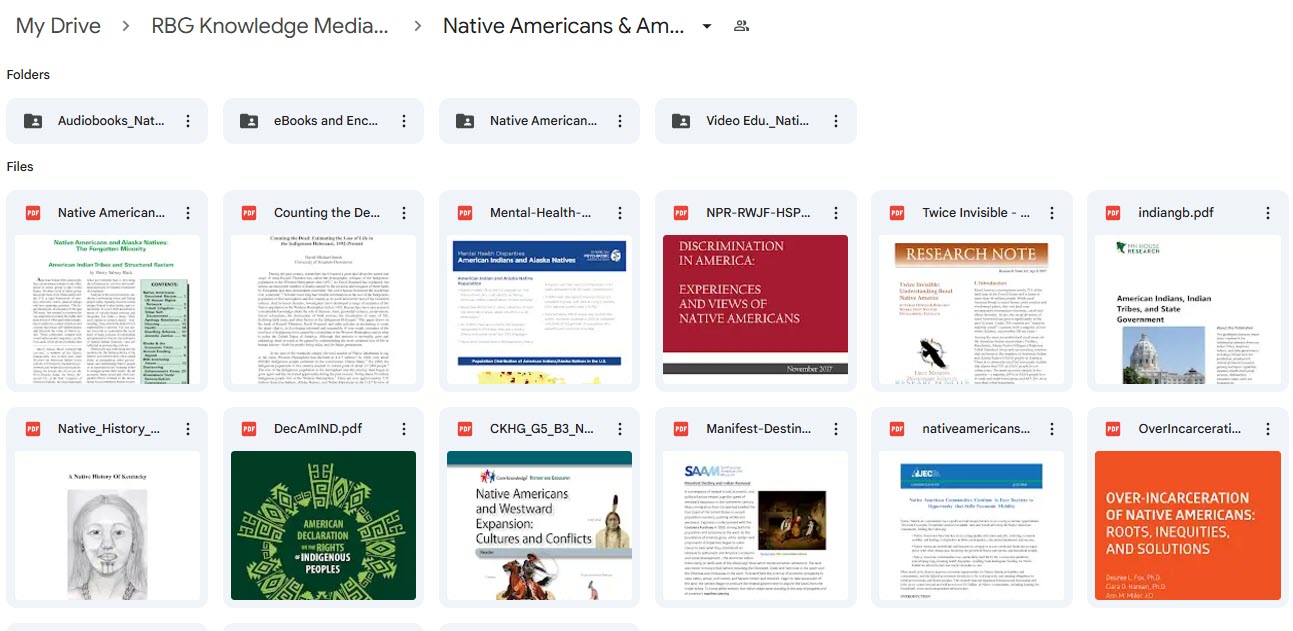
Native Americans & The American Indian Movement (AIM)

Native Americans & The American Indian Movement (AIM)  Folder

Late Victorian Holocausts_El Niño Famines and the Making of the Third World_eBook and Audiobook, (Essential Mike Davis)

NB: “The Victorian era spans the 63 years of Queen Victoria’s reign over Great Britain and Ireland from 1837 until her death in 1901.”

Book Summary

“Late Victorian Holocausts: El Niño Famines and the Making of the Third World” by Mike Davis is a critical examination of the catastrophic famines that struck various regions during the late 19th century, particularly in India, China, and parts of Africa. The book explores the interplay between global climatic events, specifically the El Niño phenomenon, and the economic and political structures of colonialism that exacerbated these disasters. Davis argues that the famines were not merely natural occurrences but were significantly shaped by imperial policies and practices that prioritized profit over human life. The work critiques the historical narratives surrounding these events and highlights their role in the emergence of the modern “Third World.”

Essential Themes and Historical Context:

  1. Introduction
    • Overview of the book’s thesis and objectives
    • Introduction to the concepts of climate, famine, and imperialism
    • The significance of the El Niño phenomenon in global history
  2. The El Niño Phenomenon
    • Explanation of the El Niño climate pattern and its effects
    • Historical instances of El Niño-related weather anomalies
    • The relationship between climate variability and agricultural production
  3. Famines of the Late Victorian Era
    • Detailed accounts of major famines in India, China, and Africa during the late 19th century
    • Examination of the scale and impact of these famines on local populations
    • Case studies of specific famines and their socio-economic contexts
  4. Colonial Policies and Economic Exploitation
    • Analysis of colonial practices that contributed to famine conditions
    • The role of cash crop economies and land dispossession
    • Critique of British colonial governance and its neglect of local needs
  5. Racial and Class Dimensions of Famine
    • Exploration of how race and class influenced the severity of famine impacts
    • Discussion of the social hierarchies that shaped access to resources
    • The role of discrimination in the distribution of aid and relief efforts
  6. Resistance and Responses to Famine
    • Examination of local responses to famine crises
    • Accounts of resistance movements and community solidarity
    • The role of international humanitarian efforts and their limitations
  7. The Legacy of Late Victorian Famines
    • Reflection on the long-term consequences of these famines for affected regions
    • Discussion of how these events contributed to the formation of the “Third World”
    • Analysis of the historical memory and narratives surrounding colonial famines
  8. Conclusion
    • Summary of key arguments and insights from Davis’s analysis
    • Call for recognition of the interconnectedness of climate, economy, and imperialism
    • Implications for contemporary discussions on food security and climate justice

This global environmental and political history “will redefine the way we think about the European colonial project” (Observer). “

Late Victorian Holocausts_eBook

Late Victorian Holocausts. … sets the triumph of the late 19th-century Western imperialism in the context of catastrophic El Niño weather patterns at that time . . . groundbreaking, mind-stretching.” —The Independent

Examining a series of El Niño-induced droughts and the famines that they spawned around the globe in the last third of the 19th century, Mike Davis discloses the intimate, baleful relationship between imperial arrogance and natural incident that combined to produce some of the worst tragedies in human history. Late Victorian Holocausts focuses on three zones of drought and subsequent famine: India, Northern China; and Northeastern Brazil. All were affected by the same global climatic factors that caused massive crop failures, and all experienced brutal famines that decimated local populations. But the effects of drought were magnified in each case because of singularly destructive policies promulgated by different ruling elites. Davis argues that the seeds of underdevelopment in what later became known as the Third World were sown in this era of High Imperialism, as the price for capitalist modernization was paid in the currency of millions of peasants’ lives.

Pop the document out from the upper right to read / expand / download.

Late Victorian Holocausts_Audiobook

Part 1

Part 2

Learn more in RBG Communiversity Knowledge Media eLibrary:

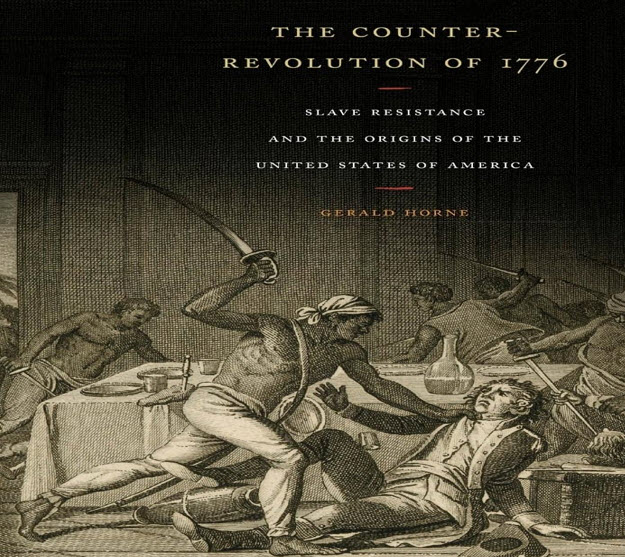
Dr. Gerald Horne: The Counter-Revolution of 1776: Slave Resistance and the Origins of the United States of America_eBook and Audiobook, with Trump 2.0: Gerald Horne on the Future of White Supremacy, Imperialism & the Rise of Third-Worldism (Jedaal English)

Dr. Gerald Horne is an American historian who currently holds the John J. and Rebecca Moores Chair of History and African American Studies at the University of Houston. 

Book Summary

Dr. Gerald Horne’s “The Counter-Revolution of 1776” presents a provocative reinterpretation of the American Revolution, arguing that it was not merely a struggle for independence from British rule but also a response to the increasing resistance of enslaved people. Horne posits that the revolution was fundamentally counter-revolutionary, aimed at preserving the institution of slavery and maintaining white supremacy. The book examines the social, political, and economic tensions that fueled both the revolution and the resistance of enslaved individuals, ultimately framing the American founding in a broader context of global struggles against colonialism and oppression.

The following outline captures the key themes and structure of Horne’s argument, highlighting the interconnections between slave resistance and the events leading to the formation of the United States.

Introduction

  • Explanation of the book’s thesis
  • Contextualization of the American Revolution within the framework of slavery

The Background of Slavery in Colonial America

  • Overview of the institution of slavery in the colonies
  • Economic importance of slavery to colonial economies
  • Social hierarchies and racial ideologies

Rising Tensions

  • Factors leading to increased resistance among enslaved people
  • The role of the British in promoting freedom for enslaved individuals
  • Key instances of slave resistance prior to the revolution

The Revolutionary Context

  • The impact of the American Revolution on colonial society
  • The ideological conflict between liberty and slavery
  • Examination of revolutionary leaders’ views on slavery

The Counter-Revolutionary Nature of the American Revolution

  • Analysis of how the revolution sought to protect slavery
  • The role of Southern colonies in shaping revolutionary goals
  • The influence of slave uprisings on revolutionary rhetoric

Global Implications

  • Connections between the American Revolution and global slave resistance
  • The impact of the revolution on other colonies and enslaved populations
  • The emergence of new ideologies and movements in response to slavery

The Legacy of the Counter-Revolution

  • Long-term effects of the American Revolution on slavery and race relations
  • The establishment of a national identity rooted in white supremacy
  • Reflections on the implications for understanding American history today

Conclusion

  • Summation of key arguments
  • The importance of recognizing the role of slavery in shaping American history
  • Call for re-examination of the narratives surrounding the founding of the United States

The Counter-Revolution of 1776_eBook

Illuminates how the preservation of slavery was a motivating factor for the Revolutionary War
The successful 1776 revolt against British rule in North America has been hailed almost universally as a great step forward for humanity. But the Africans then living in the colonies overwhelmingly sided with the British. In this trailblazing book, Gerald Horne shows that in the prelude to 1776, the abolition of slavery seemed all but inevitable in London, delighting Africans as much as it outraged slaveholders, and sparking the colonial revolt.
Prior to 1776, anti-slavery sentiments were deepening throughout Britain and in the Caribbean, rebellious Africans were in revolt. For European colonists in America, the major threat to their security was a foreign invasion combined with an insurrection of the enslaved. It was a real and threatening possibility that London would impose abolition throughout the colonies―a possibility the founding fathers feared would bring slave rebellions to their shores. To forestall it, they went to war.
The so-called Revolutionary War, Horne writes, was in part a counter-revolution, a conservative movement that the founding fathers fought in order to preserve their right to enslave others. The Counter-Revolution of 1776 brings us to a radical new understanding of the traditional heroic creation myth of the United States.

Pop the document out from the upper right to read / expand / download.

The Counter-Revolution of 1776_Audiobook

Trump 2.0: Gerald Horne on the Future of White Supremacy, Imperialism & the Rise of Third-Worldism (Jedaal English)

RBG Communiversity Dr. Gerald Horne Video Edu. Player (31)

Learn more in RBG Communiversity Knowledge Media eLibrary:

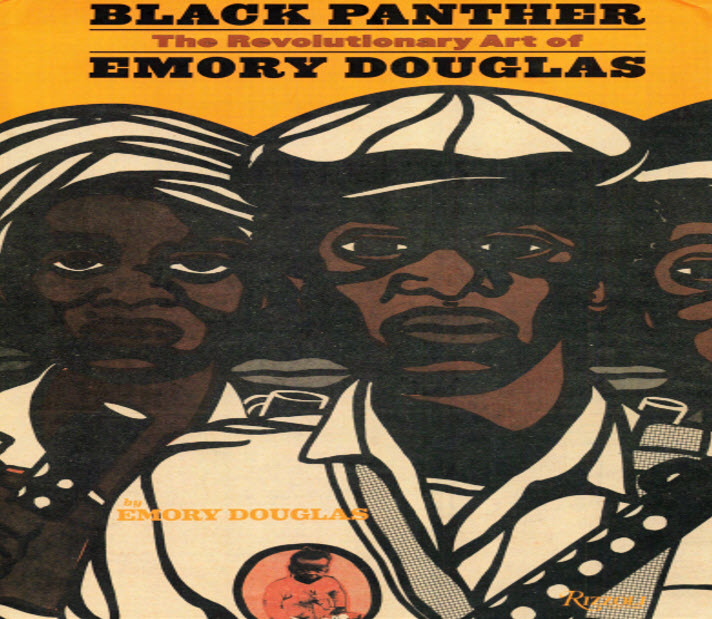
Black Panther_ The Revolutionary Art of Emory Douglas (Book Preview) and Emory Douglas_The Art of The Black Panthers (BPP |BAM Video Player), with BPP Newspapers_1969

Buy the Book here. https://www.rizzoliusa.com/book/9780847841899/ (228 Pages.)

4 Video Playlist

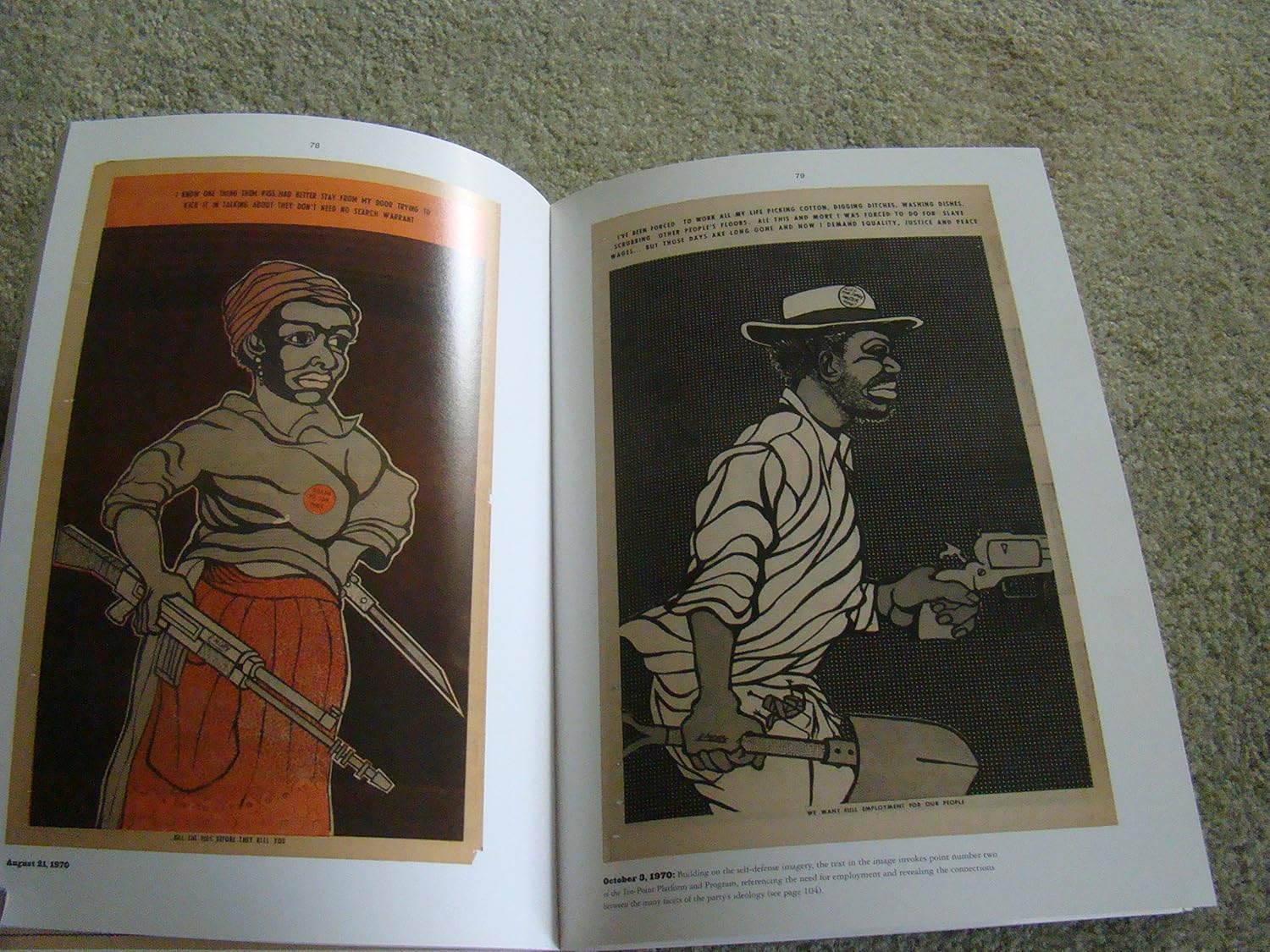
Black Panther_ The Revolutionary Art of Emory Douglas, Publish 2014. (Book Preview)

Description

A reformatted and reduced price edition—including a revised and updated introduction by Sam Durant and new text on the artist today by Colette Gaiterof the first book to show the provocative posters and groundbreaking graphics of the Black Panther Party. The Black Panther Party for Self Defense, formed in the aftermath of the assassination of Malcolm X in 1965, sounded a defiant cry for an end to the institutionalized subjugation of African Americans. The Black Panther newspaper was founded to articulate the party’s message, and artist Emory Douglas became the paper’s art director and later the party’s minister of culture. Douglas’s artistic talents and experience proved a powerful combination: his striking collages of photographs and his own drawings combined to create some of the era’s most iconic images. This landmark book brings together a remarkable lineup of party insiders who detail the crafting of the party’s visual identity.

About The Author

Emory Douglas was the Minister of Culture for the Black Panther Party from 1967 until its discontinuation in the early 1980s. Colette Gaiter is associate professor of visual communications in the art department at the University of Delaware.  Bobby Seale co-founded the Black Panther Party with Huey Newton. Sam Durant is a Los Angeles–based artist. Danny Glover is an actor, producer, and director. Kathleen Cleaver, attorney, author, and senior lecturer at Yale University and Emory Law School, joined the Black Panther Party in 1967. Amiri Baraka is a writer and political activist.

Pop the document out from the upper right to read / expand / download.

BPP Newspapers_1969

Click to Open

Learn more in RBG Communiversity Knowledge Media eLibrary: