
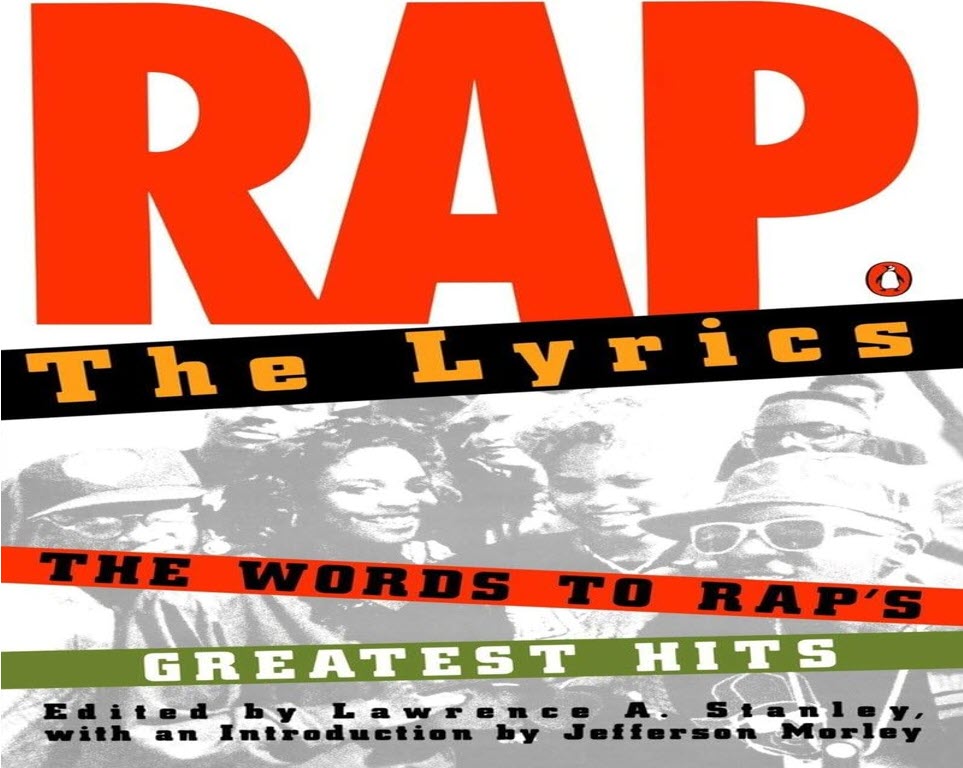
From the Preface: “…This book is about rap. It is also about freedom of speech, since rap has become a battleground upon which an intolerant and powerful minority-most of whom happen to be white-has attempted to enforce its values against a disenfranchised and largely powerless minority-most of whom happen to be black. This is, of course, not to say that rap is the only focus for zealots who strive to make America a land of middle-class conformity…”
This book contains the complete lyrics to 150 [147 vids herein] old school rap songs, with a history and overview of this musical form up until the early nineties. Once dismissed as a fashionable music form, rap is a vital force in American culture itself. From music awards to McDonalds adverts, sounds of rap have permeated the media. Controversies caused by groups such as Public Enemy, and sometimes coarse language and lyrics of the street have caused the public at large to scrutinize popular music in an attempt to control it. Like every other genre of music, the lyrics run from socially aware to hedonistic and everything in between.
Book Summary
“Rap: The Lyrics,” edited by Lawrence A. Stanley, is a compilation that showcases the evolution and impact of rap music through its lyrics. It provides insights into the cultural significance of rap and the artistry involved in lyricism. This overview and outline captures the essence of “Rap: The Lyrics” and highlights the significance of the lyrical content within the rap genre.
Overview
- Purpose: To highlight the lyrical artistry of rap and its cultural implications.
- Content: A collection of notable rap lyrics from various artists across different eras.
- Themes: Explores themes such as social issues, personal struggles, identity, and celebration of life.
- Impact: Examines the influence of rap on music, culture, and society.
Outline
- Introduction
- Definition of rap and its origins
- Importance of lyrics in rap music
- Overview of the book’s structure
- Chapter 1: The Roots of Rap
- Historical context of rap music
- Influence of African American culture and oral traditions
- Early pioneers of rap
- Chapter 2: Lyrical Themes
- Social justice and activism in lyrics
- Personal narratives and storytelling
- Celebration and party themes
- Chapter 3: The Evolution of Style
- Different styles and sub-genres of rap
- Influence of technology and production techniques
- Notable artists and their unique contributions
- Chapter 4: Cultural Impact
- Rap as a voice for marginalized communities
- Global influence of rap music
- Rap in mainstream media and its commercialization
- Chapter 5: Case Studies
- Analysis of specific songs and their lyrics
- Breakdown of lyrical techniques and poetry
- Impact of these songs on culture and society
- Conclusion
- Summary of key points
- The future of rap and its continuing evolution
- Final thoughts on the importance of lyrics in shaping the genre
“Rap: The Lyrics” delves deeper into various aspects of rap music, focusing on its rich lyrical content. Here is a more detailed exploration of the book’s themes and chapters:
Introduction
- Definition of Rap: The introduction sets the stage by defining rap as a genre characterized by rhythmic speech and intricate wordplay, distinguishing it from other music forms.
- Importance of Lyrics: It emphasizes that lyrics are not just a component of rap but the core essence that conveys messages, emotions, and stories.
Chapter 1: The Roots of Rap
- Historical Context: This chapter traces the roots of rap back to African American oral traditions, including spoken word and storytelling.
- Pioneers: It highlights key figures like DJ Kool Herc, Grandmaster Flash, and the Sugarhill Gang, who laid the foundation for the genre.
Chapter 2: Lyrical Themes
- Social Justice: Explores how artists address issues like racism, poverty, and police brutality, making rap a powerful tool for activism.
- Personal Narratives: Discusses how artists share their life experiences, struggles, and triumphs, creating a connection with listeners.
- Celebration: Highlights the fun and party aspects of rap, showcasing how it also serves as an outlet for joy and community bonding.
Chapter 3: The Evolution of Style
- Sub-genres: This chapter covers the emergence of various rap styles, such as gangsta rap, conscious rap, and trap, each with distinct lyrical approaches.
- Technology: Examines how advancements in music production and distribution have influenced lyrical content and accessibility.
- Notable Artists: Profiles influential artists like Tupac Shakur, The Notorious B.I.G., Nas, and Jay-Z, discussing their unique contributions to the genre.
Chapter 4: Cultural Impact
- Voice for the Marginalized: Analyzes how rap gives a voice to communities often overlooked by mainstream media, addressing their realities and aspirations.
- Global Influence: Looks at how rap has transcended borders, impacting artists worldwide and leading to the creation of local rap scenes.
- Commercialization: Discusses the tension between artistic integrity and commercial success, examining how mainstream acceptance has affected lyrical content.
Chapter 5: Case Studies
- Song Analysis: This chapter provides in-depth analyses of specific tracks, breaking down the lyrics and discussing their significance.
- Lyrical Techniques: Focuses on various literary devices used in rap, such as metaphors, similes, and internal rhymes, showcasing the artistry involved.
- Cultural Impact: Each case study illustrates how certain songs have resonated with audiences, influenced societal change, or sparked conversations.
Conclusion
- Summary of Key Points: Recaps the essential themes discussed throughout the book, reinforcing the importance of lyrics in rap.
- Future of Rap: Speculates on the genre’s future, considering emerging trends and the ongoing evolution of lyrical content.
- Final Thoughts: Emphasizes rap’s role as a significant cultural force, shaping not only music but also social discourse.
Significance
“Rap: The Lyrics” serves as both an academic resource and a celebration of the artistry within rap music. It appeals to both fans and scholars, providing insights into the complexities of rap lyrics and their broader cultural implications. The book emphasizes that rap is not just entertainment; it is a powerful means of expression that reflects the realities of life for many.
Pop the document out from the upper right to read / expand / download.
 RBG Communiversity: Message 2 Da Grassroots