Neo-Colonialism and the Poverty of ‘Development’ in Africa by Mark Langan
Pop the document out from the upper right to read / expand / download.
Langan reclaims neo-colonialism as an analytical force for making sense of the failure of ‘development’ strategies in many African states in an era of free market globalization. Eschewing polemics and critically engaging the work of Ghana’s first President – Kwame Nkrumah – the book offers a rigorous assessment of the concept of neo-colonialism. It then demonstrates how neo-colonialism remains an impediment to genuine empirical sovereignty and poverty reduction in Africa today. It does this through examination of corporate interventions; Western aid-giving; the emergence of ‘new’ donors such as China; EU-Africa trade regimes; the securitisation of development; and the UN Sustainable Development Goals. Throughout the chapters, it becomes clear that the current challenges of African development cannot be solely pinned on so-called neo-patrimonial elites. Instead it becomes imperative to fully acknowledge, and interrogate, corporate and donor interventions which lock many poorer countries into neo-colonial patterns of trade and production. The book provides an original contribution to studies of African political economy, demonstrating the on-going relevance of the concept of neo-colonialism, and reclaiming it for scholarly analysis in a global era. (Source:
Supplemental: Neo-Colonialism, the Last Stage of Imperialism by Kwame Nkrumah
14 Video Playlist
Pop the document out from the upper right to read / expand / download.
In 1997, Brandon Jackson was convicted for a crime he said he did not commit. An Applebee’s restaurant outside of Shreveport, Louisiana was robbed for $6,500. Nobody was injured. There was no physical evidence connecting him to the crime.
At trial, two jurors voted to acquit him. In 48 states, it would have been a mistrial, and he may have walked free, but Louisiana’s Jim Crow-era laws, designed to lock up Black defendants, allowed for nonunanimous jury convictions. Jackson was sentenced to life.
Conviction opens in the days after Brandon Jackson has been released on parole after 25 years in jail. The film follows Jackson as he grapples with the agoraphobia, paranoia and alienation borne of a quarter-century of unjust imprisonment.
The menial work available to him triggers memories of the slavery-like conditions at Louisiana’s notorious plantation prisons. He struggles against a parole system that demands more than $11,000 in fees and sends officers to his home before dawn. He concludes he is “free but not free”.
Over time, he finds community in a support group for formerly imprisoned people, and a sense of purpose advocating to reverse Louisiana’s last Jim Crow law.
Pop the documents out from the upper right to read / expand / download.
Supplemental: Policing The Black Man eBook and Audiobook, Ed. by Angela J. Davis
Book Summary
“Policing the Black Man: Arrest, Prosecution, and Imprisonment,” edited by Angela J. Davis, is a critical anthology that explores the systemic issues surrounding the policing of Black men in America. The book compiles essays and analyses from various scholars, activists, and legal experts who discuss the historical and contemporary challenges faced by Black men within the criminal justice system. It addresses the intersections of race, law enforcement, and the legal system, providing a comprehensive examination of how racial bias manifests in policing, arrest practices, prosecution, and incarceration. Through its diverse perspectives, the anthology aims to shed light on the urgent need for reform and the importance of addressing racial disparities in the criminal justice system.
The outline that follows captures the main themes and structure of “Policing the Black Man,” highlighting the critical discussions within the anthology regarding the systemic challenges faced by Black men in the criminal justice system. The book serves as an important resource for understanding the complexities of race, policing, and the urgent need for reform in the pursuit of justice and equality.
I. Introduction
Overview of the book’s purpose: to highlight the systemic issues of policing Black men
Introduction to Angela J. Davis and her role as an editor and scholar
The significance of understanding the intersections of race and the criminal justice system
II. Historical Context of Policing Black Men
Examination of the historical roots of policing and its impact on Black communities
Discussion of slavery, Jim Crow laws, and their influences on contemporary policing practices
Overview of the evolution of law enforcement in relation to race
III. The Impact of Racial Profiling
Analysis of racial profiling and its effects on Black men and communities
Personal narratives and statistics illustrating the prevalence of profiling in policing
Discussion of the psychological and social implications of being targeted by law enforcement
IV. Arrest Practices and Legal Outcomes
Examination of arrest practices that disproportionately affect Black men
Analysis of the legal processes following arrests, including bail, charges, and plea deals
Insights into how systemic bias influences outcomes within the legal system
V. Prosecutorial Discretion and Racial Disparities
Exploration of the role of prosecutors in shaping criminal justice outcomes for Black men
Discussion of prosecutorial discretion and its impact on sentencing and plea bargaining
Examination of systemic inequalities in prosecution rates and outcomes
VI. Incarceration and Its Consequences
Analysis of the mass incarceration of Black men and its societal implications
Discussion of the conditions within prisons and their impact on individuals and families
Exploration of the long-term consequences of incarceration on communities and future generations
VII. Activism and the Push for Reform
Overview of grassroots movements and activism aimed at reforming policing practices
Discussion of policy proposals and initiatives to address racial disparities in the criminal justice system
Examination of the role of community engagement in advocating for change
VIII. Perspectives on Justice and Accountability
Exploration of alternative models of justice that address systemic racism
Discussion of the need for accountability within law enforcement and the legal system
Insights into successful initiatives and reforms that promote equity and justice
IX. Conclusion
Summary of key themes and insights from the anthology
Reflection on the importance of addressing systemic issues in policing and the criminal justice system
A call to action for continued advocacy and reform to achieve racial equity and justice
“Policing the Black Man: Arrest, Prosecution, and Imprisonment,” edited by Angela J. Davis, is an essential anthology that critically examines the systemic issues surrounding the policing of Black men in the United States. Through a collection of essays and contributions from various scholars, activists, and legal experts, the book highlights the pervasive racial biases that influence law enforcement practices, the criminal justice system, and the broader implications for Black communities.
“Policing the Black Man: Arrest, Prosecution, and Imprisonment” provides a comprehensive exploration of the issues surrounding the policing and criminalization of Black men in America. Here’s a deeper look into the key themes, arguments, and contributions found within the anthology:
Key Themes and Insights
Historical Context of Policing:
The anthology delves into the historical roots of policing in America, tracing its origins from slave patrols and the enforcement of Jim Crow laws. This historical perspective is crucial for understanding how contemporary policing practices are deeply intertwined with a legacy of racial oppression.
Contributors discuss how the criminalization of Black bodies has persisted over time, shaping the relationship between law enforcement and Black communities.
Racial Profiling:
Racial profiling is a central theme throughout the book, with various essays providing personal narratives and statistical analyses that demonstrate its prevalence. The contributors articulate the harmful effects of being disproportionately targeted by law enforcement, which leads to a cycle of mistrust and fear within Black communities.
The psychological impact of racial profiling on individuals and communities is also explored, highlighting the long-term consequences of such discriminatory practices.
Arrest Practices and Disparities:
The book examines arrest practices that disproportionately affect Black men, including the reasons behind these disparities. Contributors analyze how systemic biases influence decisions made by law enforcement officers during stops and arrests.
The discussion extends to the legal processes following arrests, shedding light on how racial biases continue to shape outcomes in the judicial system, from bail decisions to charges filed.
Prosecutorial Discretion:
The role of prosecutors in the criminal justice system is critically analyzed, particularly how prosecutorial discretion can perpetuate racial disparities. Essays highlight the factors that influence sentencing, plea bargaining, and the overall treatment of Black defendants in the legal system.
The contributors emphasize the need for greater accountability and transparency in prosecutorial practices to dismantle systemic inequalities.
Mass Incarceration:
The anthology addresses the phenomenon of mass incarceration, particularly its impact on Black men and their communities. Contributors discuss the factors contributing to high incarceration rates, including the War on Drugs and mandatory minimum sentencing laws.
The societal implications of mass incarceration, such
Impact of Incarceration on Communities:
The book discusses the ripple effects of incarceration on families, communities, and society at large. Contributors explore how mass incarceration disrupts family structures, affects economic stability, and perpetuates cycles of poverty and disenfranchisement.
The long-term consequences of incarceration extend beyond the individual, impacting children and future generations. The stigma associated with having a criminal record can hinder employment opportunities, housing stability, and access to education.
Activism and Grassroots Movements:
The anthology highlights the role of grassroots activism in challenging systemic injustices within policing and the criminal justice system. Contributors discuss movements such as Black Lives Matter, which have emerged in response to police violence and racial profiling.
The book emphasizes the importance of community organizing and advocacy in pushing for policy reforms and holding law enforcement accountable. Activists are portrayed as vital agents of change who work to raise awareness and mobilize communities around issues of justice and equality.
Policy Proposals and Reform Efforts:
Various contributors present policy proposals and reform efforts aimed at addressing the systemic issues highlighted throughout the book. These proposals include measures such as implementing body cameras, revising use-of-force policies, and increasing community oversight of police departments.
The need for comprehensive criminal justice reform is underscored, with calls for a re-evaluation of current practices and a commitment to addressing racial disparities in policing and sentencing.
Perspectives on Justice and Accountability:
The anthology explores alternative models of justice that focus on restorative practices rather than punitive measures. Contributors discuss the potential for community-based solutions that prioritize healing and reconciliation.
The need for accountability within law enforcement is emphasized, with discussions on mechanisms for ensuring that police departments are held responsible for misconduct and abuse of power.
Intersectionality of Race, Class, and Gender:
Several essays address how race intersects with other social identities, including class and gender, to compound the effects of policing and criminalization. The experiences of Black women and LGBTQ+ individuals within the criminal justice system are also examined, highlighting the need for an intersectional approach to justice.
The importance of understanding these complexities is stressed, as it allows for a more nuanced analysis of how systemic oppression operates and how it can be effectively challenged.
Conclusion
“Policing the Black Man” serves as a critical resource for understanding the systemic challenges faced by Black men within the criminal justice system. Angela J. Davis’s editorial vision brings together diverse voices and perspectives that collectively illuminate the urgent need for reform and the importance of confronting racial biases in policing.
The anthology not only highlights the historical and contemporary realities of racial injustice but also emphasizes the power of activism, community engagement, and policy reform in the pursuit of justice. By fostering a deeper understanding of these issues, the book calls upon readers to engage actively in the fight against systemic racism and to advocate for a more equitable legal system.
Overall, “Policing the Black Man” is a significant contribution to the discourse on race and justice in America, encouraging dialogue and action toward dismantling the structures that perpetuate racial disparities in policing and incarceration.
(L-R): Fleeta Drumgo, 26; John W. Cluchette, 28; and Jackson, 29.
Book Summary
Overview: “Imprisoned Intellectuals: America’s Political Prisoners Write on Life, Liberation, Rebellion,” edited by Joy James, is a compelling anthology that brings together the voices of political prisoners in the United States. The book sheds light on the experiences, thoughts, and struggles of individuals who have been incarcerated for their political beliefs and activism. Through essays, letters, and reflections, the contributors explore themes of resistance, identity, and the impact of systemic oppression.
The outline that follows provides a structured overview of the themes and discussions presented in the book, showcasing the voices and experiences of those who have faced political imprisonment in America.
Outline:
Introduction
Overview of the book’s purpose and significance
Importance of political prisoners in contemporary society
Brief introduction to the editor, Joy James, and her vision for the anthology
Chapter 1: The Context of Political Imprisonment
Historical background of political imprisonment in the U.S.
Discussion on the targeted oppression of marginalized groups
Overview of the legal and social frameworks supporting political incarceration
Chapter 2: Voices from the Inside
Personal narratives from various political prisoners
Reflections on life in prison and the psychological effects of incarceration
Insights into maintaining identity and purpose while imprisoned
Chapter 3: Rebellion and Resistance
Analysis of acts of resistance and rebellion within prison walls
The role of solidarity among prisoners
Examination of hunger strikes, protests, and other forms of activism
Chapter 4: The Role of Education and Intellectualism
The importance of education and intellectual engagement for prisoners
Contributions of imprisoned intellectuals to social and political thought
Discussion on how education serves as a form of resistance
Chapter 5: Liberation Movements and Solidarity
Connections between imprisoned intellectuals and broader liberation movements
The role of community support and activism outside prison
Strategies for building solidarity and alliances for change
Chapter 6: The Future of Political Prisoners
Reflections on the potential for reform and change in the penal system
Hope and resilience among political prisoners
Calls to action for readers and activists
Conclusion
Summary of key themes and insights from the anthology
The ongoing struggle for justice and liberation
Invitation for readers to engage with the issues presented in the book
Appendices
Additional resources for understanding political imprisonment
Information on organizations supporting political prisoners
Suggested readings and further research topics
Imprisoned Intellectuals eBook Ed. Joy James
Pop the document out from the upper right to read / expand / download.
Imprisoned Intellectuals Audiobook Part 1
Imprisoned Intellectuals Audiobook Part 2
Learn more in RBG Communiversity Knowledge Media eLibrary:
Pop the document out from the upper right to read / expand / download.
Red Black and Green: Black Nationalism in the United States by Alphonso Pinkney
Book Summary
“Red, Black and Green: Black Nationalism in the United States” by Alphonso Pinkney is a comprehensive examination of the history, ideology, and impact of Black Nationalism in the U.S. The book delves into the various movements and figures that have shaped Black Nationalist thought from the early days of American slavery to the late 20th century. Pinkney analyzes the cultural, political, and economic dimensions of Black Nationalism, exploring its significance in the broader context of the African American (New Afrikan) struggle for freedom and self-determination. Through this lens, the book examines how Black Nationalism has evolved and influenced contemporary discussions on race and identity.
The outline that follows captures the essence of “Red, Black and Green,” highlighting Alphonso Pinkney’s exploration of Black Nationalism’s historical roots, ideological development, and contemporary expressions. The book provides a thorough analysis of the cultural, political, and economic dimensions of Black Nationalism, emphasizing its significance in the broader narrative of African American (New Afrikan) history and identity.
Introduction
Overview of Black nationalism and its significance in American history
Explanation of the book’s objectives and scope
Introduction to the concepts of “Red, Black, and Green” as symbolic colors of Black Nationalism
Historical Roots of Black Nationalism
Examination of the origins of Black nationalism during slavery
Early expressions of resistance and self-identification
Key figures such as Frederick Douglass and Sojourner Truth
The impact of the Haitian Revolution on Black national consciousness
The influence of Pan-Africanism and global movements for independence
Development of Black Nationalist Ideologies
Exploration of different strands of Black nationalism
Cultural nationalism: Emphasis on Black identity and heritage
Political nationalism: Focus on self-governance and autonomy
Economic nationalism: Advocacy for Black-owned businesses and economic independence
Analysis of the writings and speeches of influential Black nationalists, including Marcus Garvey, W.E.B. Du Bois, and Malcolm X
The Role of Organizations in Black Nationalism
Overview of key organizations that have promoted Black nationalist ideals
The Universal Negro Improvement Association (UNIA) and Marcus Garvey’s influence
The Nation of Islam and its impact on Black identity and spirituality
The Black Panther Party and its revolutionary agenda
Examination of the strategies and goals of these organizations in the pursuit of Black empowerment
Black Nationalism and the Civil Rights Movement
Analysis of the relationship between Black Nationalism and the Civil Rights Movement
Tensions between integrationist and nationalist approaches
The role of Black nationalism in shaping the rhetoric and strategies of civil rights activists
Case studies of key events where Black Nationalism played a prominent role, such as the Watts Riots and the Black Power Movement
Contemporary Expressions of Black Nationalism
Exploration of how Black nationalism has persisted and adapted in the late 20th century
The influence of hip-hop culture and contemporary artists on Black nationalist thought
Discussion of current movements and ideologies that reflect Black nationalist principles, including reparations and Black Lives Matter
Critiques and Challenges to Black Nationalism
Examination of criticisms directed at Black nationalism from within and outside the African American community
Concerns about separatism and exclusionary practices
Debates on the effectiveness of nationalism in achieving liberation
Analysis of the intersectionality of race, class, and gender within Black nationalist discourse
Conclusion
Summary of key insights regarding the evolution and impact of Black nationalism in the United States
Reflection on the ongoing relevance of Black nationalism in contemporary society
Final thoughts on the future of Black nationalist movements and their potential for social change
“Red, Black and Green” is a pivotal work that offers a detailed examination of the evolution of Black Nationalism as a significant ideological and social movement in American history. The book not only traces the historical roots of Black Nationalism but also analyzes its various manifestations and implications for African American identity and social justice. Here’s a deeper look into the key themes, contributions, and implications of Pinkney’s work:
Key Themes Explored
Historical Foundations of Black Nationalism
Pinkney emphasizes that Black Nationalism has deep historical roots, dating back to the era of slavery. Enslaved Africans developed a sense of identity and community through resistance and cultural retention.
The book discusses the impact of early Black leaders and activists who laid the groundwork for nationalist thought, including Frederick Douglass, who advocated for freedom and equality, and Sojourner Truth, who highlighted the intersection of race and gender in her activism.
The Influence of Global Movements
Pinkney situates Black Nationalism within a global context, highlighting the influence of Pan-Africanism and the Haitian Revolution on Black Nationalist sentiment in the U.S.
He discusses how the successes of other independence movements inspired African Americans to seek self-determination and empowerment, fostering a sense of global solidarity among people of African descent.
Diverse Ideologies within Black Nationalism
The book explores various strands of Black nationalism, including:
Cultural Nationalism: Advocating for the celebration and affirmation of Black culture, arts, and identity.
Political Nationalism: Emphasizing the need for self-governance, political representation, and autonomy within the broader American political landscape.
Economic Nationalism: Promoting the establishment of Black-owned businesses and economic independence as a means of empowerment.
Pinkney highlights key figures such as Marcus Garvey, who promoted African heritage and economic empowerment, and Malcolm X, who emphasized self-defense and national identity.
Organizations and Movements
The book provides an overview of significant organizations that propagated Black nationalist ideologies, including:
The Universal Negro Improvement Association (UNIA): Founded by Marcus Garvey, this organization aimed to unite people of African descent and promote economic self-sufficiency.
The Nation of Islam: Led by figures like Elijah Muhammad and later Louis Farrakhan, this movement emphasized spiritual and cultural empowerment, alongside a critique of systemic racism.
The Black Panther Party: Known for its revolutionary agenda and community programs, the Panthers combined elements of Black Nationalism with a broader social justice framework.
Pinkney discusses how these organizations mobilized communities and influenced political discourse.
Interaction with the Civil Rights Movement
Pinkney analyzes the complex relationship between Black Nationalism and the Civil Rights Movement. He highlights the tensions between integrationist approaches, represented by leaders like Martin Luther King Jr., and nationalist perspectives that sought more radical changes.
The book examines how events like the Watts Riots and the rise of the Black Power Movement brought Black Nationalism to the forefront of national consciousness, emphasizing the need for autonomy and self-definition.
Contemporary Relevance
The later chapters of the book explore how Black Nationalism has persisted and transformed into contemporary expressions. Pinkney discusses the role of hip-hop culture, which often incorporates themes of resistance and empowerment, as a modern manifestation of nationalist thought.
He also addresses current movements like the Black Lives Matter movement, which reflect many of the principles of Black Nationalism, such as the fight against systemic racism and the demand for social justice and reparations.
Critiques of Black Nationalism
Pinkney does not shy away from presenting critiques of Black Nationalism, including concerns about its potential for exclusion and separatism. He explores the debates within the Black community regarding the effectiveness of nationalist strategies in achieving liberation and justice.
The book highlights the importance of intersectionality, acknowledging how race, class, and gender dynamics influence the discourse around Black Nationalism.
Conclusion and Broader Implications
Significance of Black Nationalism
In conclusion, Pinkney emphasizes that Black Nationalism is a vital part of the African American narrative and continues to play a crucial role in discussions about race, identity, and empowerment.
He reflects on the ongoing relevance of Black Nationalist thought in addressing systemic inequalities and fostering a sense of community and solidarity among Black Americans.
Future Directions
The book serves as both a historical account and a framework for understanding the future of Black Nationalist movements. Pinkney encourages continued engagement with the principles of Black Nationalism as a means to advocate for social change and justice.
Overall, “Red, Black and Green” is a critical contribution to the study of Black Nationalism and its impact on American history. Alphonso Pinkney’s analysis provides a rich and nuanced understanding of the complexities of Black Nationalism, its ideological diversity, and its enduring significance in the ongoing struggle for racial equality and justice. The book invites readers to consider how the legacy of Black Nationalism continues to shape contemporary discourse on race and identity in the United States.
Red Black and Green: Black Nationalism in the United States by Alphonso Pinkney_eBook
Pop the document out from the upper right to read / expand / download.
Learn more in RBG Communiversity Knowledge Media eLibrary:
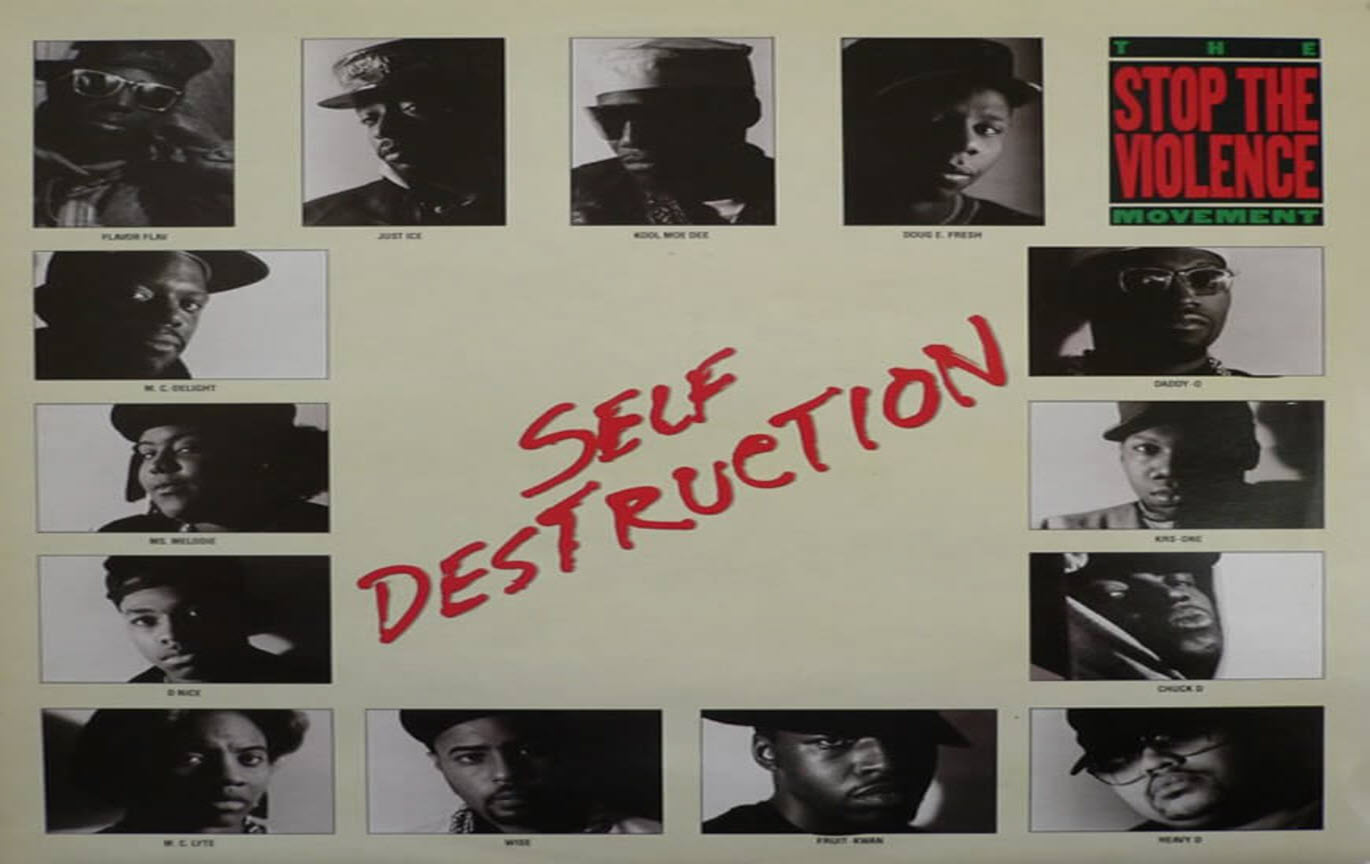
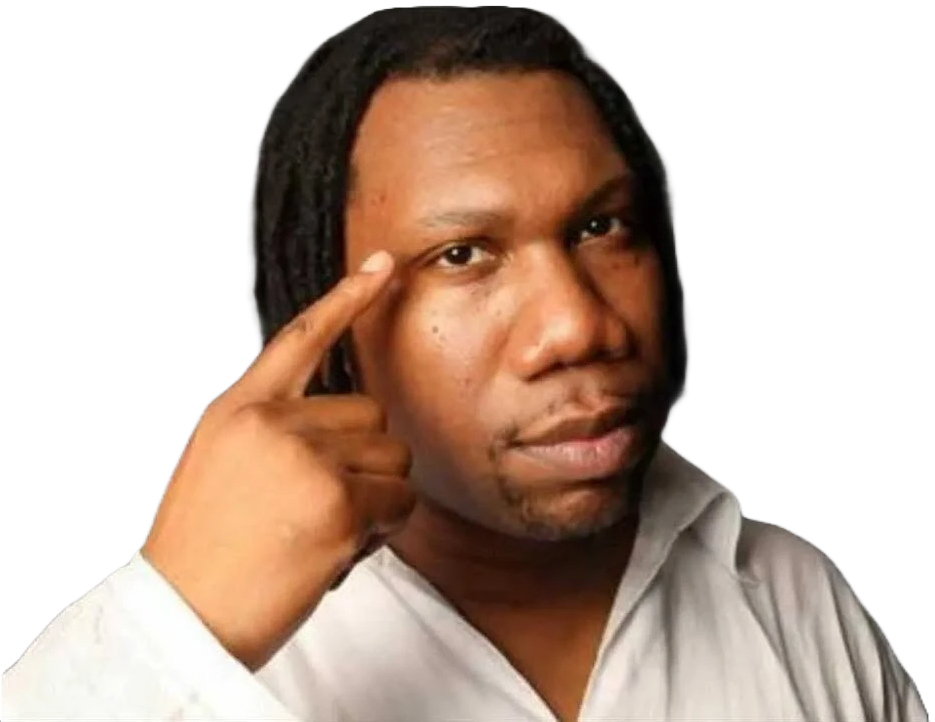
In 1988, during a concert by Boogie Down Productions and Public Enemy, a young fan was killed in a fight. The killing occurred shortly after Scott La Rock, a founding member of Boogie Down Productions, was killed in a shooting. KRS-One responded to these deaths by forming the Stop the Violence Movement to advance a vision of Hip Hop that would restore what he called Hip Hop’s original principles to the music industry. Composed of some of the biggest stars in contemporary East Coast Hip Hop, the movement released a single, “Self Destruction”, in 1989, with all proceeds going to the National Urban League. A music video was created, and a VHS cassette entitled Overcoming Self-Destruction—the Making of the Self-Destruction Video was also released.
Stop the Violence: Overcoming Self-Destruction. George, Nelson, Ed. The story of the Stop the Violence movement among rap music artists and music industry colleagues is told, along with the story of a video that was produced as part of this initiative. The Stop the Violence project grew out of the reaction to violence among concert goers at a 1987 rap concert on Long Island (New York). Rap musicians have joined projects that are centered around the “Self-Destruction” video, which is a rap performance calling for an end to violence and promoting positive action by young people to combat crime. The book contains lyrics, statements by the rappers, statistics about urban violence, letters from young people about their experiences of black-on-black crime, and the story of the Stop the Violence movement. Comments by the artists complement the project. Contains a 32-item reading list prepared by some contributors. (Source: https://eric.ed.gov/?id=ED377284)
Pop the document out from the upper right to read / expand / download.
Supplemental_The Making of The Self Destruction Video




 RBG Communiversity: Message 2 Da Grassroots
You must be logged in to post a comment.