Genocides (Past and Present) and Other Gross Human Rights Violations_Multimedia Education, with GENOCIDE: A Comprehensive Introduction Textbook, by Adam Jones, Shahid Bolsen and Supplemental_Rwanda: A Nation Resilient in the Aftermath of Genocide, by Samuel Totten

Last Updated 06-20-2025

Click for standalone poster.

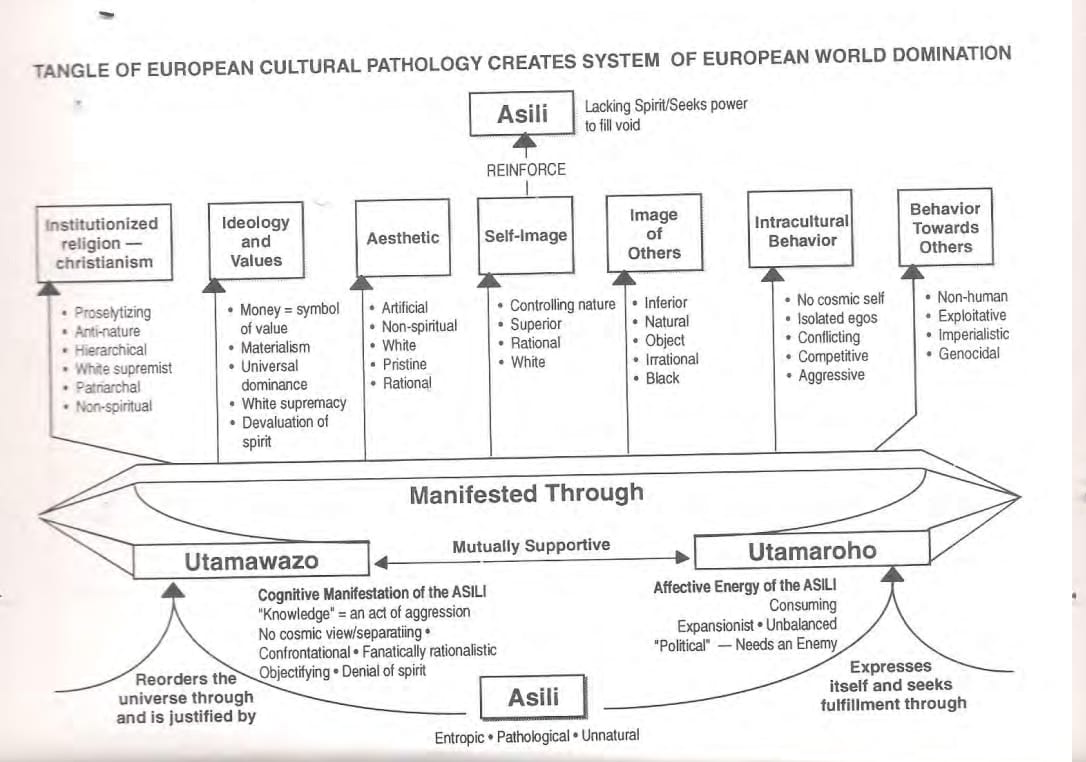
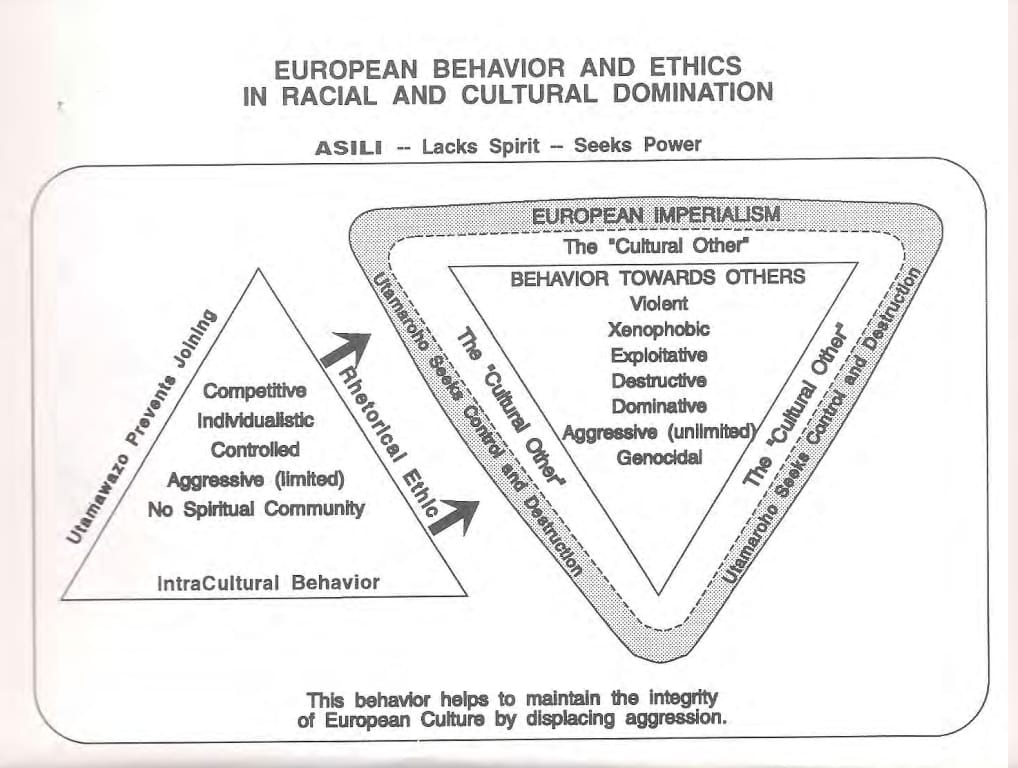
Important Note: “Unlike most twentieth-century cases of premeditated mass killing, the African slave trade was not undertaken by a single political force or military entity during the course of a few months or years. The transatlantic slave trade lasted for 400 years, from the 1450s to the 1860s, as a series of exchanges of captives reaching from the interior of sub-Saharan Africa to final purchasers in the Americas. It has been estimated that in the Atlantic slave trade, up to 12 million Africans were loaded and transported across the ocean under dreadful conditions. About 2 million victims died on the Atlantic voyage (the dreaded “Middle Passage”) and in the first year in the Americas.” From pdf below.

19 Video Playlist

Pop the documents out from the upper right to read / expand / download.

GENOCIDE: A Comprehensive Introduction Textbook, by Adam Jones

U.S. Supported and Facilitated GENOCIDE TODAY:

Search Results for: Genocide

Supplemental_Rwanda: A Nation Resilient in the Aftermath of Genocide Samuel Totten

Pop the document out from the upper right to read / expand / download.

Learn more in RBG Communiversity Knowledge Media eLibrary | Genocides_Past and Present Folder

David Walker’s Appeal (1830) – Full Reading and eBook

Click for standalone poster.

David Walker’s Appeal, arguably the most radical of all anti-slavery documents, caused a great stir when it was published in September of 1829 with its call for slaves to revolt against their masters. David Walker, a free black originally from the South wrote, “. . .they want us for their slaves, and think nothing of murdering us. . . therefore, if there is an attempt made by us, kill or be killed. . . and believe this, that it is no more harm for you to kill a man who is trying to kill you, than it is for you to take a drink of water when thirsty.” Even the outspoken William Lloyd Garrison objected to Walker’s approach in an editorial about the Appeal.

The goal of the Appeal was to instill pride in its black readers and give hope that change would someday come. It spoke out against colonization, a popular movement that sought to move free blacks to a colony in Africa. America, Walker believed, belonged to all who helped build it. He went even further, stating, “America is more our country than it is the whites — we have enriched it with our blood and tears.” He then asked, “will they drive us from our property and homes, which we have earned with our blood.

Click for standalone poster.

For new comers, pop the document out from the upper right to read / expand / download.

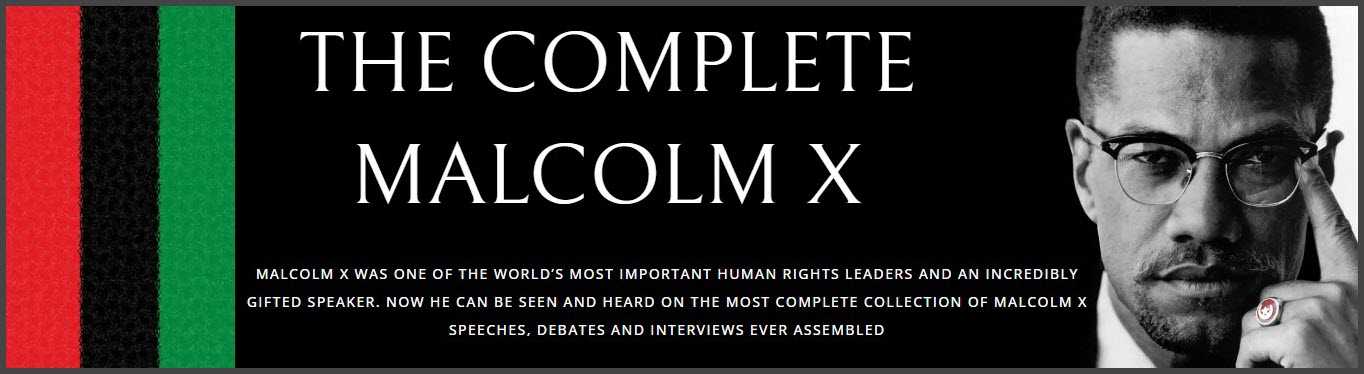
Malcolm X “The Ballot or the Bullet” King Solomon Baptist Church, Detroit, Michigan – April 12, 1964 Speech and Text

Note: “The Ballot or The Bullet” was a speech by Malcolm X mostly about black nationalism delivered April 12, 1964 in Detroit, Michigan. This speech is in the public domain. Originally obtained from the Vincent Voice Library at Michigan State University.

For new comers, pop the document out from the upper right to read / expand / download.
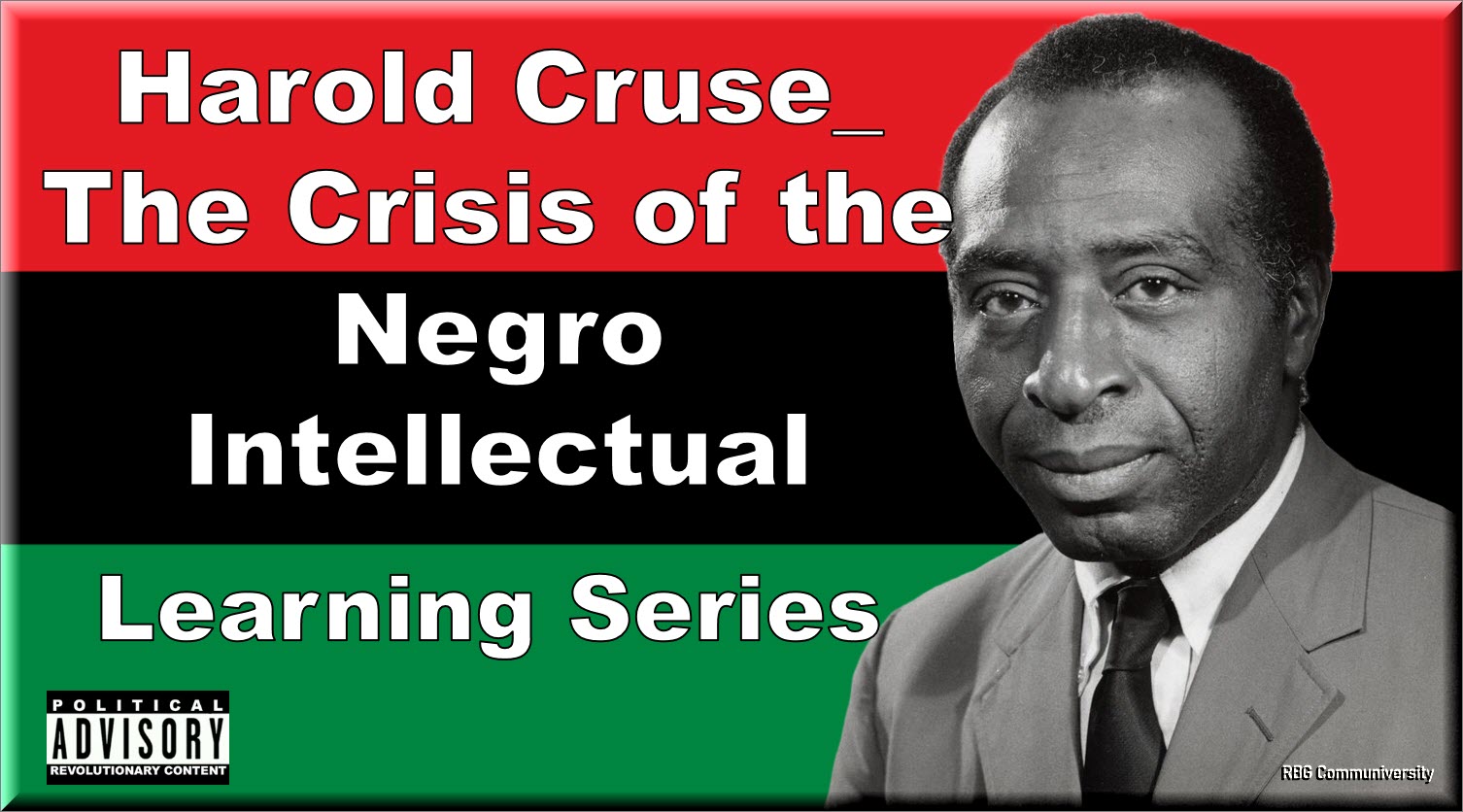
Harold Cruse_The Crisis of the Negro Intellectual Learning Series

Click for full size poster.

6 Video Playlist

SIDEBAR:

Why did Dr. Nathan Hare and Robert Chrisman break up the (Original) Black Scholar Journal?

Nathan Hare and Robert Chrisman had a significant falling out that led to the breakup of the Black Scholar journal due to a combination of personal, ideological, and professional differences.

  1. Ideological Differences: Hare and Chrisman had differing views on the direction and purpose of the journal. Their disagreements included issues related to race, identity, and the focus of the publication, which ultimately influenced their editorial decisions.
  2. Leadership Conflicts: Both individuals had strong personalities and visions for the journal, which led to conflicts over leadership and editorial control. As they struggled for influence, their relationship became strained.
  3. Personal Relationships: The breakdown of their professional partnership was also affected by personal tensions. Disagreements escalated into personal conflicts, which made collaboration increasingly difficult.
  4. Cultural Context: The broader cultural and political environment of the time, particularly during the civil rights movement, played a role in their differing perspectives. Each was influenced by the evolving discourse around race and politics, leading to diverging editorial priorities.
  5. Editorial Vision: Their differing visions for the journal’s content and readership contributed to the eventual split. Each wanted to take the journal in a different direction, which made it challenging to maintain a cohesive publication.
  6. Capsule: It was about Marxism vs Black Nationalism, I think, and thus, Chrisman’s obvious vitriol towards Harold Cruse’s ideological analysis. interesting enough , I’ve heard Chairman Omali teach in multiple lectures that marxism was nothing more than another form of white nationalism. Again, “the more things change the more they stay the same.” (See: RBG Tools of Analysis Page)

Pop the documents out from the upper right to read / expand / download.
Additional Reading: