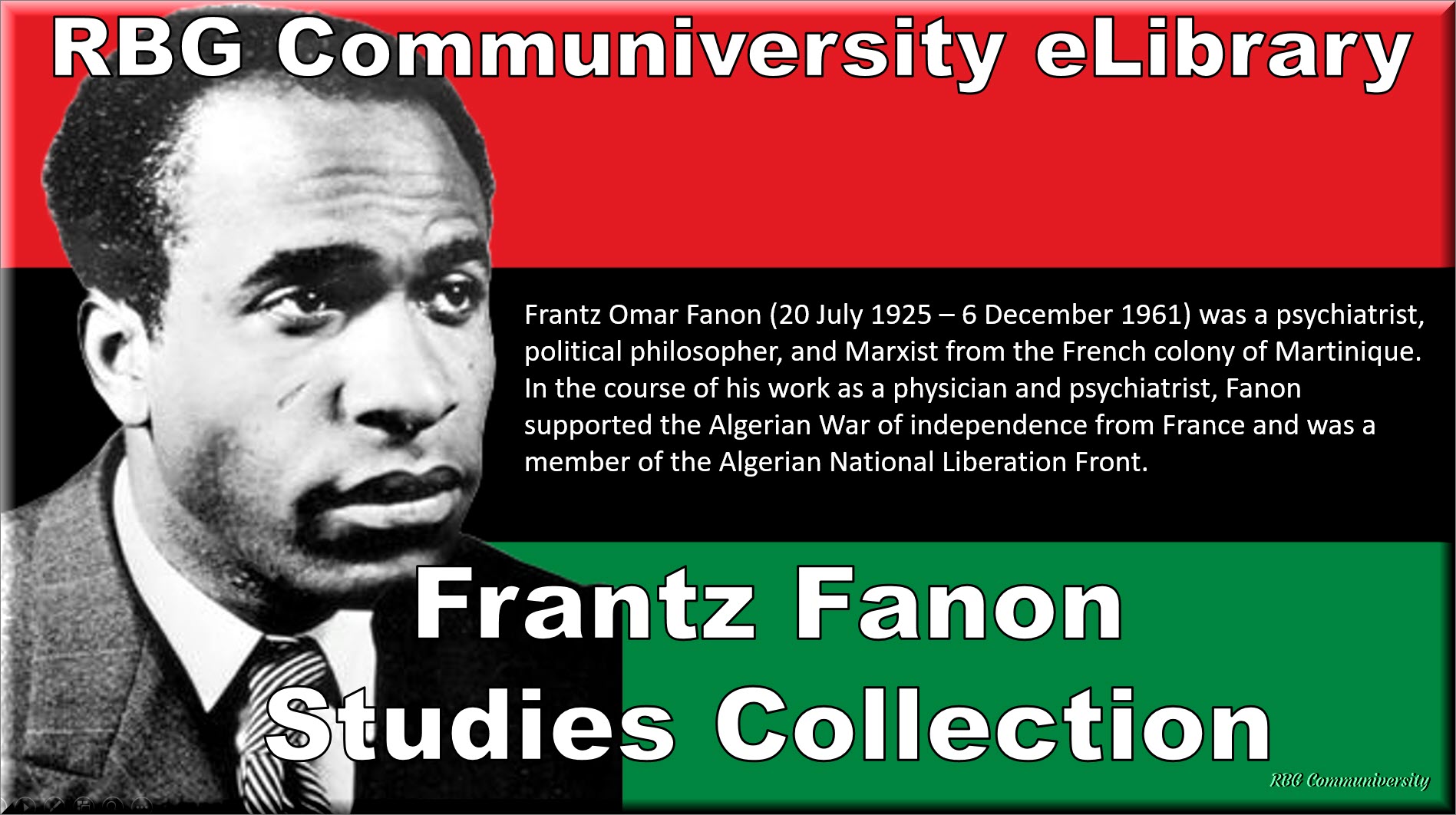
“The Wretched of the Earth” by Frantz Fanon is a seminal work in post-colonial literature and political theory, first published in 1961. Written in the context of the Algerian War of Independence against French colonial rule, the book explores the psychological and cultural impacts of colonialism on both the colonized and the colonizers. Fanon argues for the necessity of revolutionary violence as a means of achieving liberation and asserts that decolonization is not merely a political process but a profound transformation of society and individual consciousness. The book addresses themes of identity, race, violence, and the struggle for autonomy, making it a foundational text for anti-colonial movements and a critical resource for understanding the dynamics of power and oppression.
Outline
Introduction
Overview of the book’s themes and objectives
Discussion of the context of colonialism and its effects on the colonized
Introduction to Fanon’s background and his role in anti-colonial thought
Chapter 1: On Violence
Exploration of the role of violence in the process of decolonization
Argument that colonialism is maintained through violence and oppression
Assertion that revolutionary violence is a necessary response for liberation
Examination of the psychological effects of violence on both colonizers and the colonized
Chapter 2: The Lived Experience of the Black Man
Discussion of the psychological impact of colonialism on identity and self-perception
Exploration of racial stereotypes and their dehumanizing effects
Analysis of the alienation experienced by colonized individuals
Examination of the quest for identity and the reclaiming of self-worth
Chapter 3: The Pitfalls of National Consciousness
Critique of nationalist movements that fail to address the deeper issues of colonialism
Discussion of the dangers of a superficial national identity that does not challenge existing power structures
Argument for a more profound, collective consciousness that transcends mere nationalism
Emphasis on the need for a genuine revolutionary spirit that seeks social transformation
Chapter 4: On National Culture
Examination of the relationship between culture and liberation
Argument that decolonization must involve a reclamation and reinvention of culture
Discussion of the role of intellectuals in shaping a national culture that reflects the realities of the oppressed
Critique of cultural assimilation and the importance of authenticity in cultural expression
Chapter 5: The Role of the Intellectual
Analysis of the responsibilities of intellectuals in the context of decolonization
Discussion of the potential pitfalls of intellectualism that is disconnected from the struggles of the masses
Call for a new type of intellectual who is engaged with the realities of the oppressed and committed to revolutionary change
Chapter 6: The Aftermath of Decolonization
Exploration of the challenges faced by newly independent nations
Discussion of the persistence of colonial mentalities and structures post-independence
Examination of the socio-economic conditions that can hinder true liberation
Emphasis on the need for continuous struggle and vigilance in the pursuit of genuine freedom
Conclusion
Summary of key themes and arguments presented throughout the book
Reflection on the ongoing relevance of Fanon’s ideas in contemporary struggles against oppression
Call to action for those engaged in the fight for liberation and social justice
Significance of the Book
“The Wretched of the Earth” is a foundational text in post-colonial studies and remains a crucial reference for understanding the dynamics of colonialism, racism, and resistance. Fanon’s incisive analysis of the psychological and cultural dimensions of oppression provides a framework for examining the complexities of identity and the necessity of revolutionary action. His work has inspired countless movements for social justice and has influenced a wide range of disciplines, including sociology, psychology, and political science. Through its powerful critique of colonialism and its call for liberation, the book continues to resonate with those seeking justice
“The Wretched of the Earth” by Frantz Fanon is not only a powerful critique of colonialism but also a profound exploration of the psychological, cultural, and political dimensions of the struggle for liberation. Written during a time of intense anti-colonial movements, particularly in Africa, the book articulates the complexities of identity and the necessity of revolutionary violence as a means to achieve true freedom. Here’s a deeper analysis of the key themes, arguments, and implications of Fanon’s work:
Key Themes and Arguments
Violence as a Tool for Liberation
Fanon argues that colonialism is inherently violent, and thus, the struggle against it must also embrace violence as a means of resistance. He posits that revolutionary violence is a cathartic act that enables the colonized to reclaim their humanity and agency.
He emphasizes that the oppressed must rise against their oppressors to dismantle the structures of colonial power, rejecting the notion that they should adopt non-violent methods which have historically failed to bring about meaningful change.
Psychological Impact of Colonialism
A significant theme in the book is the psychological trauma inflicted upon colonized peoples. Fanon discusses how colonialism creates a sense of inferiority among the colonized, leading to an internalized racism and a fractured identity.
He highlights the need for a psychological decolonization, where individuals must confront and overcome the internalized beliefs imposed by colonial rule in order to forge a new self-identity that is rooted in dignity and self-worth.
Nationalism and Its Limitations
While acknowledging the importance of national consciousness in the struggle for independence, Fanon critiques nationalist movements that focus solely on achieving political sovereignty without addressing deeper social injustices.
He warns against a shallow nationalism that merely replaces colonial elites with local elites, arguing for a more profound transformation of society that includes economic and social reforms aimed at improving the lives of the masses.
Cultural Reclamation
Fanon contends that decolonization must involve a reclamation of culture. He advocates for an authentic cultural identity that reflects the realities and experiences of the colonized, free from colonial influences.
He discusses the role of intellectuals in this process, arguing that they should engage with the masses and contribute to the creation of a culture that supports liberation and social justice.
The Role of Intellectuals
In the context of revolution, Fanon emphasizes the critical role of intellectuals in shaping the consciousness of the people. However, he urges them to remain connected to the struggles of the oppressed rather than detaching themselves in pursuit of abstract ideas.
He calls for intellectuals who are not only theorists but also active participants in the fight for liberation, using their knowledge to empower the masses.
Post-Colonial Challenges
Fanon reflects on the challenges faced by newly independent nations, including the persistence of colonial mentalities and socio-economic inequalities. He assesses the difficulties in transitioning from colonial rule to genuine self-governance.
He argues that true liberation requires ongoing vigilance and struggle, as the remnants of colonial power can re-emerge in new forms, necessitating continual efforts toward social transformation.
Implications of Fanon’s Work
Revolutionary Thought and Action
Fanon’s insistence on the necessity of violence in the liberation struggle has inspired various revolutionary movements around the world. His ideas challenge the notion that oppressed peoples should passively accept their conditions and instead advocate for active resistance against injustice.
The book serves as a manual for understanding the dynamics of power and oppression, providing a framework for those engaged in struggles for justice and equality.
Continued Relevance
The themes explored in “The Wretched of the Earth” remain relevant today as issues of racial injustice, colonial legacies, and systemic oppression persist globally. Fanon’s analysis of identity and the psychological impacts of oppression can be applied to contemporary discussions on race, gender, and economic inequality.
Activists and scholars continue to draw upon Fanon’s insights to understand and challenge the complexities of modern-day struggles for liberation.
Cultural and Psychological Decolonization
Fanon’s call for cultural reclamation resonates with movements that seek to celebrate and restore indigenous identities, languages, and practices that have been marginalized or erased by colonialism.
His emphasis on psychological liberation highlights the importance of fostering a sense of dignity and self-worth among marginalized communities as a foundational step toward achieving social justice.
Conclusion
“The Wretched of the Earth” by Frantz Fanon is a powerful and transformative work that critiques colonialism and advocates for revolutionary action as a means of achieving liberation. Through its exploration of violence, identity, culture, and the role of intellectuals, the book provides a profound understanding of the complexities of the struggle for freedom. Fanon’s insights remain a vital part of the discourse on colonialism, race, and social justice, encouraging readers and activists to confront the legacies of oppression and work towards a more equitable and just society.
Pop the document out from the upper right to read / expand / download.
SUPPLEMENTAL: Black Skin, White Masks| Frantz Fanon
Remember, pop the document out from the upper right to read / expand / download.
Pop the document out from the upper right to read / expand / download.
Garvey and Garveyism by Amy Jacques Garvey
Amy Jacques Garvey worked closely with her husband, Marcus Garvey, throughout his crusade. Here she gives an insider detailed account of Garvey, Garveyism, and this nascent period of Black Nationalism. Like all great dreamers and planners, Marcus Garvey dreamed and planned ahead of his time and his peoples’ ability to understand the significance of his life’s work. A set of circumstances, mostly created by the world colonial powers, crushed this dreamer, but not his dreams. Due to the persistence and years of sacrifice of Mrs. Amy Jacques Garvey, widow of Marcus Garvey, a large body of work by and about this great nationalist leader has been preserved and can be made available to a new generation of black people who have the power to turn his dreams into realities.
Book Summary
“Garvey and Garveyism” is a work by Amy Jacques Garvey, the wife of Marcus Garvey, who was a prominent leader in the early 20th-century Black nationalist and Pan-African movements. The book provides insights into the philosophy, principles, and activities of Marcus Garvey and the Universal Negro Improvement Association (UNIA). It serves not only as a biography but also as a manifesto advocating for the empowerment and unity of African people globally.
The following outline highlights the main themes and structure of Amy Jacques Garvey’s book, showcasing both the life of Marcus Garvey and the enduring significance of his ideas.
Introduction
Background on Amy Jacques Garvey
Purpose of the book
Importance of Marcus Garvey’s contributions
Marcus Garvey: The Man
Early life and influences
Journey to leadership in the Black community
Personal life and relationship with Amy Jacques Garvey
Philosophy of Garveyism
Definition and core principles
Emphasis on self-reliance and economic independence
Advocacy for Black pride and identity
Universal Negro Improvement Association (UNIA)
Formation and goals of the UNIA
Key initiatives and programs
Global reach and influence
Garvey’s Vision for Africa
Call for African redemption
Importance of repatriation
Vision of a united African continent
Challenges and Controversies
Opposition faced by Garvey
Internal conflicts within the UNIA
Legal battles and imprisonment
Legacy of Marcus Garvey
Impact on subsequent civil rights movements
Influence on leaders and movements in Africa and the Diaspora
Continued relevance of Garveyism today
Conclusion
Reflection on the importance of Marcus Garvey’s work
The ongoing struggle for Black empowerment and unity
Call to action for future generations
Here’s a more detailed exploration of key themes and sections from “Garvey and Garveyism” by Amy Jacques Garvey:
1. Introduction
Context: Amy Jacques Garvey sets the stage by discussing the socio-political climate of the early 20th century, particularly the struggles faced by people of African descent.
Objective: The introduction emphasizes the need to document Marcus Garvey’s contributions to help future generations understand the significance of his work.
2. Marcus Garvey: The Man
Early Life: This section delves into Garvey’s upbringing in Jamaica, highlighting influential figures and experiences that shaped his worldview.
Leadership Journey: It chronicles his rise as a leader, detailing how he became a voice for the marginalized and mobilized the African diaspora.
Personal Life: Amy shares personal anecdotes, providing insights into their marriage and how their partnership influenced his activism.
3. Philosophy of Garveyism
Core Principles: Garveyism is defined as a movement focused on Black nationalism, economic empowerment, and the reclamation of African identity.
Self-Reliance: The philosophy encourages self-sufficiency, urging Black people to build their own businesses and communities.
Cultural Pride: Garvey emphasizes the importance of embracing African heritage and instilling pride in Black identity.
4. Universal Negro Improvement Association (UNIA)
Formation: The UNIA’s founding in 1914 is discussed, highlighting its mission to unite all people of African ancestry.
Programs: Key initiatives, such as the Black Star Line (a shipping company), are explored, illustrating efforts to establish economic independence.
Global Influence: The UNIA’s reach is examined, showcasing how it inspired movements in Africa, the Caribbean, and the United States.
5. Garvey’s Vision for Africa
Repatriation Movement: Garvey’s belief in returning to Africa as a means of achieving true freedom and empowerment is explored.
Pan-Africanism: The vision of a united Africa is articulated, emphasizing collaboration among African nations and the diaspora.
6. Challenges and Controversies
Opposition: The book addresses the backlash Garvey faced from both government entities and competing civil rights organizations, particularly from figures like W.E.B. Du Bois.
Internal Struggles: It discusses conflicts within the UNIA, including differing ideologies and strategies among its members.
Legal Challenges: Garvey’s arrest and subsequent deportation are detailed, analyzing the impact of these events on the movement.
7. Legacy of Marcus Garvey
Influence on Future Movements: This section reflects on how Garvey’s ideas laid the groundwork for later human rights and civil rights Black empowerment movements, including the Nation of Islam and the Black Power movement.
Global Impact: The book highlights Garvey’s influence on African leaders and independence movements during the mid-20th century.
Relevance Today: Amy Jacques Garvey argues for the continued importance of Garvey’s teachings in addressing contemporary issues faced by Black communities.
8. Conclusion
Reflection: The conclusion emphasizes the enduring significance of Marcus Garvey’s vision for unity and empowerment.
Call to Action: Amy encourages readers to carry forward Garvey’s legacy, advocating for ongoing efforts to achieve social, economic, and political justice for Black people worldwide.
Overall, “Garvey and Garveyism” serves not only as a tribute to Marcus Garvey but also as a crucial reminder of the struggles and aspirations of the African diaspora, urging readers to recognize and act upon the principles of self-determination and unity that Garvey championed.
Pop the document out from the upper right to read / expand / download.
The Veiled Garvey: The Life and Times of Amy Jacques Garvey, by Ula Y. Taylor
Book Summary
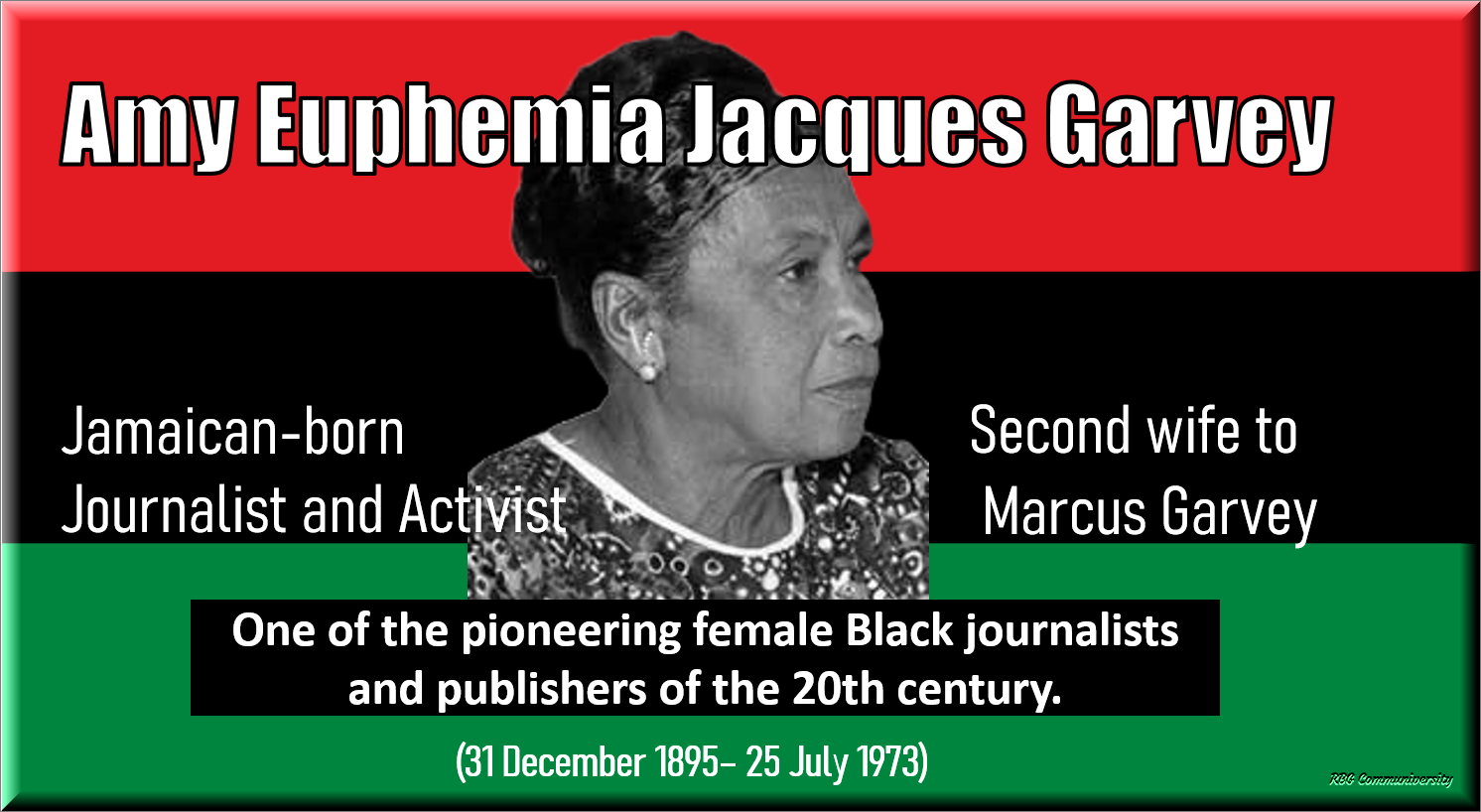
“The Veiled Garvey” is a comprehensive biography that delves into the life of Amy Jacques Garvey, a significant yet often overlooked figure in the pan-African movement and the wife of Marcus Garvey. Ula Y. Taylor explores Amy’s contributions to the Universal Negro Improvement Association (UNIA) and her role as a writer, editor, and activist. The book highlights her struggles, achievements, and the complexities of her identity as a Black woman in the early 20th century.
The following outline captures the key themes and structure of the book, showcasing Amy Jacques Garvey’s multifaceted life and her contributions to social justice civil and human rights.
Introduction
Overview of Amy Jacques Garvey’s significance
Explanation of the book’s objectives and themes
Chapter 1: Early Life
Birth and family background
Education and formative experiences
Early influences on Amy’s political and social views
Chapter 2: Meeting Marcus Garvey
The courtship between Amy and Marcus
Impact of their relationship on her activism
Marriage and family life
Chapter 3: Role in the UNIA
Amy’s involvement in the Universal Negro Improvement Association
Contributions as an editor for “The Negro World”
Advocacy for Black nationalism and empowerment
Chapter 4: The Fight for Women’s Rights
Amy’s perspective on gender equality within the movement
Key initiatives and writings promoting women’s rights
Challenges faced as a female leader in a male-dominated environment
Chapter 5: The Impact of the Garvey Movement
Analysis of the UNIA’s influence on the African diaspora
Amy’s role in organizing events and promoting the movement
Legacy of the Garvey movement in subsequent civil rights efforts
Chapter 6: Later Years and Legacy
The decline of the UNIA and its effects on Amy
Personal struggles and resilience
Amy’s lasting impact on Black history and feminist movements
Conclusion
Reflection on Amy Jacques Garvey’s contributions
The importance of recognizing her role in history
Final thoughts on her enduring influence
Here is a more detailed exploration of the themes and significant aspects covered in “The Veiled Garvey”
This comprehensive examination of Amy Jacques Garvey’s life sheds light on her significant yet often overlooked contributions to the Pan-African movement and the ongoing fight for racial and gender equality. Ula Y. Taylor’s work invites readers to appreciate the complexities of her character and the historical context in which she operated.
Introduction
The introduction sets the stage for understanding Amy Jacques Garvey not just as Marcus Garvey’s wife, but as a pivotal figure in her own right. It emphasizes the need to re-examine history to include women’s voices and contributions.
Chapter 1: Early Life
Birth and Family Background: Amy Jacques was born in 1895 in Jamaica to a family that emphasized education and social responsibility. Her upbringing instilled in her a sense of pride in her heritage.
Education: She attended Kingston College and was exposed to various intellectual and political ideas that shaped her worldview.
Formative Experiences: Early experiences of racial discrimination and her family’s emphasis on self-reliance influenced her later activism.
Chapter 2: Meeting Marcus Garvey
Courtship and Marriage: The chapter details the romantic and intellectual partnership between Amy and Marcus. Their shared vision for the empowerment of Black people forged a strong bond.
Family Life: It highlights the challenges of balancing family responsibilities with public activism, especially with the birth of their children.
Chapter 3: Role in the UNIA
Involvement in UNIA: Amy became an active member of the UNIA, contributing significantly to its publications and initiatives.
Editing “The Negro World”: As an editor, she played a crucial role in shaping the narratives around Black identity and culture.
Advocacy: Amy’s writings emphasized the importance of self-determination, education, and economic independence for Black communities.
Chapter 4: The Fight for Women’s Rights
Gender Equality: This chapter focuses on her advocacy for women’s roles within the Pan-African movement, challenging the gender norms of her time.
Key Initiatives: Amy organized events that highlighted the contributions of women in the movement and pushed for their representation in leadership roles.
Challenges: Despite her contributions, she faced opposition from male counterparts who resisted women’s leadership within the movement.
Chapter 5: The Impact of the Garvey Movement
Global Influence: The UNIA’s reach extended beyond the United States, inspiring movements across the Caribbean and Africa.
Amy’s Contributions: She was instrumental in promoting the movement’s ideals, organizing rallies, and connecting with other activists.
Long-term Legacy: The chapter examines how the Garvey movement laid the groundwork for later civil rights movements, influencing figures like Malcolm X and Martin Luther King Jr.
Chapter 6: Later Years and Legacy
Decline of the UNIA: Following Marcus Garvey’s imprisonment and the decline of the organization, Amy faced personal and professional challenges.
Resilience: Despite setbacks, she continued to advocate for Black empowerment and education throughout her life.
Enduring Influence: The conclusion reflects on how Amy’s contributions have been historically marginalized and emphasizes the importance of reclaiming her narrative as a vital part of Black history and feminist discourse.
Conclusion
The book concludes by reaffirming Amy Jacques Garvey’s legacy as an activist, writer, and leader. It calls for a recognition of her role in shaping the narrative of Black nationalism and women’s rights, stressing that her story is integral to understanding the broader context of social justice movements.
Remember: Pop the document out from the upper right to read / expand / download.
Learn more in RBG Communiversity Knowledge Media eLibrary:





 RBG Communiversity: Message 2 Da Grassroots
You must be logged in to post a comment.