


Pop the document out from the upper right to read / expand / download.
Learn more in RBG Communiversity eLibrary: Chm. Omali and Uhuru Movement Folder
Last Updated 09-06-24
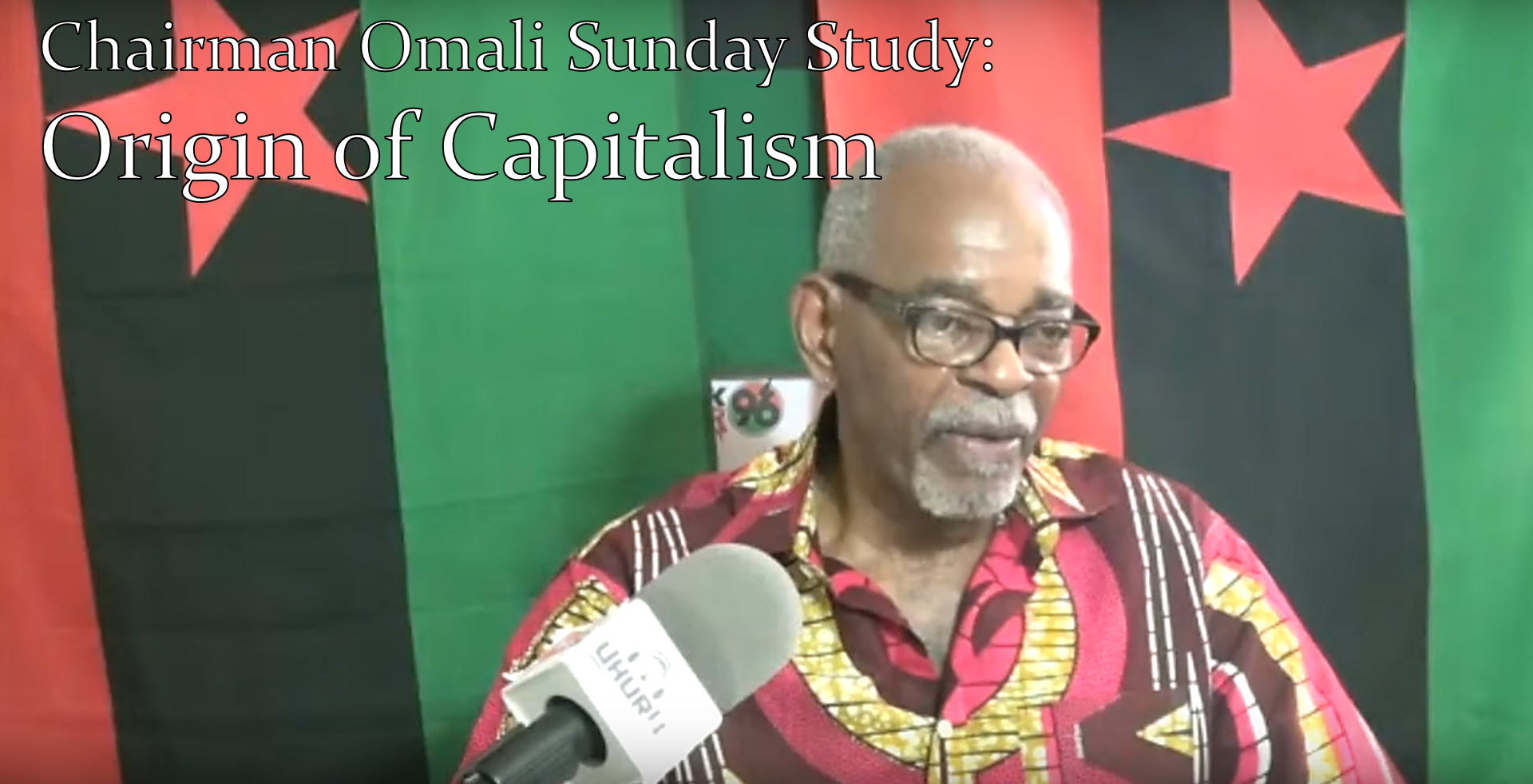
Pop the documents out from the upper right to read / expand / download.
Last Updated 09-07-24


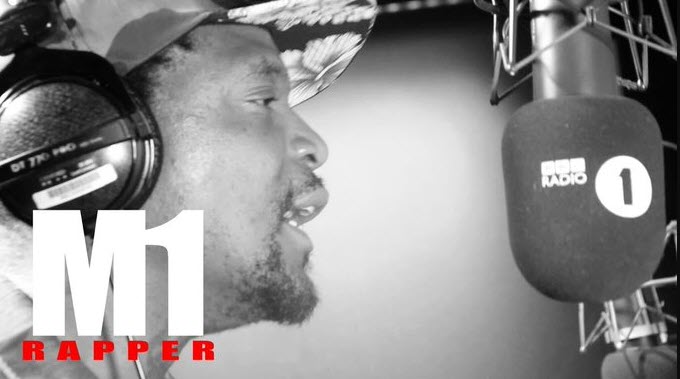
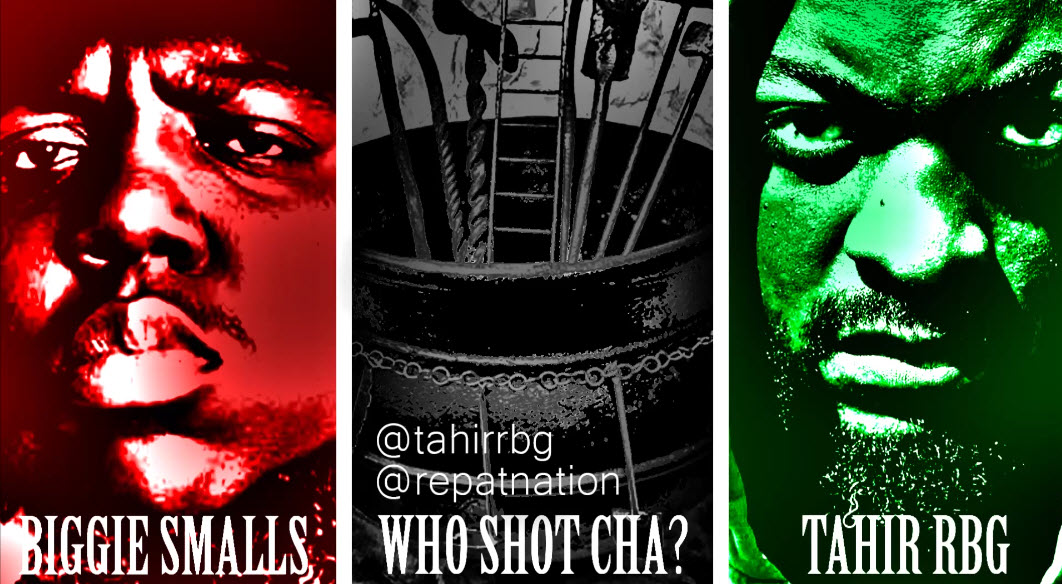
•The skills one brings to listening to Black music—imagination, abstract/non-concrete thinking; intuition; and instinctive reaction and trusting those instincts— melanin-mediated themes, have gone uncultivated in the U.S. educational system and culture.
•Music, as a universal, non-verbal language, allows us to tap into the social, cultural, and aesthetic traditions of the Afrikan experience; and the sociopolitical climates of various historical eras. listening to conscious and message music we become more aware of our shared predicaments as Afrikan people across time and the never ending battle between freedom and bondage.
•You learn how the Black Liberation Movement, in fighting against the system , business and culture of white supremacy, created and continues to create music and musicians whose rhythms and lyrics are shrouded in liberation themes. The work and activities of the organizations and grassroots peoples of the Movement transmit inspiration, wisdom and vision to the musician/ poet; and in turn, the music/spoken word produced by the artist inspires and drives the Movement .
•Music allows us to transcend our own individual world and partake in the utterly different, but nonetheless similar, realities of other Afrikans in American and throughout the diaspora.
•Last, but certainly not least, good music is fun to listen to, relatively inexpensive—we can do it by ourselves or with others—and there are any number of ways to expand our knowledge and appreciation of the art itself and it’s role on our overall struggle for freedom, justice and equality”
 RBG Communiversity: Message 2 Da Grassroots
You must be logged in to post a comment.