Warfare in the American Homeland: Policing and Prison in a Penal Democracy, edited by Joy James_eBook and Audiobook

Editor: Joy James; Contributors: Joy James, Frank B. Wilderson, Dylan Rodriguez, Dhoruba Bin Waha, Marshall Eddie Conway, George Jackson, Michel Foucault, Oscar Lopez Rivera, Jared Sexton, Hisham Aidi, Marilyn Buck, Carol Gilbert, Laura Whitehorn, William F. Pinar, Catherine Von Bulow, Daniel Defert, Sirene Harb, Susie Day

Book Summary

“Warfare in the American Homeland: Policing and Prison in a Penal Democracy,” edited by Joy James, is a critical examination of the intersections between policing, incarceration, and democracy in the United States. The book brings together a diverse range of scholars and activists who explore how the U.S. criminal justice system functions as a mechanism of social control, particularly in marginalized communities. It analyzes the militarization of police forces, the impact of mass incarceration, and the broader implications of a society that prioritizes punishment over rehabilitation. Through various essays, the anthology critiques the normalization of violence and surveillance within American society, highlighting the need for transformative justice and systemic change.

The outline that follows captures the essence of “Warfare in the American Homeland,” highlighting the critical perspectives offered by its contributors on the militarization of policing, the impacts of mass incarceration, and the need for alternative justice models. The anthology emphasizes the urgent need to address the systemic issues within the U.S. criminal justice system and advocates for a more just and equitable society.

  • Introduction by Joy James
    • Overview of the anthology’s purpose and themes
    • Explanation of the concept of “penal democracy” and its implications for civil rights and social justice
    • Brief introduction to the contributors and their areas of expertise
  • Part I: The Militarization of Policing
    • Historical Context
      • Examination of the evolution of policing tactics in the U.S. and the influence of military practices
      • Discussion of key events that led to the current state of police militarization
    • Case Studies
      • Analysis of specific instances of police violence and militarized responses to protests and civil unrest
      • Exploration of community reactions and resistance to militarized policing
  • Part II: Mass Incarceration and Its Consequences
    • The Rise of Mass Incarceration
      • Overview of the policies and practices that have contributed to the growth of the prison population in the U.S.
      • Examination of the racial and socioeconomic disparities within the prison system
    • Impact on Communities
      • Discussion of the social, economic, and psychological consequences of mass incarceration on individuals and communities
      • Exploration of the intersection between incarceration and poverty, education, and health
  • Part III: Surveillance and Social Control
    • Technologies of Surveillance
      • Analysis of the role of surveillance technologies in policing and social control
      • Discussion of the implications of surveillance on civil liberties and privacy rights
    • Community Policing and Trust
      • Examination of community policing initiatives and their effectiveness in building trust between law enforcement and marginalized communities
      • Case studies of successful community-led initiatives that challenge oppressive policing practices
  • Part IV: Alternatives to Punitive Systems
    • Transformative Justice
      • Exploration of alternative models of justice that prioritize healing, accountability, and community involvement
      • Discussion of restorative justice practices and their potential to replace punitive systems
    • Activism and Resistance
      • Examination of grassroots movements and organizations working to dismantle the prison industrial complex
      • Insights into strategies for advocacy, policy reform, and community empowerment
  • Conclusion
    • Summary of key themes and insights from the anthology
    • Reflection on the future of policing and incarceration in the U.S. and the potential for systemic change
    • Call to action for continued engagement in the struggle for social justice and transformative solutions

“Warfare in the American Homeland”, is a vital contribution to the discourse surrounding the intersections of policing, incarceration, and democracy in the United States. The anthology brings together a range of scholars, activists, and thought leaders who critically analyze how the criminal justice system functions as a mechanism of social control, particularly affecting marginalized communities. Here’s a deeper exploration of the key themes, contributions, and implications of the book:

Key Themes Explored

  • Militarization of Policing
    • The book examines how American policing has increasingly adopted military tactics and technologies, leading to a culture of aggression and violence in law enforcement. This militarization has been fueled by policies that promote the transfer of military equipment to local police departments and the adoption of paramilitary training methods.
    • Contributors discuss specific instances, such as the police response to protests in Ferguson, Missouri, and Black Lives Matter demonstrations, illustrating how militarized policing can escalate tensions and exacerbate community relations.
  • Mass Incarceration and Its Impacts
    • The anthology provides a comprehensive overview of the rise of mass incarceration in the U.S., exploring the historical and political contexts that have led to the current landscape of imprisonment.
    • Contributors highlight the disproportionate impact of incarceration on Black and Brown communities, examining how systemic racism, poverty, and economic disenfranchisement contribute to the cycle of incarceration.
    • The social consequences of mass incarceration are also discussed, including the disruption of families, loss of economic opportunities, and the long-term psychological effects on individuals and communities.
  • Surveillance and Social Control
    • The book delves into the role of surveillance technologies, such as facial recognition systems, body cameras, and data collection, in facilitating the policing of marginalized communities. This surveillance is often justified as a means of enhancing public safety but raises significant ethical and civil liberties concerns.
    • Contributors analyze how surveillance can lead to the criminalization of everyday behaviors and the erosion of trust between law enforcement and the communities they serve.
  • Transformative Justice Alternatives
    • A significant portion of the anthology is dedicated to exploring alternatives to punitive justice systems. Contributors advocate for transformative justice practices that focus on healing, accountability, and community involvement rather than retribution.
    • Restorative justice models are discussed, showcasing how they can address harm without resorting to incarceration and promote community resilience.
  • Grassroots Activism and Resistance
    • The anthology emphasizes the importance of grassroots movements in challenging oppressive policing practices and advocating for reform. Contributors profile organizations and initiatives working to dismantle the prison industrial complex and promote social justice.
    • Insights into successful community-led efforts highlight the potential for collective action to effect change and empower marginalized voices.

Contributions from Authors

  • Joy James
    • As the editor, Joy James provides a critical framework for understanding the themes presented in the anthology. Her own essays often focus on the intersections of race, gender, and state violence, emphasizing the need for a comprehensive analysis of power dynamics in the U.S.
  • Diverse Voices
    • The anthology features contributions from a range of scholars and activists, each bringing unique perspectives and expertise. Their essays address various aspects of policing and incarceration, ensuring a multifaceted examination of the issues at hand.
    • Authors may include those from sociology, law, criminology, and activist backgrounds, enriching the discourse with both theoretical insights and practical experiences.

Implications for Contemporary Society

  • Reevaluation of Policing Practices
    • The book calls for a critical reevaluation of current policing practices, advocating for reforms that prioritize community safety, accountability, and transparency. It challenges readers to consider the ramifications of a system that relies heavily on punishment and surveillance.
  • Need for Systemic Change
    • The anthology underscores the necessity of addressing systemic issues within the criminal justice system. It advocates for comprehensive policy reforms that confront the roots of inequality and injustice, rather than merely addressing the symptoms.
  • Encouragement for Activism
    • “Warfare in the American Homeland” serves as a rallying cry for activists, encouraging engagement in movements that seek to dismantle oppressive structures. It emphasizes the importance of solidarity and coalition-building across various social justice movements.

Conclusion

“Warfare in the American Homeland: Policing and Prison in a Penal Democracy” is a crucial examination of the complexities of policing, incarceration, and democracy in the U.S. Edited by Joy James, the anthology amplifies the voices of scholars and activists who critically analyze the ramifications of a penal system that prioritizes punishment over rehabilitation. By exploring themes of militarization, mass incarceration, surveillance, and alternatives to punitive justice, the book challenges readers to rethink their understanding of safety, justice, and community. It serves as a vital resource for those interested in social justice, criminal justice reform, and the ongoing struggles for equality and human rights in contemporary society. Through its insights and calls for action, the anthology inspires a vision for a more just and equitable future.

Warfare in the American Homeland: Policing and Prison in a Penal Democracy_eBook

Pop the documents out from the upper right to read / expand / download.

Warfare in the American Homeland: Policing and Prison in a Penal Democracy_Audiobook

Learn more in RBG Communiversity Knowledge Media eLibrary:

This Country Must Change: Essays on the Necessity of Revolution in the USA_eBook and Audiobook

Jalil A Muntaqim (Author), Jonathan Paul (Author), Jeff Luers (Author), Jake Conroy (Author), Ronald Kuykendall (Author), Bill Dunne (Author), Peter Young (Author), Jaan Laaman (Author), Rob Los Ricos (Author), Ramona Africa (Author), Leslie James Pickering (Author), Craig Rosebraugh (Editor)

Book Summary

“This Country Must Change: Essays on the Necessity of Revolution in the USA,” edited by Craig Rosebraugh, is a collection of essays from various authors who advocate for revolutionary change in the United States. Each contributor offers unique perspectives on the political, social, and economic injustices faced by marginalized communities, emphasizing the urgent need for systemic transformation. The essays reflect on historical and contemporary issues, critique the status quo, and propose revolutionary strategies aimed at achieving a more just and equitable society.

The following outline captures the essence of “This Country Must Change,” highlighting the diverse perspectives and urgent calls for revolution presented by the contributors. The book serves as both a critique of existing systems and a roadmap for envisioning a more just and equitable future.

  • Introduction
    • Overview of the book’s themes and purpose
    • The significance of revolutionary thought in contemporary America
  • Historical Context of Revolution
    • Examination of past revolutionary movements in the U.S.
    • Lessons learned from historical struggles for justice and equality
    • The ongoing legacy of resistance against oppression
  • Political Injustice
    • Analysis of systemic racism and its impact on marginalized communities
    • Discussion of police brutality and the prison-industrial complex
    • The role of government in perpetuating inequality
  • Economic Inequality
    • Critique of capitalism and its effects on social justice
    • Exploration of wealth distribution and class struggle
    • The impact of economic policies on disenfranchised populations
  • Environmental Justice
    • Connection between environmental degradation and social justice
    • Advocacy for sustainable practices and their importance in revolutionary change
    • The role of grassroots movements in addressing environmental issues
  • Strategies for Revolution
    • Proposals for grassroots organizing and activism
    • The importance of solidarity and coalition-building among marginalized groups
    • Examination of non-violent versus militant approaches to revolutionary change
  • Personal Narratives and Experiences
    • Contributions from activists sharing their own stories and struggles
    • Reflections on the challenges faced in the pursuit of justice
    • The importance of personal commitment to revolutionary ideals
  • Call to Action
    • Urgency of mobilizing for change in the current political climate
    • Encouragement for readers to engage in activism and community organizing
    • Vision for a transformed society based on justice, equity, and sustainability
  • Conclusion
    • Summary of key arguments and ideas presented in the essays
    • The necessity of envisioning and working towards a revolutionary future
    • Final thoughts on the role of individuals in driving systemic change

“This Country Must Change: Essays on the Necessity of Revolution in the USA” is a compelling anthology that brings together voices from various activists and thinkers who share a common goal: to advocate for profound systemic change in the United States. Here’s a deeper exploration of the themes, contributors, and the overall message of the book:

Key Themes Explored

  • Revolutionary Ideals
    • The book emphasizes the necessity of revolution as a response to the deep-rooted injustices in American society. The contributors argue that reform alone is insufficient to address issues like racism, economic inequality, and environmental degradation.
    • Each essay contributes to a broader understanding of what revolution means in today’s context, pushing readers to consider radical alternatives to the status quo.
  • Intersectionality of Struggles
    • The authors highlight the interconnectedness of various forms of oppression, including race, class, gender, and environmental issues. This intersectional approach allows for a more comprehensive understanding of the challenges marginalized communities face.
    • By acknowledging these intersections, the essays advocate for solidarity among different movements, promoting a unified front against systemic oppression.
  • Critique of Capitalism
    • Several contributors critique capitalism as a driving force behind social injustices, arguing that the profit motive leads to exploitation and environmental destruction. They advocate for alternative economic models that prioritize people and the planet over profit.
    • The essays discuss the need for economic systems that are equitable and sustainable, emphasizing community control and cooperative ownership.
  • Grassroots Activism and Organizing
    • The anthology highlights the importance of grassroots movements in enacting change. Contributors share strategies for effective organizing, emphasizing the power of community engagement and local activism.
    • There is a focus on building coalitions across various groups to strengthen the movement and amplify marginalized voices.
  • Personal Narratives
    • Many essays include personal stories from activists, providing an intimate glimpse into their motivations, challenges, and triumphs. These narratives humanize the struggle for justice and illustrate the real-world impact of systemic oppression.
    • By sharing their experiences, the authors aim to inspire readers to take action and engage in their own communities.

Notable Contributors

  • The book features a diverse group of authors, each with unique backgrounds and experiences in activism. Some notable contributors include:
    • Jalil A. Muntaqim: A former Black Panther and political prisoner whose insights on systemic racism and prison reform are invaluable.
    • Ramona Africa: A member of MOVE, whose perspectives on environmental justice and community resilience are crucial.
    • Jeff Luers: Known for his environmental activism and critiques of consumer culture, Luers offers a perspective on the urgency of ecological concerns.

Overall Message

The overarching message of “This Country Must Change” is one of urgency and hope. The contributors call for a radical rethinking of societal structures and the necessity of collective action to dismantle oppressive systems. They urge readers to recognize their power as individuals and communities to instigate meaningful change.

The book serves not only as a critique of current injustices but also as a guide for those seeking to engage in revolutionary activism. It emphasizes that while the challenges are immense, the potential for a more just and equitable society is attainable through concerted efforts and unwavering commitment to revolutionary ideals.

In summary, “This Country Must Change” is an essential read for anyone interested in understanding the dynamics of social justice movements, the necessity of revolutionary thought, and the potential for transformative change in the United States.

This Country Must Change: Essays on the Necessity of Revolution in the USA_eBook

Pop the documents out from the upper right to read / expand / download.

This Country Must Change: Essays on the Necessity of Revolution in the USA_Audiobook

Learn more in RBG Communiversity Knowledge Media eLibrary:

Ghetto Rebellion to Black Liberation by Claude M. Lightfoot_eBook and Audiobook

Book Summary

“Ghetto Rebellion to Black Liberation” by Claude M. Lightfoot is a critical examination of the social, political, and economic conditions that led to the rise of the Black liberation movement in the United States. Lightfoot explores the historical context of urban uprisings, often referred to as “ghetto rebellions,” during the 1960s and 1970s, and how these events catalyzed a broader movement for civil rights and social justice. The book delves into the experiences of African Americans (New Afrikan) in urban environments and the evolution of their struggles for liberation, highlighting the intersection of race, class, and activism.

The following outline encapsulates Claude M. Lightfoot’s exploration of the dynamics that shaped the Black liberation movement, connecting the historical experiences of urban uprisings to the broader fight for civil rights and social justice in America.

  • Introduction
    • Overview of the book’s purpose and themes
    • Contextualizing the ghetto rebellions within American history
  • Historical Context
    • The legacy of segregation and systemic racism
    • Economic conditions in urban areas affecting Black communities
    • Key events leading up to the 1960s uprisings
  • The Ghetto Rebellions
    • Analysis of major uprisings (e.g., Watts, Detroit, Newark)
      • Causes and triggers of the rebellions
      • Responses from law enforcement and government
    • The role of media in shaping public perception
  • Emergence of the Black Liberation Movement
    • Transition from local uprisings to a unified movement
    • Key organizations and figures involved in the movement
      • The Black Panther Party, SNCC, and others
    • Ideological foundations of Black liberation
  • Cultural Expressions of Resistance
    • Influence of art, music, and literature on the liberation movement
    • The role of cultural identity in fostering activism
    • Notable cultural figures and their contributions
  • Challenges and Internal Conflicts
    • Tensions within the Black liberation movement
    • The impact of government repression and surveillance
    • Divergent strategies and philosophies among activist groups
  • Legacies of the Movement
    • Assessment of the achievements and shortcomings of the liberation movement
    • Long-term effects on policy and societal change
    • Influence on subsequent generations of activists
  • Conclusion
    • Reflection on the transformation from rebellion to organized liberation
    • The importance of understanding history in the context of ongoing struggles
    • Call to action for continued advocacy and resistance against systemic oppression

“Ghetto Rebellion to Black Liberation” provides an in-depth analysis of the complex factors that contributed to the formation of the Black liberation movement, particularly in the context of urban uprisings during the 1960s and 1970s. Here are some expanded themes and details from the book:

Key Themes Explored

  • Systemic Racism and Economic Injustice
    • Lightfoot emphasizes how entrenched racism and economic disenfranchisement created conditions ripe for rebellion in Black communities.
    • He discusses the historical legacy of segregation, discriminatory housing policies, and employment discrimination that marginalized African Americans.
  • Urban Uprisings as Expressions of Frustration
    • The book analyzes specific uprisings, such as the Watts riots in 1965 and the Detroit riots in 1967, detailing the immediate causes, including police brutality and economic inequality.
    • Lightfoot portrays these rebellions not merely as riots but as legitimate expressions of anger and calls for systemic change.
  • Formation of the Black Liberation Movement
    • Lightfoot traces the evolution from spontaneous uprisings to organized movements, highlighting how the collective experiences of oppression led to a unified call for liberation.
    • He discusses the establishment of various organizations, including the Black Panther Party, and their roles in advocating for civil rights, community empowerment, and self-defense.
  • Cultural Identity and Expression
    • The book explores how cultural forms, such as music, art, and literature, served as powerful tools for resistance and community building.
    • Lightfoot examines influential artists and writers who articulated the struggles of Black Americans (New Afrikan) and inspired activism, such as the works of James Baldwin and the rise of soul music.
  • Internal Divisions and Challenges
    • Lightfoot addresses the ideological differences within the movement, including debates over non-violence versus armed resistance, and the roles of various leaders.
    • He also discusses the impact of external pressures, including government surveillance programs like COINTELPRO, which aimed to undermine the movement.

Impact and Legacy

  • Reflection on Achievements
    • The book assesses the successes of the Black liberation movement, noting improvements in civil rights legislation, increased political representation, and the establishment of community programs.
    • Lightfoot highlights how these movements laid the groundwork for future generations of activists and ongoing struggles for racial justice.
  • Contemporary Relevance
    • Lightfoot connects historical events to present-day issues, underscoring the continuity of the fight against systemic racism and economic inequality.
    • He argues for the importance of learning from past struggles to inform current activism and policy advocacy.

Conclusion

“Ghetto Rebellion to Black Liberation” serves as both a historical account and a critical analysis of the dynamics that shaped the Black liberation movement in America. Lightfoot’s work encourages readers to understand the significance of these events in the broader struggle for civil rights and social justice, emphasizing the ongoing relevance of these issues today. By examining the intersection of race, class, and activism, the book provides valuable insights into the complexities of the African American (New Afrikan) experience and the enduring quest for liberation.

Ghetto Rebellion to Black Liberation_eBook

Pop the documents out from the upper right to read / expand / download.
Ghetto Rebellion to Black Liberation_Audiobook

Learn more in RBG Communiversity Knowledge Media eLibrary:

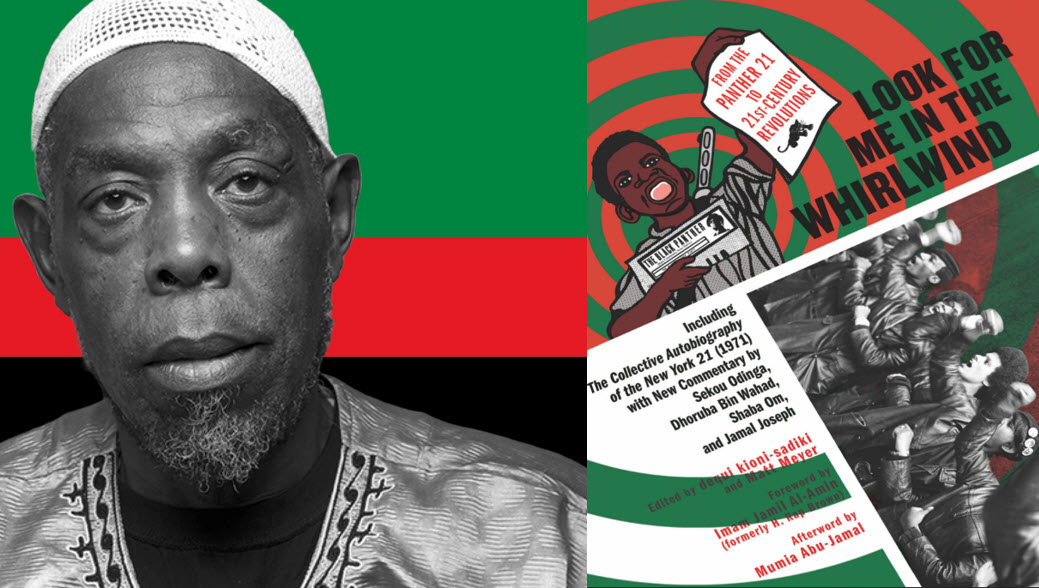
Bilal Sunni-Ali (RIU) Biography Series and Look for Me in the Whirlwind: From the Panther 21 to 21st-Century Revolutions (eBook) with Bilal Sunni Ali Tribute Video Player

Bilal Sunni-Ali Biography Series Parts 2 and 3

Biographical Essay of Bilal Sunni-Ali

Pop the documents out from the upper right to read / expand / download.

Bilal Sunni Ali Tribute Video Player

10 Video Playlist

Look for Me in the Whirlwind: From the Panther 21 to 21st-Century Revolutions

Look for Me in the Whirlwind| Read/Study/Download RBG Communiversity’s Book Summary

Bilal Sunni Ali performing A Prayer For Everybody In The World live at Burning Books

Look for me in the Whirlwind_ Bilal Sunni-Ali Interview

Learn more in RBG Communiversity Knowledge Media eLibrary:

Jailhouse Lawyers: Prisoners Defending Prisoners v. the USA by Mumia Abu-Jamal, Introduction Angela Y. Davis_eBook and Audiobook

Book Summary

“Jailhouse Lawyers: Prisoners Defending Prisoners v. the USA” is a powerful examination of the U.S. prison system through the lens of those incarcerated. Written by Mumia Abu-Jamal, a prominent journalist and activist on death row, this book sheds light on the struggles and experiences of prisoners who take on the challenge of defending themselves and their peers within a flawed legal system. The introduction by Angela Y. Davis adds depth, contextualizing the importance of prison activism and the fight against systemic injustice.

The outline that follows provides a structured view of the book’s content and themes, highlighting the critical issues surrounding the prison system and the efforts of those within it to seek justice.

  • Introduction by Angela Y. Davis
    • Overview of the prison industrial complex
    • Historical context of prison activism
    • Importance of prisoner representation in the legal system
  • Chapter 1: The Role of Jailhouse Lawyers
    • Definition and function of jailhouse lawyers
    • Historical examples of successful jailhouse lawyers
    • The impact of jailhouse lawyers on prison reform
  • Chapter 2: The Prison System and Legal Barriers
    • Description of the barriers faced by prisoners in accessing legal resources
    • Overview of the legal system’s shortcomings regarding prisoner rights
    • The role of censorship and isolation in hindering legal defense
  • Chapter 3: Case Studies of Prisoner Defenses
    • Detailed accounts of notable cases handled by jailhouse lawyers
    • Analysis of the outcomes and their implications for justice
    • Reflection on the strategies employed by these lawyers
  • Chapter 4: The Intersection of Race and Incarceration
    • Examination of racial disparities within the prison system
    • Impact of systemic racism on legal representation for prisoners
    • Stories of racial injustice and resistance
  • Chapter 5: The Future of Prisoner Advocacy
    • Discussion on the evolving role of jailhouse lawyers in modern justice
    • Potential reforms and changes needed in the legal system
    • The importance of solidarity among prisoners and advocates
  • Conclusion: A Call to Action
    • Reflection on the necessity of continued advocacy for prisoners’ rights

Here’s a deeper dive into the key themes and concepts presented in “Jailhouse Lawyers”

Key Themes

  1. Prisoner Advocacy:
    • The book emphasizes the empowerment of prisoners to advocate for themselves and their peers. Jailhouse lawyers often develop a deep understanding of legal principles, despite the limitations of their environments. They become vital resources for other inmates who may lack formal legal representation.
  2. Systemic Injustice:
    • Abu-Jamal critiques the U.S. legal system, highlighting how it disproportionately affects marginalized populations, particularly people of color. He argues that the system is designed to perpetuate inequality and that many prisoners face insurmountable barriers when trying to navigate it.
  3. Resistance and Solidarity:
    • The narrative illustrates the importance of solidarity among prisoners. It showcases how collective efforts can challenge injustices and how shared experiences often lead to organized actions for reform. The book serves as a testament to the resilience of those incarcerated who refuse to be silenced.
  4. Historical Context:
    • The introduction by Angela Y. Davis situates the discussion within a broader historical framework, linking contemporary issues in the prison system to past movements for civil rights and social justice. Davis provides insights into how historical struggles inform current advocacy efforts.
  5. Legal Education:
    • The book highlights the informal education that takes place within prison walls, where inmates learn about the law and legal strategies. This self-education is often a response to the inadequacies of the legal system and the lack of access to professional legal assistance.

Important Concepts

  • Jailhouse Lawyer:
    • A term used to describe inmates who have taken it upon themselves to learn about the law and assist others in their legal battles. These individuals often possess significant knowledge and can navigate the complexities of the legal system despite their confinement.
  • Access to Justice:
    • The book underscores the challenges faced by prisoners in accessing legal resources, such as libraries, legal texts, and supportive networks. It critiques the systemic barriers that prevent a fair trial and adequate representation.
  • Racial Disparities:
    • Abu-Jamal explores how race and ethnicity intersect with the prison system, revealing how systemic racism is embedded within legal practices. He discusses the disproportionate incarceration rates of Black and Latino individuals and the implications of this on their communities.
  • Activism and Reform:
    • The narrative calls for ongoing activism to reform the justice system, advocating for policies that prioritize rehabilitation over punishment. It encourages readers to engage in grassroots movements and support organizations working toward prison reform.

Jailhouse Lawyers: Prisoners Defending Prisoners v. the USA_eBook

Overall, “Jailhouse Lawyers” is not only a critique of the prison system but also a celebration of the resilience and ingenuity of those who fight for justice from behind bars. It serves as a reminder of the importance of advocacy, education, and solidarity in the face of systemic oppression.

Pop the documents out from the upper right to read / expand / download.

Jailhouse Lawyers: Prisoners Defending Prisoners v. the USA_Audiobook

Learn more in RBG Communiversity Knowledge Media eLibrary: