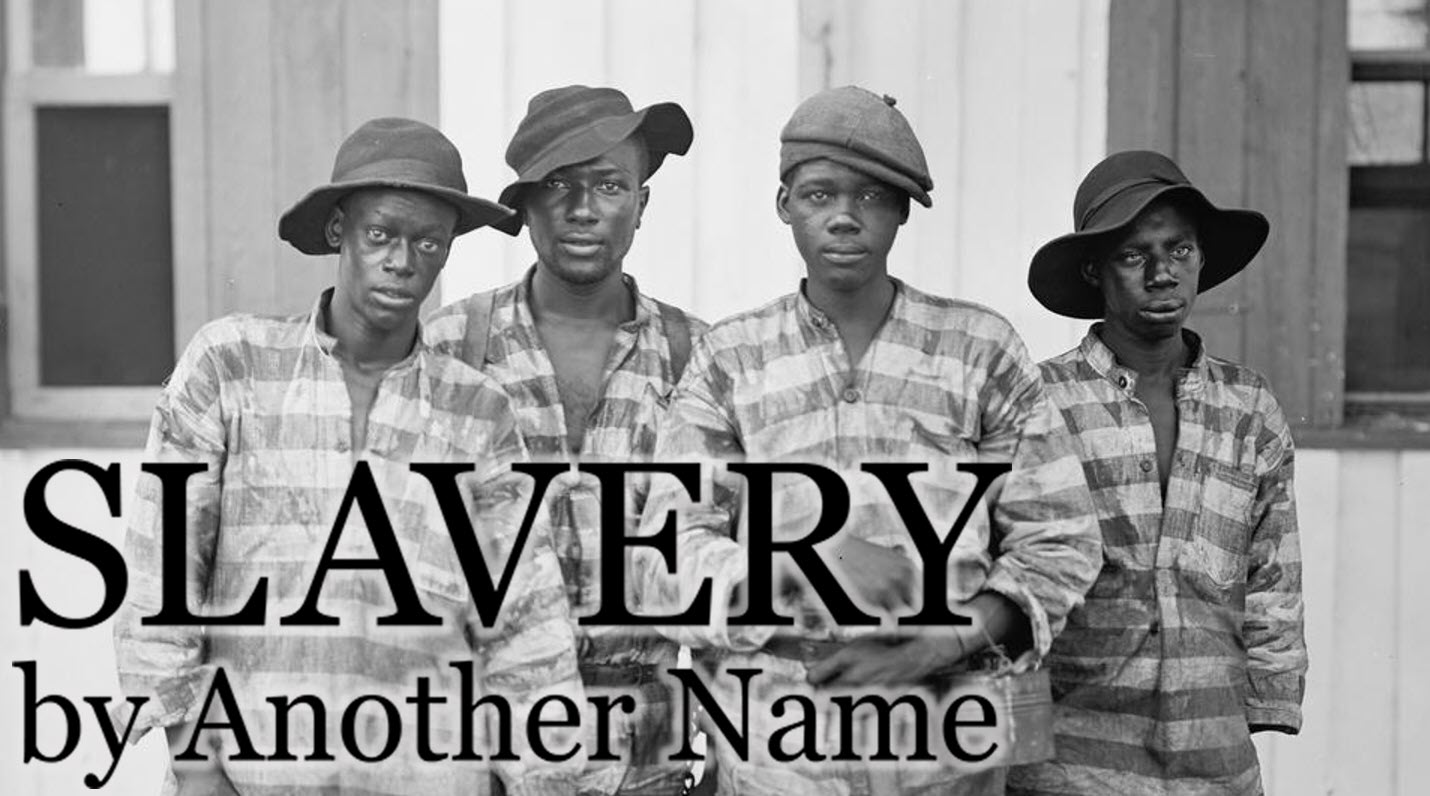
Slavery by Another Name: The Re-Enslavement of Black Americans from the Civil War to World War II by Douglas A. Blackmon_eBook and Audiobook, with Slavery by Another Name Documentary Film

The 13th Amendment to the United States Constitution provides that “Neither slavery nor involuntary servitude, except as a punishment for crime whereof the party shall have been duly convicted, shall exist within the United States, or any place subject to their jurisdiction.”

Book Summary

Douglas A. Blackmon’s “Slavery by Another Name: The Re-Enslavement of Black Americans from the Civil War to World War II” explores the continuation of forced labor and systemic oppression of Black Americans in the decades following the Civil War. The book argues that despite the abolition of slavery, many African Americans were subjected to new forms of servitude that mirrored the conditions of slavery.

The overview and outline that follows provides a structured look at the contents of Blackmon’s “Slavery by Another Name,” encapsulating the main themes and historical significance of the re-enslavement of Black Americans post-Civil War and its enduring legacy.

Overview:

  • Historical Context: The book examines the period from the end of the Civil War through World War II, highlighting how economic, social, and legal systems perpetuated the exploitation of Black Americans.
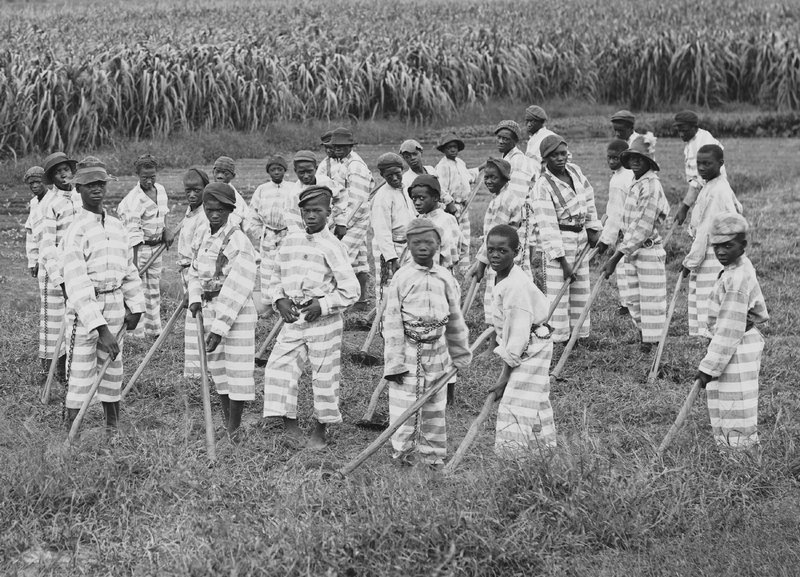
  • Convict Leasing System: Blackmon focuses on the convict leasing system, where African Americans were often arrested on dubious charges and forced into labor for private companies, effectively re-enslaving them.
  • Economic Exploitation: The narrative details how Southern states and businesses exploited Black labor to rebuild the economy after the Civil War, using tactics that included intimidation, violence, and legal manipulation.
  • Personal Stories: The book interweaves personal narratives and testimonies of individuals affected by these practices, providing a human face to the historical analysis.
  • Legacy and Impact: Blackmon discusses the long-term effects of these practices on African American communities and how they laid the groundwork for ongoing racial inequality and injustice.

Outline:

  • Introduction
    • Purpose of the book
    • Overview of the argument regarding the continuity of slavery-like conditions
  • Chapter 1: The End of the Civil War
    • The immediate aftermath of the Civil War and abolition of slavery
    • Initial hopes and challenges faced by newly freed Black Americans
  • Chapter 2: The Rise of Jim Crow
    • The establishment of Jim Crow laws and systemic racism
    • How these laws facilitated the re-enslavement of Black Americans
  • Chapter 3: The Convict Leasing System
    • Detailed description of convict leasing and how it operated
    • The role of law enforcement and the judicial system in perpetuating this system
  • Chapter 4: Economic Motivations
    • The economic interests of Southern states and businesses in maintaining forced labor
    • Analysis of how Black labor was exploited for profit
  • Chapter 5: Personal Narratives
    • Accounts of individuals who experienced re-enslavement
    • Impact of these experiences on families and communities
  • Chapter 6: Resistance and Resilience
    • Examples of resistance against re-enslavement practices
    • The role of Black communities in advocating for rights and reform
  • Chapter 7: National Attention and Reform Movements
    • The growing awareness of racial injustices and exploitation
    • Efforts by activists and organizations to combat systemic oppression
  • Chapter 8: The Legacy of Re-Enslavement
    • Examination of the long-term effects on Black Americans and society at large
    • Connections to contemporary issues of racial inequality and injustice
  • Conclusion
    • Summary of key themes and arguments
    • Reflection on the importance of understanding this history in the context of modern America

Douglas A. Blackmon’s “Slavery by Another Name: The Re-Enslavement of Black Americans from the Civil War to World War II” is a groundbreaking work that sheds light on the continuation of racial oppression and forced labor in the United States long after the formal abolition of slavery. Here are some deeper insights into the themes, events, and significance of the book:

Key Themes and Insights:

  1. Continuity of Oppression:
    • Blackmon argues that the end of slavery did not lead to true freedom for African Americans. Instead, a series of laws and practices emerged to maintain racial hierarchy and economic exploitation, creating a system that functioned similarly to slavery.
  2. Convict Leasing System:
    • One of the central focuses of the book is the convict leasing system, which allowed Southern states to lease convicts (often disproportionately Black men) to private companies for labor. This system became a profitable enterprise, with prisoners subjected to harsh conditions, violence, and little regard for their lives or well-being.
  3. Jim Crow Laws:
    • Following the Reconstruction era, Jim Crow laws institutionalized racial segregation and discrimination. Blackmon details how these laws facilitated the re-enslavement of Black Americans, enforcing a social order that kept them marginalized and economically disadvantaged.
  4. Economic Exploitation:
    • The book examines how economic interests in the South were heavily reliant on the exploitation of Black labor. Southern states and businesses sought to rebuild their economies after the Civil War by using forced labor, which was seen as a cost-effective means to achieve profitability, particularly in industries like agriculture and mining.
  5. Personal Narratives and Testimonies:
    • Blackmon incorporates personal stories of individuals who were subjected to these oppressive systems. These narratives bring a human element to the historical analysis, illustrating the trauma and resilience of those affected. Stories of families torn apart, individuals falsely accused and imprisoned, and the struggles for dignity and justice are poignantly detailed.
  6. Resistance Movements:
    • The author highlights the various forms of resistance against the re-enslavement practices, including protests, legal challenges, and the efforts of Black communities to advocate for their rights. This theme emphasizes the agency of Black Americans in fighting against systemic oppression.
  7. National Awareness and Reform:
    • As the 20th century progressed, growing awareness of racial injustices began to emerge. Blackmon discusses the role of activists and organizations that brought attention to the plight of Black Americans, pushing for reforms and challenging the status quo.
  8. Long-term Legacy:
    • The book concludes by examining the enduring legacy of these practices on contemporary American society. Blackmon argues that the historical exploitation of Black Americans laid the groundwork for ongoing issues of racial inequality, economic disparity, and social injustice that continue to affect African American communities today.

Conclusion:

“Slavery by Another Name” is a vital contribution to the understanding of American history, particularly regarding race relations and the systemic oppression of African Americans. Blackmon’s work challenges readers to recognize the complexities of freedom and the pervasive nature of racism that persisted after the Civil War. By illuminating the harsh realities of the convict leasing system and other forms of re-enslavement, the book serves as a powerful reminder of the struggles faced by Black Americans and the importance of acknowledging this history in the pursuit of justice and equality today.

The book received critical acclaim, including the Pulitzer Prize for History, and has significantly influenced scholarship on race, labor, and American history, encouraging a reevaluation of the narrative surrounding the post-Civil War era and its implications for modern society.

Slavery by Another Name_eBook

Pop the document out from the upper right to read / expand / download.
Slavery by Another Name_Audiobook

PART 1

PART 2

Slavery by Another Name Documentary Film

Learn more in RBG Communiversity Knowledge Media eLibrary:

Maafa_African Holocaust, Chattel Slavery, Jim Crow, Influencers and more_Books, Videos & Audio Folder

Prisons, Slavery, Policing and Imperialism (The Correctional-Industrial Complex [CIC]) Folder

No Surrender: Writings From An Anti-Imperialist Political Prisoner by David Gilbert_eBook and Audiobook, with Supplemental_David Gilbert’s Message to the 2021 Columbia University Reunion

Last Updated 04-27-2024

Book Summary

“No Surrender: Writings From An Anti-Imperialist Political Prisoner” by David Gilbert is a collection of essays, letters, and reflections from the author, who is a former member of the Weather Underground Organization. The book captures Gilbert’s thoughts and experiences during his imprisonment, highlighting his commitment to anti-imperialism, social justice, and revolutionary politics. Through his writings, Gilbert examines the nature of state power, the struggles for liberation, and the importance of solidarity among oppressed peoples. His reflections provide insight into the broader context of political activism, the prison industrial complex, and the fight against imperialism, making it a significant contribution to contemporary political discourse.

The outline that follows captures the key themes and structure of David Gilbert’s “No Surrender: Writings From An Anti-Imperialist Political Prisoner.” The book serves as a powerful testament to the resilience of political prisoners and the ongoing struggles for justice and liberation. Gilbert’s writings reflect a deep commitment to anti-imperialism, solidarity, and revolutionary change, making it an important contribution to contemporary political thought and activism.

I. Introduction

  • A. Purpose of the book
  • B. Overview of David Gilbert’s background and activism
  • C. Importance of anti-imperialist struggle in contemporary politics

II. Personal Reflections

  • A. Experiences as a political prisoner
    • Life in prison and its challenges
    • The impact of incarceration on personal beliefs and activism
  • B. The role of writing in maintaining political consciousness
    • Reflection as a tool for resistance
  • The importance of intellectual engagement while incarcerated

III. Anti-Imperialism and Revolutionary Politics

  • A. Definition and principles of anti-imperialism
    • Historical context of imperialism
    • Links between imperialism and capitalism
  • B. The significance of revolutionary movements
    • Case studies of global liberation struggles
  • Lessons learned from past revolutionary efforts

IV. The Prison Industrial Complex

  • A. Examination of the U.S. prison system
    • Historical development of mass incarceration
    • Racial and economic disparities in imprisonment
  • B. The role of prisons in maintaining state power
    • Analysis of how prisons serve the interests of capitalism
  • The impact of incarceration on communities and social movements

V. Solidarity and Collective Action

  • A. The importance of solidarity among oppressed groups
    • Building coalitions across movements
    • Historical examples of successful solidarity efforts
  • B. Strategies for effective collective action
    • Organizing tactics and community engagement
  • The role of education and awareness in fostering solidarity

VI. Political Analysis and Critique

  • A. Critique of U.S. foreign policy and imperialism
    • Analysis of specific policies and their impacts
    • The consequences of imperialist actions on global populations
  • B. Reflection on the revolutionary potential of marginalized communities
    • The role of grassroots movements in driving change
  • Vision for a more equitable and just society

VII. Conclusion

  • A. Summary of key themes and insights
  • B. Call to action for readers and activists
  • C. Vision for continuing the struggle against imperialism and for social justice

“No Surrender: Writings From An Anti-Imperialist Political Prisoner” is a profound exploration of political activism, anti-imperialism, and the experiences of being incarcerated as a political prisoner. Here’s a deeper look at the key themes, insights, and implications presented in the book:

Detailed Exploration of Key Themes

1. Personal Reflections

  • Experiences of Incarceration: Gilbert shares his firsthand experiences as a political prisoner, providing readers with an intimate look at life behind bars. He discusses the psychological and emotional challenges of imprisonment, including isolation and the struggle to maintain a sense of purpose and identity while incarcerated.
  • Writing as Resistance: Throughout the book, Gilbert emphasizes the importance of writing as a means of maintaining political consciousness and resilience. His reflections illustrate how writing serves not only as a personal outlet but also as a tool for engaging with broader political struggles and sharing knowledge with others.

2. Anti-Imperialism and Revolutionary Politics

  • Understanding Anti-Imperialism: Gilbert defines anti-imperialism as a critical response to the oppressive practices of powerful nations that exploit and dominate less powerful countries. He contextualizes this within the historical framework of colonialism and contemporary global politics, arguing that imperialism is deeply intertwined with capitalism.
  • Lessons from Revolutionary Movements: The book includes analyses of various revolutionary movements around the world, examining their strategies, successes, and failures. Gilbert draws lessons from these movements, emphasizing the need for solidarity and cooperation among oppressed peoples to achieve liberation.

3. The Prison Industrial Complex

  • Mass Incarceration: Gilbert critiques the U.S. prison system, detailing how mass incarceration disproportionately affects marginalized communities, particularly people of color. He explores the historical roots of this phenomenon and its ongoing consequences for society.
  • Prisons as Tools of Control: The book discusses how the prison industrial complex serves to uphold state power and reinforce societal inequalities. Gilbert argues that prisons are not just sites of punishment but also mechanisms for maintaining social order and capitalist interests.

4. Solidarity and Collective Action

  • Building Solidarity Among Movements: Gilbert stresses the importance of solidarity among various social justice movements, advocating for coalitions across racial, economic, and ideological lines. He highlights historical examples where solidarity has led to significant progress and change.
  • Strategies for Activism: The book provides insights into effective organizing strategies, emphasizing the need for grassroots engagement, education, and community-building. Gilbert encourages readers to become active participants in the struggle for justice and to seek out opportunities for collective action.

5. Political Analysis and Critique

  • Critique of U.S. Imperialism: Gilbert offers a critical analysis of U.S. foreign policy and its imperialist undertones. He discusses specific instances of military intervention and exploitation, highlighting the human costs of these actions on affected populations.
  • Revolutionary Potential of Marginalized Communities: The book underscores the importance of recognizing the agency of marginalized communities in driving change. Gilbert argues that these communities possess the potential to lead revolutionary movements and challenge oppressive systems.

Implications and Legacy

  • Continuity of Struggles: Gilbert’s writings illustrate the ongoing nature of struggles against imperialism and oppression. He connects historical movements with contemporary issues, urging readers to recognize the continuity of these struggles.
  • Call for Awareness and Action: The book serves as a rallying cry for activists and individuals to engage critically with their surroundings and take action against injustice. Gilbert emphasizes the need for awareness of systemic inequalities and the importance of collective mobilization.
  • Educational Resource: “No Surrender” functions as an important resource for those seeking to understand the intersections of incarceration, imperialism, and activism. It provides valuable insights and historical context for contemporary social justice movements.

Conclusion

In conclusion, David Gilbert’s “No Surrender: Writings From An Anti-Imperialist Political Prisoner” is a powerful and thought-provoking work that challenges readers to confront issues of imperialism, incarceration, and social justice. Through his reflections and analyses, Gilbert highlights the importance of resilience, solidarity, and collective action in the fight against oppression. His experiences as a political prisoner enrich the narrative, offering a unique perspective on the struggles for liberation and justice. The book is a compelling call to action, urging individuals and communities to engage in the ongoing fight for a more equitable and just world.

No Surrender: Writings From An Anti-Imperialist Political Prisoner by David Gilbert_eBook

Pop the documents out from the upper right to read / expand / download.
No Surrender: Writings From An Anti-Imperialist Political Prisoner by David Gilbert_Audiobook

Reading starts in eearnest @ 7 min, 30 sec (Foward) and corresponds with page 10 of the above reader.

Part 1

Part 2

David Gilbert’s Message to the 2021 Columbia University Reunion

A co-founder of the Columbia University chapter of Students for a Democratic Society in 1966, and a leading antiwar and anti-imperialist activist since before that, David Gilbert is one of the few remaining US political prisoners from that period still incarcerated after almost 40 years. This, despite no direct ties to the harming of any person, a completely clean and nonviolent prison record, and support for his immediate, unconditional release from prominent Nobel Peace laureates including Archbishop Desmond Tutu, from M.K. Gandhi’s grand-daughter and Rev. Dr. Martin Luther King Jr.’s daughter, and from the heads of the Episcopal Church, USA, the Presbyterian Church, Pax Christi International Catholic peace movement, and many others. This presentation by David to the 2021 Columbia University reunion was facilitated by IPRA Secretary General Matt Meyer, a long-standing friend of Gilbert’s who also works with friendsofdavidgilbert.org

Learn more in RBG Communiversity Knowledge Media eLibrary:

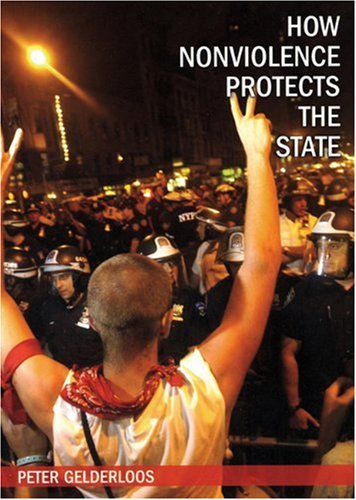
How Nonviolence Protects the State, by Peter Gelderloos_eBook and Audiobook

Since the civil rights era, the doctrine of nonviolence has enjoyed near-universal acceptance by the US Left. Today protest is often shaped by cooperation with state authorities—even organizers of rallies against police brutality apply for police permits, and anti-imperialists usually stop short of supporting self-defense and armed resistance. How Nonviolence Protects the State challenges the belief that nonviolence is the only way to fight for a better world. In a call bound to stir controversy and lively debate, Peter Gelderloos invites activists to consider diverse tactics, passionately arguing that exclusive nonviolence often acts to reinforce the same structures of oppression that activists seek to overthrow.

Book Summary

“How Nonviolence Protects the State” by Peter Gelderloos critically examines the philosophy and practice of nonviolent resistance. Gelderloos argues that nonviolence, while often celebrated as a moral high ground, can inadvertently serve to maintain the status quo and protect state power rather than challenge it. He explores the historical context of nonviolent movements, their effectiveness, and the ways in which state forces have co-opted nonviolent strategies to suppress genuine revolutionary change. The book pushes for a reevaluation of tactics in social movements, advocating for a more nuanced understanding of the relationship between violence, power, and resistance.

The following outline captures the essential themes and structure of Peter Gelderloos’s “How Nonviolence Protects the State.” The book serves as a provocative critique of the nonviolent movement and encourages readers to consider the broader implications of their tactics in the struggle for social justice and systemic change. Through historical analysis and theoretical exploration, Gelderloos advocates for a more nuanced understanding of resistance strategies and their relationship with state power.

I. Introduction

  • A. Purpose of the book
  • B. Overview of nonviolence as a strategy in social movements
  • C. Key arguments and themes

II. Historical Context of Nonviolence

  • A. Origins of nonviolent resistance
    • Key figures and movements (e.g., Gandhi, Martin Luther King Jr.)
    • Philosophical underpinnings of nonviolence
  • B. Nonviolence in practice
    • Case studies of historical nonviolent movements
  • Outcomes and limitations of these movements

III. Nonviolence and the State

  • A. The relationship between nonviolence and state power
    • How nonviolence can reinforce existing power structures
    • The role of the state in shaping nonviolent strategies
  • B. Co-optation of nonviolence by the state
    • Examples of state responses to nonviolent movements
  • The use of nonviolence to diffuse revolutionary potential

IV. The Effectiveness of Nonviolence

  • A. Analyzing the success rates of nonviolent movements
    • Factors contributing to success or failure
    • Comparison with direct action and violent resistance
  • B. Critiques of nonviolence as a universal strategy
    • Contextual limitations of nonviolent tactics
  • The impact of systemic violence on marginalized communities

V. Alternatives to Nonviolence

  • A. Exploring the role of direct action
    • Historical examples of successful direct action
    • The ethics and necessity of violence in resistance
  • B. The importance of diverse tactics in social movements
    • Combining nonviolent and militant strategies
  • The need for tactical flexibility in resistance efforts

VI. Moving Forward: Rethinking Resistance

  • A. Recommendations for contemporary social movements
    • Emphasizing a broad spectrum of tactics
    • Building solidarity and understanding the context of struggle
  • B. The need for a critical approach to nonviolence
    • Encouraging dialogue about tactics and strategy
  • Recognizing the complexities of power dynamics

VII. Conclusion

  • A. Summary of key insights and arguments
  • B. Reflection on the implications for future movements
  • C. Call to action for a more inclusive and effective resistance

Peter Gelderloos’s “How Nonviolence Protects the State” is a thought-provoking critique of nonviolent resistance as a strategy for social change. The book challenges the traditional narratives that celebrate nonviolence as the most ethical or effective means of challenging power. Here’s a more detailed exploration of the book’s key themes, insights, and implications:

Detailed Exploration of Key Themes

1. Historical Context of Nonviolence

  • Origins and Development: Gelderloos provides a historical overview of nonviolent resistance, tracing its roots to figures like Mahatma Gandhi and Martin Luther King Jr. He examines how their philosophies shaped the perception of nonviolence as a moral high ground in social movements.
  • Case Studies: The book analyzes various historical nonviolent movements, noting their successes and failures. Gelderloos discusses the Civil Rights Movement, anti-colonial struggles, and other significant events, highlighting both the achievements and limitations of nonviolent tactics.

2. Nonviolence and the State

  • Reinforcement of Power Structures: One of Gelderloos’s central arguments is that nonviolence can inadvertently reinforce state power. He posits that by adhering strictly to nonviolent principles, movements can limit their effectiveness, allowing the state to maintain control without addressing systemic issues.
  • State Co-optation: The author discusses how states often co-opt nonviolent movements to diffuse revolutionary potential. For example, when movements achieve some level of success through nonviolent means, the state may adopt reforms to quell dissent, ultimately preserving its authority while providing a façade of change.

3. The Effectiveness of Nonviolence

  • Success Rates: Gelderloos critically examines the success rates of nonviolent movements compared to those that employ direct action or violence. He argues that while nonviolent movements can achieve specific goals, they often fall short of enacting broader systemic change.
  • Contextual Limitations: The book emphasizes that nonviolence may not be a universally applicable strategy. In contexts where systemic violence is prevalent, particularly against marginalized communities, nonviolent tactics can become inadequate or even dangerous.

4. Alternatives to Nonviolence

  • Direct Action: Gelderloos advocates for the inclusion of direct action as a legitimate and often necessary tactic in resistance. He discusses historical examples where direct action—whether through property destruction, sabotage, or militant protest—has successfully challenged oppressive systems.
  • Diverse Tactics: The author emphasizes the importance of a diverse range of tactics in social movements. He argues that a combination of nonviolent and militant strategies can create a more effective approach to resistance, adapting to the specific context and needs of the struggle.

5. Moving Forward: Rethinking Resistance

  • Strategic Recommendations: Gelderloos provides recommendations for contemporary movements, urging activists to embrace a broader spectrum of tactics. He calls for flexibility and creativity in resistance strategies, recognizing that different situations may require different approaches.
  • Critical Dialogue: The book encourages ongoing dialogue about tactics and strategy within social movements. Gelderloos stresses the importance of understanding the complexities of power dynamics and the need for movements to be inclusive and responsive to the needs of all participants.

Conclusion

Gelderloos’s “How Nonviolence Protects the State” serves as a significant critique of the nonviolent movement, urging readers to question the effectiveness and morality of nonviolence as a universal strategy for social change. By exploring the historical context, analyzing the relationship between nonviolence and state power, and advocating for diverse resistance tactics, the book challenges activists to think critically about their approaches to fighting oppression.

Broader Implications

  • Reassessment of Resistance Strategies: The insights presented in the book encourage activists to reassess their strategies and consider the broader implications of their actions. It highlights the need for movements to be adaptive and to learn from past experiences.
  • Impact on Contemporary Movements: The themes of the book resonate with ongoing discussions about social justice, particularly in movements addressing racial, economic, and environmental issues. Gelderloos’s critique of nonviolence invites a reexamination of tactics in light of systemic violence and oppression faced by marginalized communities.

Overall, “How Nonviolence Protects the State” is a powerful call for a more nuanced understanding of resistance strategies in the pursuit of social justice. It challenges readers to critically engage with the complexities of power, violence, and the effectiveness of various forms of resistance, ultimately advocating for a more inclusive and strategic approach to activism.

How Nonviolence Protects the State, by Peter Gelderloos_eBook

Pop the documents out from the upper right to read / expand / download.

How Nonviolence Protects the State_Audiobook

Learn more in RBG Communiversity Knowledge Media eLibrary:

Tip of the Spear: Black Radicalism, Prison Repression, and the Long Attica Revolt by Orisanmi Burton, with Orisanmi Burton Disscussion and Attica Massacre Video Education

Book Summary

“Tip of the Spear: Black Radicalism, Prison Repression, and the Long Attica Revolt” by Orisanmi Burton offers a critical examination of the Attica Prison uprising in 1971 and its significance within the broader context of Black radicalism and resistance to state repression. Burton explores the historical factors leading to the revolt, the demands of the prisoners, and the subsequent violent response from authorities. The book highlights the connections between the struggles of incarcerated individuals and larger social movements advocating for racial and economic justice. By analyzing the Attica uprising and its aftermath, Burton sheds light on the enduring legacy of prison resistance and the ongoing fight against systemic oppression.

The outline that follows captures the main themes and structure of “Tip of the Spear,” highlighting Orisanmi Burton’s critical examination of the Attica Prison uprising and its broader implications for understanding Black radicalism and resistance to state repression. The book serves as a significant contribution to the discourse on prison reform and social justice, emphasizing the enduring relevance of the Attica revolt in contemporary struggles against systemic oppression.

I. Introduction

  • Overview of the book’s purpose: to explore the Attica Prison uprising within the context of Black radicalism and prison repression
  • Introduction to the significance of the Attica revolt in the history of prison resistance
  • The importance of understanding the uprising as part of a broader struggle for justice

II. Historical Context of Black Radicalism

  • Examination of the origins and development of Black radicalism in the 20th century
  • Overview of key movements and figures that influenced the radicalization of Black activism
  • Discussion of the socio-political conditions leading to heightened tensions within prisons

III. The Attica Prison Uprising

  • Detailed account of the events leading up to the Attica revolt in September 1971
  • Exploration of the prisoners’ demands and grievances, including issues of racial discrimination, overcrowding, and lack of basic rights
  • Analysis of the dynamics within the prison during the uprising, including the role of leadership among the inmates

IV. State Repression and the Response to the Uprising

  • Examination of the state’s response to the Attica revolt, including the violent retaking of the prison
  • Analysis of the consequences of the uprising for the prisoners, families, and the broader community
  • Discussion of the media portrayal of the revolt and its impact on public perception of prison resistance

V. The Legacy of the Attica Revolt

  • Exploration of the long-term effects of the Attica uprising on prison reform and Black radicalism
  • Discussion of subsequent prison uprisings and their connections to the Attica legacy
  • Examination of how the revolt continues to influence contemporary movements for racial and social justice

VI. Theoretical Framework and Analysis

  • Introduction to the theoretical frameworks used in the book, including concepts of resistance, state violence, and systemic oppression
  • Discussion of how the Attica revolt exemplifies the intersection of race, class, and incarceration
  • Analysis of the implications of the uprising for understanding modern prison systems and resistance movements

VII. Conclusion

  • Summary of key themes and insights from the book
  • Reflection on the importance of the Attica revolt in the ongoing struggle against prison repression and racial injustice
  • Call to action for continued engagement with the legacy of prison resistance and the fight for equity and justice

“Tip of the Spear” is a profound exploration of the Attica Prison uprising, contextualized within the broader landscape of Black radicalism and systemic oppression. The book critically examines how the revolt at Attica not only represented a pivotal moment in the fight against prison repression but also served as a reflection of the larger struggles for racial and economic justice in the United States. Here’s a deeper exploration of the key themes, insights, and arguments presented in the book:

Key Themes and Insights

  1. Historical Context of Black Radicalism:
    • Burton traces the roots of Black radicalism, highlighting how the socio-political climate of the 1960s and 1970s influenced the rise of militant resistance among Black communities. The book discusses key figures and movements, such as the Black Panther Party, that galvanized activism and shaped the consciousness of prisoners.
    • This historical backdrop is essential for understanding the motivations behind the Attica revolt and the demands made by inmates.
  2. The Attica Prison Uprising:
    • The book provides a detailed narrative of the events leading up to the Attica uprising, which erupted in September 1971. Burton examines the grievances of the prisoners, including issues like overcrowding, poor living conditions, racial discrimination, and denial of basic rights.
    • The author emphasizes that the uprising was not merely a spontaneous event but rather the culmination of years of frustration and activism within the prison system.
  3. Prisoners’ Demands and Leadership:
    • Burton highlights the articulate and well-organized demands of the Attica prisoners, which included calls for better living conditions, educational opportunities, and an end to racial discrimination. The leadership among the inmates played a crucial role in articulating these demands and maintaining order during the revolt.
    • The book emphasizes the importance of recognizing the agency of prisoners and their capacity for organized resistance.
  4. State Repression and Violence:
    • A significant focus of the book is on the state’s violent response to the Attica uprising, particularly the brutal retaking of the prison by law enforcement. Burton analyzes how this response reflected the broader patterns of state repression faced by marginalized communities.
    • The aftermath of the revolt involved not only the immediate consequences for the prisoners but also the long-lasting impact on their families and communities, highlighting the pervasive nature of state violence.
  5. Media Representation and Public Perception:
    • Burton discusses how the media portrayed the Attica uprising, often framing it in sensationalized terms that contributed to public fear and misunderstanding of the prisoners’ motives. This media framing affected the narrative around prison resistance and shaped societal attitudes toward incarcerated individuals.
    • The book critiques the ways in which narratives of violence are often used to justify further repression and neglect of the underlying issues that lead to uprisings.
  6. Legacy and Ongoing Struggles:
    • The legacy of the Attica revolt extends beyond the immediate aftermath, influencing subsequent prison uprisings and the broader movement for prison reform. Burton explores how the lessons learned from Attica continue to resonate in contemporary struggles against mass incarceration and racial injustice.
    • The book draws connections between the Attica uprising and modern movements, such as Black Lives Matter, emphasizing the continuity of resistance against systemic oppression.
  7. Theoretical Framework:
    • Burton employs various theoretical frameworks to analyze the events at Attica, including concepts of resistance, state violence, and the intersections of race, class, and incarceration. This theoretical lens helps to contextualize the uprising within broader socio-political dynamics.
    • The analysis encourages readers to critically engage with the implications of the Attica revolt for understanding modern prison systems and the ongoing fight for justice.
  8. Call to Action:
    • In the conclusion, Burton reflects on the importance of engaging with the legacy of the Attica revolt and the continued relevance of prison resistance in the current socio-political landscape. The author calls for solidarity and activism in addressing the systemic injustices that persist today.
    • The book serves as a rallying cry for individuals and movements to remain vigilant against state repression and to advocate for a more just and equitable society.

Conclusion

“Tip of the Spear” is a significant contribution to the discourse on Black radicalism, prison resistance, and social justice. Orisanmi Burton’s analysis of the Attica Prison uprising provides valuable insights into the complexities of state repression and the resilience of those who resist it. By situating the revolt within the historical context of Black radicalism and examining its lasting legacy, the book encourages readers to reflect on the ongoing struggle for justice and the importance of solidarity with those who continue to fight against systemic oppression. It serves as a crucial reminder of the power of collective action and the necessity of addressing the root causes of inequality and injustice in society.

“Tip of the Spear: Black Radicalism, Prison Repression, and the Long Attica Revolt” by Orisanmi Burton_eBook

Pop the documents out from the upper right to read / expand / download.

Orisanmi Burton Disscussion of the Book

Attica Massacre Video Education

10 Video Player

Learn more in RBG Communiversity Knowledge Media eLibrary:

We Want Freedom: A Life in the Black Panther Party, by Mumia Abu-Jamal, Kathleen Cleaver (Introduction)_eBook and Audiobooks

Mumia Abu-Jamal, America’s most famous political prisoner, is internationally known for his “live from death row” radio broadcasts and writings. In his youth, he helped found the Philadelphia branch of the Black Panther Party, wrote for the national newspaper, and began his lifelong work of exposing the violence of the state as it manifests in entrenched poverty, endemic racism, and unending police brutality.

Book Summary

“We Want Freedom: A Life in the Black Panther Party” is a memoir by Mumia Abu-Jamal that chronicles his experiences as a member of the Black Panther Party (BPP). The book provides an intimate look at Abu-Jamal’s journey within the party, detailing the struggles, victories, and challenges faced by its members during a tumultuous period in American history. With an introduction by Kathleen Cleaver, a prominent BPP leader, the memoir explores themes of resistance, social justice, and the fight against systemic racism. Through personal anecdotes and reflections, Abu-Jamal emphasizes the importance of community, solidarity, and the enduring legacy of the Black Panther Party in the struggle for civil rights.

The outline that follows captures the main themes and structure of “We Want Freedom,” highlighting Mumia Abu-Jamal’s personal journey in the Black Panther Party and the broader implications of the party’s legacy in the ongoing struggle for civil rights. The memoir serves as both a historical account and a source of inspiration for contemporary movements advocating for social justice and equality.

Outline

I. Introduction

  • Overview of Mumia Abu-Jamal’s background and significance
  • Role of Kathleen Cleaver in the Black Panther Party and her contributions to the introduction
  • The purpose of the memoir: to share personal experiences within the BPP

II. Early Life and Influences

  • Abu-Jamal’s upbringing in a racially charged environment
  • The impact of family, community, and early experiences on his political consciousness
  • Introduction to radical ideas and movements that shaped his worldview

III. Joining the Black Panther Party

  • The circumstances leading to Abu-Jamal’s involvement with the BPP
  • Overview of the party’s founding principles and goals
  • Initial experiences and impressions as a new member

IV. Activism and Community Engagement

  • Description of BPP community programs (e.g., free breakfast programs, health clinics)
  • The role of activism in addressing social issues and injustices
  • Personal anecdotes illustrating the impact of community work

V. The Struggle Against Oppression

  • Examination of the challenges faced by the BPP, including police brutality and state repression
  • Key events and confrontations involving BPP members and law enforcement
  • The significance of armed self-defense and the philosophy behind it

VI. Internal Dynamics and Challenges

  • Insights into the internal workings of the BPP, including leadership and organizational structure
  • Discussion of factionalism, ideological differences, and personal conflicts within the party
  • The impact of these dynamics on the effectiveness of the BPP

VII. Legacy and Reflections

  • Abu-Jamal’s reflections on the enduring legacy of the Black Panther Party
  • The relevance of the BPP’s principles and actions in contemporary social justice movements
  • Personal insights on the importance of resistance and community solidarity

VIII. Conclusion

  • Summary of key themes and insights from Abu-Jamal’s experiences
  • Call to action for continued activism and engagement in the fight for freedom and justice
  • The significance of remembering the history and contributions of the Black Panther Party

“We Want Freedom: A Life in the Black Panther Party” by Mumia Abu-Jamal, with an introduction by Kathleen Cleaver, is a powerful memoir that provides a firsthand account of Abu-Jamal’s life as a member of the Black Panther Party (BPP). The book offers a deeply personal perspective on the complexities of the party’s activities, the socio-political context of the era, and the enduring impact of the BPP on contemporary struggles for justice and equality. Here’s a deeper exploration of the key themes and insights from the memoir:

Key Themes and Insights

  1. Personal Journey and Political Awakening:
    • Abu-Jamal’s early life is marked by his experiences growing up in a racially charged environment, which shaped his understanding of systemic racism and social injustice. He reflects on how these formative experiences influenced his political consciousness and sparked his desire to engage in activism.
    • The memoir highlights the transformative effect of community and family, illustrating how support systems can inspire individuals to challenge oppressive structures.
  2. The Black Panther Party’s Ideology and Goals:
    • The book delves into the foundational principles of the BPP, focusing on its commitment to self-determination, social justice, and armed self-defense against police brutality. Abu-Jamal emphasizes the party’s dedication to empowering marginalized communities and addressing systemic inequalities.
    • The introduction by Kathleen Cleaver provides additional context about the BPP’s mission and the broader civil rights movement, framing the party as a crucial player in the struggle for racial equality.
  3. Community Programs and Activism:
    • Abu-Jamal vividly describes the various community service programs initiated by the BPP, such as free breakfast programs for children, health clinics, and educational initiatives. These programs were designed to address immediate needs within the Black community and foster a sense of solidarity and empowerment.
    • Through personal anecdotes, he illustrates the direct impact of these initiatives on individuals and families, showcasing the BPP’s commitment to serving the community beyond confrontations with law enforcement.
  4. Confrontations with Law Enforcement:
    • The memoir examines the violent confrontations that the BPP faced, including police brutality and state repression. Abu-Jamal recounts specific incidents that highlight the dangers faced by party members, emphasizing the need for armed self-defense in the face of systemic violence.
    • He reflects on the psychological toll of living under constant threat from law enforcement and the state, providing insight into the realities of activism during this tumultuous period.
  5. Internal Dynamics and Challenges:
    • Abu-Jamal provides a candid look at the internal dynamics within the BPP, discussing leadership struggles, ideological differences, and factionalism that arose over time. He explores how these internal conflicts sometimes undermined the party’s effectiveness and unity.
    • The memoir also touches on the role of women in the BPP, highlighting their contributions and the complexities of gender dynamics within the organization.
  6. Reflections on Legacy:
    • Throughout the memoir, Abu-Jamal reflects on the enduring legacy of the Black Panther Party and its relevance in contemporary social justice movements. He argues that the principles and actions of the BPP continue to resonate in today’s struggles against racial injustice and inequality.
    • The narrative serves as a reminder of the importance of remembering history and honoring the sacrifices made by those who fought for civil rights.
  7. Call to Action:
    • In the conclusion, Abu-Jamal emphasizes the need for continued activism and resistance in the quest for justice. He encourages readers to engage in the struggle for freedom and equality, drawing inspiration from the BPP’s legacy.
    • The memoir serves not only as a personal account but also as a rallying cry for future generations to uphold the values of community, solidarity, and social justice.

Conclusion

“We Want Freedom” is a significant contribution to the literature on the Black Panther Party and the broader civil rights movement. Mumia Abu-Jamal’s memoir offers an intimate and powerful perspective on the challenges and triumphs faced by BPP members, as well as the complexities of activism during a pivotal period in American history. The book highlights the importance of community engagement, the fight against systemic oppression, and the enduring relevance of the BPP’s ideals in contemporary struggles for justice. Through his personal narrative, Abu-Jamal not only honors the legacy of the Black Panther Party but also inspires readers to remain vigilant and active in the ongoing fight for freedom and equality.

We Want Freedom: A Life in the Black Panther Party, by Mumia Abu-Jamal, Kathleen Cleaver (Introduction)_eBook

Pop the documents out from the upper right to read / expand / download.

We Want Freedom: A Life in the Black Panther Party, by Mumia Abu-Jamal, Kathleen Cleaver (Introduction)_Audiobook

Learn more in RBG Communiversity Knowledge Media eLibrary: