Dr. Nathan Hare is often called “the Father of Black Studies.”
Click for full size standalone poster.
Nathan Hare (born April 9, 1933) is an American sociologist, activist, academic, and psychologist. In 1968 he was the first person hired to coordinate a Black studies program in the United States. He established the program at San Francisco State. A graduate of Langston University and the University of Chicago, he had become involved in the Black Power movement while teaching at Howard University…From Biography.
Pop the documents out from the upper right to read / expand / download.
Supplemental_Chang’ach JK (2015) If Ancient Egyptians were Negroes, then European Civilization is but a Derivation of African Achievements. Arts Social Sci J 6: 098.
ANCIENT EGYPT WAS BLACK Let the Ancestors Speak Part 1
ANCIENT EGYPT WAS BLACK Let the Ancestors Speak Part 2
Pop the documents out from the upper right to read / expand / download.
Melanin Video Education
15 Video Playlist
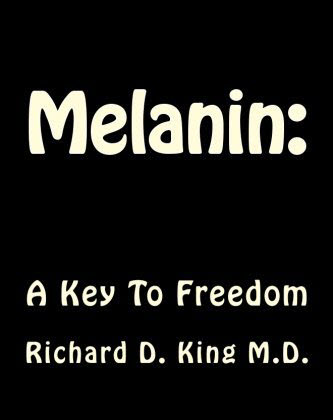
SUPPLEMENTAL: MELANIN_A Key To Freedom by Dr. Richard King
Book Summary
“MELANIN: A Key to Freedom” by Dr. Richard King explores the significance of melanin, a pigment found in the skin, hair, and eyes of humans, particularly in relation to people of African descent. Dr. King argues that melanin plays a critical role not only in physical characteristics but also in spiritual, cognitive, and cultural dimensions. The book delves into the historical, scientific, and philosophical aspects of melanin, advocating for a greater understanding of its importance as a source of empowerment and identity for individuals of African heritage. Dr. King intertwines discussions on race, identity, and the quest for freedom, emphasizing the need for self-awareness and cultural appreciation.
The outline that follows captures the essential themes and structure of Dr. Richard King’s “MELANIN: A Key to Freedom.” The book serves as a thought-provoking exploration of melanin’s multifaceted role in identity, culture, and empowerment for people of African descent, encouraging a deeper appreciation of heritage and the importance of self-awareness in the pursuit of freedom.
I. Introduction
A. Purpose and scope of the book
B. Importance of melanin in understanding identity
C. Overview of the key themes
II. Understanding Melanin
A. Definition and scientific background of melanin
Types of melanin (eumelanin, pheomelanin)
Biological functions of melanin in the body
B. Melanin’s role in skin color and protection
UV protection and health benefits
Melanin and environmental adaptation
III. Historical Context of Melanin
A. Melanin in ancient cultures and civilizations
Significance in African history and culture
Melanin’s representation in art and spirituality
B. Colonialism and the perception of race
Impact of colonial attitudes on the understanding of melanin
Stereotypes and the devaluation of Black identity
IV. Melanin and Identity
A. Connection between melanin and cultural identity
The role of melanin in self-acceptance and pride
Melanin as a symbol of resilience and strength
B. Psychological and emotional implications
Effects of colorism and internalized racism
Empowerment through understanding one’s heritage
V. Melanin in Science and Spirituality
A. Scientific research on melanin
Studies linking melanin to health and longevity
Melanin and brain function
B. Spiritual dimensions of melanin
Melanin as a conduit for spiritual energy
Connections to African spirituality and traditions
VI. The Path to Freedom
A. Melanin as a key to personal and collective freedom
Embracing identity and heritage as a means of liberation
The importance of education and cultural awareness
B. Advocacy for social justice and equality
Addressing systemic racism and discrimination
The role of community in fostering empowerment
VII. Conclusion
A. Summary of key insights and arguments
B. Call to action for readers
C. Final thoughts on the significance of melanin in modern society
Dr. Richard King’s “MELANIN: A Key to Freedom” is an insightful exploration that delves into the multifaceted significance of melanin, particularly in relation to people of African descent. Here’s a more detailed examination of the book’s key themes, insights, and implications:
Detailed Exploration of Key Themes
1. Understanding Melanin
Scientific Basis: Dr. King provides a thorough explanation of melanin, describing its chemical structure and types—primarily eumelanin (which gives skin its brown and black tones) and pheomelanin (which contributes to lighter skin and red hues). He discusses how melanin is produced in the body and its biological functions, such as protecting against harmful UV radiation and contributing to the overall health of the skin.
Biological Importance: The book emphasizes that melanin is not just a pigment but plays a crucial role in human biology. It is linked to various health benefits, including antioxidant properties and potential implications for longevity and cognitive function.
2. Historical Context of Melanin
Cultural Significance: Dr. King traces the historical roots of melanin, highlighting its importance in various ancient African civilizations. He discusses how melanin was revered and seen as a source of beauty, strength, and spiritual power. This historical perspective challenges contemporary narratives that often frame melanin and darker skin tones negatively.
Colonial Impact: The book addresses how colonialism and subsequent racial hierarchies devalued the significance of melanin in Black identity. Dr. King critiques the stereotypes and misconceptions that arose from colonial attitudes, which often led to internalized racism and colorism within communities.
3. Melanin and Identity
Cultural Identity: Dr. King emphasizes the connection between melanin and cultural pride. He argues that understanding and embracing one’s melanin-rich heritage fosters self-acceptance and a positive sense of identity. This reclamation of identity is crucial for personal empowerment and community solidarity.
Psychological Implications: The author discusses the psychological effects of living in a society that often devalues darker skin tones. He highlights the struggles with self-esteem faced by individuals who experience colorism and internalized biases. The book advocates for empowerment through education, cultural appreciation, and the celebration of diversity within the African diaspora.
4. Melanin in Science and Spirituality
Scientific Research: Immerging from scientific studies, Dr. King examines the implications of melanin on health and cognitive performance. He references research that suggests a correlation between higher melanin levels and certain health advantages, challenging negative stereotypes about people of African descent.
Spiritual Connections: The book also explores the spiritual dimensions of melanin, positing that it can be seen as a conduit for spiritual energy. Dr. King connects melanin to African spiritual traditions and philosophies, suggesting that there is a deeper spiritual understanding of self that can be accessed through an appreciation of melanin.
5. The Path to Freedom
Personal and Collective Liberation: Dr. King argues that understanding melanin is key to achieving freedom—both personally and collectively. He posits that embracing one’s identity and heritage is essential for breaking free from societal constraints and systemic oppression.
Advocacy for Social Justice: The book calls for active engagement in social justice efforts to combat systemic racism and discrimination. Dr. King emphasizes the importance of community activism, education, and solidarity in the pursuit of equality and justice for marginalized groups.
Conclusion
Dr. Richard King’s “MELANIN: A Key to Freedom” is a powerful exploration of the significance of melanin in shaping identity, culture, and empowerment for people of African descent. By intertwining scientific, historical, and spiritual perspectives, Dr. King encourages readers to appreciate the richness of their heritage and to recognize the vital role that melanin plays in their lives.
Broader Implications
Cultural Awareness: The book serves as a call for increased cultural awareness and pride among individuals of African descent. It encourages readers to embrace their identities and to challenge societal norms that perpetuate discrimination and stereotypes.
Impact on Modern Conversations: The insights presented in the book resonate with contemporary discussions about race, identity, and empowerment. It provides a framework for understanding the ongoing implications of historical injustices and the importance of celebrating diversity in all its forms.
Overall, “MELANIN: A Key to Freedom” is not only an academic work but also a motivational piece that inspires readers to reclaim their identities and to recognize the beauty and strength inherent in melanin. Dr. King’s exploration of these themes is both relevant and timely, fostering a deeper understanding of the complexities of race and identity in today’s world.
“MELANIN: A Key to Freedom”_eBook
Pop the documents out from the upper right to read / expand / download.
Learn more in RBG Communiversity Knowledge Media eLibrary| Melanin Knowledge Folder






 RBG Communiversity: Message 2 Da Grassroots
You must be logged in to post a comment.